How to Spot and Solve Drainage Problems in Plymouth Yards
Drainage Problems in Plymouth Yards
You know that one part of the yard that never really dries out, no matter how many sunny days we get in a row? That’s not bad luck—it’s bad drainage. And in Plymouth, I see it all the time. The soil here is mostly heavy clay, which just doesn’t let water move through easily. It looks solid on the surface, but it traps moisture underneath like a sponge. Once it’s wet, it stays wet.
I’ve been called out to fix yards where patios were sinking, decks were shifting, and lawns turned to mush after every rainfall. Most of the time, the real issue isn’t visible right away. Homeowners assume a little standing water is normal after a storm, or that a soft spot will eventually dry out. But what’s happening below the surface is a different story. That water isn’t just sitting there—it’s pushing on everything above it. It’s creating frost heave, moving pavers, and putting pressure on foundations. And every time we get a freeze-thaw cycle, that problem gets worse.
If your sump pump seems to run nonstop, if puddles stick around for days, or if you’ve noticed uneven settling in your patio or deck, there’s a good chance your drainage system—or lack of one—is to blame. Fixing it starts with understanding how Plymouth’s clay soil behaves and what it takes to manage it the right way.
The Plymouth Problem: Why Clay Soil Won’t Cooperate
Plymouth’s soil is famous for its stubbornness. It’s mostly made up of fine clay particles that pack tightly together, leaving almost no space for air or water. When it rains, the water has nowhere to go. Instead of soaking into the ground, it lingers on top or just below the surface.
In neighborhoods like Wayzata Highlands and Legacy Oaks, I’ve seen newly built homes with beautiful lawns that turn into shallow ponds after a storm. The surface looks dry for a few days, but dig a few inches down and it’s like a soaked sponge. The worst part? Even when the grading looks perfect, the ground underneath can still be oversaturated. That’s why you can have a yard that technically “drains” but still feels soft and unstable.
Builders often skip proper site grading and clay soil amendment preparation because clay doesn’t erode like sandy soil—it stays put. That’s good for stability during construction, but it’s terrible for drainage long term. Add a sump pump discharge line that dumps directly onto that same soil, and you’ve basically got a permanent wet zone in your yard.
Once the soil is saturated, it can’t take on more water. Everything from patio bases to deck footings starts to shift. I’ve rebuilt patios that looked brand new but failed within two years because water kept migrating under the surface. When that trapped moisture freezes in winter, it expands and pushes everything upward. Then when it thaws, the ground settles unevenly, leaving dips and cracks behind.
It’s not just about appearance either. Constantly wet soil can weaken retaining walls, drown turf roots, and even push water toward your foundation. That’s why real drainage solutions start with soil type—and in Plymouth, that means working with clay, not against it.
Recognizing the Signs of Drainage Failure Early
Most homeowners don’t realize they have a drainage problem until it’s already expensive. The signs are subtle at first: maybe one corner of the lawn stays soggy, or your sump pump kicks on more often than usual. Over time, though, these issues become obvious. I tell people that if you see the same puddle form in the same place twice, you already have a problem worth fixing.
Here’s what I look for when I evaluating drainage problems at a property in Plymouth:
- Mushy, spongy grass that squishes underfoot
- Standing water near patios or walkways
- Cracks in concrete or paver surfaces
- Sump pumps that discharge water right back into problem areas
- Patios or decks that look uneven or have shifted slightly
- Areas that grow moss or algae from constant dampness
One common pattern I see is sump pump discharge pooling along the side of the house. The pump is doing its job—it’s removing water from the foundation—but if that discharge pipe stops too close, all it’s doing is recycling that water right back into the soil. I’ve seen this flood entire side yards without the homeowner realizing what’s happening.
Another overlooked sign is soil heaving. If your deck footings are popping up in winter or settling unevenly in spring, that’s a sure sign of trapped moisture in the subsoil. It’s also the reason many patios crack even when the pavers themselves are high quality. The problem isn’t the materials; it’s the movement beneath them.
When I inspect a yard, I like to come right after a heavy rain. That’s when drainage issues tell the truth. The water shows you where the slope fails, where runoff collects, and where the soil has compacted too tightly to absorb anything. From there, we can start designing a system that actually addresses the cause—not just the symptoms.

How I Fix It: Drainage That Works with Clay, Not Against It
Fixing clay soil drainage starts by giving water somewhere to go. That sounds simple, but in reality, it takes a combination of design, materials, and experience to do it right. Over the years, I’ve developed a few go-to systems that consistently work in Plymouth’s conditions.
Drain Tile Systems
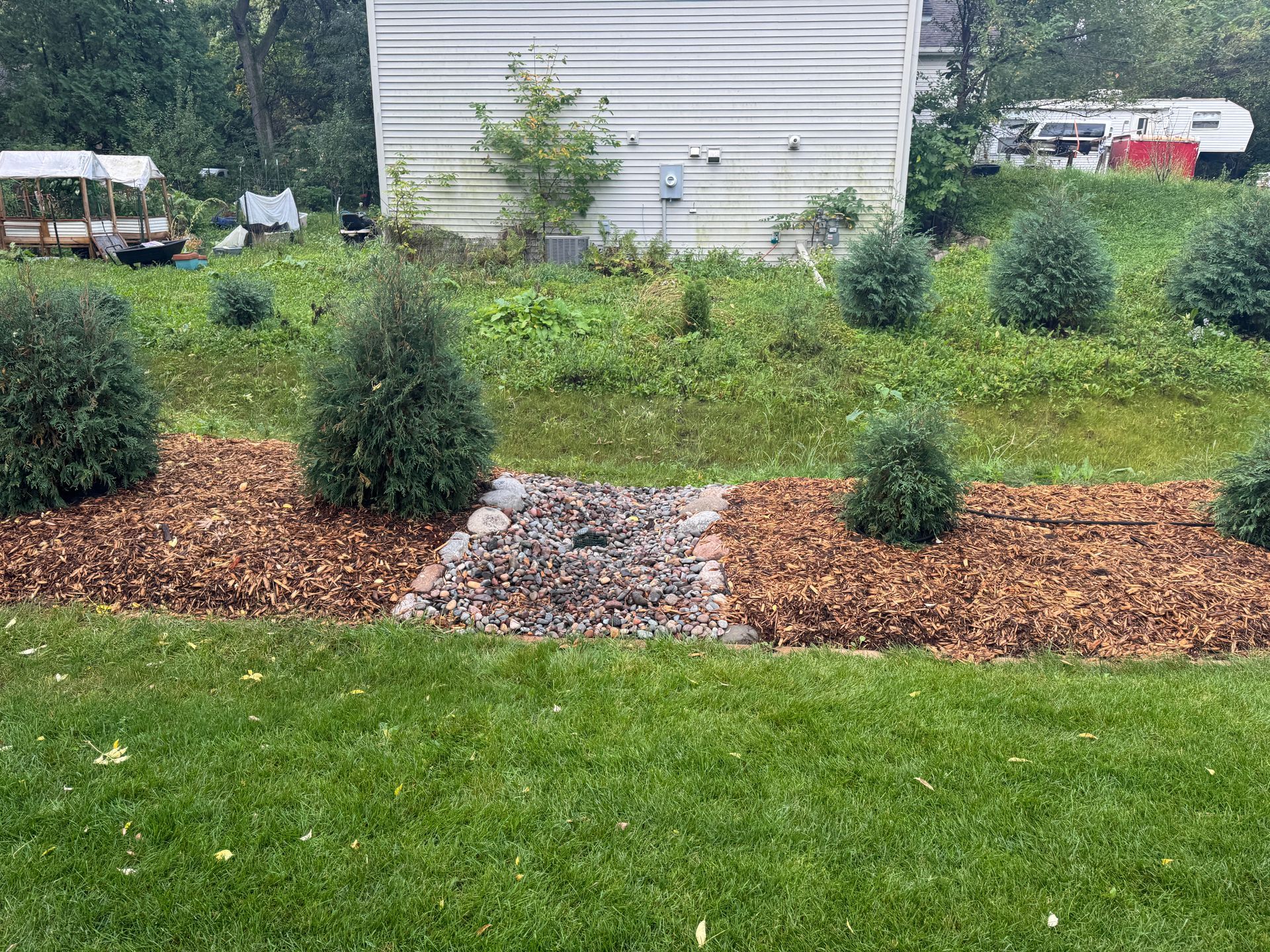
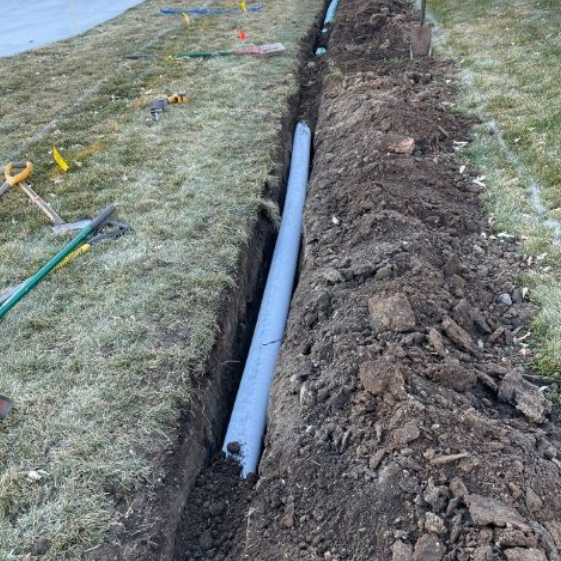
The first is what I call a standard drain tile system. It’s a 4-inch perforated pipe—corrugated or PVC—wrapped in a silt sock and buried underground. That silt sock is important because it prevents fine sediment from clogging the pipe while still letting water seep in. The pipe then directs the collected water away from the problem area to a lower point, drainage basin, or dry well.
For wide, flat lawns that tend to flood evenly, this is often the best fix. It’s cost-effective, durable, and efficient for moving large volumes of water. It doesn’t rely on gravity alone, so even gentle slopes can work.
Sandy Backfill for Faster Drainage
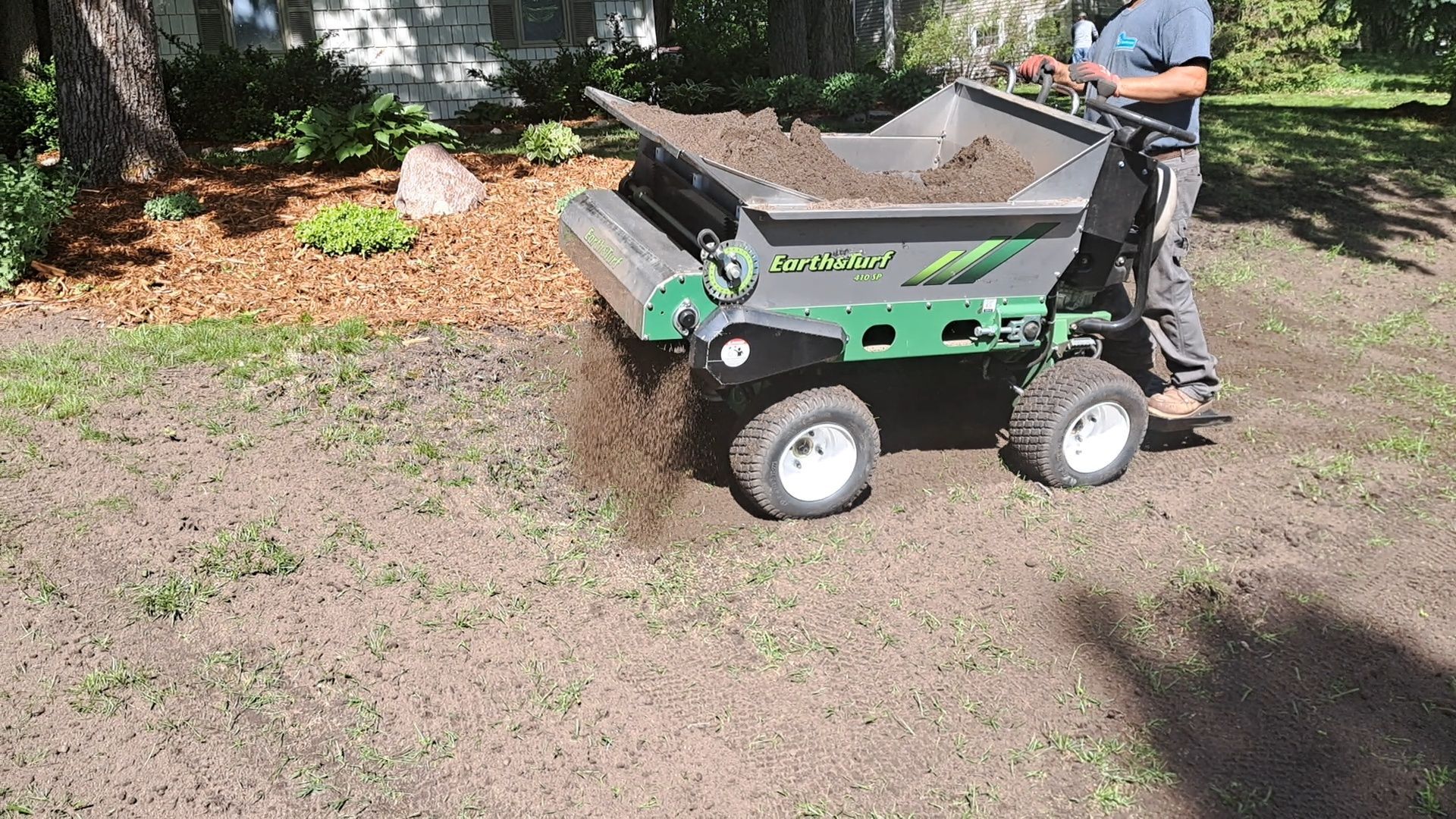
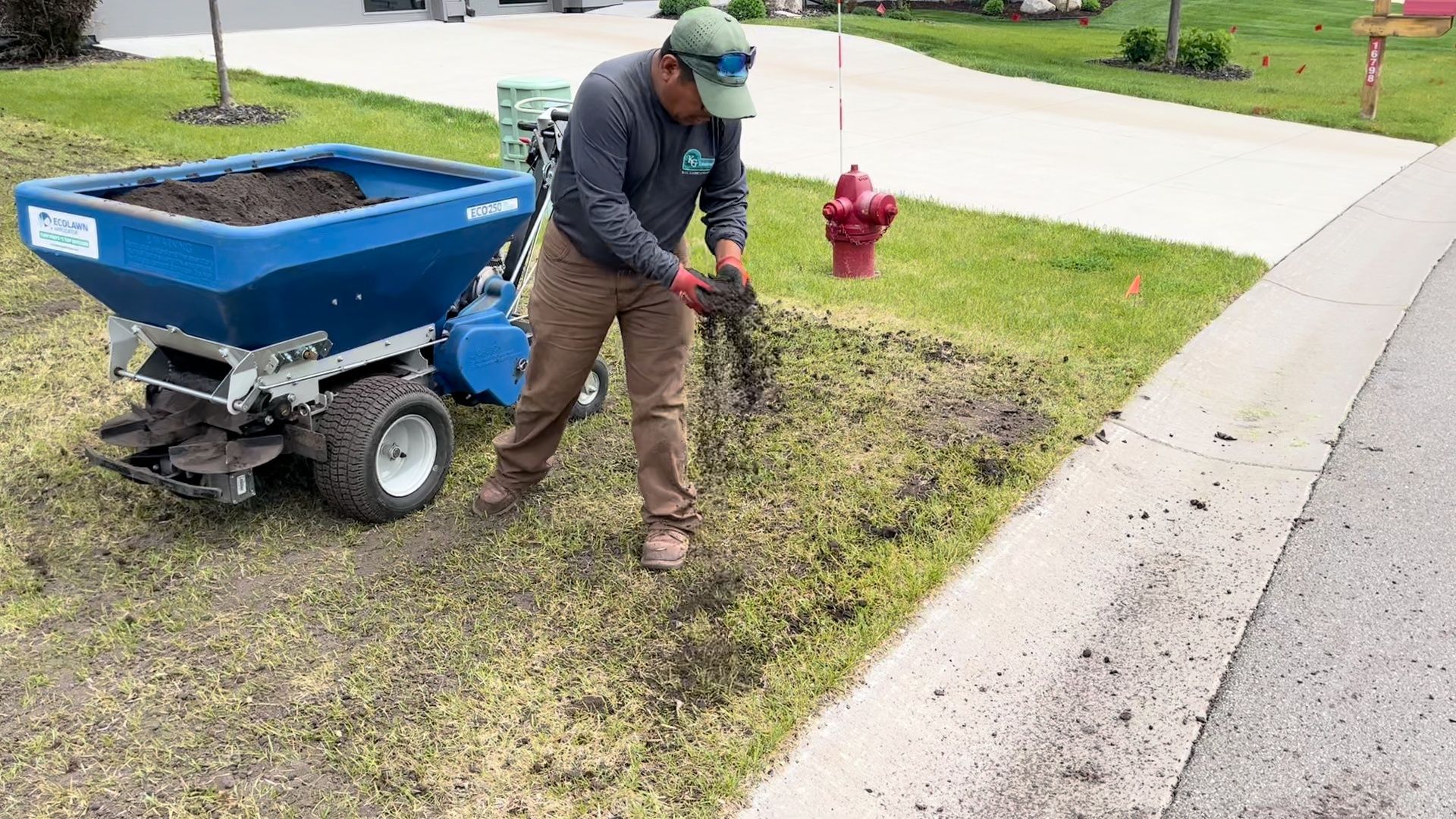
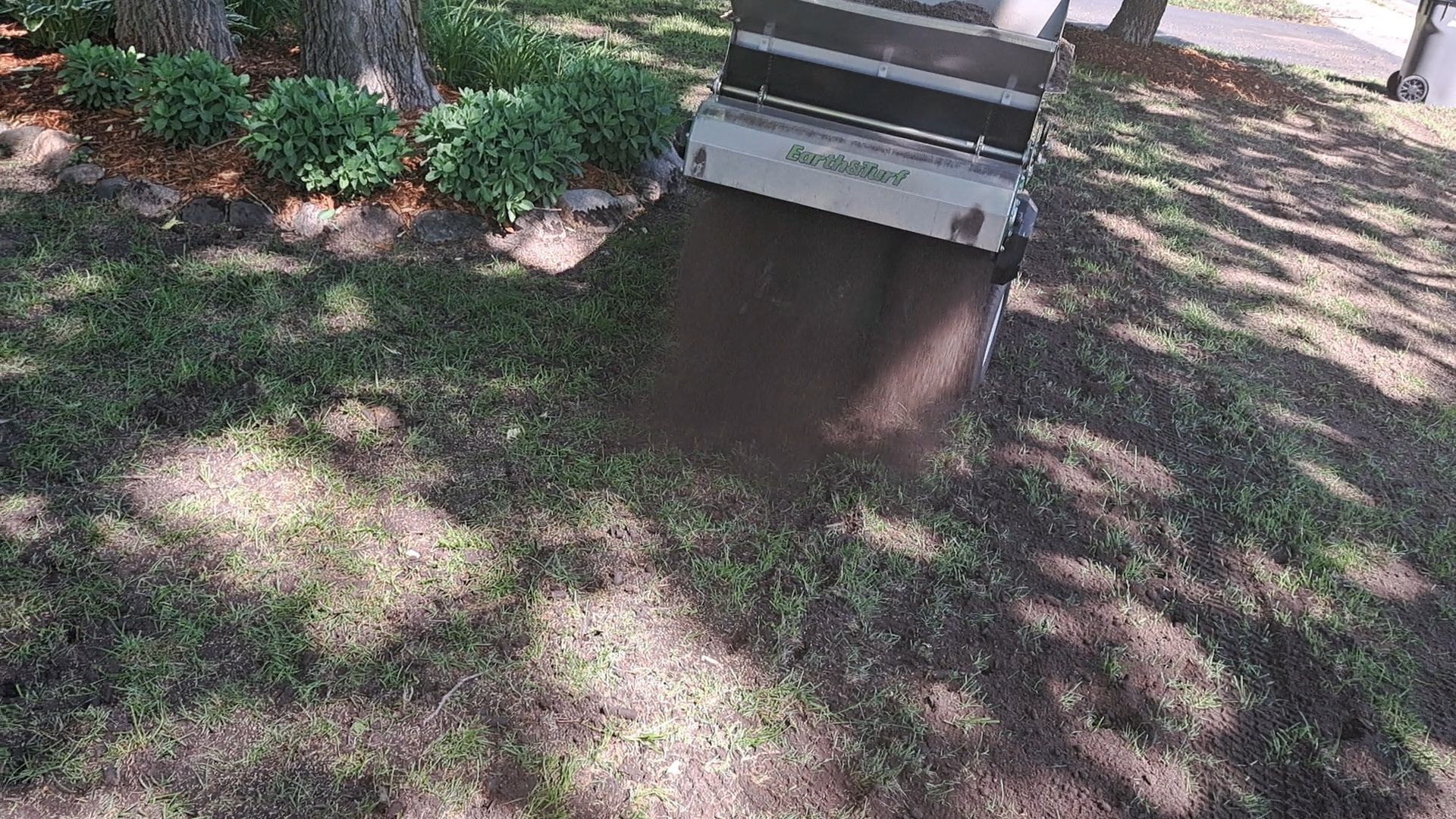
When the clay is especially dense—or when surface water needs to move quickly—I recommend upgrading to a sandy backfill system. It’s the same drain tile, but instead of refilling the trench with that sticky clay we removed, I replace it with a 50/50 mix of sand and topsoil. That creates a more porous layer that lets water reach the drain tile faster. It’s a simple upgrade that can make a huge difference, especially in lawns that hold water for days.
French Drains for Surface Runoff
Sometimes the problem isn’t underground—it’s water flowing across the yard or pooling around structures. In those cases, I use a French drain, which is a wider trench filled with rock that surrounds the pipe. It captures both surface and subsurface water at once. It’s more expensive and labor-intensive because it requires hauling away a lot of clay and replacing it with rock, but when you need that level of performance, it’s worth it.
Grading and Sump Discharge Management
The last piece of the puzzle is slope. You can install all the drain tile in the world, but if the yard isn’t graded properly, it’ll still collect water where it shouldn’t. I always check that the lawn slopes gently away from the house—usually about an inch per eight feet. Then I extend sump discharge lines far enough that they release water in a safe drainage zone instead of saturating the lawn near the house.
Together, these systems turn heavy, saturated soil into a stable, usable yard again. It’s not about overengineering—it’s about using the right combination for the conditions you’ve got.
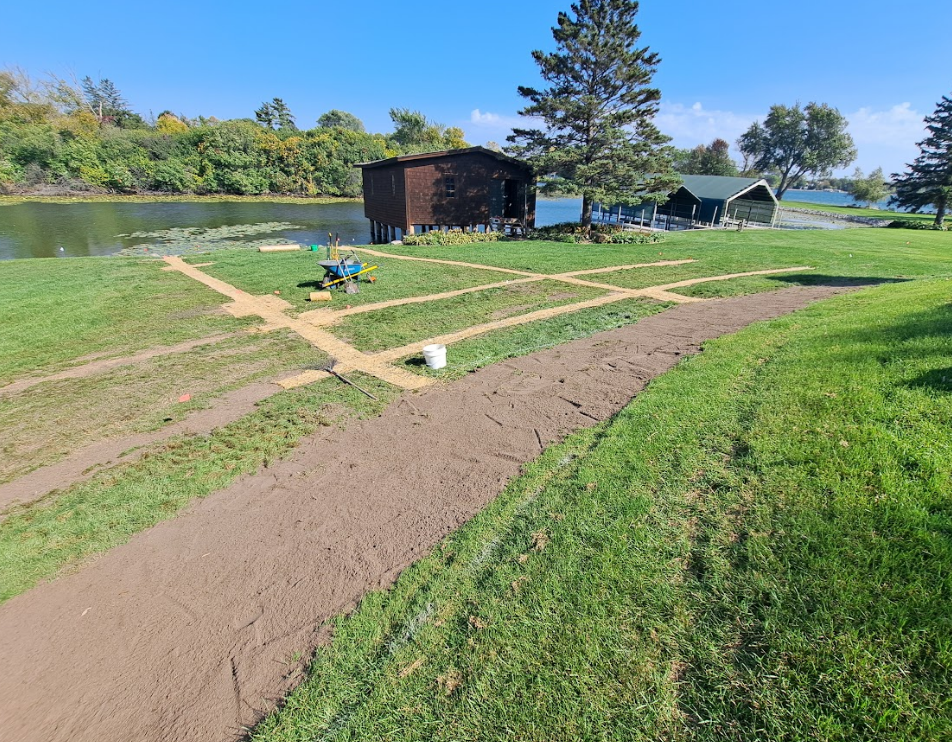
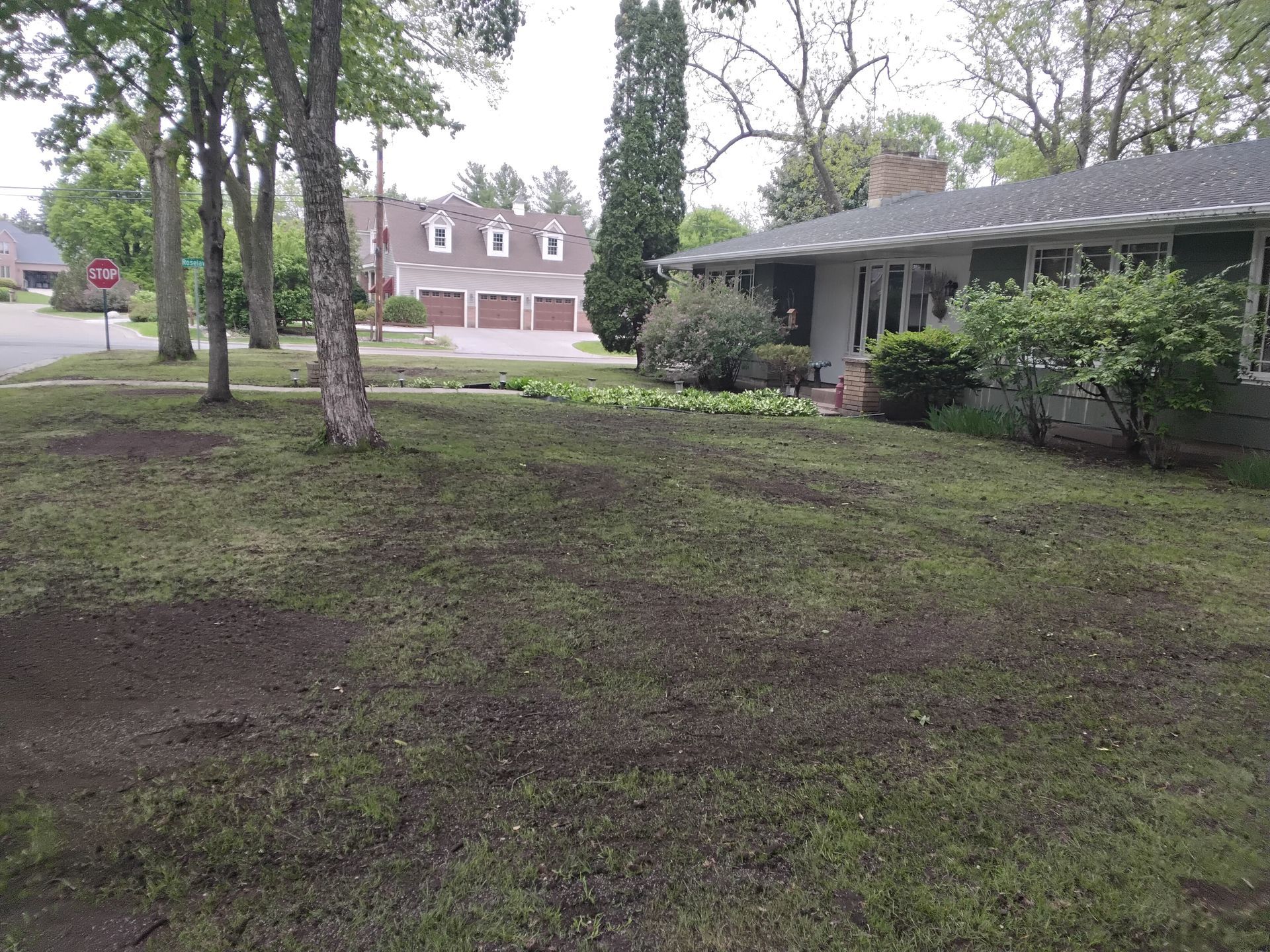
Photo: Drain tile installation in Plymouth yard with sandy backfill for improved infiltration.
Designing for Longevity and Everyday Use
Drainage isn’t something homeowners think about daily, but it’s the foundation of everything else in the landscape. If it’s done right, you won’t even notice it working. If it’s done wrong—or skipped entirely—you’ll see the effects everywhere.
Once the system’s installed, the maintenance is minimal. Keep outlet points clear, mow carefully around discharge zones, and check after big storms to make sure the system is flowing freely. If you ever notice pooling returning to the same spots, it’s a sign that something’s blocked or the grading has shifted slightly.
I also remind clients that seasonal observation is key. In spring, when the ground starts to thaw, you’ll see how well your system handles meltwater. In late fall, heavy rains show you how prepared your yard is for the freeze ahead. A small adjustment made in fall can prevent big damage in winter.
The best part about a well-designed drainage system is that it protects every other investment on your property. Patios stay level. Decks stay stable. Lawns stay healthy. Even trees and plant beds do better because their roots aren’t sitting in stagnant water. When you live somewhere with clay soil and four full seasons, good drainage isn’t a luxury—it’s a necessity.
FAQs
What’s the most effective drainage system for Plymouth’s clay soil?
For most yards here, I start with a perforated 4-inch drain tile wrapped in a silt sock. It gives that trapped water a place to move into and directs it out of the problem area. If the soil is particularly dense or the yard is flat, I upgrade to sandy backfill to improve infiltration. French drains are great for problem areas where surface runoff collects, but they’re more expensive and not always necessary. The key is matching the system to the problem—wide lawns need long, consistent drain tile runs, while small, focused areas may just need one or two trenches.
Why does my sump pump keep running even when it’s dry outside?
That’s usually a sign that groundwater or surface runoff is feeding back into your foundation area. In Plymouth, this often happens when sump discharge pipes stop too close to the house or release water into clay-heavy areas that can’t absorb it. The soil holds that moisture, and it eventually cycles back toward the house. Extending the discharge line 10–15 feet away or tying it into a drainage system fixes that loop and gives the water a proper outlet.
How soon can I tell if my drainage fix is working?
Usually after the first heavy rain. If water isn’t pooling where it used to and the ground feels firm underfoot, that’s a good sign. Within a few weeks, you’ll notice your grass looking healthier and your sump pump cycling less often. Over the long term, you’ll see the biggest difference in stability—patios stay flat, decks don’t shift, and basements stay dry. Drainage isn’t dramatic, but it’s one of the most rewarding upgrades you can make because it quietly prevents damage for years.
Ready to Start on Your Next Project?
Call us at (763) 568-7251 or visit our quote page.