Pet-Safe Lawn Care: How to Keep Your Dog Safe on the Grass
What Pet-Safe Lawn Care Really Means
If you've got a dog rolling on the grass and a kid right behind it, pet-safe lawn care stops being abstract. The good news is it's mostly common sense. A pet-safe lawn is one where you've cut back on the synthetic chemicals your animals walk through, lick off their paws, and sometimes eat. It isn't a single product you buy. It's an approach, and pet-friendly lawns come from fewer inputs and smarter timing, not a magic bottle.
I get this question a lot, usually from the same people who ask about organic lawn care, because the two overlap almost completely. The safest lawn for a pet is one fed and protected the natural way, with the chemicals kept to a minimum or out entirely. We build that into our organic lawn program, and it runs through how we approach lawn care for any client with animals. The rest of this is the practical version: what to watch, what to skip, and how we handle it.
The Real Risk: Lawn Chemicals and Your Pet
The real concern with pets and lawns is the synthetic herbicides and pesticides, not the grass itself. These are the weed-and-feed products and broadleaf sprays that do their job well but aren't something you want a dog licking off its fur an hour later. The single most important habit is simple: keep pets off any treated area until it's fully dry, or for granular products, until it's been watered in and dried. The EPA says the same thing, that the label's reentry guidance exists for a reason and applies to pets as much as to people.
That timing rule covers most of the risk with conventional products. The trouble is that timing is easy to get wrong. A dog slips out the back door, and the margin for error on a heavily sprayed lawn is thin. That's a big part of why we steer pet owners toward our fertilization and weed control program built around restraint, or toward skipping the synthetic herbicides altogether.
Don't Overlook the Lawn Fertilizer
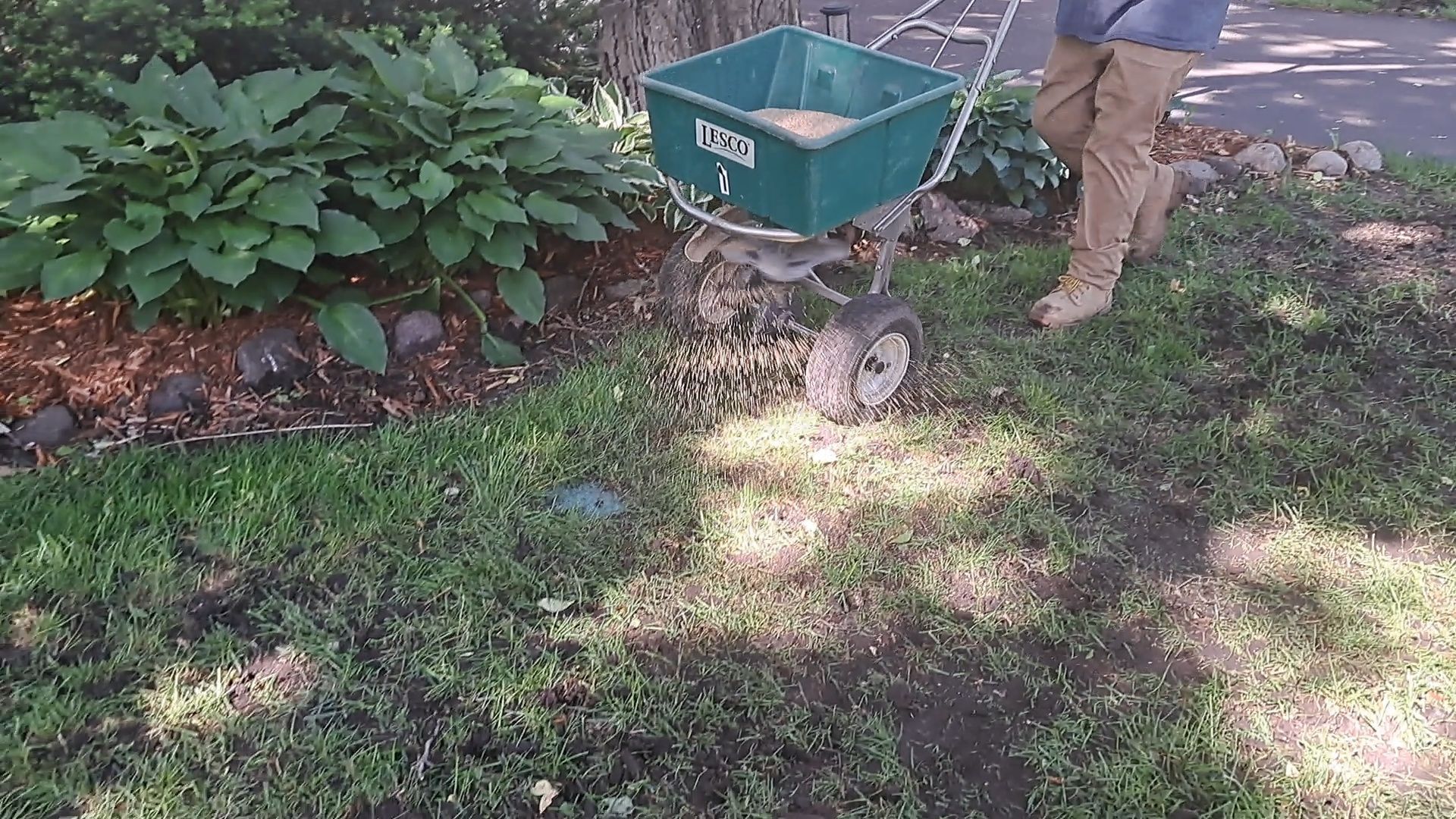
Here's the one people miss: the lawn fertilizer itself can be a hazard, and not the way you'd think. A lot of fertilizers, including organic ones, smell and taste appealing to dogs. Bone meal, blood meal, and poultry-based products are basically food scent to a dog, and a pet that eats a mouthful off the bag or a freshly spread lawn can end up with a nasty stomach, sometimes worse. The ASPCA fields thousands of these calls a year.
So a few habits matter. Store fertilizer bags where pets can't get at them. Water granular products in so there's nothing loose on the surface to snack on, and keep the dog off until it's dry. None of this means organic lawn fertilizer is dangerous in normal use. It means the bag and the first hours after application are when to pay attention, the same way you'd put away anything else a dog might raid.
The Pet-Safe Approach We Use
Pet owners are one of the most common reasons people come to us for the organic program in the first place, so this is the recommendation I give with the least hesitation. When a client tells me they've got pets, my honest answer is to go organic or transitional, because the cleanest way to make a lawn pet-safe is to keep synthetic herbicides off it entirely. Our 100% organic program uses no synthetic weed killers, which takes the biggest worry off the table. The transitional option cuts the herbicide way back without going all the way, for folks who still want some weed control. Either way, there's far less on the lawn for a pet to react to.
On top of the product choice, the same simple timing habits apply: keep pets off until anything we apply is dry or watered in. The ASPCA's pet-safe yard guidance lines up with how we work. This is really just the pet-owner version of the broader eco-friendly lawn care approach, and pairing it with a well-tuned irrigation system makes the water-it-in step automatic.
Build a Lawn That Holds Up to Paws
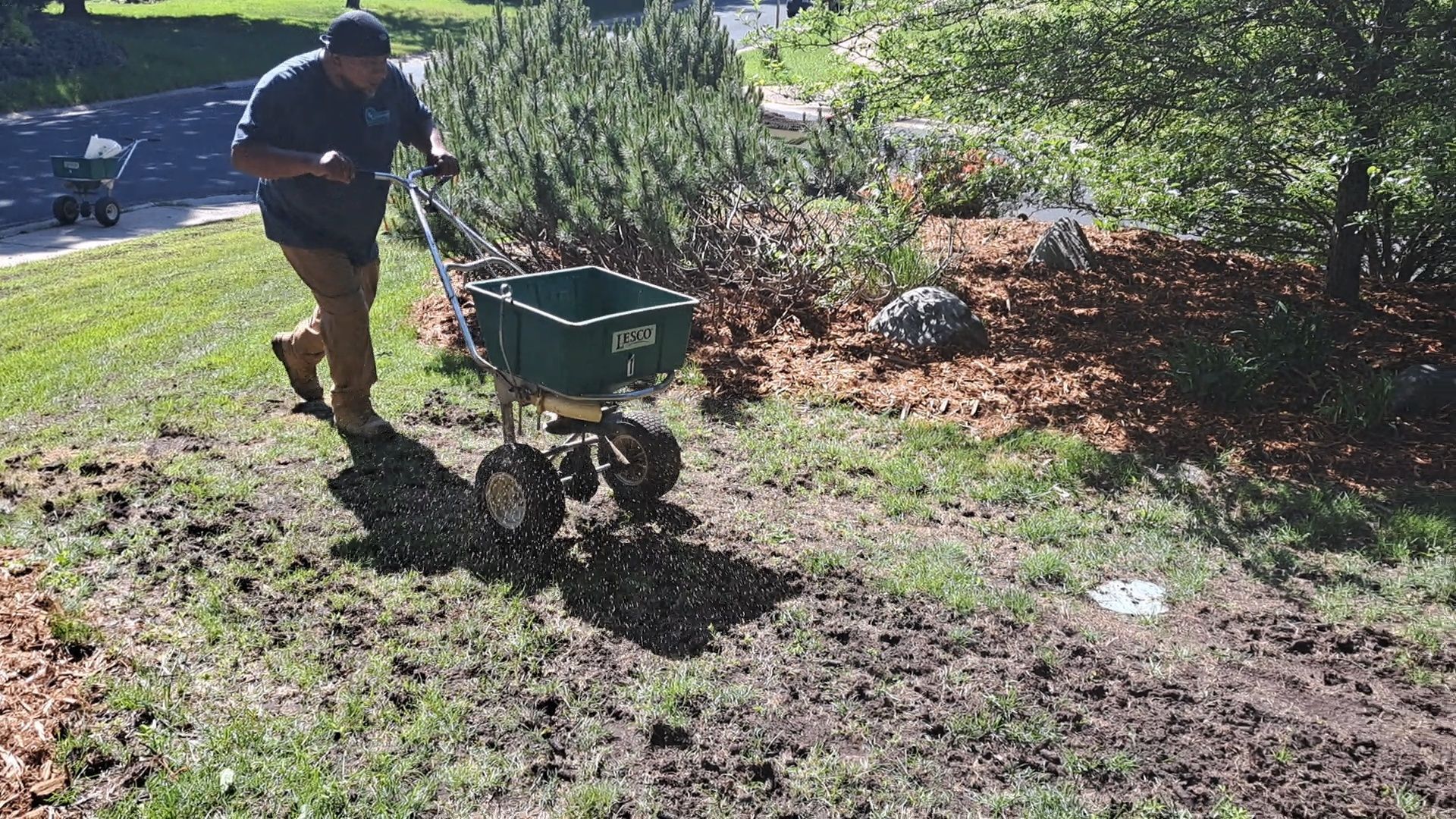
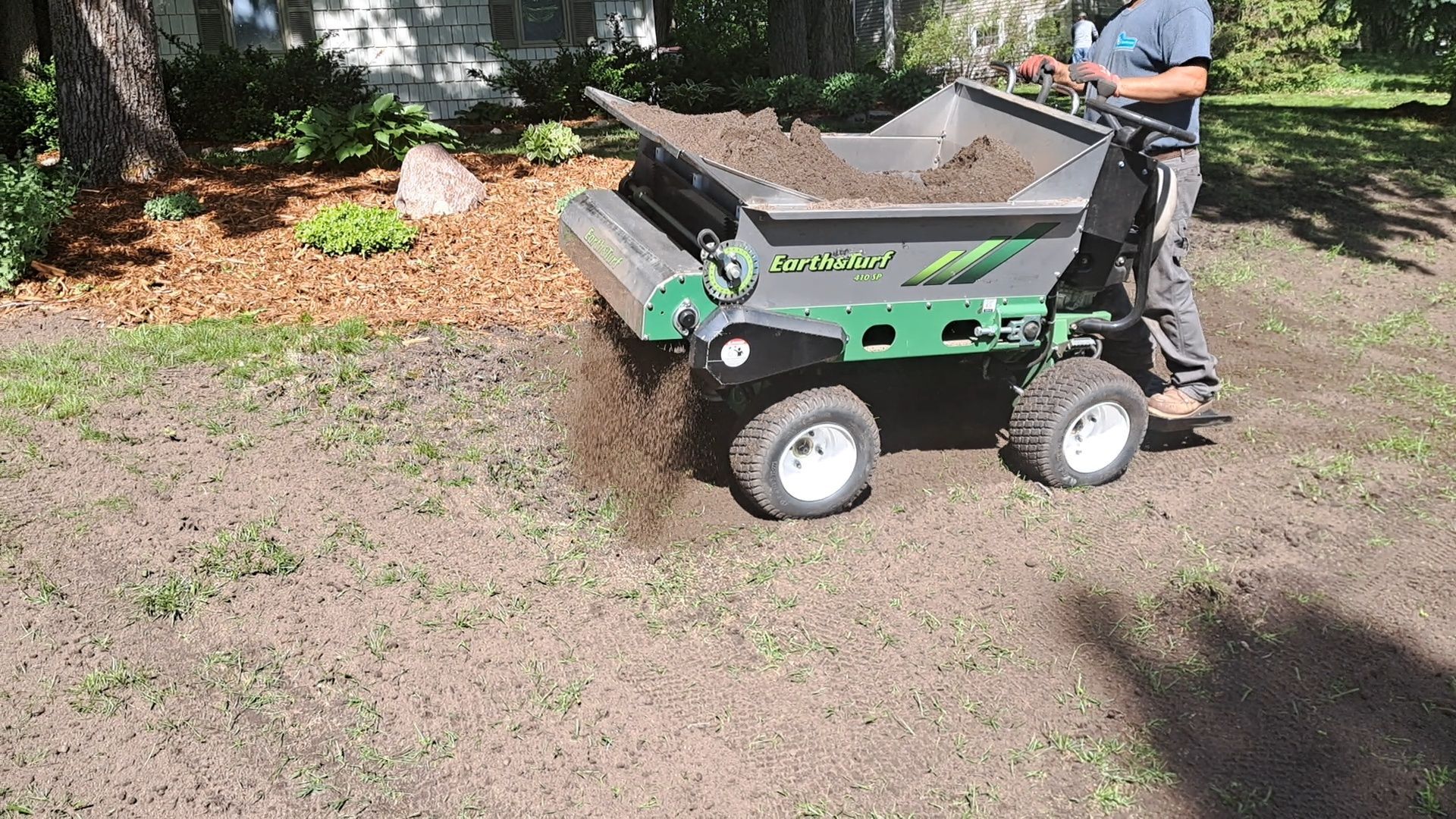
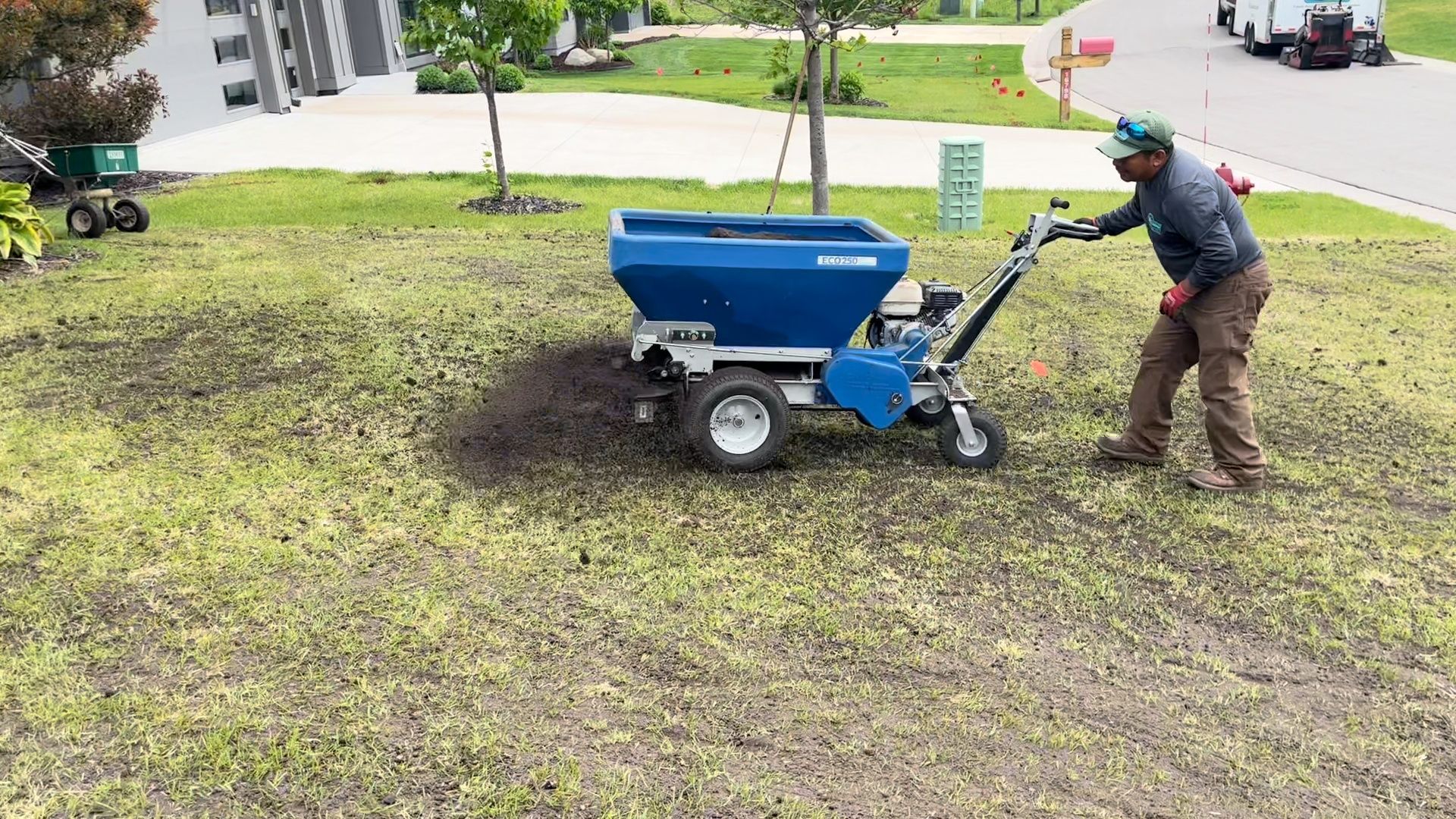
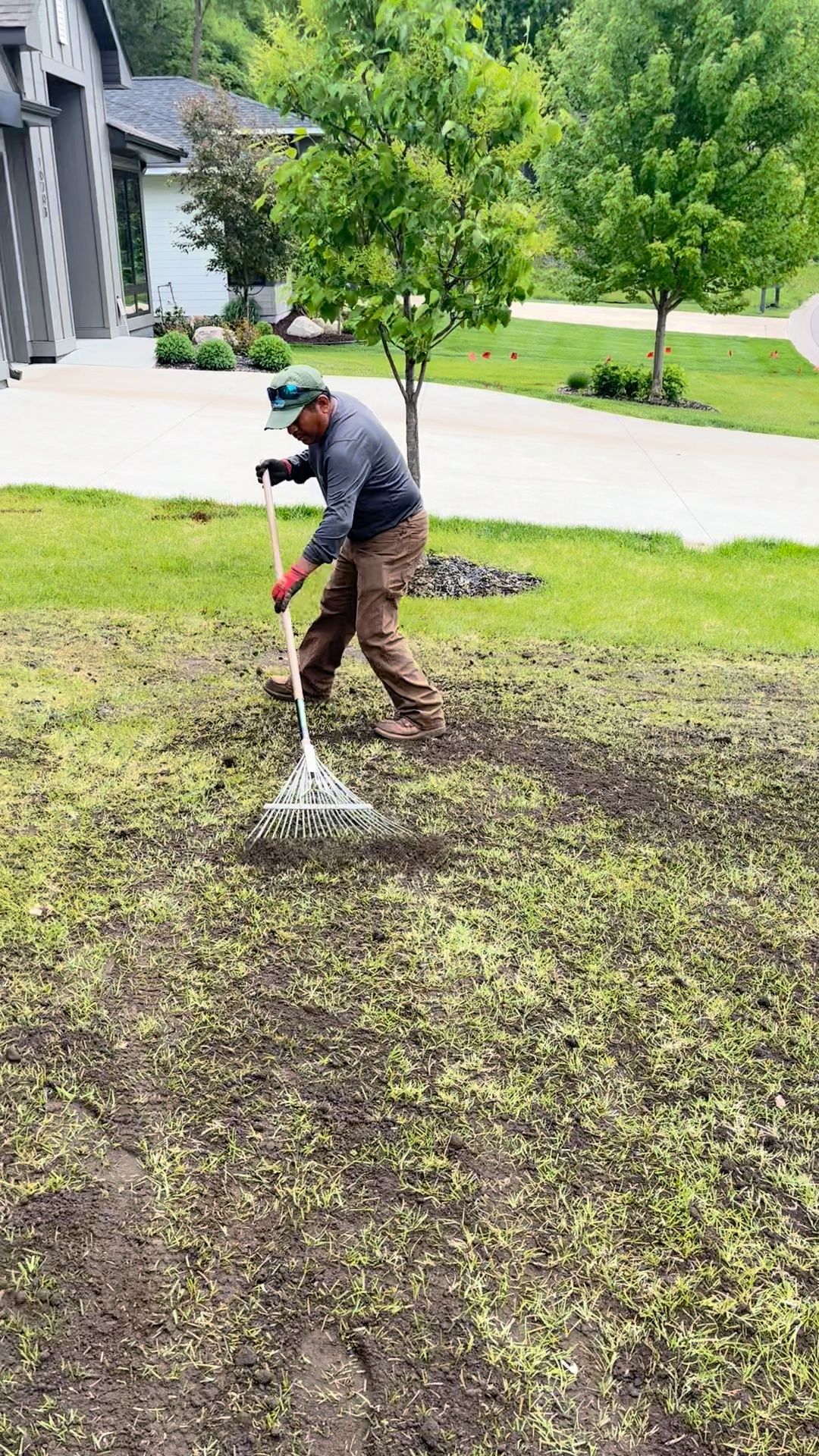
A pet-safe lawn also has to survive the pet, and that's a turf problem as much as a chemistry one. Dogs are hard on grass: worn paths, dug spots, and urine burns. The fix is a thick, durable lawn with deep roots, which shrugs off traffic far better than a thin one. We keep lawns dense by mowing high through our seasonal mowing work and overseeding worn areas with tough grass seed suited to the conditions.
Urine spots are nitrogen burns, not poison, and they patch back in with reseeding and a good soak to dilute the area. And if you're open to it, a little clover or some pollinator-friendly plantings make a lawn more resilient and more interesting for everyone using it, pets included. We do this kind of pet-friendly, durable lawn work across Bloomington and the metro, building yards that hold up to real life.
A pet-safe lawn isn't about giving up a nice yard. It's about a few smart choices: fewer synthetic chemicals, careful timing, and turf tough enough to take a dog. If you want help setting up pet-safe lawn care for your yard, reach out for a free quote and I'll walk you through what fits your family and your grass.
Frequently Asked Questions
Is lawn fertilizer safe for dogs?
In normal use, yes, but the bag and the first hours after spreading are the risk. Many fertilizers, including organic bone meal and blood meal, smell like food to dogs, and eating a mouthful can upset their stomach. Store bags out of reach, water granules in, and keep pets off until everything is dry.
How long after treating a lawn should I keep my dog off?
Follow the product label, but the general rule is until liquid treatments are fully dry and granular ones have been watered in and dried, often several hours to a day. When in doubt, wait longer. The simplest way to avoid the question is an organic program with no synthetic herbicides to time around.
Is organic lawn care safe for pets?
It's the safest mainstream option. A 100% organic program uses no synthetic herbicides or pesticides, so there's far less on the grass for a pet to absorb or eat. You still keep pets off freshly applied fertilizer until it's watered in, but day to day, an organic lawn is a much lower-worry surface for a dog.
Which lawn chemicals are most dangerous to dogs?
Synthetic herbicides, insecticides, and some fungicides are the main concerns, especially before they dry. Baits for rodents or snails are far more dangerous but aren't lawn products. On the lawn itself, the biggest real-world risk is a pet eating fertilizer straight from the bag or a freshly treated surface, so handling matters as much as the product.
How do I fix dog urine spots in the lawn?
Urine spots are nitrogen burn, not poison. Soak the area well to dilute it, then rake out the dead grass and reseed once the spot is clean. A thicker, healthier lawn handles urine better, and rinsing a dog's favorite areas helps. There's no miracle additive that reliably prevents them, despite the marketing.
Are weed killers safe for pets once they dry?
Generally, once a herbicide has fully dried, the contact risk to pets drops sharply, which is why labels set a reentry time. Dried isn't the same as gone, though, so sensitive pets and heavy applications still warrant caution. If you'd rather not manage that at all, an organic or transitional program removes the question entirely.
About the Author
I'm Kent Gliadon, founder of KG Landscape and a graduate of the University of Minnesota Landscape Design program. For over 20 years, I've focused on integrating well-planned landscape design and installation work with properly engineered outdoor drainage solutions. I believe discerning homeowners deserve landscaping and drainage renovations that are carefully planned from the beginning, accounting for water movement, grading, soils, hardscaping, and future use, so problems are prevented before they occur. These articles explain how and why specific solutions are implemented and what it takes to maintain properties that truly last.
Ready to Start on Your Next Project?
Call us at (763) 568-7251 or visit our quote page.