How We Restored a Backyard Swale in Shoreview, MN
The legendary architect Louis Sullivan coined a phrase that has driven architecture and design ever since: "form follows function." While aesthetics are critical to buildings and landscapes alike, that physical beauty must always remain secondary to the fundamentals of good design.
In Shoreview, Minnesota, just outside St. Paul, we encountered a landscape where, unfortunately, function followed form. Here, the realities and principles of effective drainage were downstream of their original builder's aesthetic choices. That meant water from snowmelt and rainfall was streaming into parts of the lawn where it wasn't meant to be.
The standing water that had been allowed to collect in the back and side yards was putting a considerable amount of the property out of play. In order to reclaim usable space and rethink the way the land handled water, this Shoreview homeowner entrusted KG Landscape with identifying key issues, presenting potential solutions, and doing the necessary work the client decided upon to restore their lawn.
What We Found: A Swale That Failed
Our team began, as we always do, with a thorough assessment that allowed us to fully diagnose the site's issues. The first problem that we noticed was that the backyard had a low area where water naturally collected. The builders had not graded the yard correctly to direct water toward the property's existing drainage system.
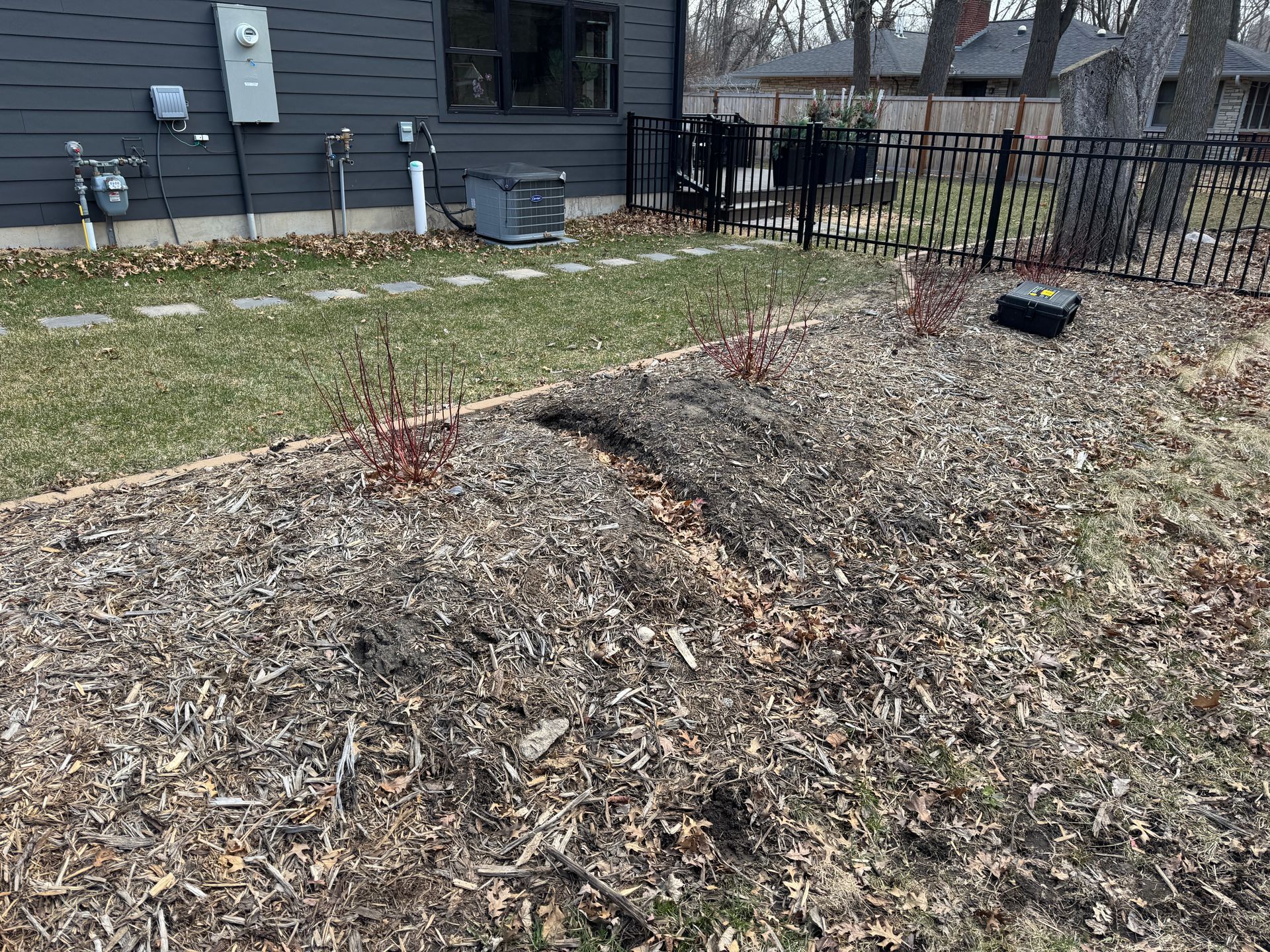
The second issue involved a swale, or a shallow channel for drainage management. On one end of the property, the builder had constructed a swale that was no longer effectively collecting and draining precipitation.
Swales lose their efficacy for a number of reasons. Swales require maintenance to prevent clogging from leaves, twigs, and other organic matter that can restrict the flow of water or reduce the channel's capacity. This can cause a current to begin eroding the walls of the channel, leading to its failure. Heavy rains can cause even well-built and well-maintained swale walls to lose their integrity.
In this case, it was geometry as well as geography that had caused this swale to drain poorly. Swales are effective only within a relatively narrow window of pitch: too steep, and they become highly susceptible to erosion and failure; too flat, and gravity can't help carry water away. Here, the ground was not pitched enough to remove water from the area, allowing it to collect in the yard.
Our third concern was a berm, or raised area of land, that the builder installed on the property's side yard. Berms, as a counterpart to swales, can be useful part of a drainage strategy, as well as one that can aesthetically provide privacy to a property. In this case, rather than directing rainwater away from the home, this berm was trapping water in the client's side yard and not allowing the water to flow into the existing swale. Not only did this standing water render the side yard unusable, it also diminished the health of the turf and could ultimately jeopardize the integrity of the home's foundation.
How We Would Solve the Problem
We proposed several steps to solving this Shoreview home's drainage concerns. We would redefine the existing berm and swale to restore their functionality while retaining their aesthetic form. To further protect the foundation, we would place catch basins underneath the downspouts to collect massive rainfall and safely redirect them away from the home.
Along the way, we also considered the installation of a surface drain in the lawn with a drain tile system in the lower section of the back yard. Perforated piping, pitched toward the property line, would help allow any extra saturation in the soil to safely drain away from the yard. On further consideration, however, we agreed that regrading the yard, along with the other proposed modifications to the existing drainage system, would be sufficient in addressing our concerns.
How We Did It
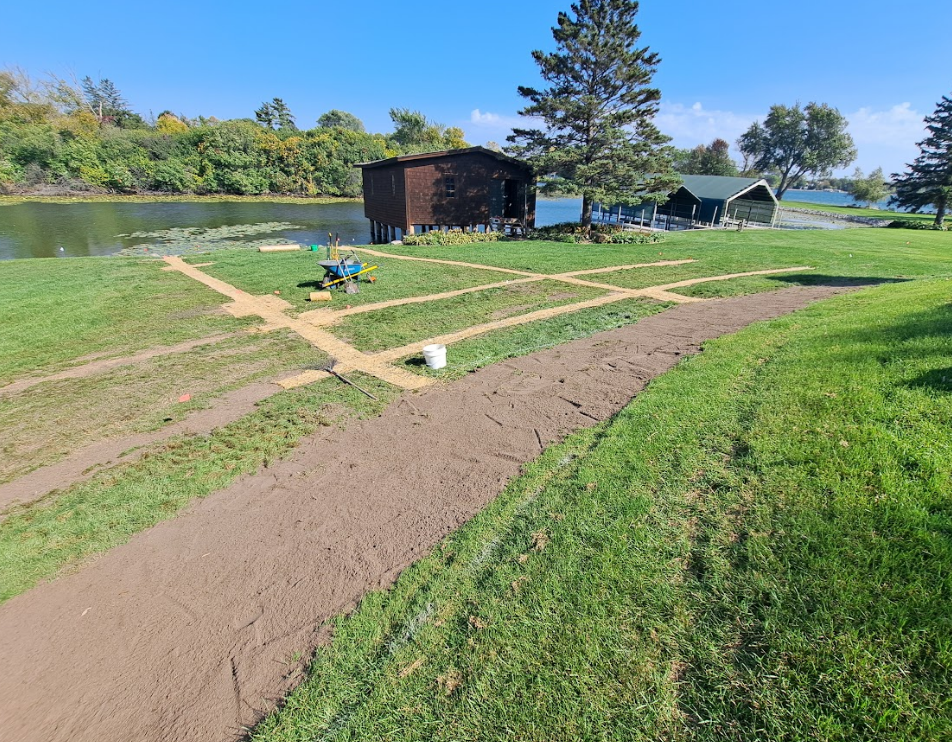
We began by implementing a comprehensive grading and drainage correction plan for the yard. By subtly modifying the elevation throughout the back yard, we would be able to eliminate the low spots that were collecting water and instead redirect that water toward the property's existing swale system.
Rather than abandon the swale that had been too flat to work effectively, we redefined it by digging a deeper channel with a more pronounced pitch. This would ascertain that the swale not only had the capacity to handle considerable rainfall, it also had the proper steepness to send water away from critical areas and prevent future flooding. Our team engineered the new swale to send its water to the front yard, where the city had installed a culvert to help manage drainage.
We also modified the berm that had been trapping water in the side yard. By cutting into the berm and adjusting its shape, we opened a clear pathway for water to enter the swale and continue flowing away from the home. To maintain the integrity of the berm against erosion, we installed boulder edging along the berm's base. In the cut we made through the berm, our team placed a rock bed that would allow water to run through the berm and toward the swale along the property line.
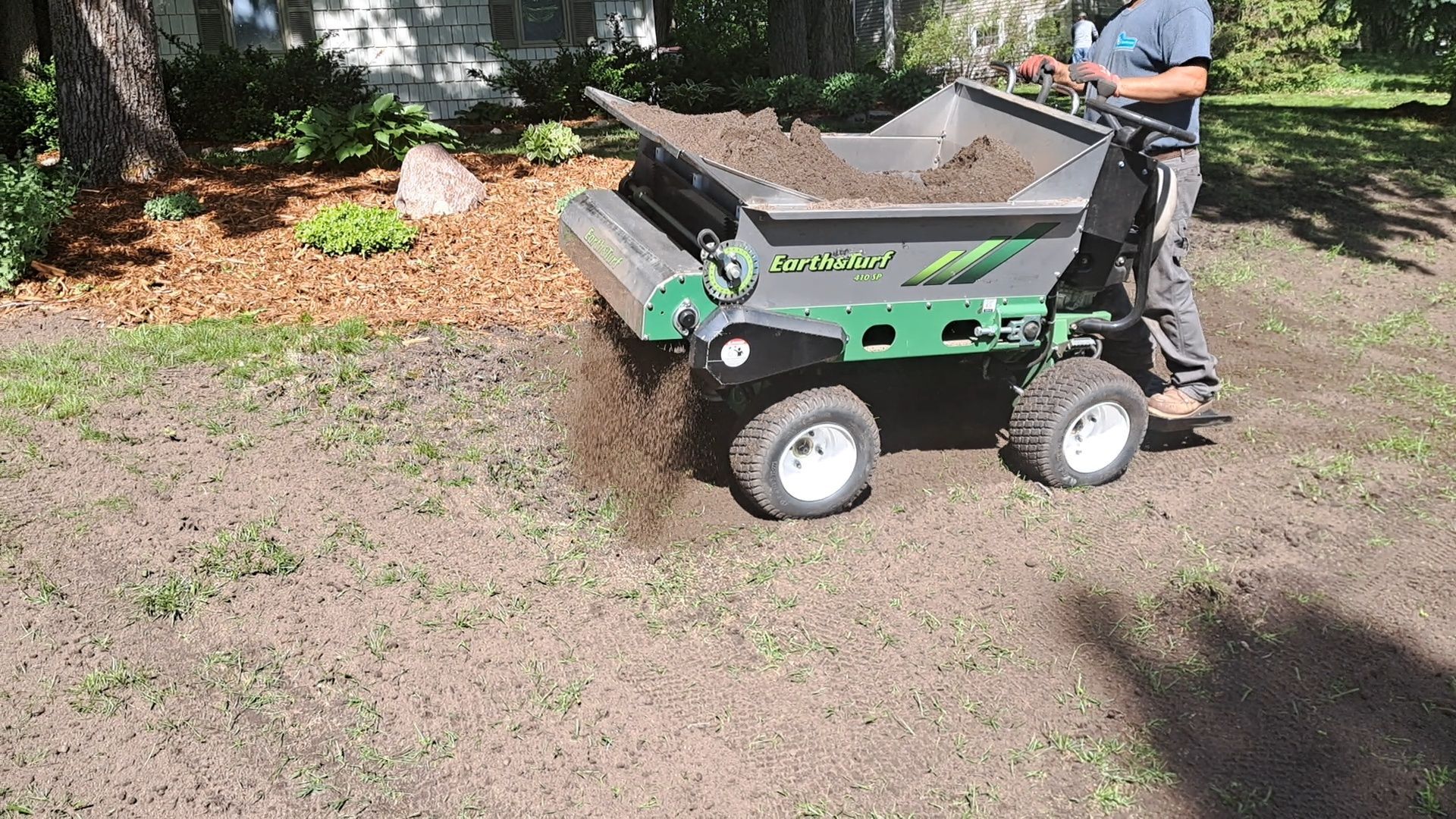
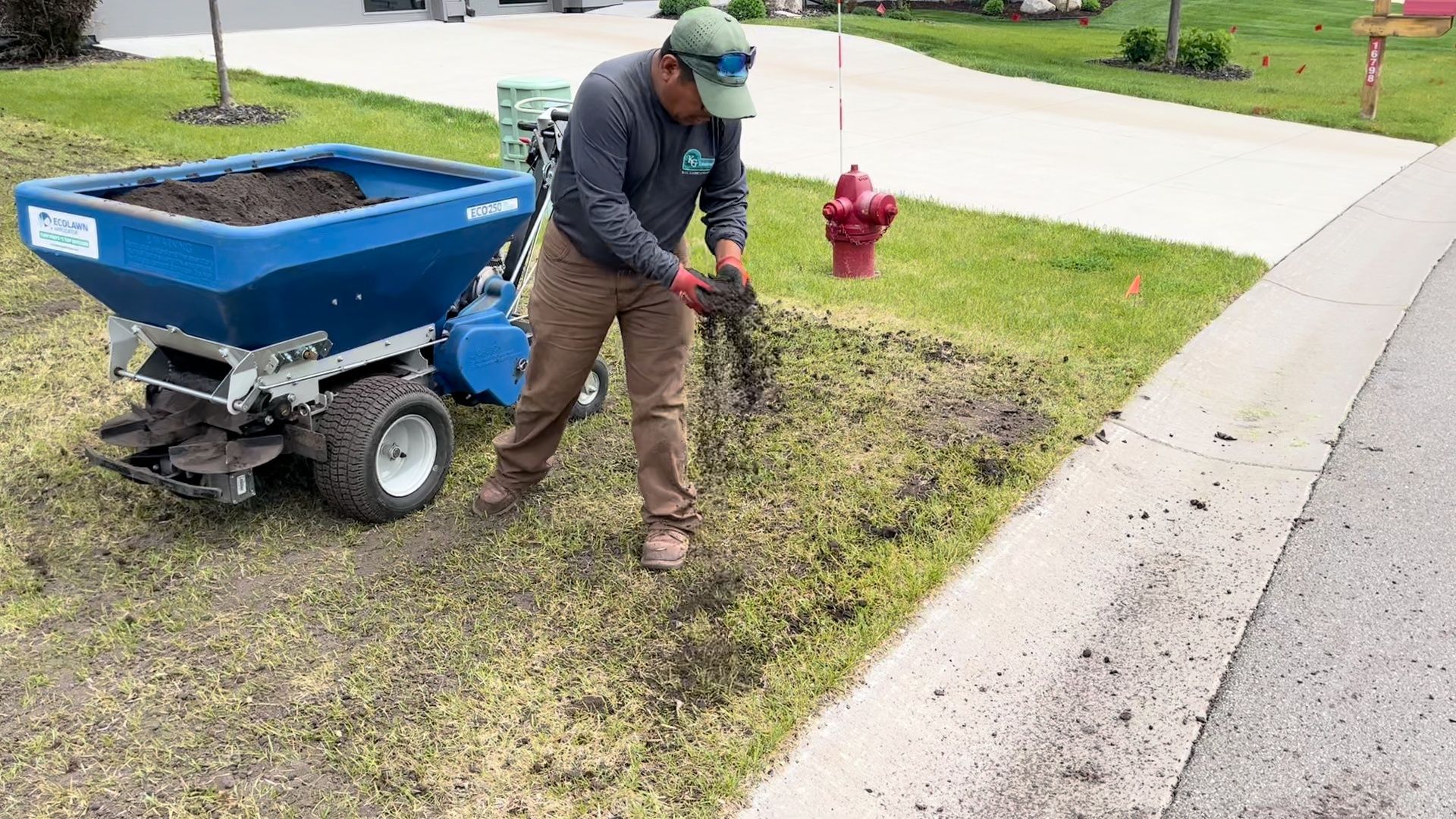
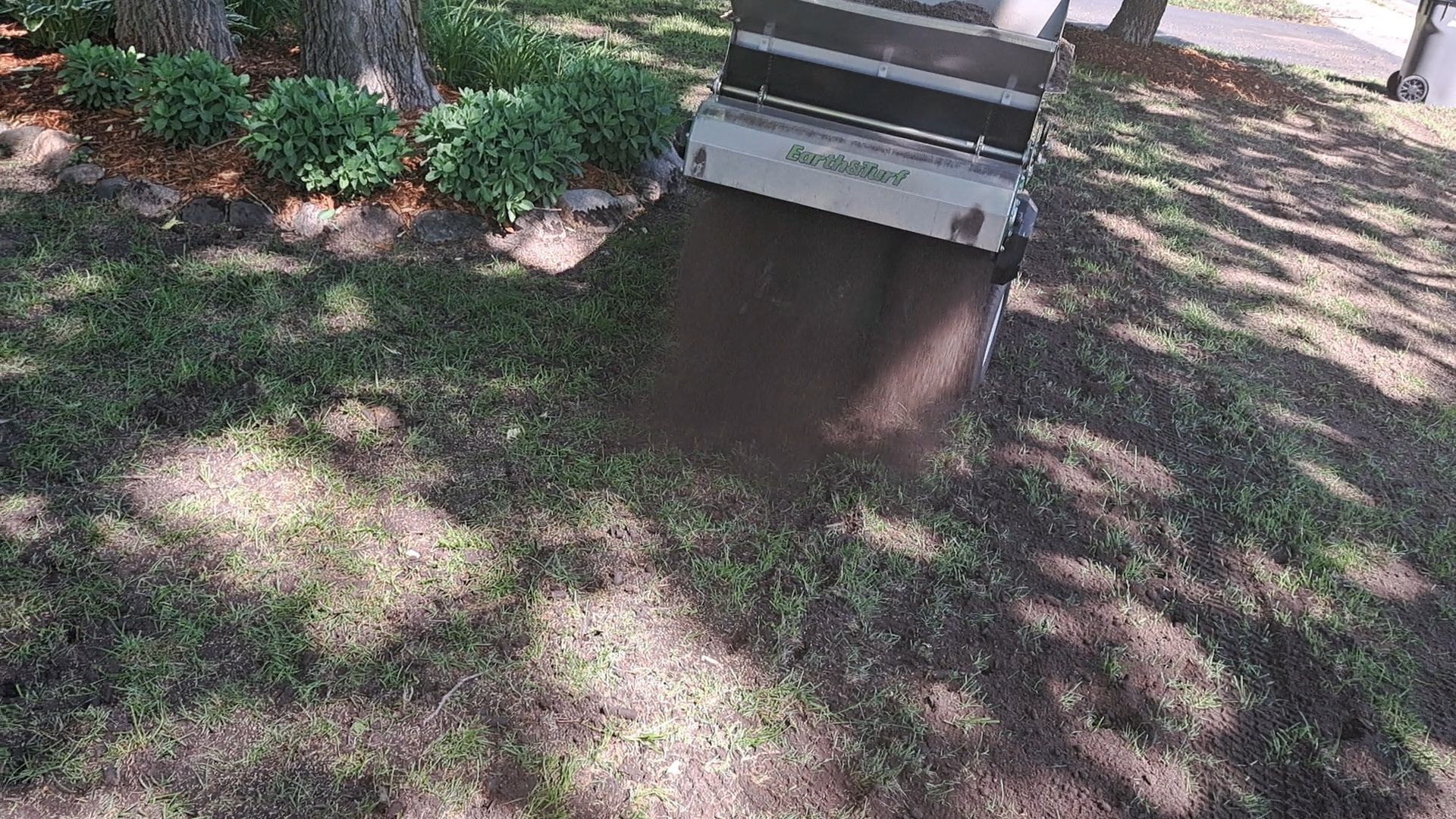
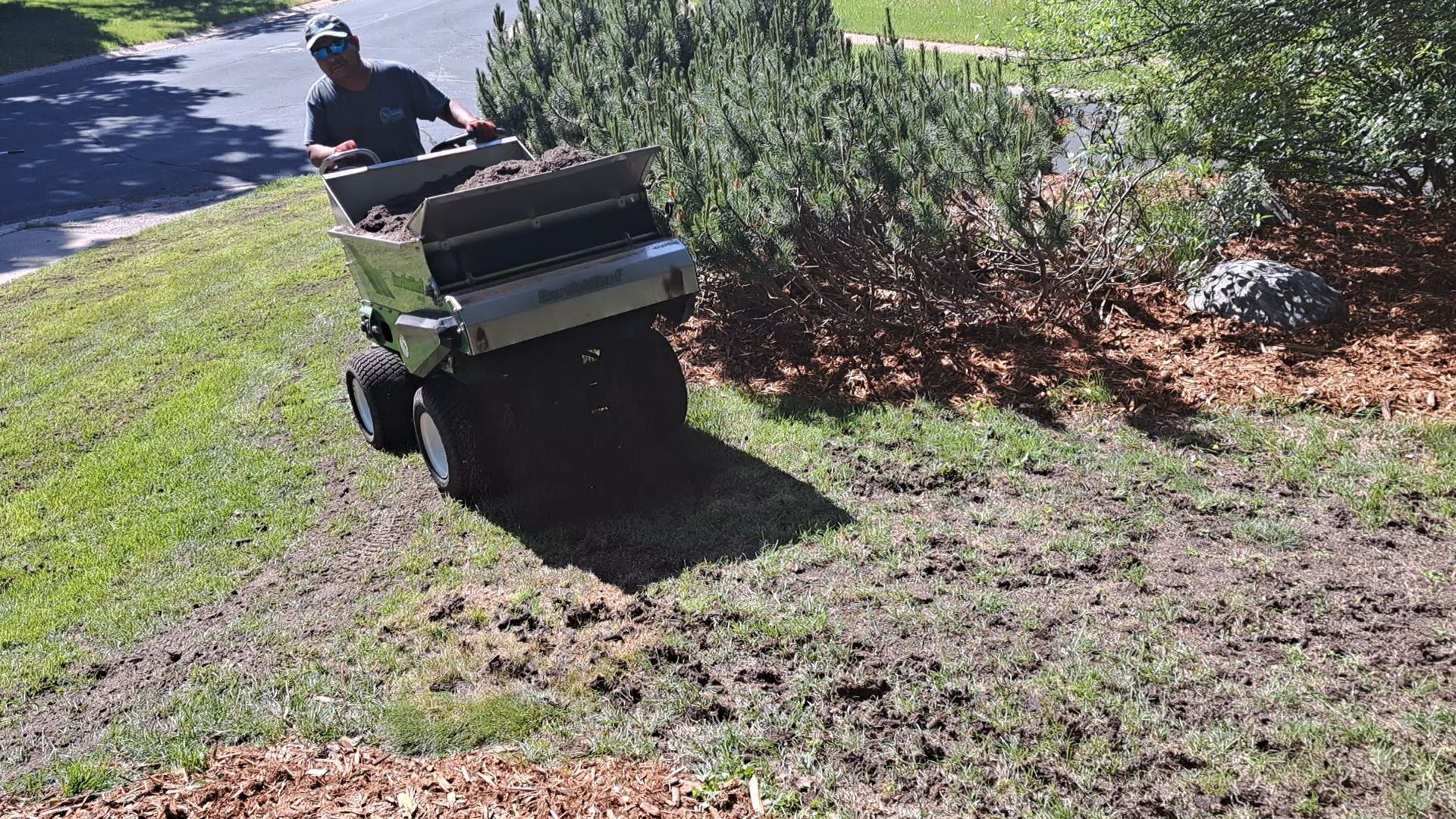
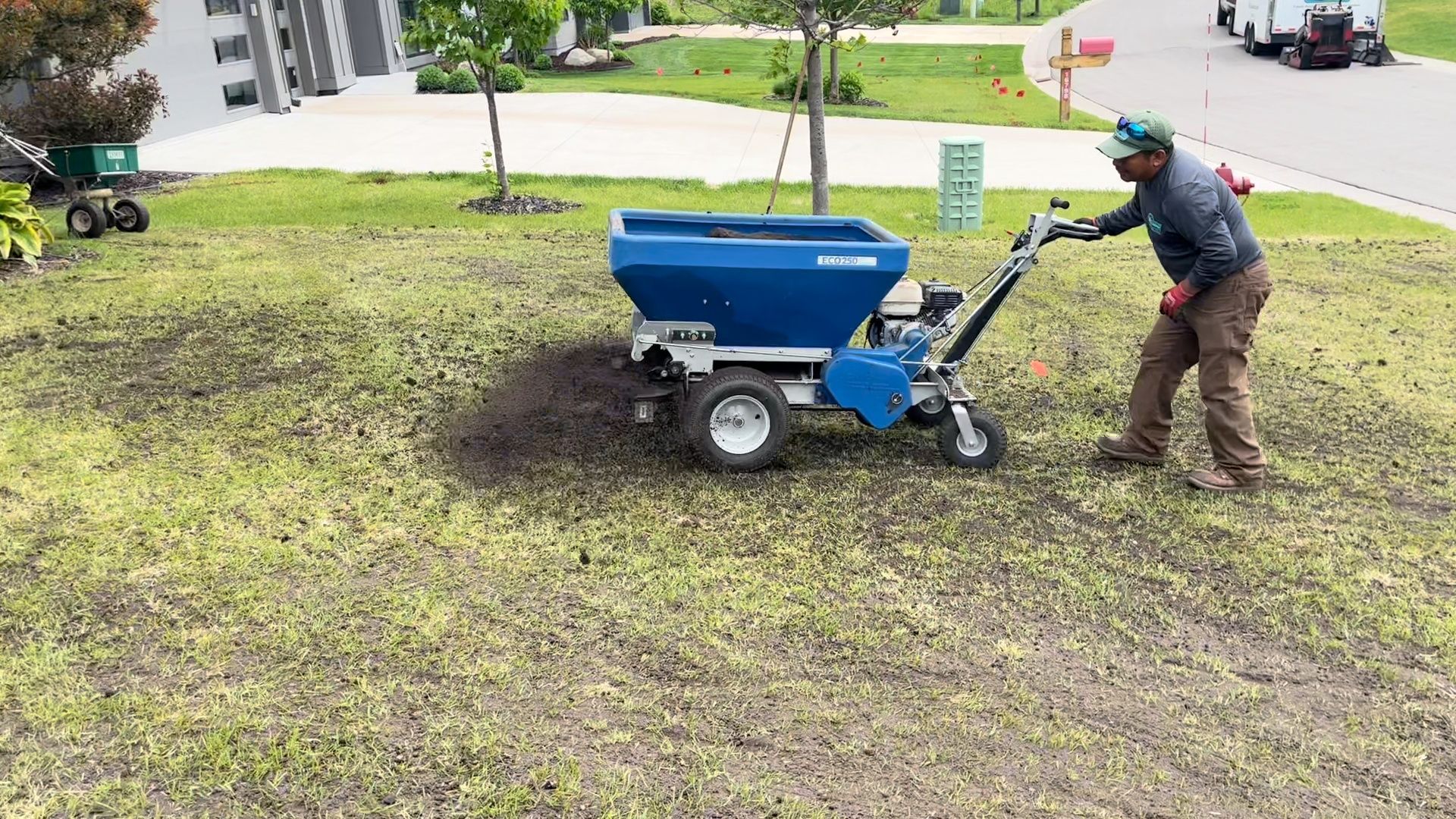
In addition to modifying the contours of the ground, we also identified an opportunity to improve its composition. Clay-based soil, which easily becomes waterlogged, is a common problem in the Twin Cities area. Not only does this make drainage more difficult, it also weakens the root system of the turf above. To help encourage healthy grass growth as well as effective drainage, we used a specially engineered sand-soil mix for improved permeability.
We were still concerned with the pressure that standing water and seepage had put on the home's foundation. To ensure that the home's gutters were effectively managing rainwater and diverting it from around the foundation, we installed two catch basins beneath the downspouts: one in the back yard, and one on the opposite side of the house. The catch basins collect roof runoff and direct it through underground drainage piping, with the back yard's basin daylighting to the rock bed in the modified berm, and the front yard's to a dedicated emitter. These systems ensure that excess water will not collect near the foundation, reducing hydrostatic pressure against the home.
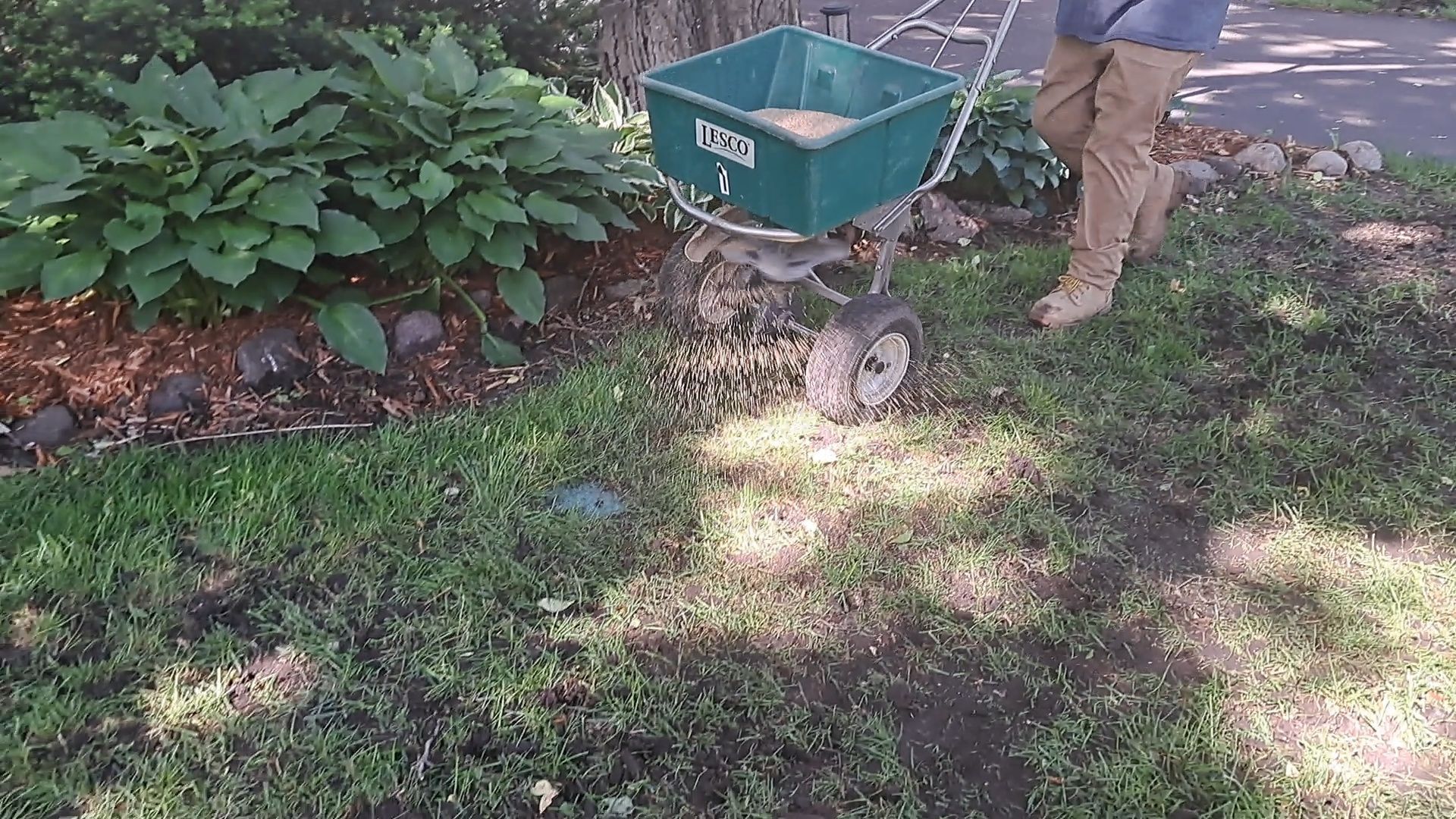
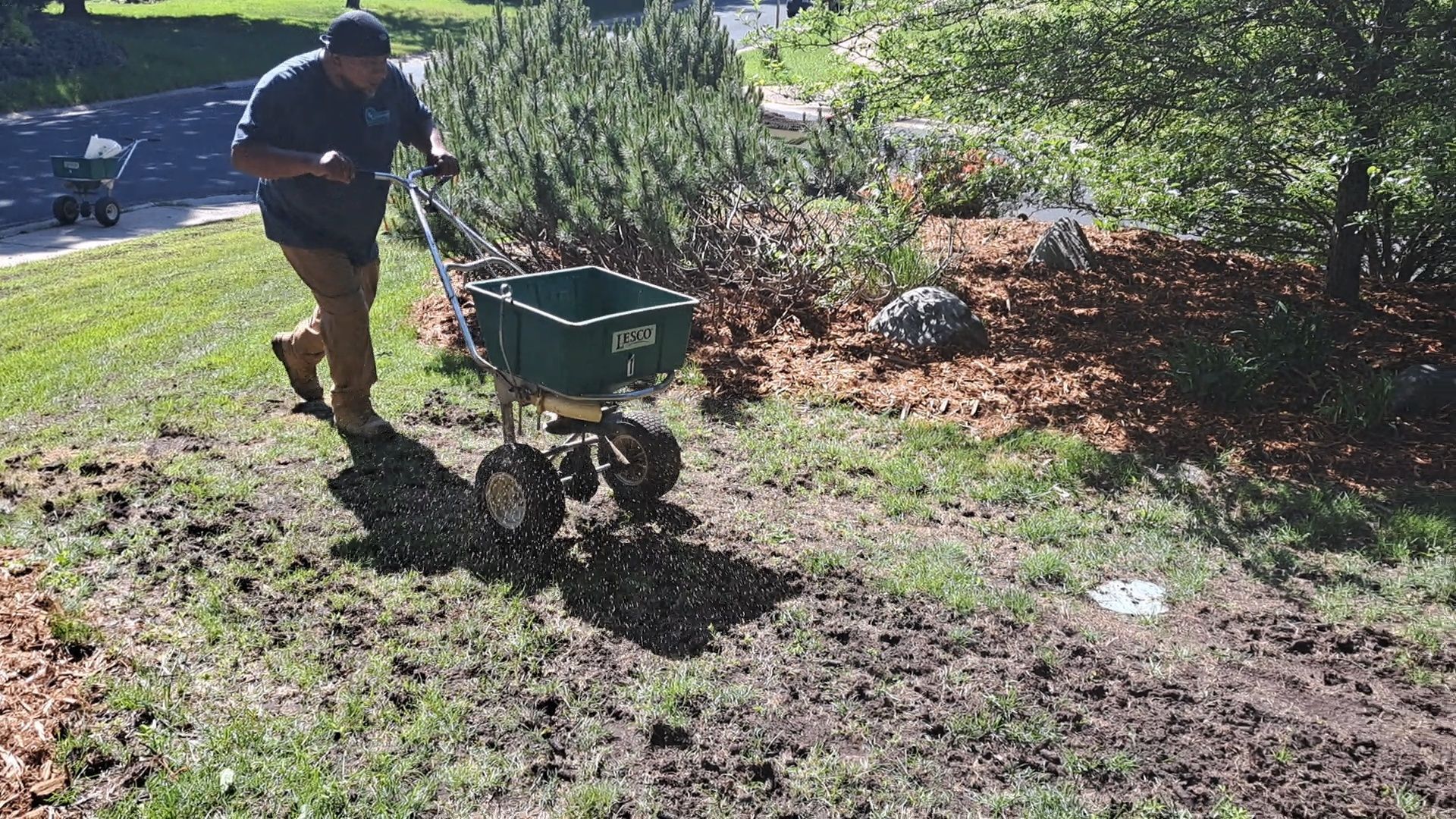
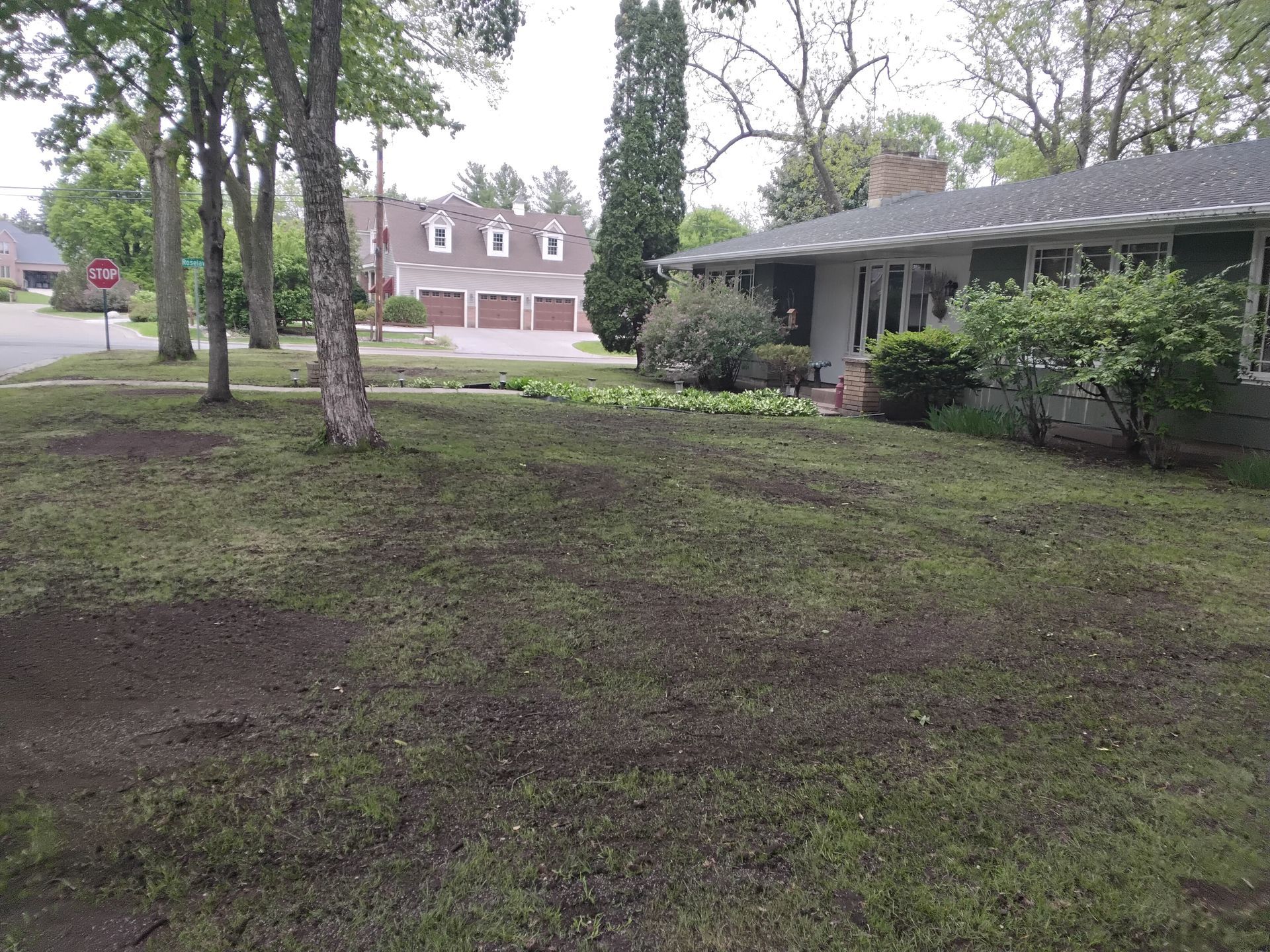
Finally, form may follow function, as Louis Sullivan said, but form matters very much as well. In order to leave the turf better than we found it, we reseeded the yard and placed straw matting down to encourage healthy growth.
Why This Worked for Our Shoreview Client
In Shoreview, we found a property that placed a premium on aesthetics, albeit at the expense of solid drainage fundamentals. The home builder had the right intentions in developing an attractive yard with varying terrain, even if the execution was not conducive to the proper drainage any home requires in the precipitation-heavy Upper Midwest. We and our client didn't want to sacrifice these features, and didn't have to. Instead, we optimized these features and ameliorated grading flaws in the rest of the yard to preserve a pleasing landscape that effectively handled rainwater.
Final Results
After our team completed its grading and drainage improvements, the yard now drains properly during rainfall. Water moves naturally from the backyard and side yard toward the swale, where it then flows safely toward the city's culvert near the front of the property.
The homeowners now have a backyard that is dry, functional, and usable throughout the season, with a significantly lower risk of standing water and flooding. Function is back ahead of form on this Shoreview property, and thanks to careful and creative solutions from the KG Landscape team, the form is as beautiful as ever.
Ready to Start on Your Next Project?
Call us at (763) 568-7251 or visit our quote page.