
Sump Pump Discharge Water Drainage Solutions
Serving the Twin Cities and Surrounding Minneapolis- St. Paul Metro Areas
Trusted Sump Pump Discharge Water Solution Experts
Protect your home and yard from water damage with properly designed underground downspout drainage systems. Since 2003, KG Landscape has helped Twin Cities homeowners eliminate soggy lawns, basement moisture, ice hazards, and erosion through thoughtful drainage planning and long-term, durable solutions.
Understanding Sump Pump Discharge Water Problems
Why Sump Pump Discharge Is Different Than Rainwater
- Water is discharged continuously, not just during rain events
- Does not have time to infiltrate and dry like normal surface water
- Can cause ongoing wet conditions days after rain has stopped
How Sump Pump Systems Typically Discharge Water
- Water pumped from interior drain tile and/or the sump basin in the basement
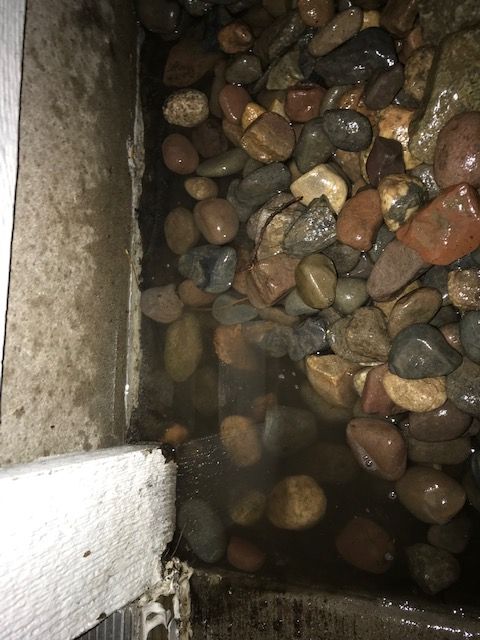
- Discharged through basement wall or through floor joist to the exterior, above soil line
- Typically empties 1–3 feet from the foundation via a horizontal PVC pipe with daylight end
Temporary Sump Pump Discharge Solutions and Their Limitations
Above-Ground Discharge Hoses
- Black corrugated or flexible plastic tubing
- Must be constantly moved to spread water out
- Visually intrusive and inconvenient
Freezing, Breakage, and Winter Risks
- Hoses prone to freezing and cracking
- Risk of blocked discharge backing water into the home
- Not a permanent or reliable solution
Challenges on Urban Lots in Minneapolis and St. Paul
City Sidewalk Constraints
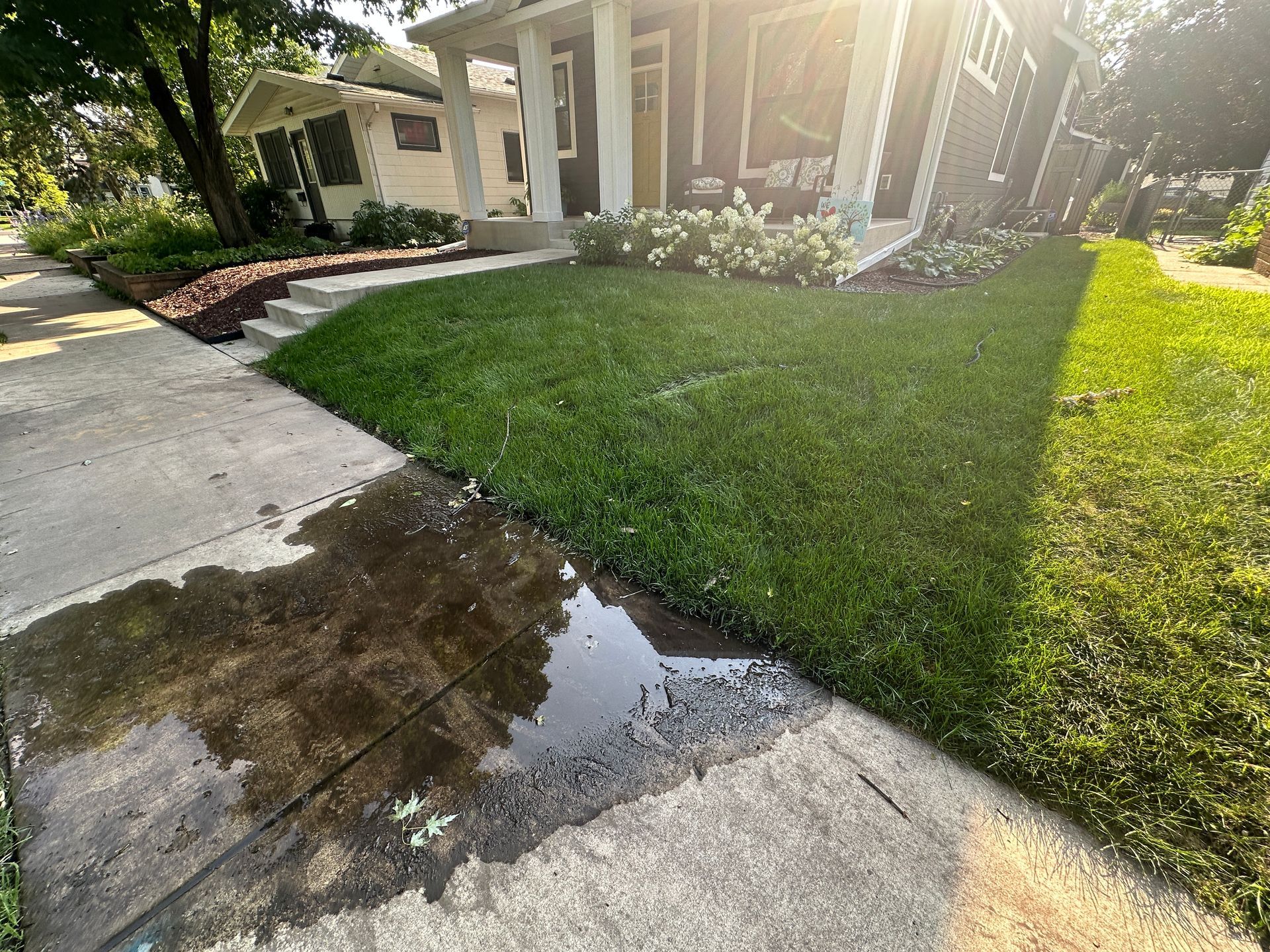
- Sidewalks often sit lower than adjacent yards, causing sump water to collect on the city sidewalk
- Daylight and pop-up discharge may flow directly onto sidewalks
- Creates puddling and ice hazards in winter on sidewalks
Limited Space for Surface Discharge
- Often no room for rain gardens or low points
- Desire to not take up useable lawn space for drainage
- Property lines and hardscape restrict options
Problems draining to Street and Alleys
- Discharging sump pump water into alleys or streets creates a constant wet flow from the property
- In winter, this discharge freezes and forms visible ice buildup
- Water directed to curb lines clearly identifies the source
- Ice accumulation blocks drainage and creates neighborhood safety hazards
Permanent Sump Pump Discharge Drainage Solutions
Daylight Drainage Discharge Systems for Sump Pump Water
A daylight discharge system allows sump pump water to exit an underground drain line directly at the surface without creating a trapped section in the pipe. Water is carried underground on a continuous slope and released at a downhill outlet, allowing it to flow away naturally from the home.
- Water exits freely with no vertical rise at the end of the pipe
- Requires adequate slope and is not suitable for flat yards
- Helps prevent standing water inside the drainage line
- Reduces freeze-thaw risk by keeping water moving
Because these systems allow uninterrupted flow, daylight discharge is our preferred method for sump pump drainage whenever site conditions allow. KG Landscape installs protective outlet caps at all discharge points, most commonly using angled grate outlets that sit flush with sloped lawns or hillsides. In naturalized or non-mowed areas, alternative low-profile caps may be used where appropriate.
See example diagram below showing how we design and install sump pump discharge drainage systems where daylight discharge methods can be used, when existing slope can be utilized.

Pop-Up Emitter Discharge Systems
Pop-up emitters are commonly used to release sump pump discharge water when a property does not have enough slope for gravity-based discharge. These systems are often shared with underground downspout drainage as part of a coordinated yard drainage plan.
Discharge Performance Depends on Elevation
For sump pump water to exit through a pop-up emitter, the underground piping must be installed with carefully planned slope.
- Pipe elevations are set so water reaches the release point without backing up
- Systems are designed to move water away from the foundation at all times
- Consistent pitch supports frequent pump cycles during wet periods
Proper elevation planning is essential for dependable operation.
Managing Residual Water in the System
Because pop-up emitters require a slight rise at the outlet, a small amount of water can remain in the line after pumping stops. Our designs account for this condition.
- Solid pipe is used near the home for foundation protection
- System layouts allow remaining water to drain gradually
- Standing water is minimized to reduce freeze-thaw concerns
These details help sump pump discharge systems perform reliably through winter.
Added Drainage Capacity Near the Outlet
In some cases, we strengthen system performance by adding subsurface drainage near the discharge location.
- Short sections of perforated pipe may be installed near the outlet
- Drainage stone provides space for water to disperse below grade
- Helps relieve pressure during prolonged or heavy pump activity
This approach improves system durability and long-term performance in Twin Cities soil conditions. See example diagram below, which shows how we include a French drain section near the outlet end of our underground sump pump discharge systems, when using pop-emitters.

Creating New Drainage Features to Hold and Absorb Water
At KG Landscape, we design new drainage features that safely hold and absorb water from sump pump discharges as part of complete landscape renovation projects. When a site lacks suitable areas to redirect water, we create new landscape features that dramatically improve the property’s ability to manage and handle excess water effectively.
Our outdoor drainage solutions are thoughtfully integrated into re-landscaping plans that may include new plantings, garden beds, patios, hardscapes, retaining walls, lighting, and more—ensuring every element works together to solve existing drainage issues while preventing future problems.
Using Rain Gardens to Manage Sump Pump Discharge
When a property lacks a natural place to direct sump pump discharge water, KG Landscape may recommend incorporating a rain garden to handle the excess flow. These planted areas are designed to collect and absorb water while enhancing the landscape.
- Temporarily holds sump pump discharge after pumping cycles
- Supports native plantings, pollinator gardens, and naturalized landscapes
- Reduces saturated lawn areas near the home
Rain gardens are carefully designed to manage water effectively while fitting seamlessly into the overall landscape plan.
Dry Creek Bed Integration for Sump Pump Discharge
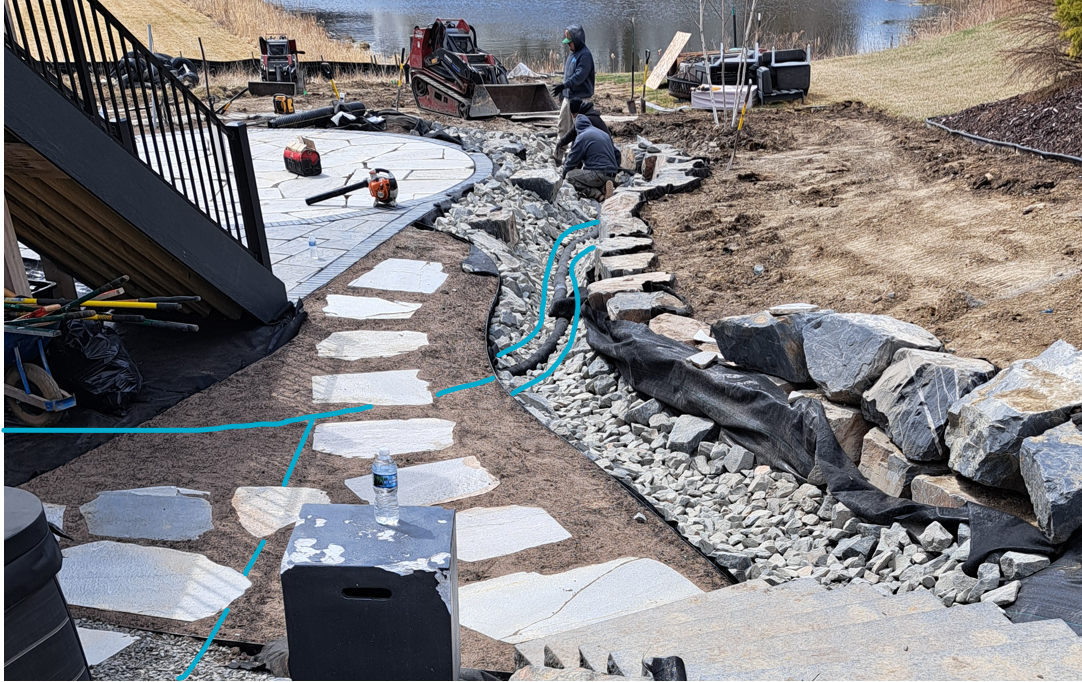
In larger landscape renovation projects, sump pump discharge water can be incorporated into a dry creek bed designed to safely manage consistent, low-volume flow.
- Designed with underground storage to handle ongoing sump pump discharge
- Integrates seamlessly into landscape redesign projects
- Helps move water away from the home without creating wet lawn areas
- Example shown from a project in
Plymouth, MN
Underground Dry Well Systems for Sump Pump Discharge
When there is no practical surface location to release sump pump discharge water, KG Landscape often recommends underground dry well systems. These systems create subsurface storage and absorption capacity for water that needs to be managed away from the home.
- Designed to capture and absorb consistent sump pump discharge
- Ideal for small or urban lots in Minneapolis and St. Paul
- Useful when rain gardens or surface outlets are not feasible
- Installed entirely below grade with no impact on usable lawn space
Dry wells allow sump pump water to be stored underground and released gradually into surrounding soils, helping prevent yard saturation and reducing the risk of water cycling back into the foundation drainage system. They are one of the most effective tools we use for managing sump pump discharge on tight city lots where outlet options are limited.
Direct Connection to City Storm Sewer Systems
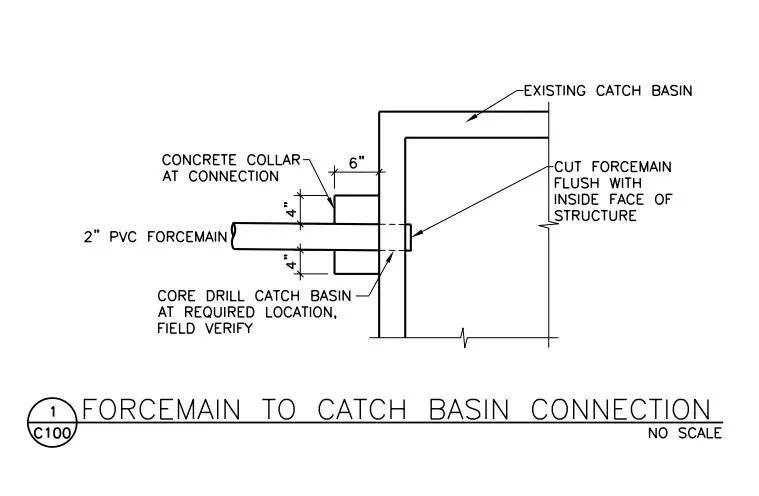
In some situations, sump pump discharge systems can be tied directly into a municipal storm sewer, providing a highly effective solution for managing large or frequently active sump pumps. When permitted, this approach offers virtually unlimited capacity for moving water away from the home.
- Connections may be made at curbside catch basins or to underground storm sewer pipes running parallel to the street
- Availability depends on local regulations, site conditions, and municipal approval
- KG Landscape has extensive experience working with cities such as Plymouth, Minnetonka, Minneapolis, Maple Grove, Edina, Golden valley, and others to obtain permits and meet all required codes
One key advantage of storm sewer connections is depth. These systems are typically installed well below grade, which significantly reduces freeze-thaw risk during Minnesota winters. In addition, the direct outlet allows water to leave the system quickly, helping keep pipes clear and further improving cold-weather reliability.
When allowed, tying sump pump discharge directly into the city storm sewer is one of the most dependable long-term drainage solutions available.
Managing Sump Pump Discharge Near Property Lines
Because sump pumps can release water continuously—even when the rest of the yard is dry—discharge locations near property lines must be handled carefully. Poor placement and poorly designed overall drainage plans can quickly create visible and ongoing issues for neighboring properties.
- Discharge points may be located near rear or side lot lines when appropriate
- Often coordinated with existing grading swales that move water through lots and the neighborhood
- Final discharge may direct water toward streets, municipal systems, or designated low areas
Neighbor-Aware Drainage Design is Key
Many residential lots are graded so water flows toward shared low areas. When one property sits higher than another, sump pump discharge will naturally travel downhill, making thoughtful planning essential.
KG Landscape prioritizes responsible design by:
- Directing water toward the downhill side of the property
- Avoiding concentrated discharge points that could cause erosion or wet spots
- Allowing water to disperse naturally rather than exit at a single outlet
- Routing discharge toward curb lines when possible
Our approach ensures sump pump water is managed effectively while respecting property lines and neighboring homes.
Integrated Drainage Systems for Sump Pump Discharge
Combining Sump Pump Discharge with Underground Downspouts
- Shared underground pipe networks
- Reduces redundancy and improves efficiency
- Keeps all roof and foundation water moving together
Integrating French Drains and Lawn Drain Tile
- Captures surface and subsurface water
- Provides a way for water held in lines to weep into soil and clear
- Prevents pooling in low or flat areas
- Designed as part of complete water management systems that includes French drains
Integrating Sump Pump Discharge with Site Grading and Regrading
- Proper grading is essential for moving sump pump discharge water away from the home once it exits underground systems
- Foundation grading helps prevent water from returning toward the basement and drain tile system
- Swales are often shaped or refined to guide water safely across the property
- Lawn areas may be re-sloped to eliminate low spots where water can collect
- Grading, drainage piping, and discharge locations are planned together as one coordinated system
This integration ensures sump pump discharge systems function as intended and remain effective long-term.
Why Integrated Systems Work Better Long-Term
- Addresses all water sources, not just one
- Utilize on skilled landscape design / install company like KG Landscape responsible for the long term success
- Reduces risk of future drainage failures
- Designed holistically for the entire property
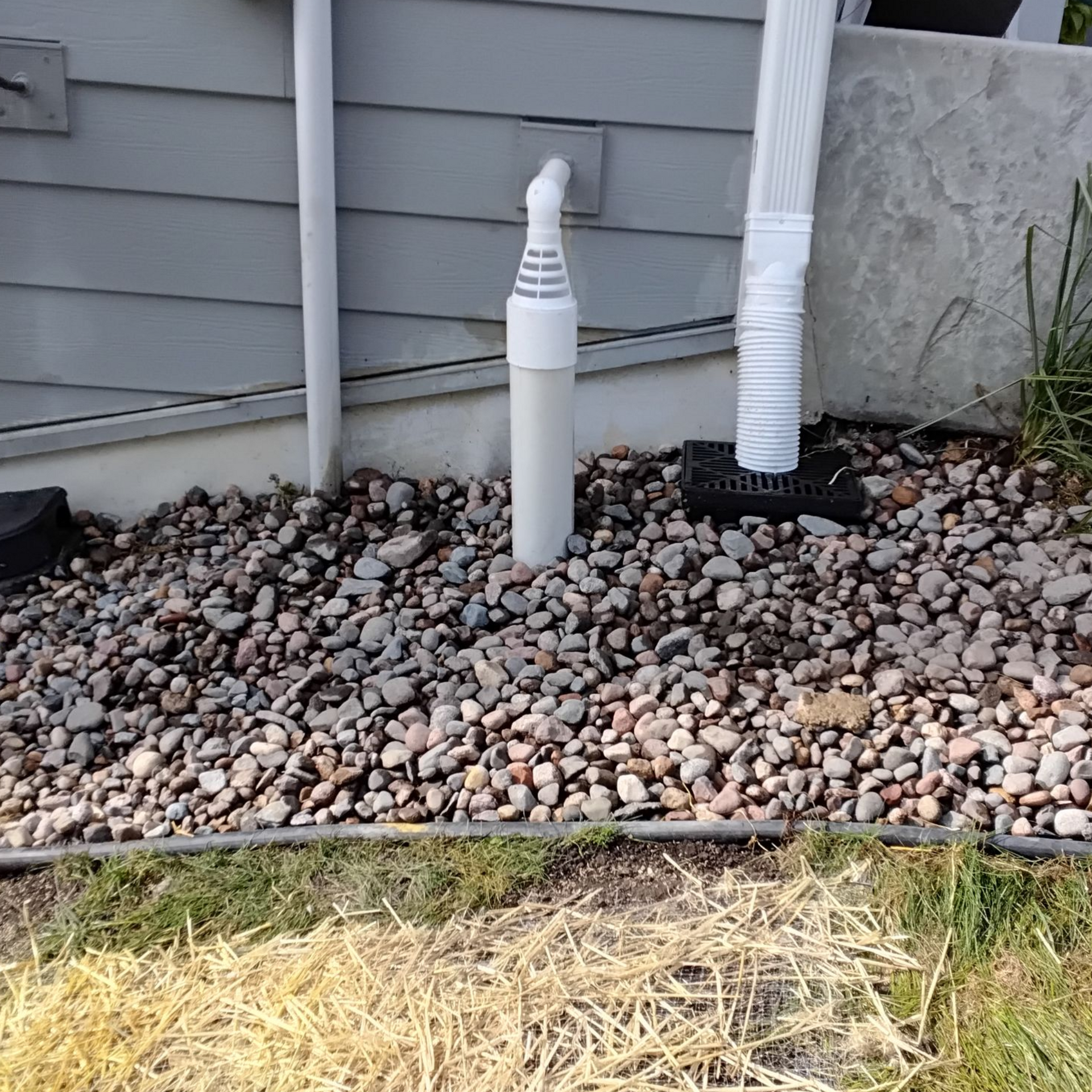
Sump Pump Discharge Project Examples
Since 2003, KG Landscape has completed hundreds of projects across the Twin Cities focused on permanently managing sump pump discharge water.
The examples below highlight real properties and walk through how our team designed and installed effective, long-term solutions—step by step—to resolve ongoing sump pump drainage issues.
Click the project links below to see how these systems were planned and built.
👉Case Study - Part # 1 How we helped a customer select the best option to fix a water pooling problem caused by a very active sump pump in South Minneapolis, MN
👉Case study - Part #2 How we created a permanent dry well solution for puddling sump pump discharge water & reduced sump pump flow for a customer in South Minneapolis
👉
Case Study - How we connected a sump pump discharge line underground into the city storm sewer in Bloomington MN
How We Design Our Sump Pump Discharge Systems and Select Materials
Designing an underground sump pump discharge system requires careful planning, proper materials, and built-in safeguards—especially in Minnesota’s climate. At KG Landscape, every system is designed to move water safely away from the home while protecting the sump pump’s ability to operate reliably year-round.
Starting at the Sump Pump Discharge
Most sump pump discharge systems begin with an existing 1.5- or 2-inch discharge pipe exiting the basement wall or floor joist above the soil line. This connection point is critical and must be handled correctly to ensure long-term performance.
- We use Schedule 40 PVC for all above-ground discharge piping
- We use 4" diameter PVC after the air gap and below ground to add capacity, freeze protection and durability.
- PVC provides strength, durability, and resistance to impact and temperature changes
- All transitions are designed to allow clear visual confirmation of water flow
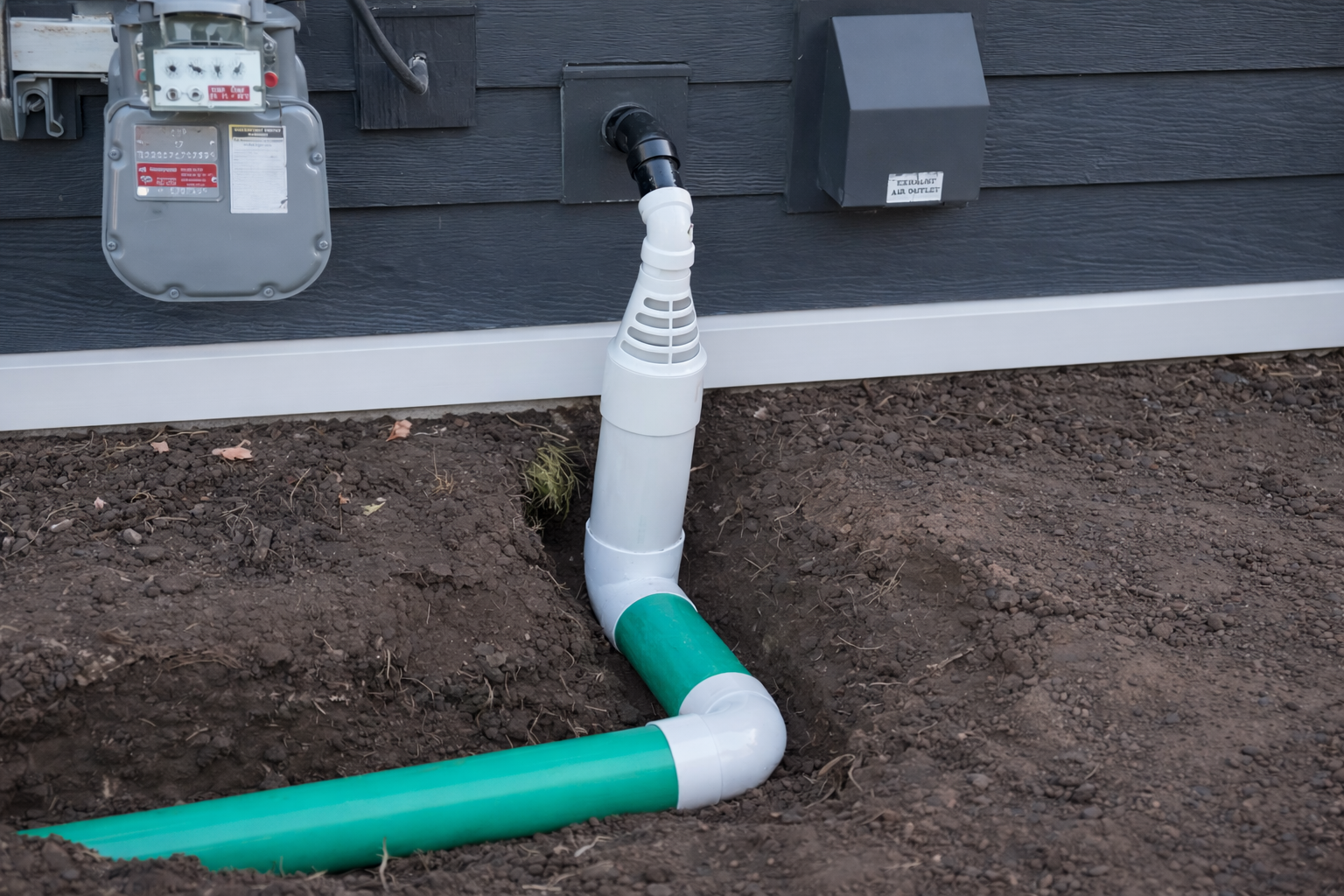
Air Gap (Frost Guard) Protection
Every sump pump discharge system we install includes an air gap, also known as a frost guard.
- Allows you to visibly see water leaving the home
- Protects the sump pump if underground lines were ever to freeze
- Ensures water always has a path to exit the system
- Essential for cold-weather reliability in Minnesota
This air gap allows the sump pump to continue operating even in extreme winter conditions, adding an important layer of redundancy to the system.
Underground Pipe Routing Near the Home
From the air gap, the discharge transitions vertically underground and then turns away from the foundation.
- A vertical PVC drop connects to a 90-degree elbow
- Pipe is routed away from the home with proper slope
- Solid pipe is always used for the first 15 feet from the foundation, never perforated close to foundations
This near-house section is built with extra durability to protect against frost movement, surface activity, and future landscaping or planting work. The area closest to the home is the last place a failure should ever occur, which is why stronger materials are always used here.
Transition to Perforated Pipe and Final Discharge
Once the system extends safely beyond the foundation zone, materials are selected based on how and where the water will ultimately be discharged.
- Systems typically transition to perforated corrugated pipe after 15 feet
- Perforations allow water to release gradually into surrounding soil and helps add freeze protection
- Pipe continues underground to its final discharge point
Final discharge options may include:
- Daylight outlets
- Pop-up emitters
- Underground dry well systems
The exact configuration depends on yard slope, soil conditions, available space, and whether the sump pump discharge is being integrated with other drainage systems such as downspouts or French drains.
Common Sump Pump Discharge Mistakes We Help Homeowners Avoid
After more than 20 years of designing sump pump discharge systems in the Twin Cities, we’ve seen a consistent set of issues that lead to winter failures, wet yards, and basement flooding risks.
Directly Connecting to Underground Pipe Without an Air Gap
- Against code and one of the highest-risk mistakes
- If the underground line freezes or fails, the sump pump cannot discharge
- Can lead to basement flooding when water has no exit path
A properly installed air gap protects the sump pump and provides a visible, safe outlet.
Incorrect Pipe Slope and Elevation
- Flat or inconsistent pitch allows water to sit in the pipe
- Standing water increases freeze risk and system failure
- Poor elevation planning can cause water to back up toward the home
Discharging Too Close to the Foundation
- Saturates soil near the basement walls
- Allows water to recycle back into drain tile systems
- Causes sump pumps to run more frequently than necessary

Air Gaps Installed Too Low
- Easily blocked by snow and ice
- Should be installed a minimum of 6 inches above grade
- Low placement defeats the safety purpose of the air gap
Using Temporary Hoses as a Long-Term Solution
- Flexible hoses trap water and lack consistent slope
- Prone to freezing, cracking, and failure in winter
- Not designed for permanent sump pump discharge
Why Professional Design Matters
Sump pump discharge systems move water consistently, not just during rain events. Proper materials, elevations, freeze protection, and redundancy are essential. Professional design ensures water is handled safely, legally, and reliably—without creating new problems for your home or yard.
Benefits of Underground Downspout Drainage
Why Homeowners Choose Underground Gutter Drainage Systems
Underground downspout drainage systems solve multiple outdoor drainage problems at once. When properly designed and installed, they improve safety, protect structures, and create a cleaner, more functional yard—especially in Twin Cities soil and weather conditions.
Protects Foundations and Structures
- Moves roof runoff away from the foundation
- Reduces soil saturation near basement walls
- Helps prevent moisture intrusion and long-term foundation issues
Eliminates Trip Hazards
- Removes above-ground downspout extensions from walkways
- Keeps sidewalks, patios, and paths clear and accessible
- Improves safety around garages and entry areas
Reduces Ice Buildup in Winter
- Prevents water from freezing on sidewalks and driveways
- Reduces slip hazards during freeze-thaw cycles
- Keeps winter runoff directed away from pedestrian areas
Prevents Mulch and Soil Erosion
- Stops water from washing mulch onto sidewalks
- Protects planting beds and foundation landscaping
- Reduces erosion caused by concentrated roof runoff
Cleaner, More Functional Yard Space
- Eliminates soggy lawn areas near downspouts
- Keeps patios and outdoor living spaces dry
- Improves overall appearance and usability of the yard
About the Expert

Kent Gliadon is the founder of KG Landscape and a graduate of the University of Minnesota’s Landscape Design program. Since 2003, he has specialized in designing, constructing, and installing underground drainage systems as part of integrated outdoor water management solutions for residential properties throughout the Twin Cities.
Kent focuses on resolving drainage problems in existing landscapes—such as basement moisture, soggy yards, and water damage to patios and walkways—while also integrating proactive drainage solutions into new landscape design-build projects to prevent future issues and protect homes and landscape features long into the future.
Why KG Landscape Is the Right Choice for Sump Pump Drainage
Designed for Twin Cities Soils and Climate
- Clay soils
- Freeze-thaw cycles
- Urban and suburban lot constraints
- Over 20 years of experience and taking care of our customer
Permanent, Long-Term Solutions
- No temporary hoses
- No recurring maintenance issues
- Built to last for decades
- Planned holistically with new landscaping projects
Our Process
Managing sump pump discharge water requires a different approach than typical yard drainage.
At KG Landscape, we focus on designing permanent, reliable sump pump discharge systems that move water away from the home, prevent recycling back into the foundation, and perform consistently through Minnesota’s wet seasons and winters.
On-Site Sump Pump Drainage Evaluation
Each sump pump discharge project begins with an on-site evaluation that focuses on where water leaves the home and how it moves across the property after discharge.
- Site visit pricing generally falls between $90 and $150, depending on project scope and location
- One of our drainage professionals visits your home to review conditions firsthand
- We examine how often the sump pump runs, where water is currently released, and how the soil and grading respond
- Areas affected by ongoing moisture, standing water, or water cycling back toward the foundation are identified
- Multiple solution approaches are reviewed, ranging from basic improvements to more comprehensive drainage systems
- General budget expectations are discussed during the visit to help guide next steps
If you decide to move forward with the recommended work, the cost of the evaluation is fully credited toward the installation.
System Design & Drainage Planning
Once the site review is complete, we develop a custom sump pump discharge plan based on the specific conditions of your property.
- A detailed, fixed-price proposal is provided outlining the recommended work
- A $3,500 project minimum applies to sump pump discharge and yard drainage installations
- Discharge locations, pipe paths, elevations, and materials are selected with precision
- System options may include underground discharge piping, gravity outlets, rain gardens, dry well systems, or integrated drainage networks
Each system is designed to perform reliably over time and remain effective through Minnesota’s winter conditions.
Installation by Experienced Drainage Crews
Our field crews install sump pump discharge systems using carefully developed plans tailored to each property.
- Drain lines are set with consistent fall to ensure water flows freely away from the home
- Grade and elevation are verified using professional leveling equipment
- Piping materials are chosen to withstand continuous water discharge and Minnesota conditions
- Installations are engineered to reduce freezing concerns and limit long-term upkeep
System Verification & Ongoing Reliability
Before the project is wrapped up, each sump pump discharge system is reviewed to ensure it is operating properly.
- Water movement and discharge points are tested for proper performance
- Protective features designed to reduce freeze risk and backflow are confirmed
- The system is evaluated to make sure water is being directed safely away from the home and yard
KG Landscape takes responsibility for the work we install. Our sump pump discharge systems are built for long-term reliability, and many homeowners contact us years later for additional drainage or landscape projects after seeing how well their system has performed.
Our Service Area
KG Landscape designs and installs permanent sump pump discharge and underground drainage solutions for residential properties throughout the Twin Cities metro. Our systems are engineered for Minnesota’s clay soils, flat yards, urban constraints, and freeze-thaw conditions—ensuring sump pump water is managed safely and effectively year-round.
We work with homeowners across the Minneapolis–St. Paul area, including:
Frequently Asked Questions About Sump Pump Discharge Drainage
1. Where should sump pump water be discharged in Minnesota?
In Minnesota, sump pump water should be discharged far enough from the home so it cannot flow back toward the foundation or re-enter the drain tile system. Ideal discharge locations include naturalized areas, rain gardens, curb lines, or underground dry well systems. The best option depends on yard slope, soil conditions, and local constraints such as sidewalks and property lines.
2. Is it bad to discharge sump pump water close to the foundation?
Yes. Discharging sump pump water near the foundation can saturate the soil around the home and increase the risk of basement moisture problems. In clay soils common throughout the Twin Cities, this water does not drain well and can recycle back into the sump system, causing the pump to run more frequently and increasing wear on the system.
3. Can sump pump discharge water be run underground?
Yes. Running sump pump discharge water underground is one of the most effective ways to manage constant water flow. Underground piping allows water to be routed to a safe discharge location such as a daylight outlet, pop-up emitter, rain garden, or dry well, reducing wet yard areas and protecting the foundation.
4. Why does my sump pump keep running even days after it rains?
Sump pumps in the Twin Cities often run long after rain events due to clay soils that drain slowly and because discharged water is soaking back into the ground near the home. If the discharge point is too close to the foundation, the system can continually recycle the same water, keeping the pump active even when the rest of the yard has dried out.
5. What is the best solution for sump pump discharge on small or urban lots?
On small or urban lots—especially in Minneapolis and St. Paul—space limitations and sidewalks often prevent surface discharge options. In these cases, underground dry well systems or integrated drainage systems are often the best solutions. These systems store and slowly absorb sump pump discharge water underground while keeping the yard surface fully usable.
6. Can underground sump pump discharge systems freeze in the winter?
When properly designed and installed, underground sump pump discharge systems are extremely unlikely to freeze, even during Minnesota winters. Sump pump water originates from inside the home, where temperatures are well above freezing, and continuous water movement through properly pitched piping helps keep systems functioning in cold weather.
At KG Landscape, we design every sump pump drainage system with freeze prevention as a priority. This includes maintaining proper pipe slope, ensuring clear and unobstructed discharge points, and incorporating dry well systems that extend below the frost line when needed. We also install an air gap at the sump pump discharge, allowing water to exit the system even in the unlikely event of a blockage.
After more than 20 years of designing and installing sump pump drainage systems throughout the Twin Cities, we have never had a customer report a system freezing and failing during the winter.
Request an On-Site Yard Drainage Evaluation
If sump pump discharge is leaving wet areas around your home or causing ongoing yard drainage problems, KG Landscape can help. We offer on-site sump pump discharge evaluations designed to identify permanent, reliable solutions for managing this water safely.
A drainage specialist will review how your sump pump operates, where water is released, and how it moves across your property. We’ll explain the best options for your site and provide general cost guidance so you can decide how to move forward.
When appropriate, a written proposal is provided, and the evaluation fee is applied toward installation if you proceed.