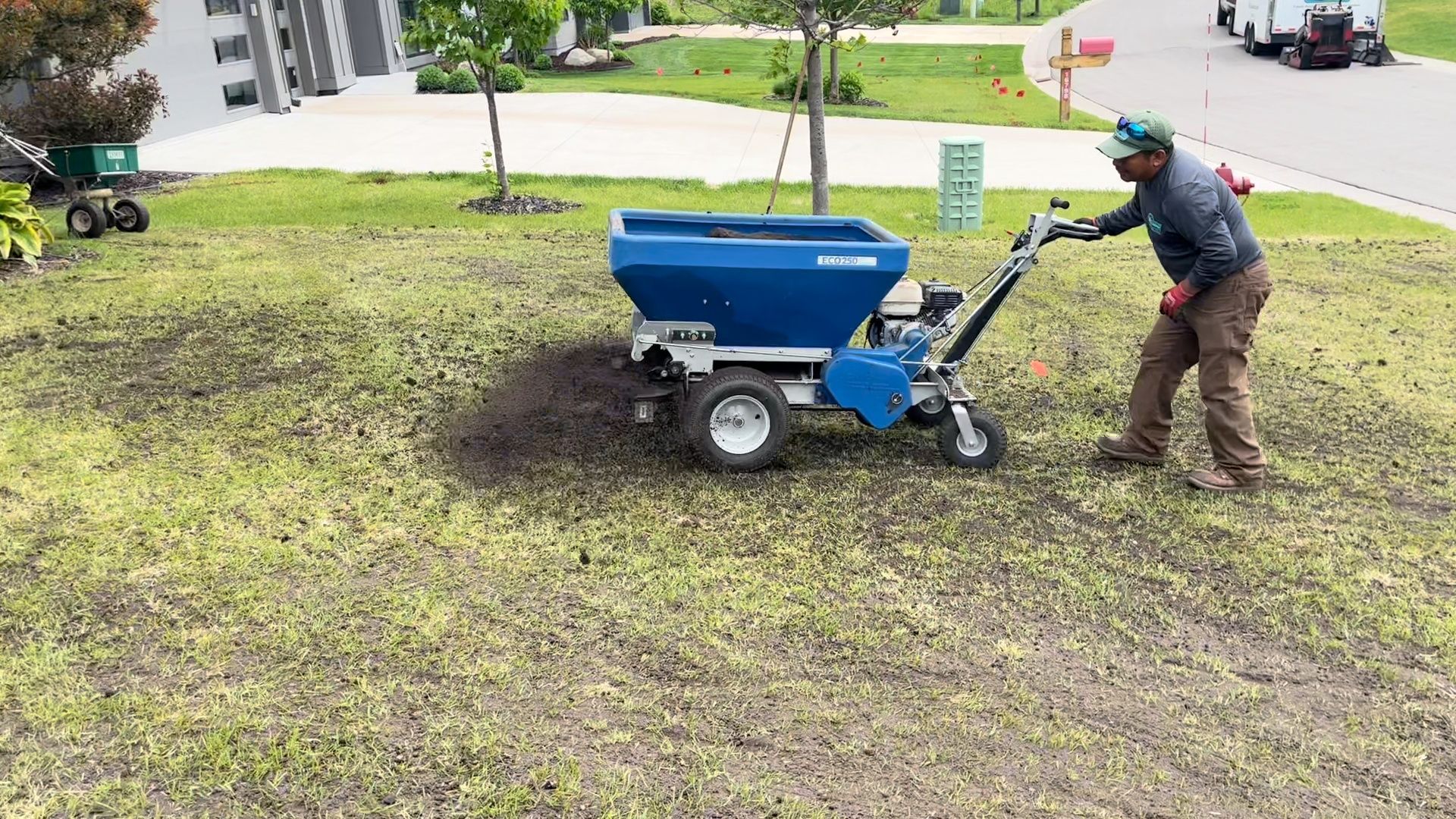
Organic Weed Control for Minnesota Lawns: What Actually Works
What Organic Weed Control Really Means
Let me set the right expectation before we start, because organic weed control is where a lot of homeowners get sold a fantasy. There is no certified-organic product that kills the broadleaf weeds in your lawn without also killing the grass. So real organic weed control isn't about eradicating every dandelion. It's about managing weeds organically: crowding most of them out, knocking back the rest with the limited tools that genuinely work, and accepting a little imperfection in trade for a chemical-free yard.
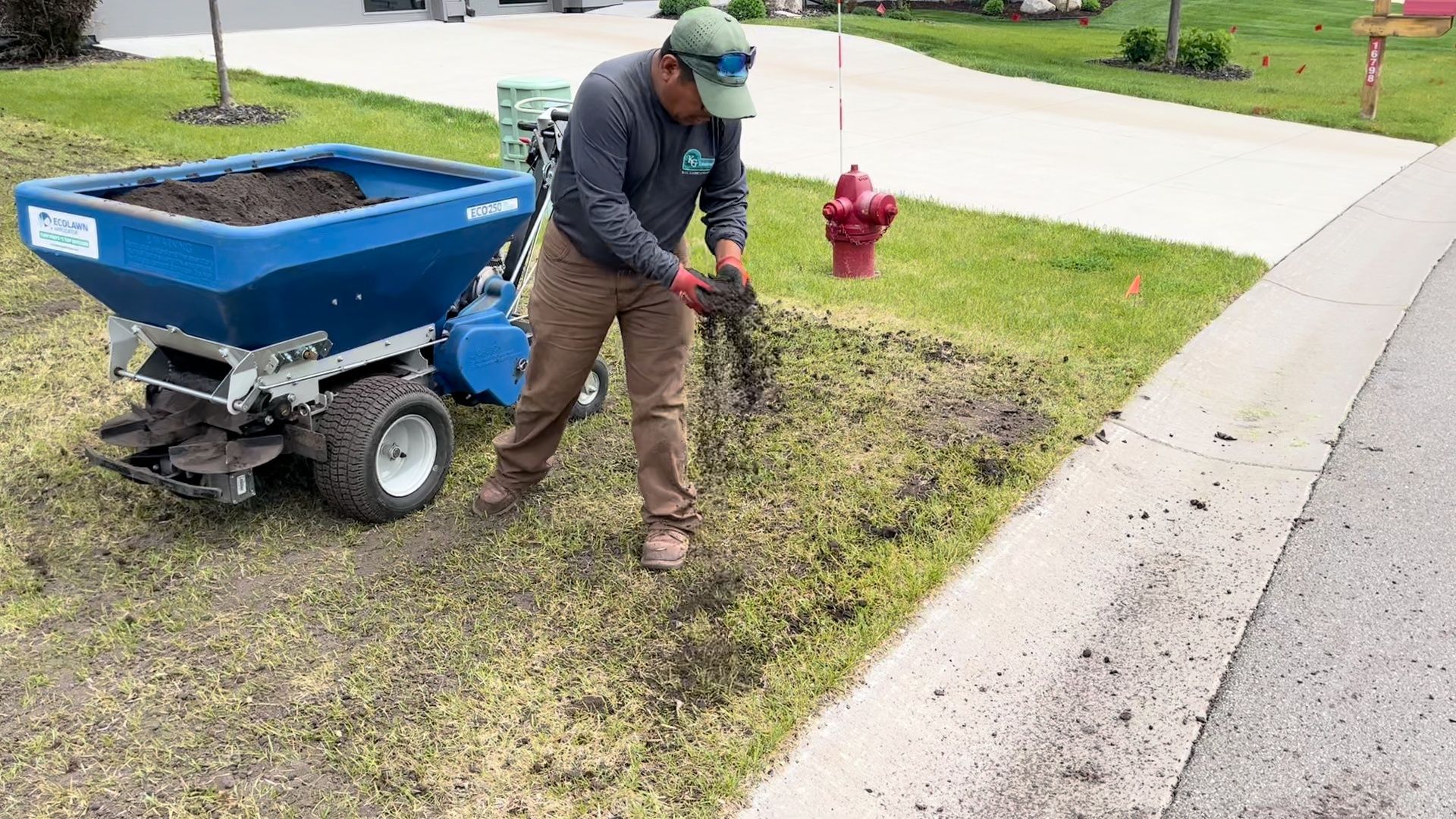
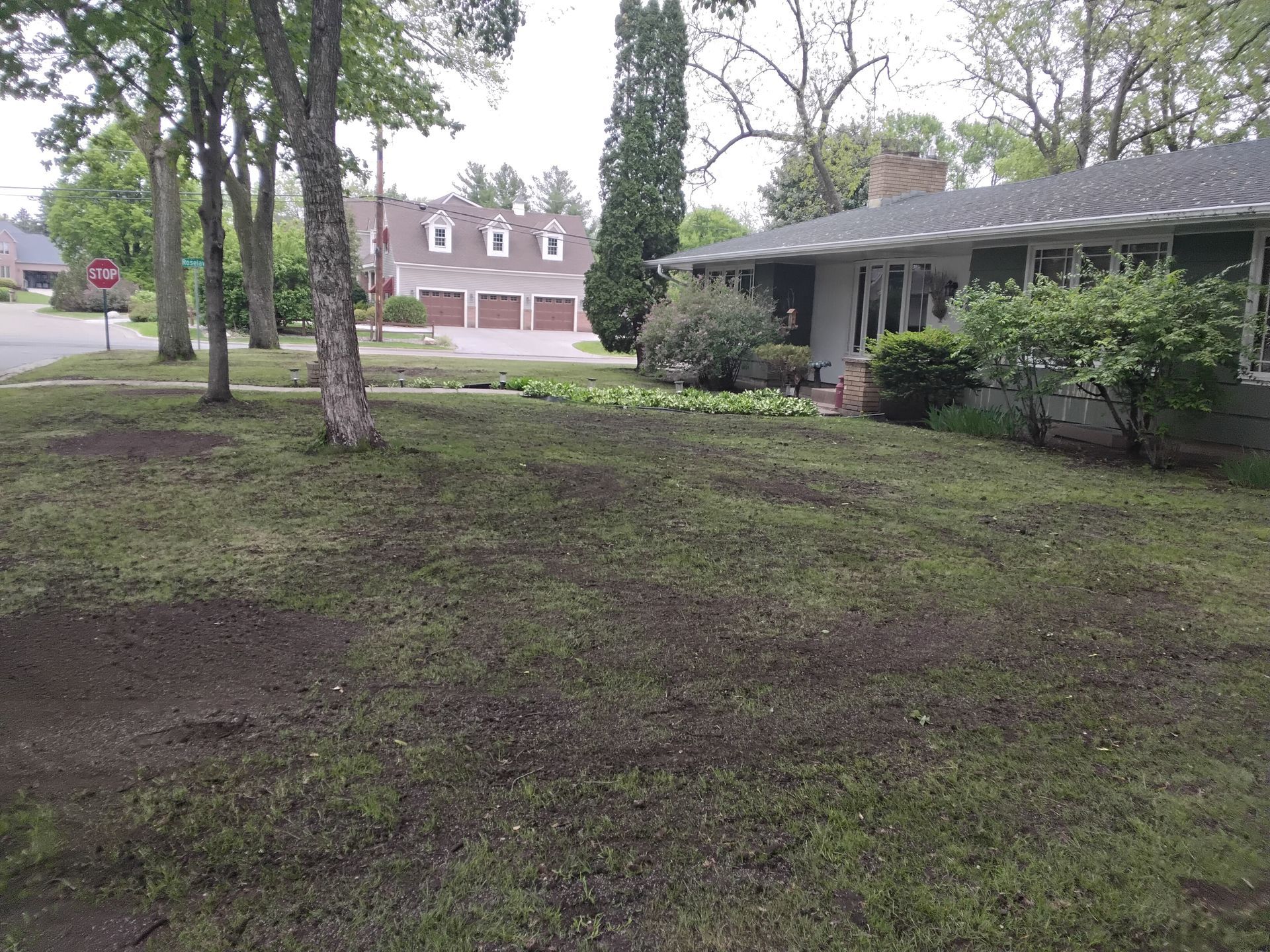
The good news is that the most effective organic weed control isn't a product at all, it's a healthy, thick lawn, which is exactly what our organic lawn program is built to grow. Weeds are opportunists. They move into bare, thin, struggling turf, so they're as much a symptom as a problem. Fix the lawn and you've prevented most of your weed problem before it ever starts. The rest of this guide is how we actually do it, weed by weed and tool by tool, and where the honest limits are. If you want the bigger picture, our lawn care page covers the full approach.
Know Your Weeds: Annual vs. Perennial
Before you reach for any organic fix, it pays to know what you're actually fighting, because the right approach depends entirely on the weed. The weeds in your lawn fall into two camps, and they call for different tactics.
Annual weeds, with crabgrass being the big one here in Minnesota, grow fresh from seed every year and die off in fall. You beat annuals by stopping the seeds from germinating in the first place, which is exactly where a pre-emergent like corn gluten and a thick, shading lawn both come in. Perennial weeds are the tougher problem. Dandelions, plantain, white clover, and the Minnesota homeowner's nemesis, creeping charlie, all come back year after year from established roots and runners. No organic spray takes those out cleanly, so the organic answer for perennials is digging them out, pulling them when the soil is moist, and crowding them with dense turf over time. Knowing which kind you've got tells you whether you're playing prevention or defense, and it keeps you from wasting an organic product on a job it simply can't do.
The Best Organic Weed Control Is a Thick Lawn
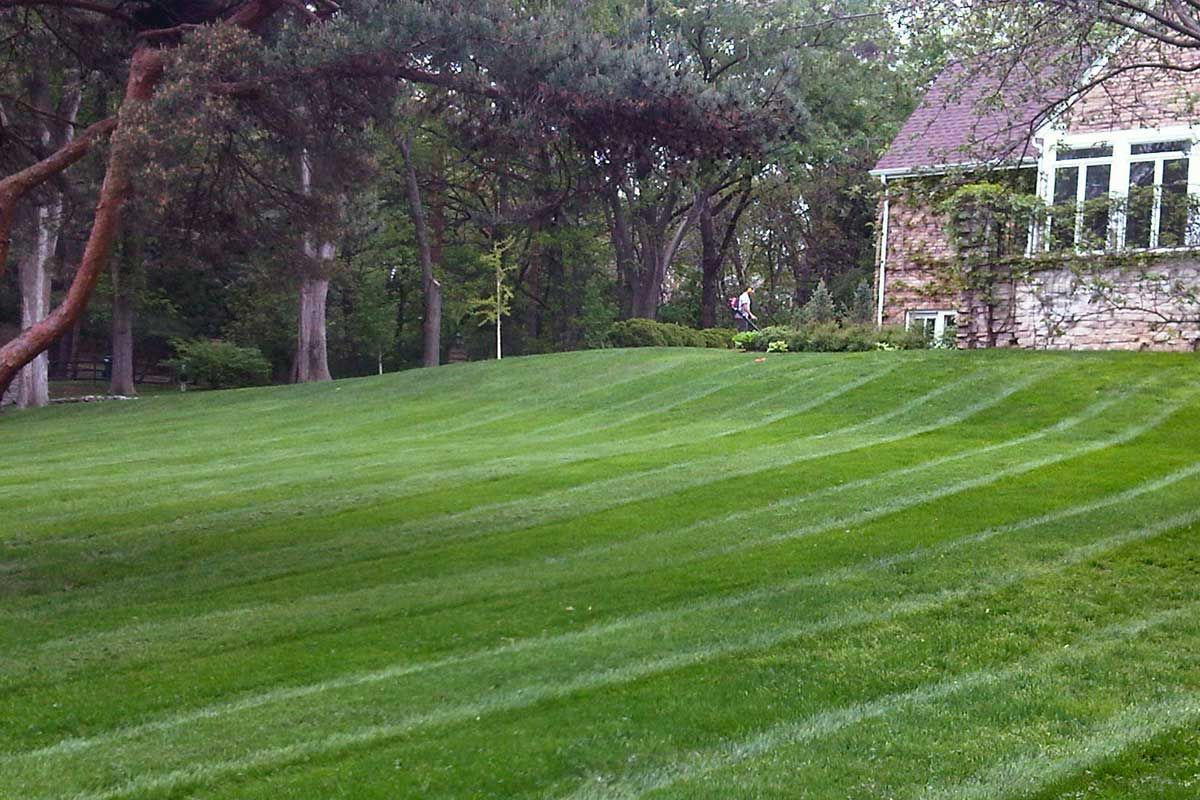
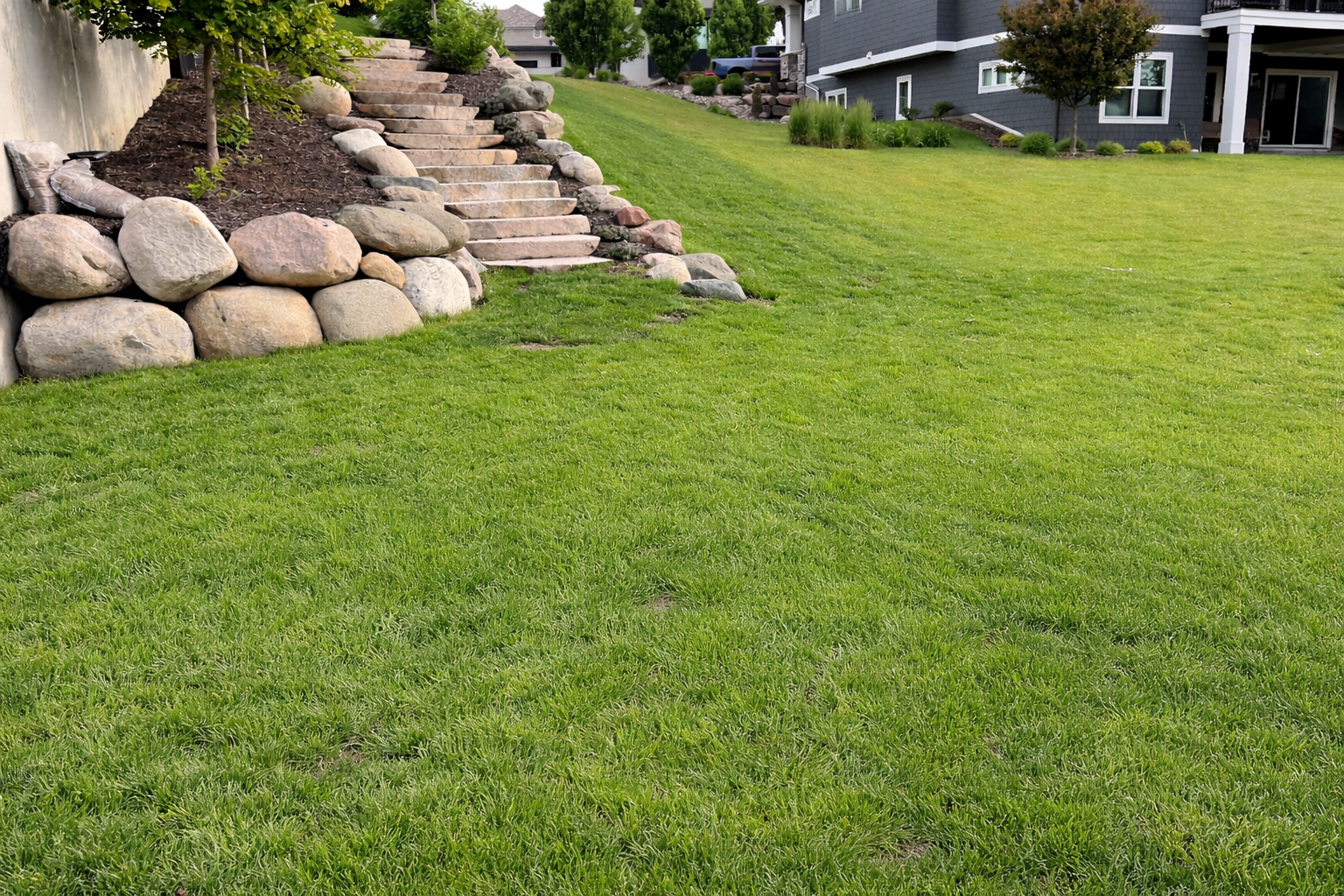
The single best organic weed control is a lawn so thick that weed seeds never get the light and space they need to sprout. That's not a slogan, it's how turf actually works. Most weed seeds need sun on bare soil to germinate, so a dense canopy is a physical barrier between the seed and the conditions it wants. Get the lawn healthy and you starve the weeds out before they start.
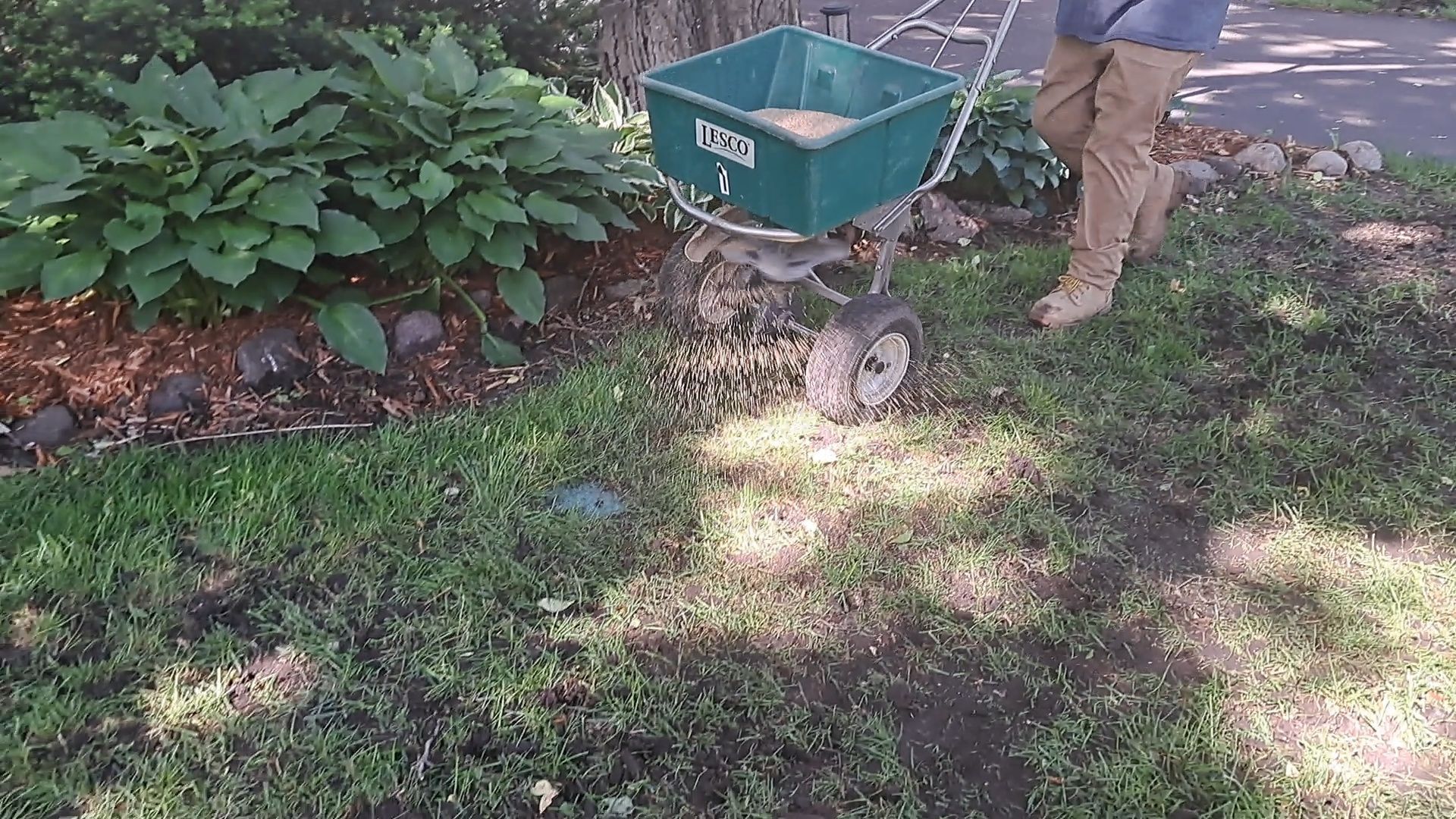
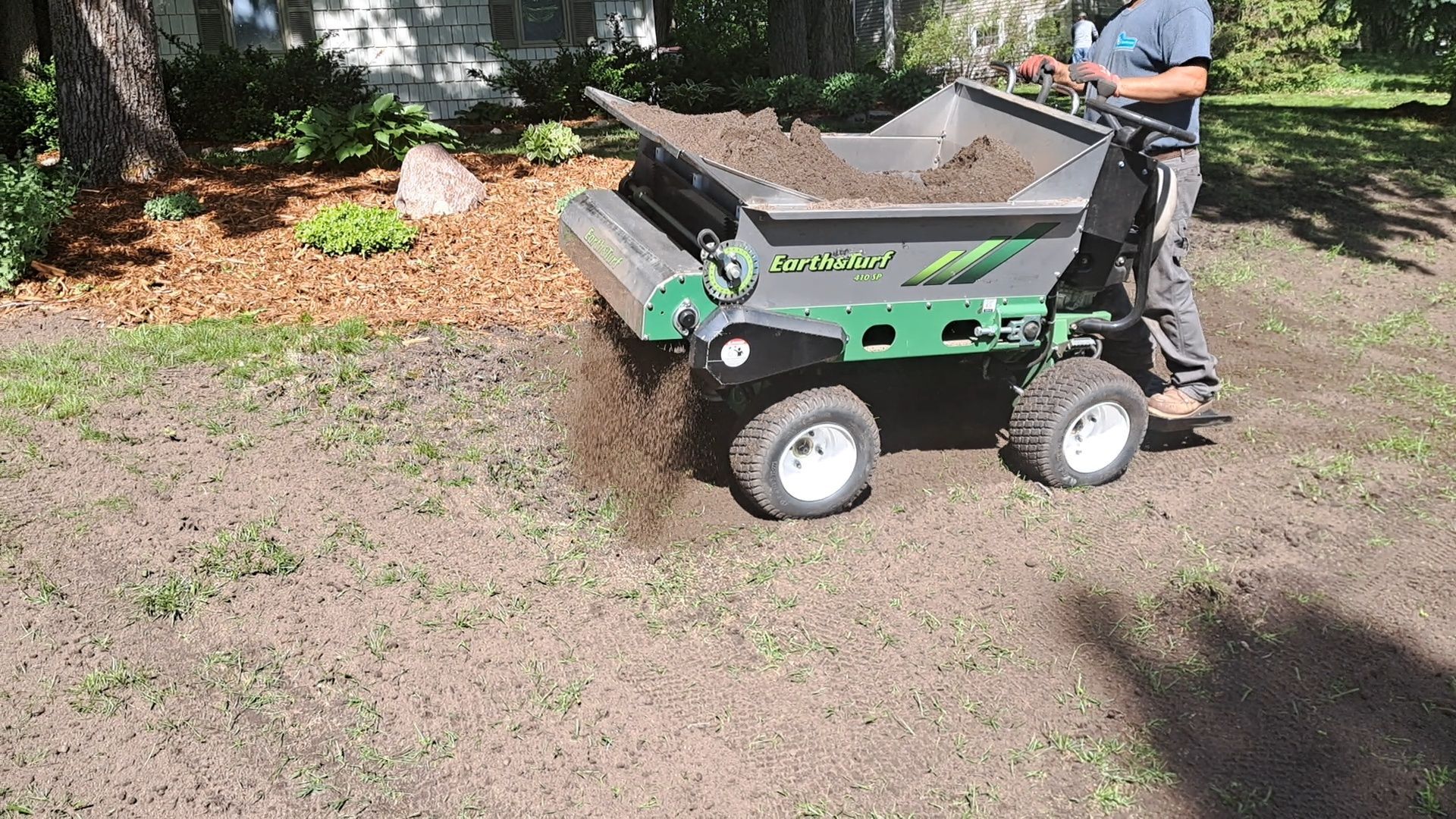
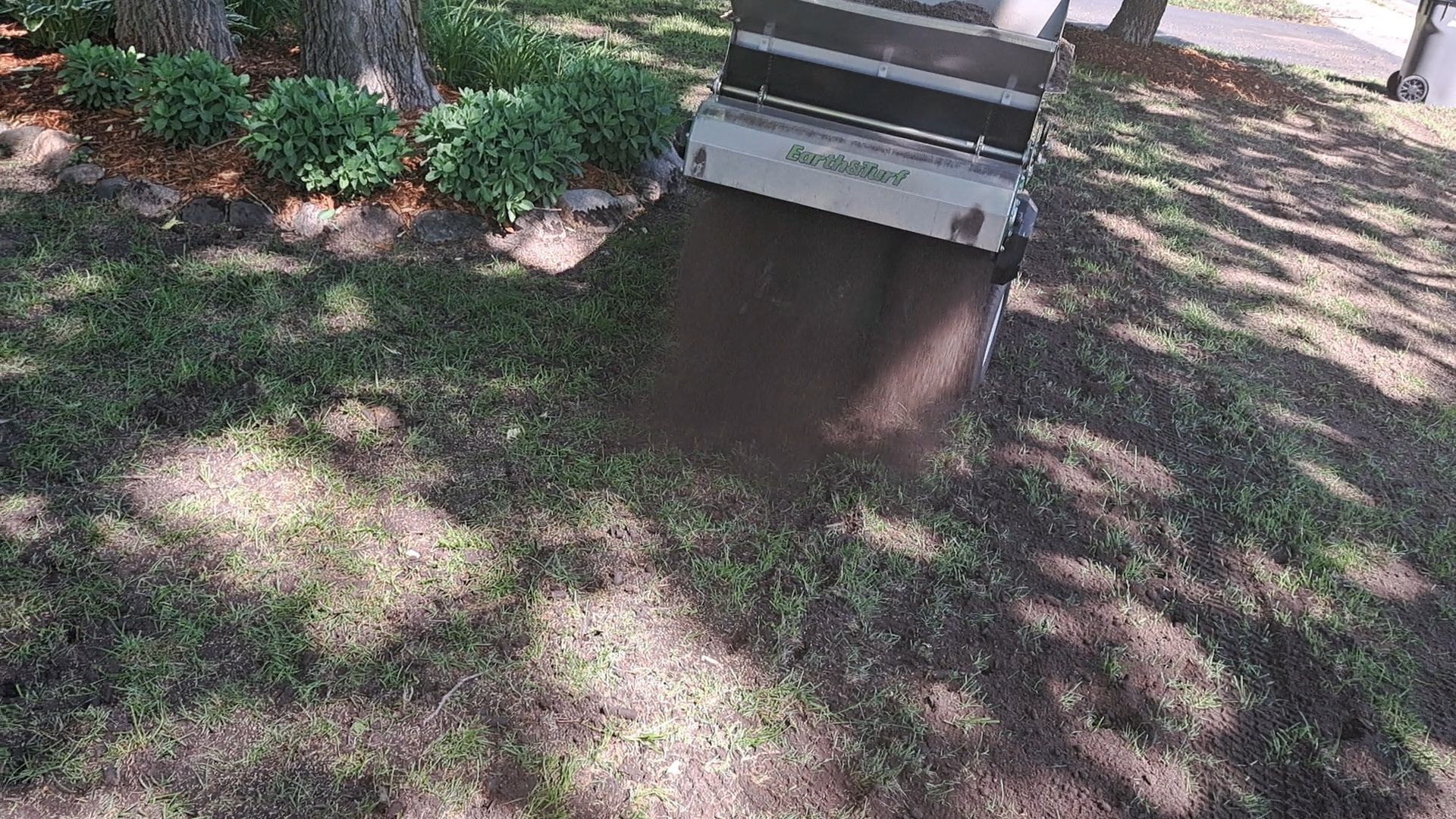
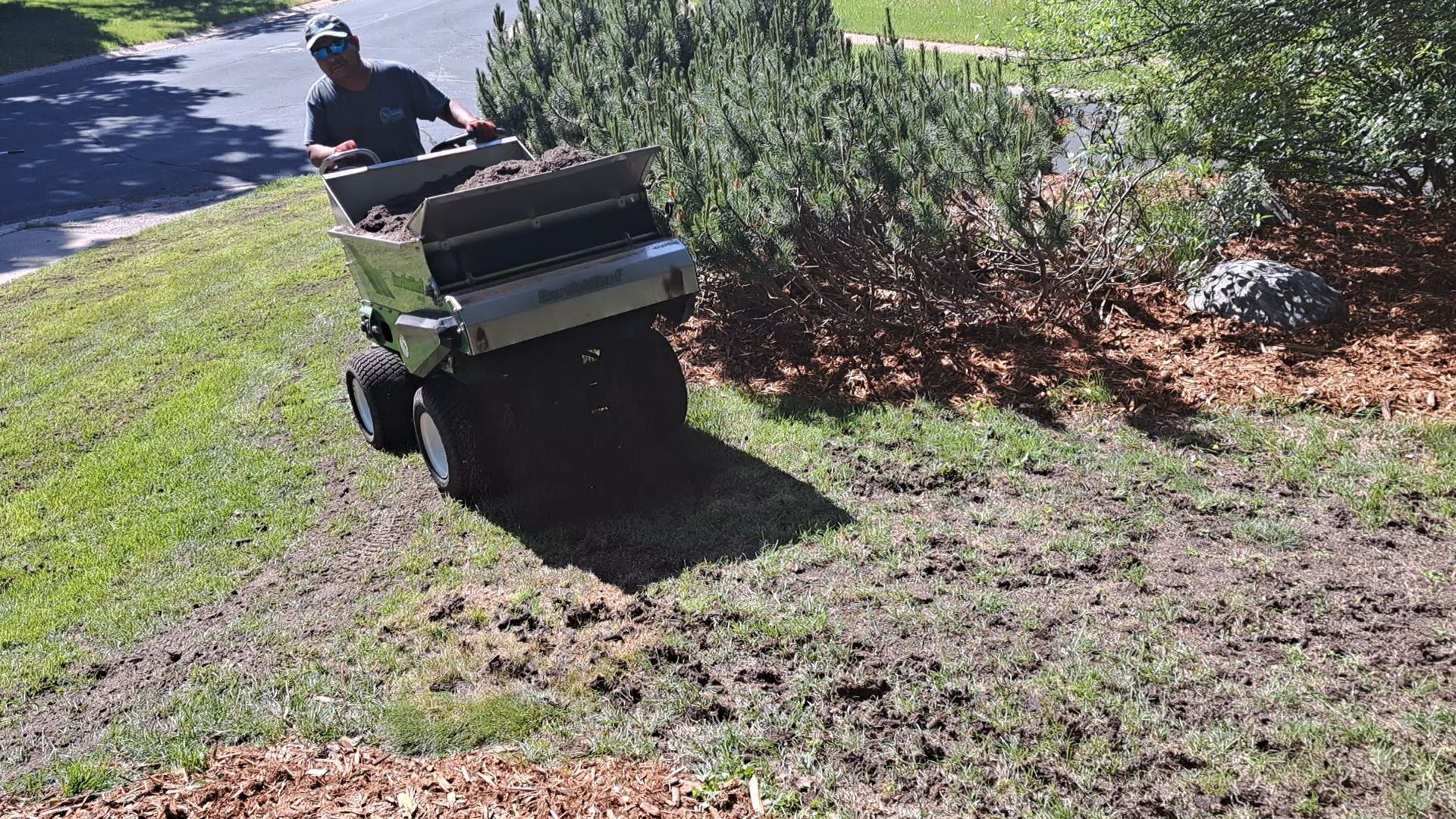
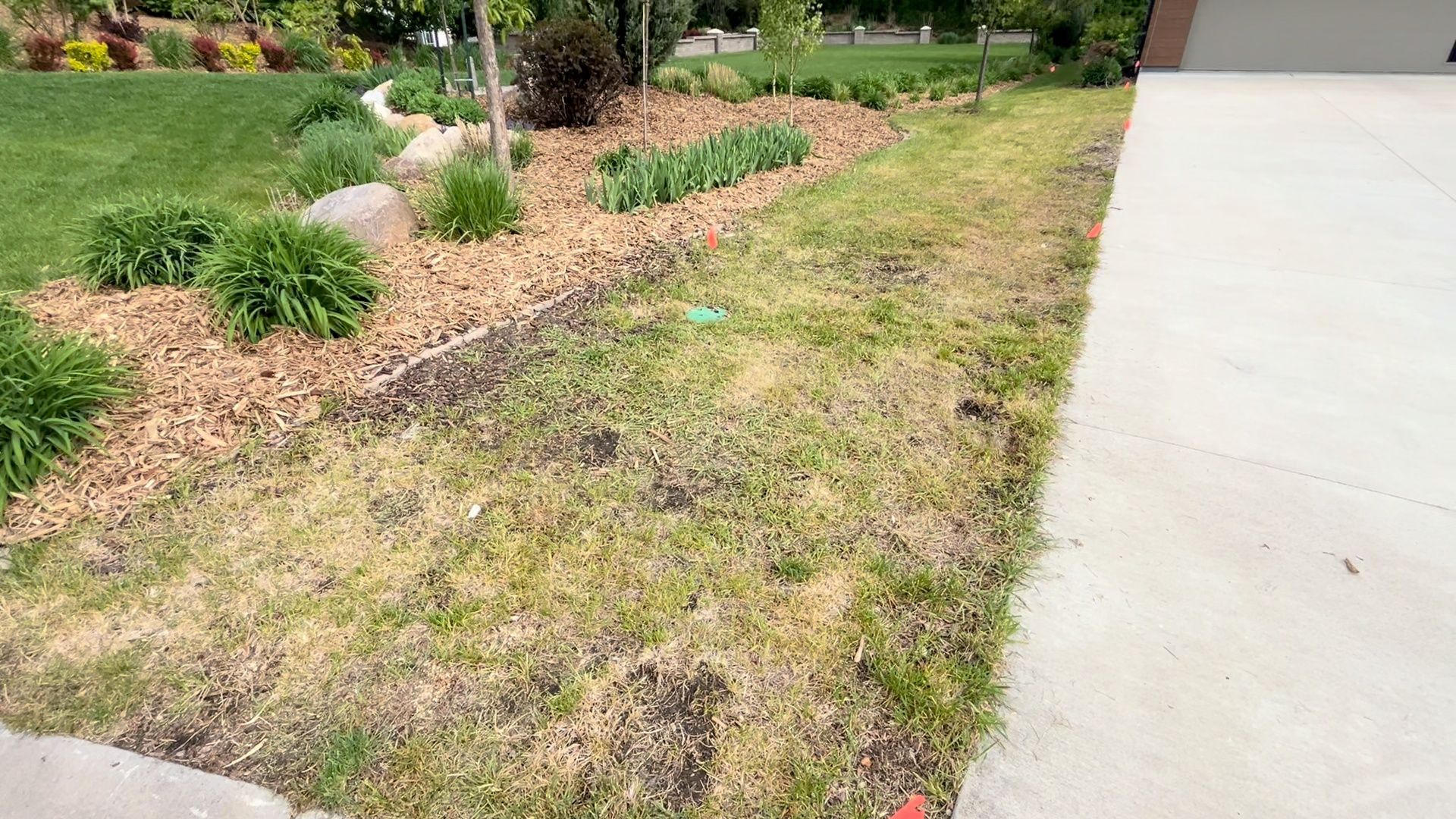
Three habits do most of the work. Mow high, around three inches, so the grass shades the soil surface and the weed seeds beneath it, which is the heart of our seasonal mowing approach. Build the soil and relieve compaction with core aeration and overseeding, since weeds thrive in the compacted, tired ground where grass struggles. And overseed thin or bare spots with good grass seed so there's no open dirt left for weeds to claim. Do these three things consistently and you've handled the large majority of weeds in your lawn without spraying anything at all. Everything else in this guide is for the weeds that slip through.
Corn Gluten Meal: The Organic Pre-Emergent
When it comes to actual organic products, corn gluten meal is the one worth knowing about. It's a pre-emergent weed control, meaning it works on germinating seeds rather than established weeds, and it feeds the lawn with nitrogen at the same time. Applied in early spring, before weed seeds sprout, it can suppress some crabgrass while it greens up the grass. Iowa State, where its herbicide use was first researched, explains how it acts on a seedling's developing roots.
Here's where I stay honest, because corn gluten gets oversold. The real-world results are mixed. University of Maryland Extension reviewed the research and doesn't strongly recommend it, since trials often show weak control and it can take several years of repeat applications before you see much effect. Timing has to be right too, the same narrow early-spring window we target for crabgrass pre-emergent, and one important catch: because it suppresses germinating seeds, you can't use corn gluten and overseed at the same time, since it'll fight your new grass seed too. I treat corn gluten as a spring feeding with a modest weed bonus, not a crabgrass cure, and I'd rather tell you that than sell you a bag of false hope. Our fertilization and weed control program builds it in where it makes sense.
Organic Post-Emergent Options: Vinegar, Citrus Oil, and Their Limits
For weeds that are already up, the organic options are contact killers, and you need to understand their one big limitation before you use them. The active ingredients in most organic weed killers are acetic acid, the strong horticultural vinegar kind rather than the bottle in your kitchen, plus things like citrus oil and fatty-acid soaps. They work by burning the top growth of whatever they touch.
That last part is the catch: they're non-selective. Sprayed on a weed in the lawn, they'll burn your grass right along with it, so they're not a lawn-wide broadleaf treatment the way a conventional herbicide is. Where they shine is spot use on hard surfaces, like weeds in driveway cracks, patios, and gravel, or on bare areas you're about to reseed. They also tend to kill only the top and let perennials like dandelions and creeping charlie regrow from the root, so you'll be reapplying, and on a windy Minnesota afternoon the spray drifts onto good grass easily. The Xerces Society has good guidance on these alternatives and where they actually fit. Used for the right job, they're useful. Used as a lawn weed spray, they'll disappoint you and scorch the turf.
The Honest Limits, and What We Recommend
So here's the honest bottom line on organic weed control. A thick, healthy lawn does most of the work, corn gluten meal helps a little on the pre-emergent side for annuals, hand-pulling handles the perennials, and vinegar-based products take care of spot jobs off the turf. What none of them do is give you a flawless, weed-free lawn with no chemicals, because that product doesn't exist. Going fully organic means living with some clover and the occasional dandelion, which honestly isn't a bad thing for pollinators or for a yard that's safer underfoot.
If a few stubborn broadleaf weeds are a dealbreaker, a transitional program is the middle ground, cutting herbicide use way down while still knocking out the worst offenders a couple of times a season. This ties straight into pet-safe lawn care, since the less you spray, the safer the yard for kids and dogs. And if you want to lean into it rather than fight it, a little clover or some pollinator-friendly plantings turn weed tolerance into a genuine feature. If you want help building a lawn that keeps weeds down the organic way, reach out for a free quote and I'll tell you what's realistic for your yard and your patience level.
Frequently Asked Questions
Does organic weed control actually work?
Partly, and the cultural side works very well. A thick, healthy lawn that crowds weeds out is genuinely effective and the foundation of any organic program. The products are more limited: corn gluten gives modest pre-emergent help, and vinegar-based sprays handle spot jobs. What no organic method does is deliver a flawless, weed-free lawn.
Is corn gluten meal an effective weed killer?
It's a modest pre-emergent and a decent organic fertilizer, not a true weed killer. Applied in early spring, it can suppress some germinating crabgrass, but research results are mixed and it often takes several years of repeat use. It does nothing to weeds already growing. I use it as a spring feeding with a small weed bonus.
Does vinegar kill lawn weeds?
Horticultural vinegar, which is stronger acetic acid than the kitchen kind, burns the top growth of weeds on contact. The problem is it's non-selective, so it scorches grass too, and perennials often regrow from the root. It's useful for weeds in cracks and on bare areas, not as a lawn-wide weed spray.
What's the best organic weed killer for lawns?
For the lawn itself, the best organic weed control is a thick lawn plus corn gluten meal in spring, not a spray. For weeds on driveways, patios, and bare ground, acetic acid or citrus oil products work as spot treatments. There's no organic spray that kills broadleaf lawn weeds without harming the grass.
How do I get rid of lawn weeds without chemicals?
Crowd them out. Mow high, fix the soil with aeration and compost, and overseed thin spots so dense turf blocks weed seeds from sprouting. Hand-pull or spot-treat the stragglers. It's slower than spraying but it lasts, because you're removing the conditions weeds need rather than just killing what's visible.
Can you prevent weeds organically?
Yes, and prevention is where organic shines. A dense, healthy lawn stops most weed seeds from ever germinating, and a spring corn gluten application adds a modest pre-emergent layer. Prevention beats cure with organic methods, since the post-emergent options are weak. Keep the lawn thick and you prevent far more weeds than you will ever have to fight.
About the Author
I'm Kent Gliadon, founder of KG Landscape and a graduate of the University of Minnesota Landscape Design program. For over 20 years, I've focused on integrating well-planned landscape design and installation work with properly engineered outdoor drainage solutions. I believe discerning homeowners deserve landscaping and drainage renovations that are carefully planned from the beginning, accounting for water movement, grading, soils, hardscaping, and future use, so problems are prevented before they occur. These articles explain how and why specific solutions are implemented and what it takes to maintain properties that truly last.
Ready to Start on Your Next Project?
Call us at (763) 568-7251 or visit our quote page.