
Organic Lawn Care Services
Serving clients in the Minneapolis, St. Paul, Edina, Plymouth, Minnetonka & Blaine areas
Organic & Transitional
Lawn Treatment Packages
Environmentally Friendly Lawn Care
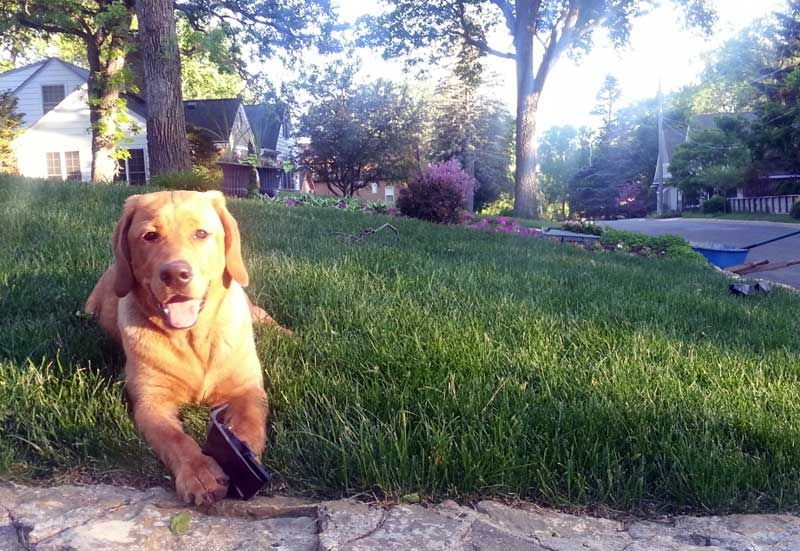
Organic lawn care feeds your grass and your soil without synthetic fertilizers, herbicides, or pesticides. At KG Landscape, we run two environmentally friendly programs across the Twin Cities: a 100% organic package and a transitional package that cuts herbicide use roughly in half. Both are built to improve your soil over time, not just green up the surface for a few weeks. If you want a healthier yard and a smaller chemical footprint, this is where organic lawn care starts.
100% Organic Lawn Treatment Package
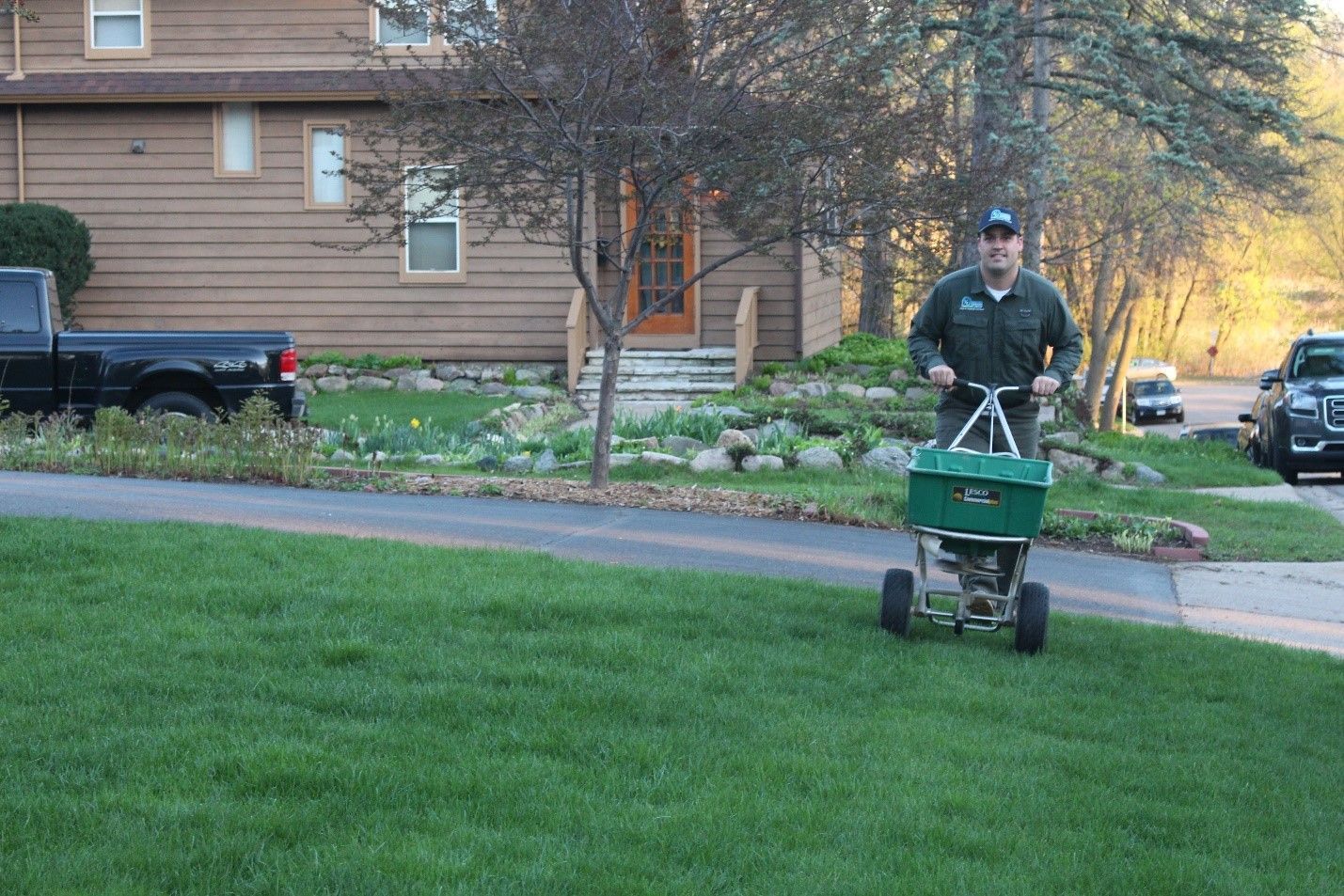
Our 100% organic package includes three ultra slow release organic fertilizer treatments spread across the growing season. Each one feeds your lawn nitrogen, potash, and organic matter that builds healthy soil while it feeds the grass. We use no herbicides, no pesticides, and no
synthetic fertilizers in any of these three treatments.
- Spring Fertilizer - 100% OMRI Certified Organic - Corn Gluten Meal Application
- Early Summer Fertilizer - 100% OMRI Certified Organic - Organic Turkey litter Meal Application
- Fall Fertilizer - 100% OMRI Certified Organic - Turkey litter Meal Application
The spring corn gluten application does double duty. It feeds the lawn, and it carries some pre emergent weed suppression that can slow crabgrass germination. We will be honest about its limits in a moment, but it is a genuine benefit of starting the season organic.
Organic Lawn Care Benefits and Expectations
Benefits of Organic Lawn Care
- No herbicides, pesticides or weed killer used
- Utilizes only 100% OMRI organic listed fertilizers for plant nutrition - no synthetic fertilizers
- Begins the process of building up the weed controlling di-peptides found in organic corn gluten meal
- The slow release organic fertilizers improve soil health by providing ultra slow release nutrients and organic material used by beneficial soil microorganisms
Weed Control - Rethinking What a Healthy Lawn Looks Like
- Here is the part most companies skip. There is no OMRI certified organic selective weed killer on the market. No certified organic product can spray your lawn, kill the weeds, and leave the grass standing. So switching to 100% organic means accepting that your lawn will carry some weeds.
- Corn gluten meal helps, but it is not a miracle. Research from Iowa State University shows it can suppress some crabgrass germination, yet it is nowhere near as effective as a conventional pre emergent like dithiopyr. Going fully organic means rethinking what a healthy lawn looks like. A thick, green, living lawn that includes a few clover and dandelion patches is still a healthy lawn, and arguably a more honest one.
- You may have read that if you just fertilize hard enough for long enough, the grass will eventually crowd out every weed. We think that sets a false expectation. Dense turf does suppress some weeds, but plenty of weeds compete just fine with cool season grass. Short of hand pulling, fully organic care means living with a few of them. We would rather tell you that up front than sell you a fantasy.
Pairing Organic Care with Overseeding and Grass Seed
The best organic weed control is thick turf, and the fastest way to thicken thin turf is overseeding. When we pair an organic fertilization program with core aeration and quality grass seed, the new grass fills bare spots before weeds claim them. Denser turf shades the soil, cools the root zone, and leaves less open ground for crabgrass to germinate.
For lawns that are thin, compacted, or sitting on heavy clay, we usually recommend layering in
aeration and overseeding or a dedicated
lawn seeding service alongside the organic program. The grass seed and the soil building work together. That combination does more for long term weed pressure than any single spray ever could.
Is Organic Lawn Care Worth the Cost?
The honest trade offs are cost and weeds. Certified organic fertilizers cost significantly more than conventional products, so the program prices higher than a standard fertilization plan. And you will see some weeds. We believe that as more people value reducing chemical use over chasing a flawless weed free lawn, organic care becomes the norm. Better organic selective herbicides may arrive someday and speed that along. For now, we will give you a clear picture and let you choose the program that fits your yard.
If you want the full menu of options, our lawn care services pages lay out everything we offer across Minneapolis and St. Paul.
Transitional Organic Fertilizer & Weed Control Package
Includes Organic Fertilizers and Uses 50% Less Broadleaf Herbicide than Conventional Treatment Packages
Some people want to cut chemicals but still keep crabgrass and broadleaf weeds in check. Our transitional package is built for them. It uses 100% certified organic slow release fertilizer for two of the five treatments, and it cuts broadleaf herbicide use by about 50% compared with a conventional program by dropping one of the two standard weed killer rounds.
- Spring - Fertilizer with crabgrass preventer (Urea based slow release Nitrogen fertilizer with Potash)
- Late Spring - Broadleaf weed killer with crabgrass prevention booster
- Late Spring - Fertilizer (Urea based slow release Nitrogen fertilizer with Potash)
- Early Summer Fertilizer - 100% Organic - Organic Turkey litter Meal Application
- Fall Fertilizer - 100% Organic - Turkey litter Meal Application
A lot of our customers alternate years between the 100% organic package and this transitional one. That rhythm keeps weeds from taking over while still moving the lawn toward organic fertilization and far less herbicide. It is a practical middle path, and for many Twin Cities yards it is the right one.
Frequently Asked Questions
Is organic lawn care safe for pets and children?
Yes. Our 100% organic package uses no herbicides, pesticides, or synthetic fertilizers, so there is no chemical re entry interval to wait out. Pets and kids can use the lawn right after a treatment dries. That safety is one of the main reasons Twin Cities families choose organic care. The transitional package does include limited herbicide on two rounds, so for those treatments we recommend following standard label guidance and keeping pets off until the product dries before returning to normal use.
How long until I see results from an organic lawn program?
Organic lawn care builds results gradually because you are feeding the soil, not forcing the grass. Most lawns show noticeably better color and density by the second season, with the biggest gains in soil structure and resilience showing up over two to three years. Conventional programs green up faster, but that color sits on the surface. Organic improvements compound. The longer you stay with the program, the less corrective work your lawn tends to need, and the better it handles heat and drought stress.
When are organic lawn treatments applied in Minnesota?
We time treatments to Minnesota's growing season. The corn gluten meal application goes down in spring, when it can feed the lawn and offer some crabgrass suppression as soil temperatures rise. The turkey litter meal feedings follow in early summer and again in fall. Fall feeding matters most in our climate because it supports root development before winter dormancy, setting up a stronger green up the following spring. Exact dates shift with the weather each year, and we adjust the schedule accordingly.
Will organic lawn care work on heavy clay soil?
It can, but clay needs extra help. Compacted clay resists water and root growth, so organic fertilizer alone works slowly. We usually pair the organic program with core aeration, overseeding, and sometimes topdressing to open the soil and add organic matter. Over time the organic inputs and improved structure help clay drain better and support deeper roots. If your yard is heavy clay, ask us about combining organic care with our clay soil amendment services for faster, more durable results.
Can I switch back to conventional treatments later?
Yes, and many homeowners move between programs. Some run our 100% organic package one year and the transitional package the next to keep weed pressure in check. If you ever decide organic is not the right fit for your yard or your tolerance for weeds, we can move you to a conventional or transitional plan without losing the soil health gains you have already built. The choice stays yours every season, and we will give you an honest read on what each option means for your lawn.
How much does organic lawn care cost?
Organic lawn care costs more than a conventional program because certified organic fertilizers are significantly more expensive than synthetic products. Pricing depends on your lawn's size and condition, so we quote each property individually rather than posting flat rates that would not fit your yard. What you get for that cost is healthier soil, no synthetic chemicals, and a lawn that grows more self sufficient over time. Call us at (763) 568-7251 or request a free quote and we will give you exact numbers for your property.