How to Increase the Microbes in Your Lawn Soil
What Soil Microbes Actually Do for Your Lawn
Most homeowners never think about the life in their soil, but I do, because it's the difference between a lawn that thrives and one I have to keep rescuing. A teaspoon of healthy soil holds billions of microbes, bacteria and fungi that break down organic matter and turn it into nutrients grass roots can actually use. They also bind soil particles together, which is what gives good soil its crumbly structure and its ability to hold water and air.
When people ask me how to increase the microbes in their soil, what they're really asking is how to build the healthy soil a good lawn depends on. The USDA's soil biology primer lays out the science if you want it. On a lawn, the short version is this: the microbes do the work, and my job is to feed and protect them. Just about everything else in good lawn care follows from that one idea.
How to Increase Soil Microbes: Feed Them Organic Matter
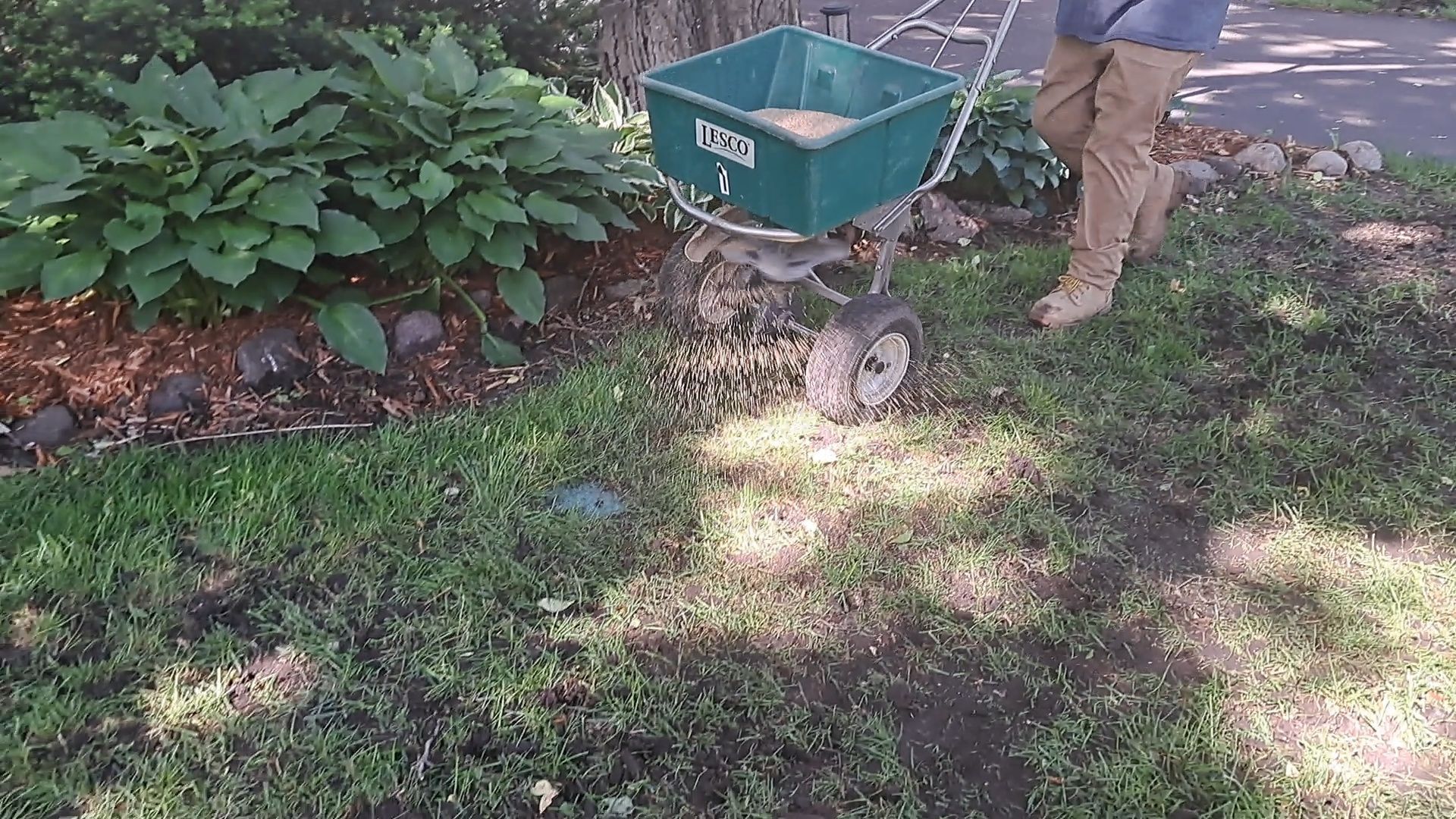
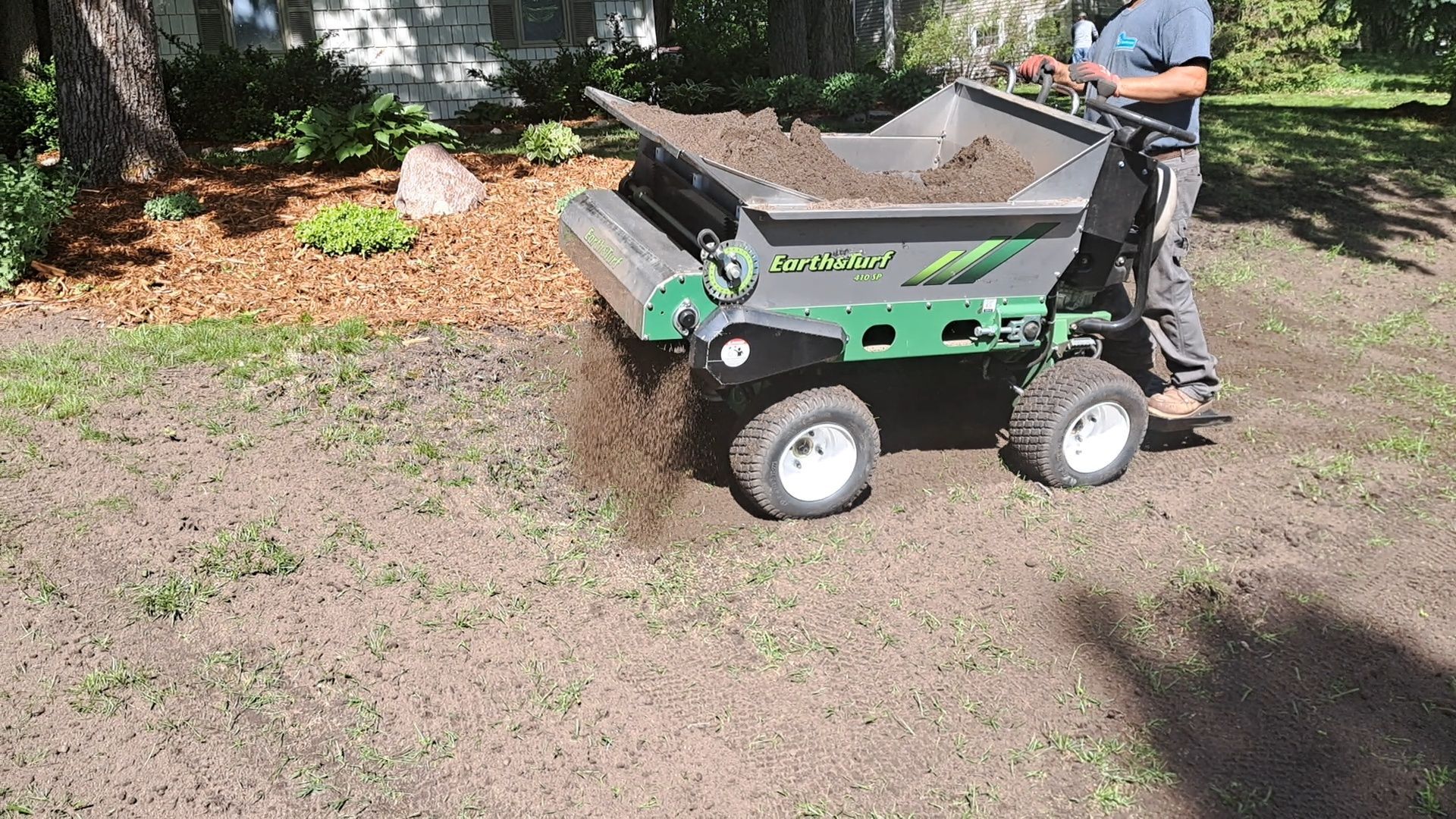
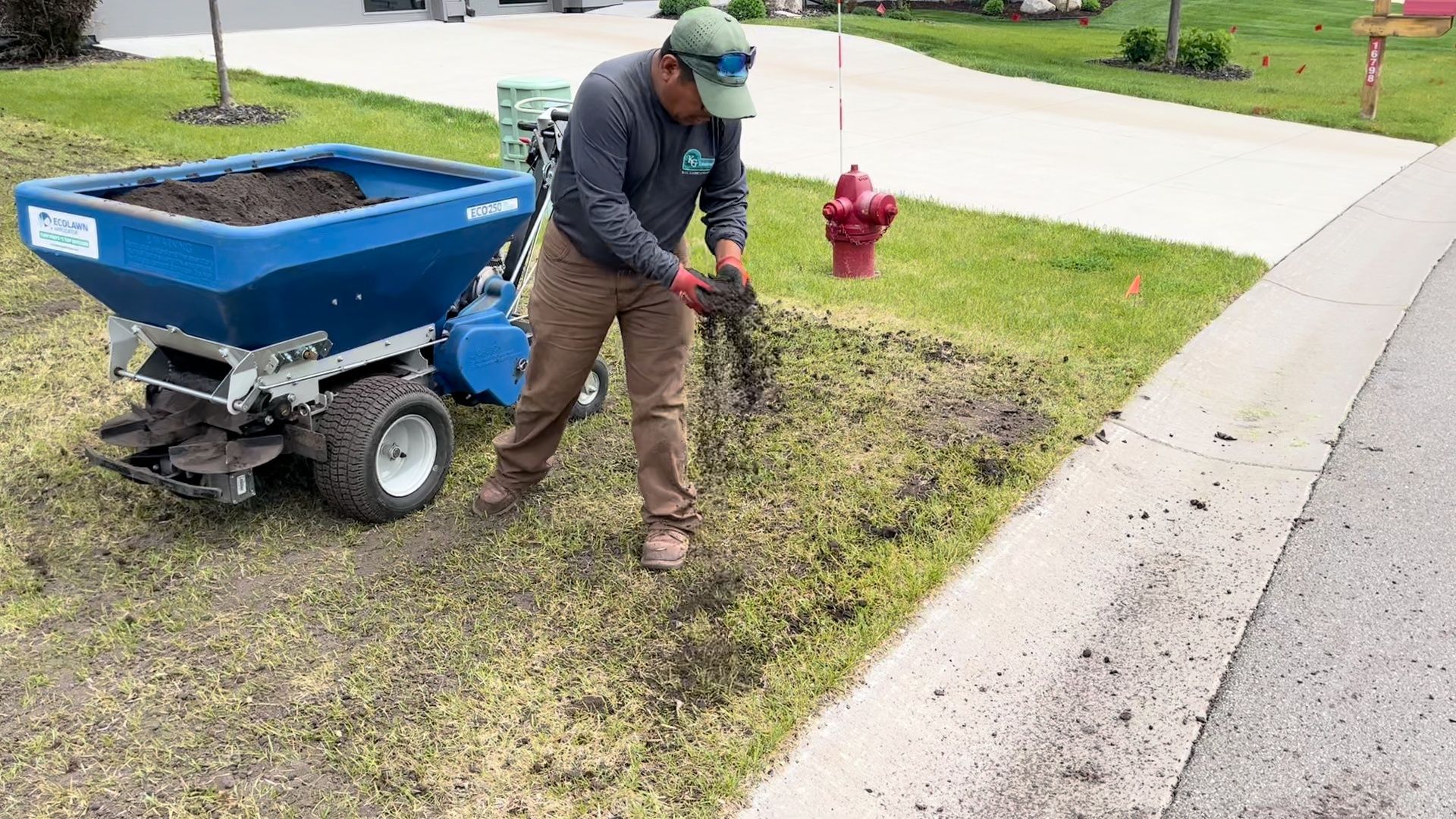
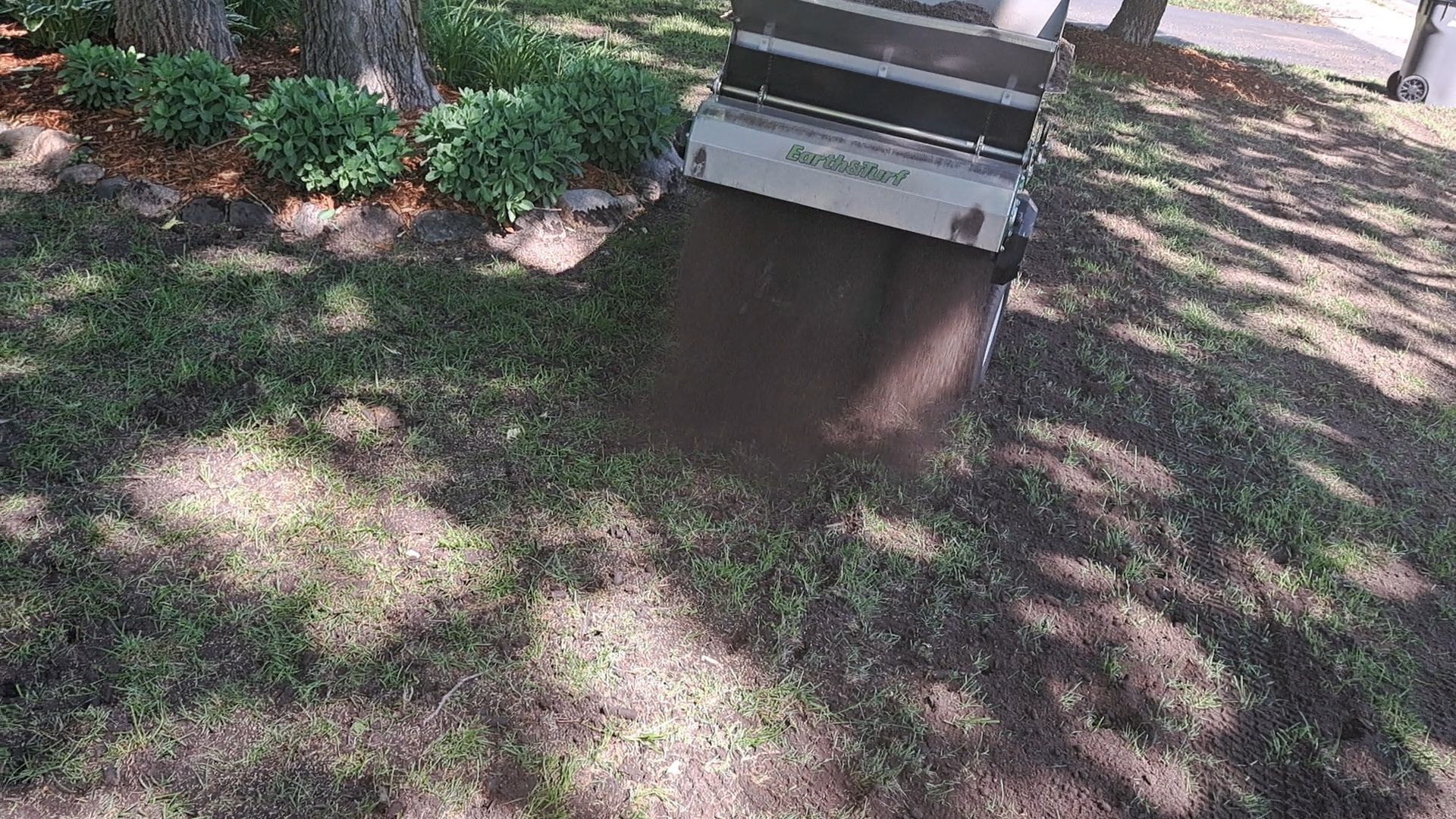
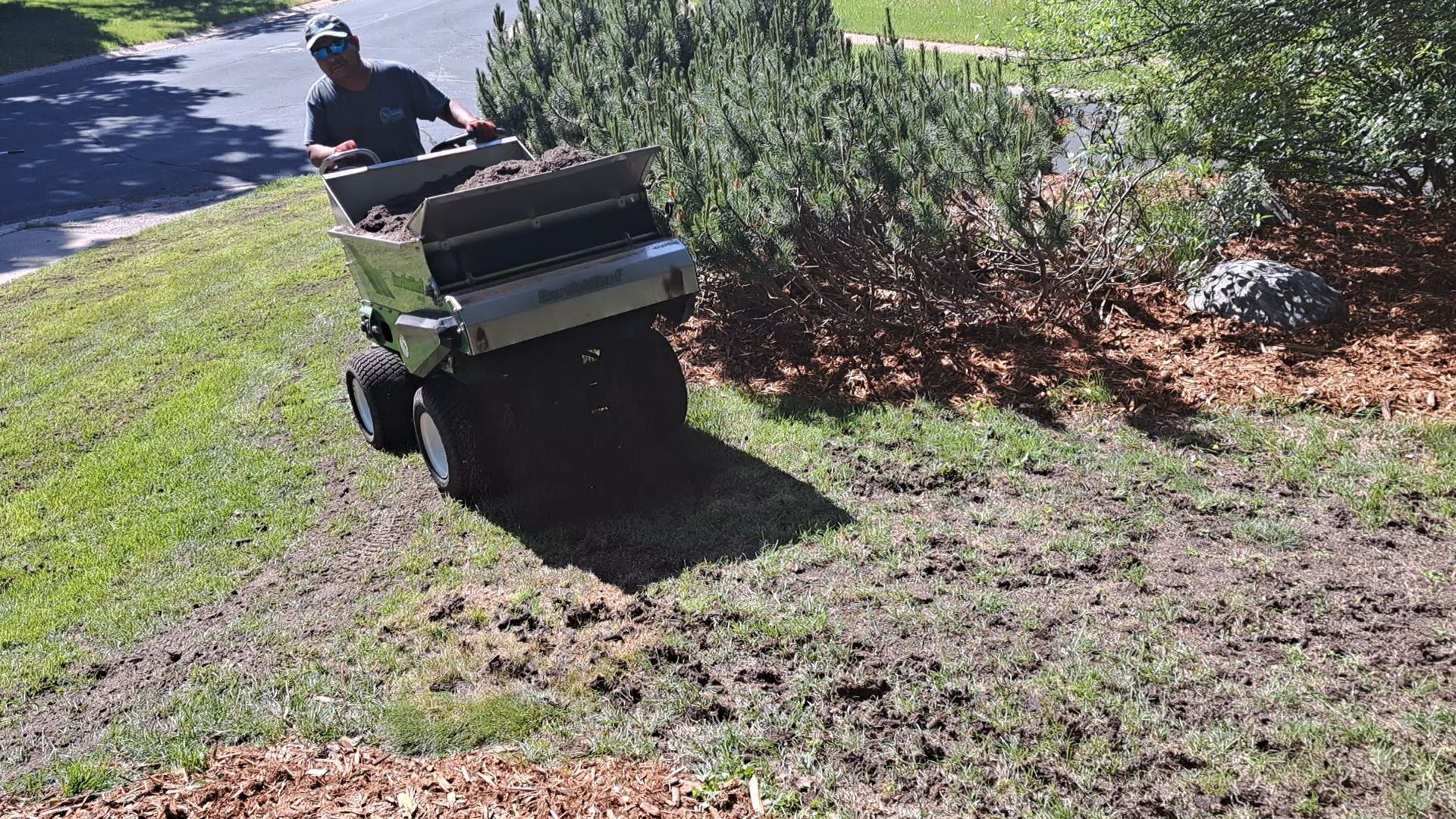
The single best way to increase soil microbes is to feed them, and what they eat is organic matter. That's why, on an established lawn, I reach for top dressing with compost. A thin layer of finished compost is a banquet for soil life. The microbes break it down, multiply, and in the process release nutrients and improve the soil structure right around the roots. The University of Minnesota Extension makes the same point, that adding organic matter is how you promote a living, healthy soil.
We spread the compost thin, about a quarter inch, so it works into the ground instead of smothering the grass. On the heavy clay we see across the metro, that organic matter is what slowly turns dense, lifeless soil into something that actually grows grass. If your real problem is bad clay, this is the fix, and it's the heart of our top dressing and lawn renovation and clay soil work.
Give the Soil Air: Aeration Wakes Microbes Up
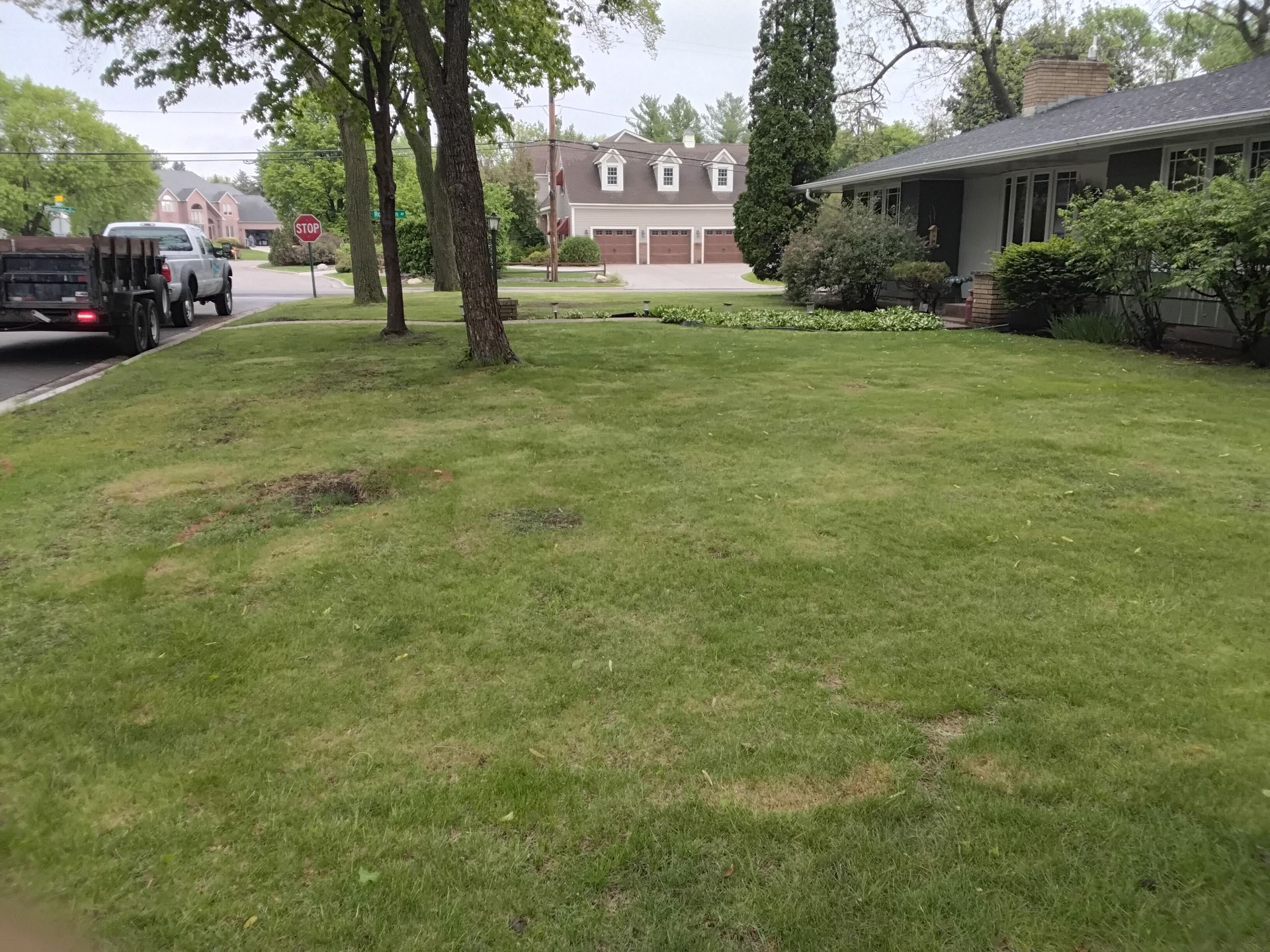
Microbes need oxygen, and compacted soil suffocates them. Most lawns I see, especially on clay or in high-traffic yards, are compacted enough that the soil life underneath is barely hanging on. That's why I almost always aerate before top dressing. Core aeration pulls plugs and opens channels, letting air, water, and compost down into the root zone where the microbes live.
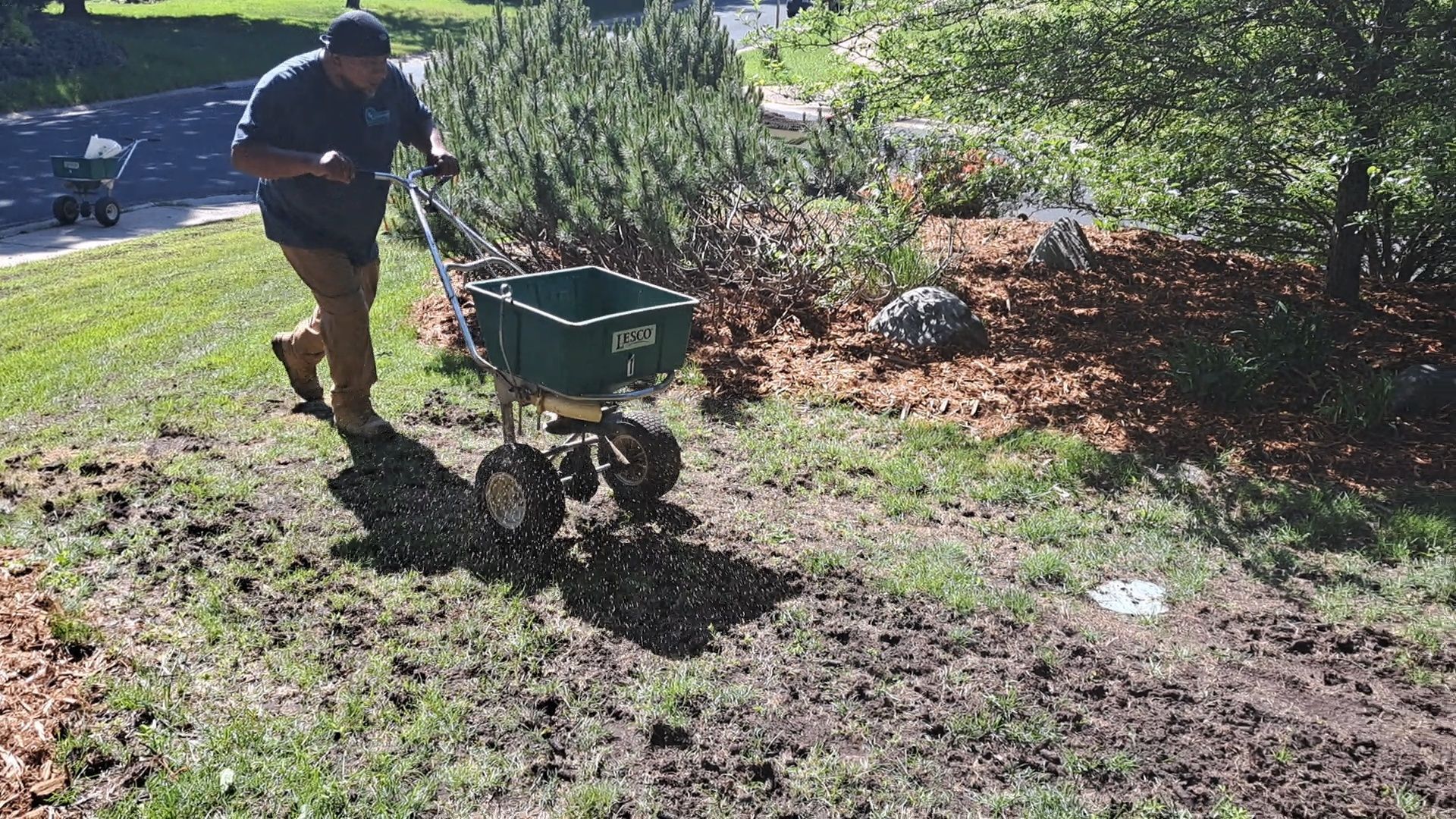
The USDA treats soil structure and the life in it as two sides of the same coin, and aeration is the fastest way to give that life room to breathe. When we run a double pass with the aerator and follow it with compost, we aren't just loosening the soil, we're reviving the biology that makes it work. We pair aeration and overseeding so the same holes that wake up the microbes also give new grass a place to germinate.
Stop Doing What Kills Soil Life
Building soil microbes is as much about what you stop doing as what you add. Heavy doses of synthetic fertilizer, especially when a lawn doesn't need them, push fast top growth while doing nothing for the life below, and over-application can set the soil back. I'd rather feed a lawn on a sensible schedule than blast it, which is how we run our fertilization and weed control program.
Leaving grass clippings on the lawn instead of bagging them feeds the soil for free as they break down. And bare, exposed soil bakes in the sun and loses its biology, so keeping the lawn thick is itself a way to protect what's underneath. For homeowners who want to go all the way, our organic lawn program leans entirely on slow-release, natural inputs that build soil life rather than override it.
How We Build Soil Microbes on a Minnesota Lawn
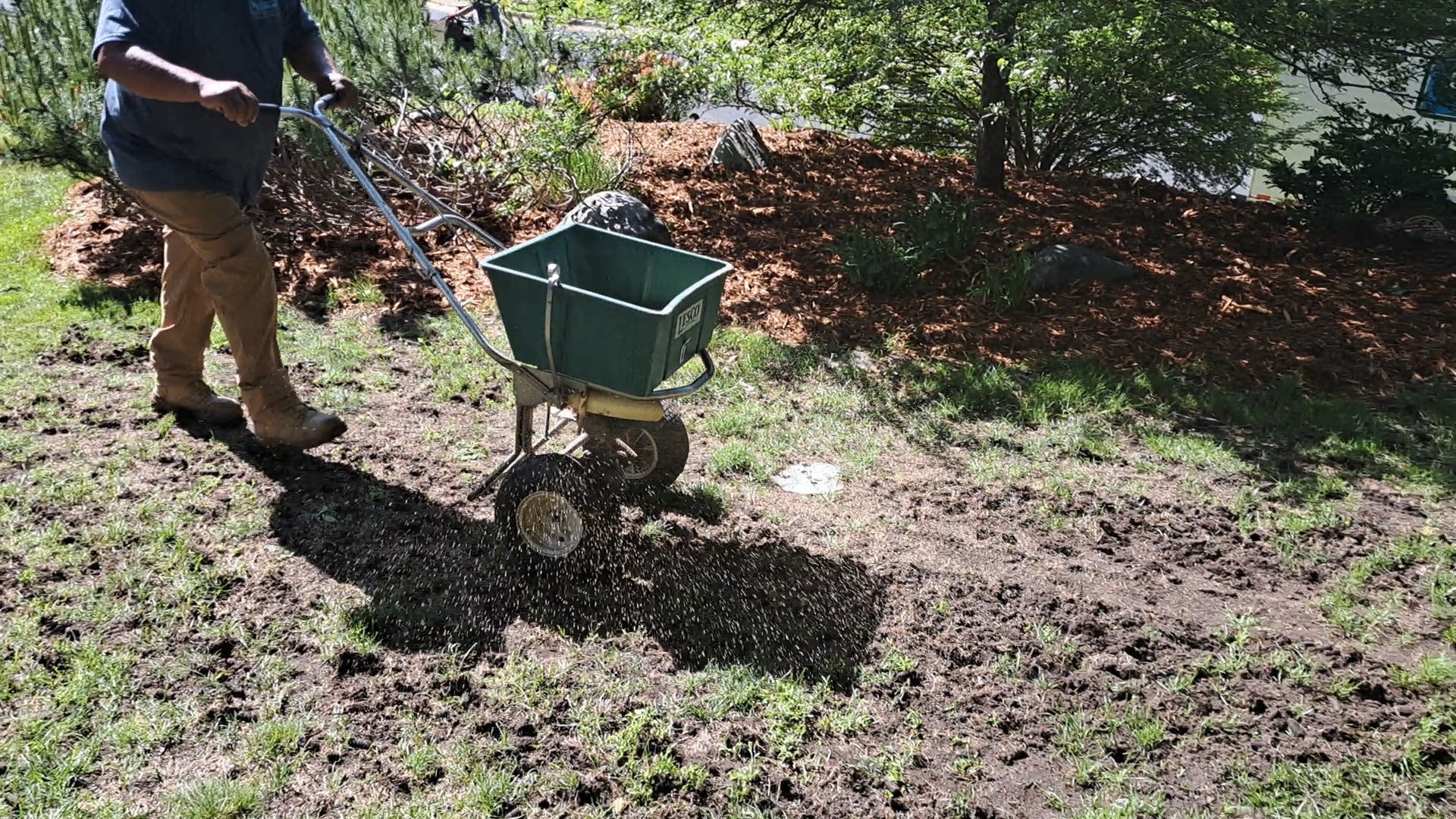
When I set out to rebuild the soil life on a lawn, here's the play. We aerate with a double pass, top dress a thin layer of finished compost, and overseed, all in late summer when our cool-season grasses and the soil microbes are both most active. Then we water it in so everything settles to the soil and the biology can get to work through fall. It isn't one product or one visit. It's giving the soil what it's been missing.
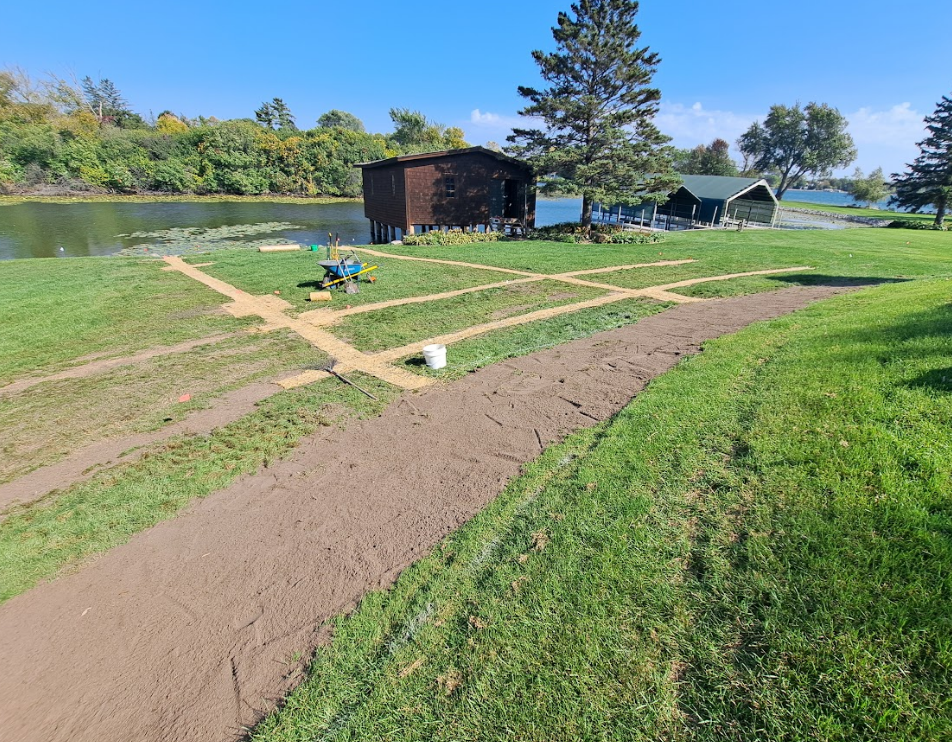
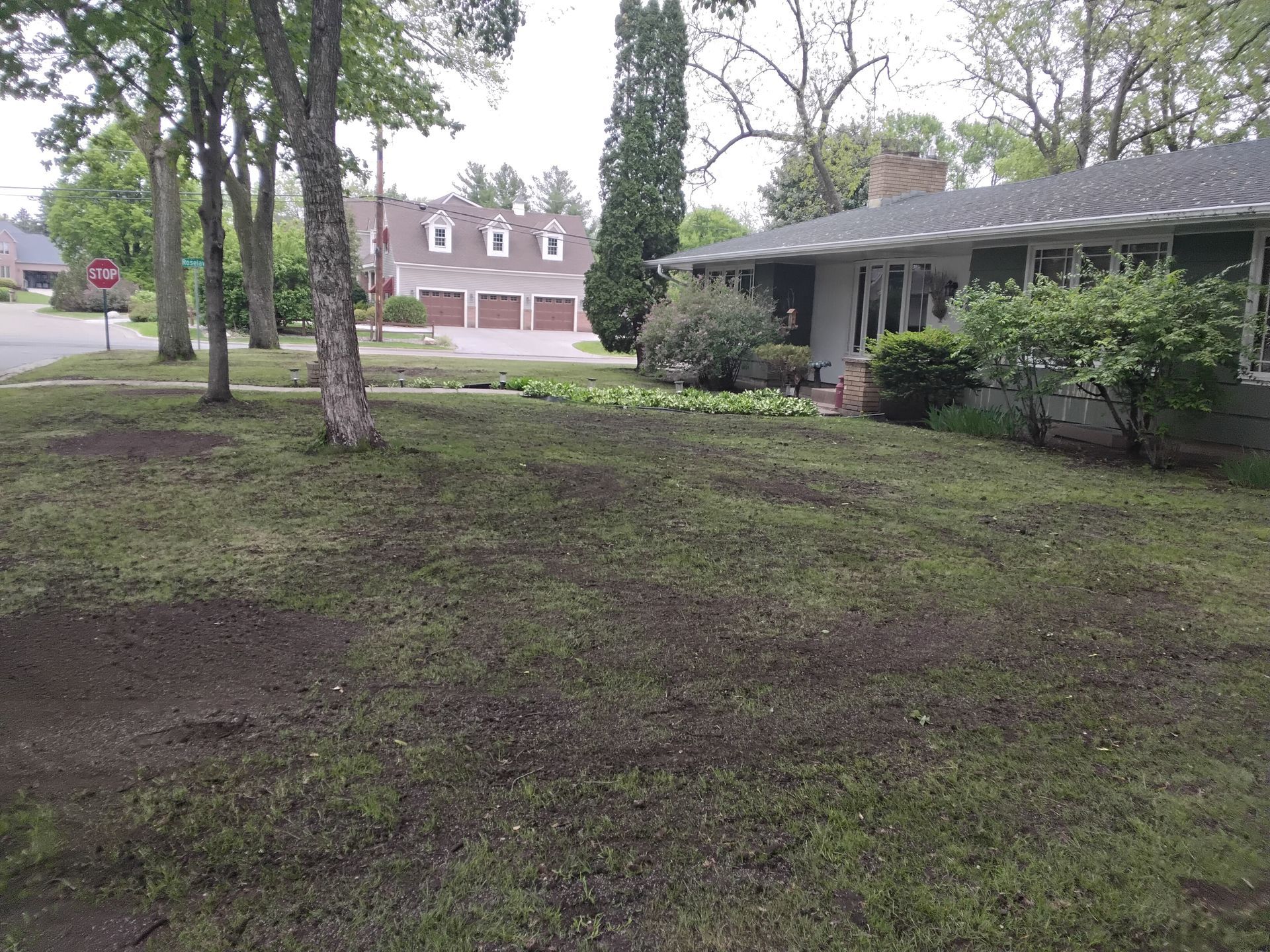
You can see how that compounds on a St. Paul lawn where we improved drainage and turf quality with topdressing, fixing the ground so the grass finally had a healthy place to grow. We use the same approach on lawns across Minneapolis and the metro, and it's the backbone of the broader healthy lawn care routine I recommend.
Before I put anything down, I'd rather pull a soil test than guess. If you want a lawn built on living soil instead of constant rescue, reach out for a free quote and we'll tell you where to start.
Frequently Asked Questions
Do soil microbes really make a difference for a home lawn?
Yes, more than most homeowners realize. Soil microbes convert organic matter and fertilizer into a form grass roots can actually absorb, and they build the crumbly structure that lets soil hold water and air. A lawn growing in biologically dead, compacted soil needs constant inputs to look decent, while a lawn on living soil holds color longer, needs less water, and recovers faster from stress. You won't see the microbes, but you see their work in a lawn that stays healthy with less babysitting. That's the whole reason I focus on the soil and not just the grass.
Do synthetic fertilizers kill soil microbes?
Used sensibly, no. A normal, properly timed fertilizer application won't wipe out your soil life. The problem is overdoing it. Repeated heavy doses of synthetic nitrogen, especially on a lawn that doesn't need them, push the soil toward depending on inputs and can suppress the natural cycling microbes do. I'd rather feed a lawn on a measured schedule and build organic matter alongside it, so the soil keeps doing its own work. Fertilizer and healthy soil biology aren't enemies. The key is restraint and pairing the feeding with compost.
Does compost tea increase soil microbes?
It's debated, and I'd steer you toward the reliable path first. Compost tea can introduce microbes, but the research on real, lasting benefit to lawns is mixed, and results depend heavily on how the tea is brewed and applied. What consistently works is the unglamorous version: top dress with quality finished compost and keep the soil covered and fed. That builds a stable microbe population the soil actually holds onto. If you enjoy experimenting with compost tea, it won't hurt a healthy lawn, but I wouldn't rely on it in place of compost and good practices.
Does leaving grass clippings feed soil microbes?
Yes, and it's the easiest free win there is. Grass clippings are mostly water and break down within days, feeding soil microbes with fresh organic matter and returning nitrogen to the lawn. They don't cause thatch, which is a common myth. Every time you mow and leave the clippings, you're making a small deposit in your soil's biology. The only time we bag is when the grass got too long and leaves heavy clumps, or when a lawn is diseased. Otherwise, mulch them back in and let the microbes do the rest.
How long does it take to build healthy soil microbe activity?
It starts within weeks of feeding the soil, but the real, visible payoff shows over one to two seasons. After a fall of aeration and compost top dressing, you'll often see better color and resilience the following year, with continued gains as you keep adding organic matter. Soil biology builds like a savings account, not a light switch. The lawns with the best soil are the ones where someone fed and protected the life in the ground year after year. The good news is each season makes the next one easier.
What harms soil microbes the most?
Compaction and bare, exposed soil are the biggest culprits in the lawns I see. Compacted ground starves microbes of the oxygen they need, and bare soil bakes in the sun and dries the life out. Heavy, repeated synthetic inputs and letting a lawn thin out to dirt make it worse. The fixes are the same things that build microbes in the first place: relieve compaction with aeration, keep the lawn thick so the soil stays covered and cool, and feed organic matter through compost. Protect the soil and the biology largely takes care of itself.
About the Author
I'm Kent Gliadon, founder of KG Landscape and a graduate of the University of Minnesota Landscape Design program. For over 20 years, I've focused on integrating well-planned landscape design and installation work with properly engineered outdoor drainage solutions. I believe discerning homeowners deserve landscaping and drainage renovations that are carefully planned from the beginning, accounting for water movement, grading, soils, hardscaping, and future use, so problems are prevented before they occur. These articles explain how and why specific solutions are implemented and what it takes to maintain properties that truly last.
Ready to Start on Your Next Project?
Call us at (763) 568-7251 or visit our quote page.