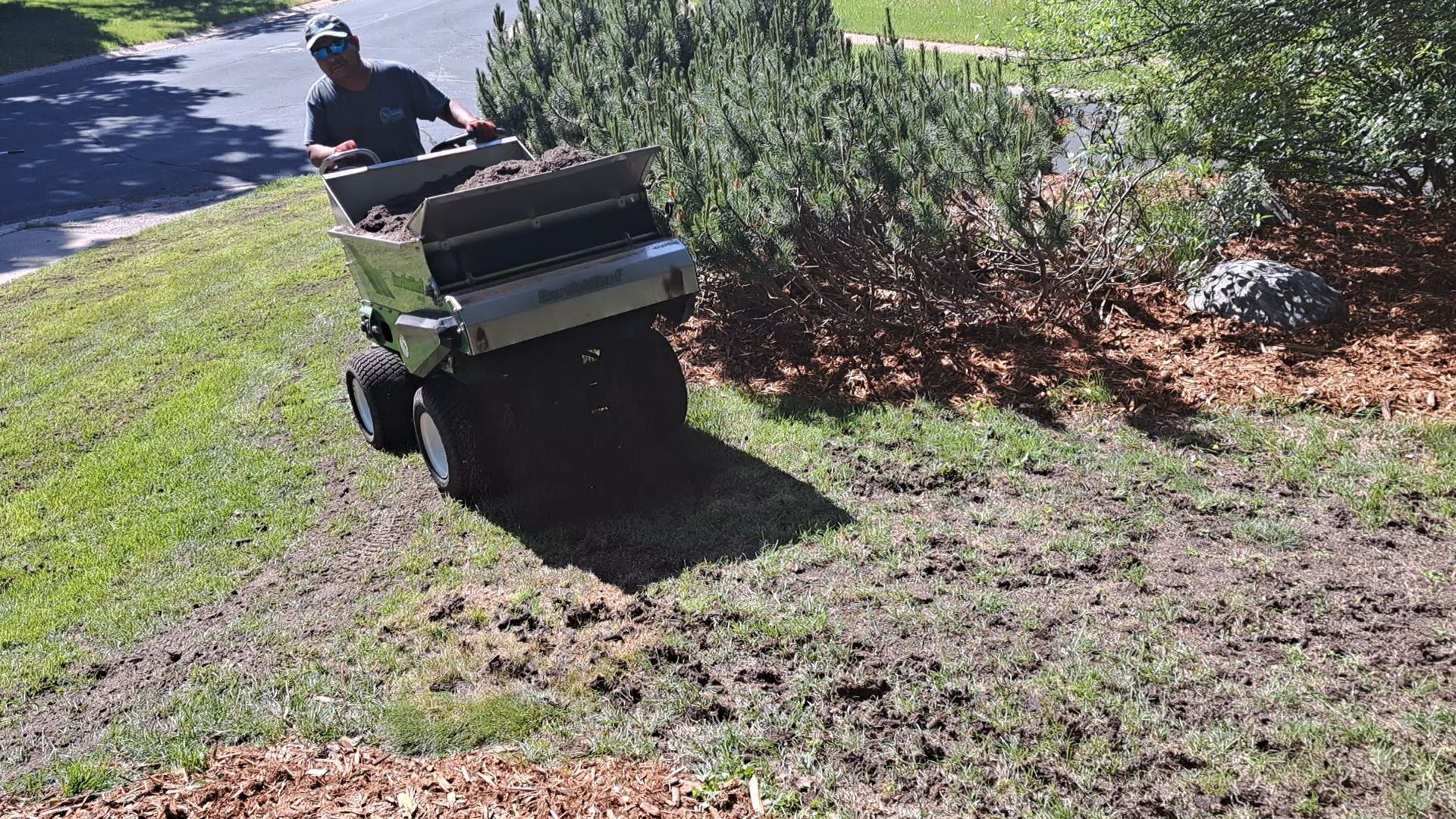
Weed Control In Landscaping: Pre-Emergent Vs. Post-Emergent Method
Our secret lies in understanding and effectively using pre- or post-emergent methods for specific weed problems. To make it easier for you, here is our professional team’s detailed plan for weed control in landscaping and removing uninvited seedlings.
Understanding Pre-Emergent and Post-Emergent Herbicides
Pre-emergent herbicides help prevent weed growth by inhibiting seed germination, while post-emergent herbicides control existing weeds by targeting their roots.Pre-emergent herbicides: How they work and when to use them
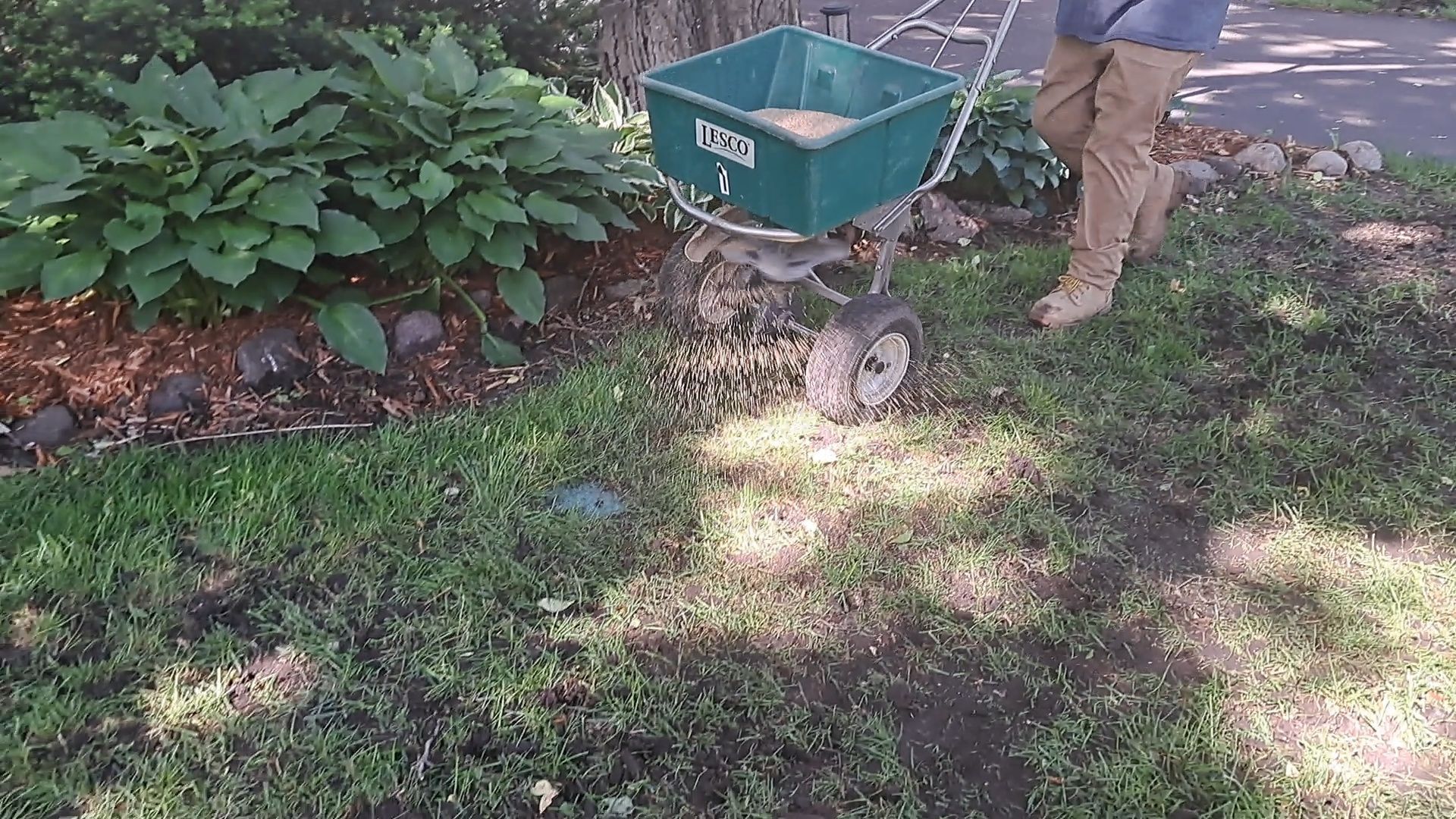
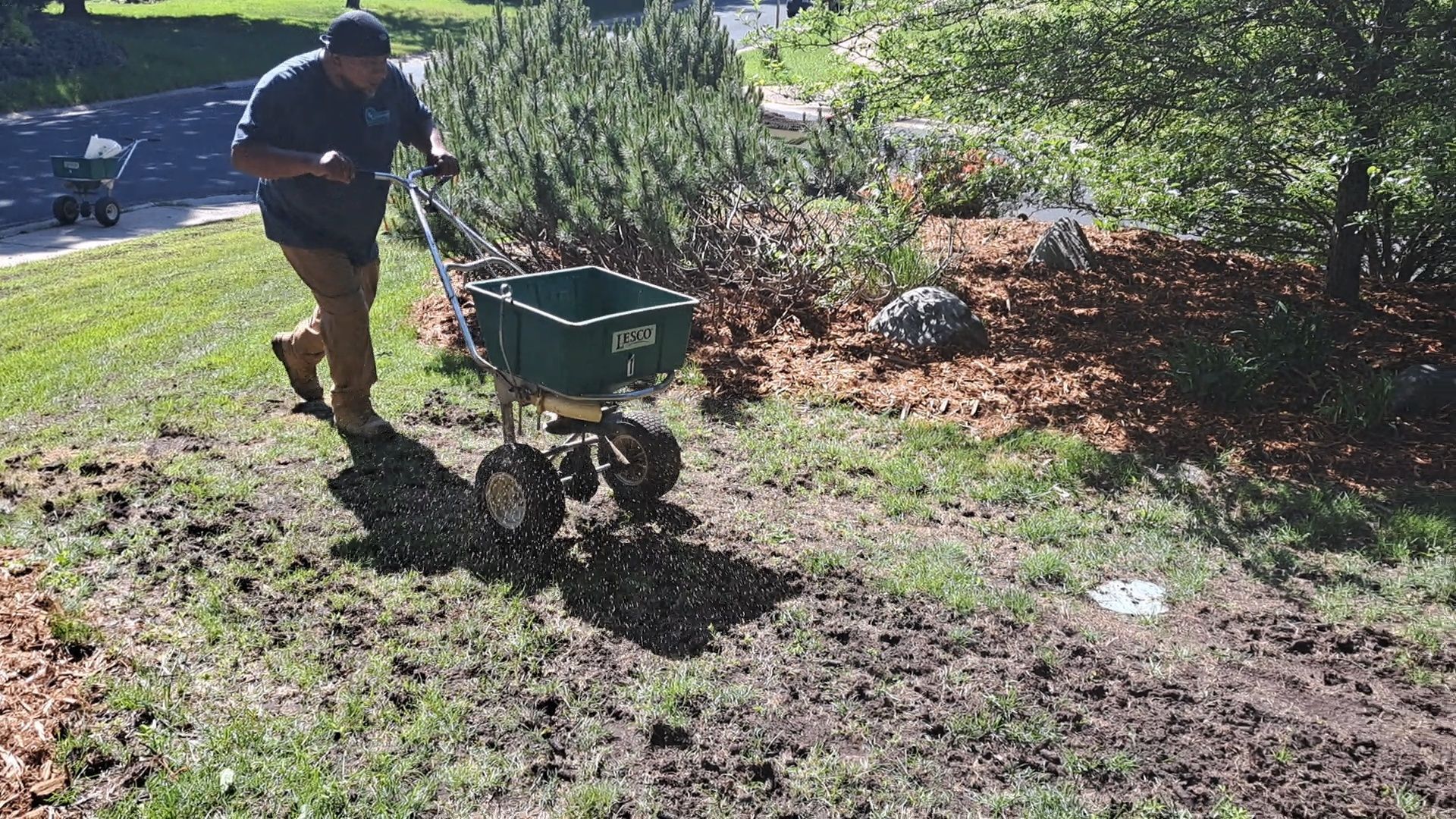
Pre-emergent herbicides are the superheroes of weed control, working tirelessly to save your garden from unsightly weeds. These herbicides kick into action before weed seeds have a chance to sprout.Their superhero power lies in their ability to inhibit the growth of roots or shoots, essentially halting the germination process. This power makes them fantastic preventative measures against annual weeds like dandelions and crabgrass.
Our team typically applies them in the spring and fall when these notorious troublemakers are on the brink of sprouting to achieve optimal results.
Timing is key, as application after seed germination will render these pre-emergent herbicides ineffective. If you choose this method, get your bottle of pre-emergent herbicides ready.
Post-emergent herbicides: Controlling existing weeds
Post-emergent herbicides work once the seeds sprout and grow into weeds. We apply these agents directly onto the weed's surface. The solution travels down the plant stalk and penetrates its roots.This process works by eliminating existing weed infestations in your garden or lawn.
However, there's no one-size-fits-all solution for applying post-emergent herbicides. Many factors, like climate conditions and the types of weeds, make a difference. Late spring is an optimal opportunity for this application as most weeds are usually in their seedling stage. Handling post-emergent herbicides carefully leads to better control over existing weeds and is a preventive against future weed growth.

Pros and Cons of Pre-Emergent and Post-Emergent Methods
Pre-emergent herbicides are a proactive approach to weed control, preventing weed seeds from germinating in the first place.However, they have limited effectiveness on existing weeds.
On the other hand, post-emergent herbicides are effective at controlling existing weeds with immediate results.
This treatment also allows homeowners to have more control to target specific areas. However, post-emergent herbicides don’t prevent future weed growth and require repeated applications for long-term control.
Benefits and limitations of pre-emergent herbicides
Pre-emergent herbicides offer a unique advantage in weed control - they inhibit germination .Yet, these herbicides have their limitations. Controlling perennial or established weeds with deep root systems can be challenging for pre-emergent formulas. In such cases, relying solely on these herbicides might not work well.
Sometimes, even targeted weed control allows some weeds to escape and bloom.
Benefits and limitations of post-emergent herbicides
Post-emergent herbicides are beneficial for weed control. Firstly, they effectively kill existing weeds by traveling down the stalk and into the root system. This feature allows gardeners to target existing weeds.Additionally, post-emergent herbicides provide quick results, immediately relieving unwanted vegetation in your landscaping. They’re suitable for spot treatments, allowing gardeners to selectively target areas without harming expensive plants.
However, always read the product label as some non-selective post-emergent herbicides kill any plant they come into contact with. Moreover, over-reliance on post-emergent herbicides may lead to the development of herbicide-resistant weeds over time.

Choosing the Right Method for Weed Control
When selecting between pre- and post-emergent methods, consider what weed problem you’re targeting, like weed growth stage, and the type of plants or turf in your yard. For that reason, many homeowners rely on
professional weed control landscaping companies .
Factors to consider when selecting between pre-emergent and post-emergent methods
Several factors determine choosing pre- and post-emergent weed control methods. First, identify the weed species in your lawn or garden, as each herbicide has a particular function.
Secondly, decide on a weed control strategy. Are you looking for a proactive approach with long-lasting control (pre-emergent)? A professional can help.
Or are you overwhelmed with weeds and need a reactive approach (post-emergent) for weeds? A profession will help.
Integration of both methods for effective weed control
By integrating pre- and post-emergent practices, gardeners achieve effective weed control in landscaping their yard. This approach combines the benefits of preventing weeds from germinating with the ability to eliminate existing weeds.
Use pre-emergent herbicides before weed seeds sprout creates a barrier that stops them from growing. Meanwhile, post-emergent herbicides directly target and kill visible weeds.
Combining these two approaches allows professional gardeners to eliminate weeds in ornamental landscape projects while minimizing their impact on our beautiful landscapes.
Best Practices for Weed Control in Landscaping
Proper timing and application of herbicides and monitoring and maintenance are essential for effective weed control in landscaping. Proper timing and application of herbicides
Regular monitoring and maintenance
Consistent maintenance is crucial for successful weed control in landscaping. By regularly inspecting and maintaining your outdoor space, you can identify and address weed infestations promptly.
Mowing at the right height and frequency discourages weed growth. Establishing and maintaining healthy turf is also essential, as this plays a vital role in preventing long-term weeds.
Preventing weeds through effective landscaping practices is cost-efficient rather than relying solely on herbicides. So, monitoring and maintenance keep your landscape free from pesky weeds.
Conclusion
Effective weed control in landscaping requires a combination of pre-emergent and post-emergent methods. You can achieve optimal results by using both herbicides strategically, based on the specific weed problem. Or you can rely on a
professional landscaping team to manage your lawn and garden seamlessly.
Ready to Start on Your Next Project?
Call us at (763) 568-7251 or visit our quote page.