
MN Pollinator Gardens and Bee Friendly Landscaping
Recently, many homeowners in Minnesota have been reprioritizing how they think about their yards and what they can do to make them environmentally friendly and beneficial for pollinators. Green concepts such as lowering runoff, using low input eco-friendly materials, using more organic fertilizers / composts, and using natural pest controls have become prevalent ideas.
One such concept that has been successful and fairly easy for homeowners to implement, is to create bee and pollinator friendly landscapes. Pollinating insects such as bees and butterflies have had an overall decline in the last decade, which has been attributed to loss of critical habitat and the use of non-selective herbicides such as Roundup, neonicotinoid insecticides. Bees and pollinators are essential to the reproduction of many flowering plants and the pollination of agricultural crops. The raised awareness of this decline has brought the idea of pollinator friendly landscape design to the forefront and a great place to start making an impact is in your very own yard.
One such concept that has been successful and fairly easy for homeowners to implement, is to create bee and pollinator friendly landscapes. Pollinating insects such as bees and butterflies have had an overall decline in the last decade, which has been attributed to loss of critical habitat and the use of non-selective herbicides such as Roundup, neonicotinoid insecticides. Bees and pollinators are essential to the reproduction of many flowering plants and the pollination of agricultural crops. The raised awareness of this decline has brought the idea of pollinator friendly landscape design to the forefront and a great place to start making an impact is in your very own yard.
Pollinator Friendly Yards
One might ask, what do I need to do to make my yard more pollinator friendly? To get started, you may need to make a few changes in your maintenance practices. Your first change might be to eliminate the use of pesticides, particularly insecticides that are harmful to bees and pollinators and shift to using less harmful alternatives in the garden and lawn areas.
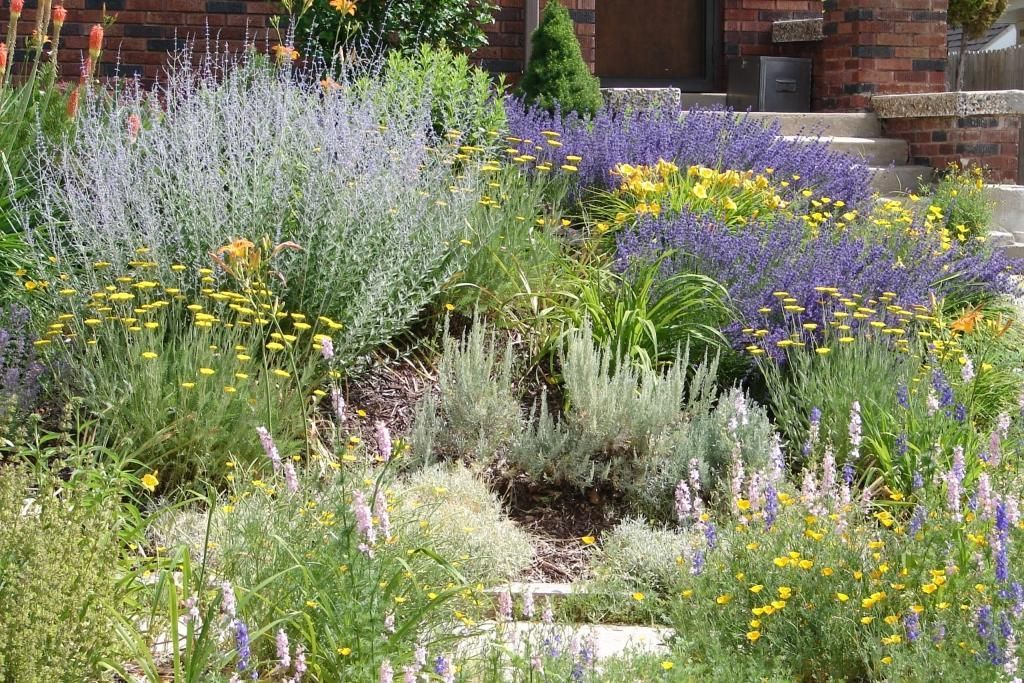
Your next step would be to create habitat. A pollinator friendly landscape does not need to be large in scope. A dedicated space in the landscape, sheltered from the prevailing winds, such as a landscape border or other dedicated garden area planted space is enough to create an environment to attract bees and other pollinators. It can be done in stages if you wish to add to the size of the garden over time. It’s about creating a microclimate and habitat that will attract and protect bees and pollinators throughout the season. Removing a section of lawn space and replacing it with a native garden space is a great way to get started.
Your next step would be to create habitat. A pollinator friendly landscape does not need to be large in scope. A dedicated space in the landscape, sheltered from the prevailing winds, such as a landscape border or other dedicated garden area planted space is enough to create an environment to attract bees and other pollinators. It can be done in stages if you wish to add to the size of the garden over time. It’s about creating a microclimate and habitat that will attract and protect bees and pollinators throughout the season. Removing a section of lawn space and replacing it with a native garden space is a great way to get started.
Plant Selection
According to research, pollinators prefer to forage on native plants that have a diversity of bloom times throughout the entire growing season to provide a consistent supply of pollen and nectar. Flowering perennials are a great choice when planting for pollinators as they are easy to mass together by color and seasonality. Consider the following for pollinator plantings:
- A plant mix of flowing perennials with, middle, and late season bloom times
- Try to install 70-80 percent natives
- Bees tend to be attracted to purples, yellows, and whites, while reds attract more hummingbirds and butterflies.
- Be careful when choosing cultivars. It is best to avoid double-flowered, hybrid, and those that have a dramatic shift in color. They tend to not be as attractive to pollinators
- Bees tend to collect from a single species along each forage outing, so try to plant using groups of 5-7 plants.
Here are just a few of the great perennials that pollinators love and work well in Minnesota:
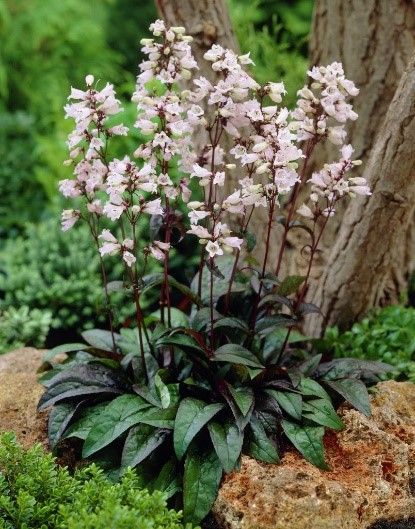
Beardtongue
An early bloomer w hich essential for bee colony development
An early bloomer w hich essential for bee colony development
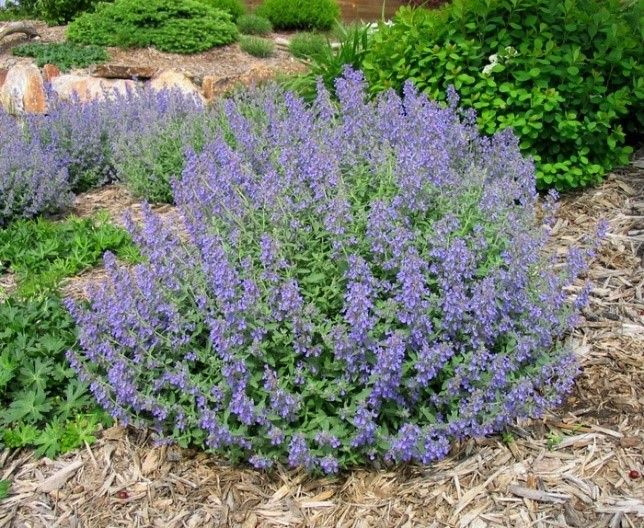
Walker’s Low Catmint
One of the longest blooming perennials enjoying a bloom time from late spring to late summer
One of the longest blooming perennials enjoying a bloom time from late spring to late summer
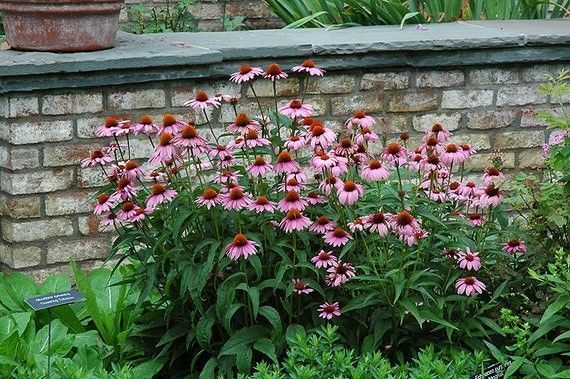
Purple Coneflower
A mid-season blooming native forb visited by several species of bees
A mid-season blooming native forb visited by several species of bees
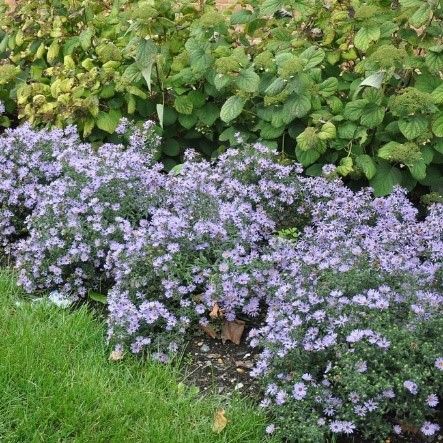
Aster
A late season bloomer that attracts a diversity of pollinators
A late season bloomer that attracts a diversity of pollinators
Grasses for Pollinators
“Over 70 species of butterflies and moths depend on native grasses as part of their lifecycles”. Grasses provide shelter, travel corridors, and protection from weather and predators. Butterflies utilize grasses to lay eggs which in turn host their larvae. Ground nesting bees will utilize open ground areas near grasses for their nests.
Here are a few suggestions for your landscape:
Here are a few suggestions for your landscape:
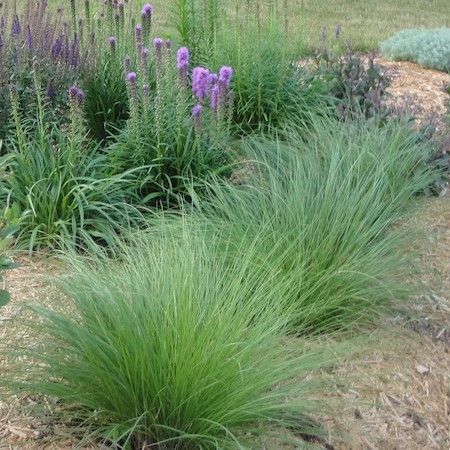
Prairie Dropseed
Offers nesting sites for butterflies and ground nesting bees
Offers nesting sites for butterflies and ground nesting bees
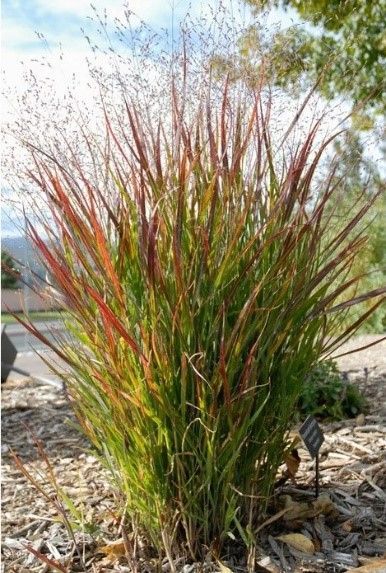
Switchgrass
Provides shelter and nesting for pollinators
Provides shelter and nesting for pollinators
Other grasses to consider would be big bluestem, buffalo grass, and Indian grass. They offer additional benefits of being low maintenance, help control soil erosion, and increase soil fertility.
Shrubs and Trees
Flowering shrubs and trees provide larger scale layers of habitat for pollinators and are great sources of food and pollen throughout the seasons. Fruit bearing trees such as apple, crabapple and pear rely on bees for pollination to produce fruit. Trees such as red maple, serviceberry and linden produce flowers at different times of the year that help attract pollinators to your yard. Native roses, lilacs, and other large flowering shrubs do the same. Smaller flowering shrubs can be added to give your bed or border more structure and seasonal attraction. Below, are just a few of the pollinator loving plants you could add to your garden that come in a range of sizes and flowering times.
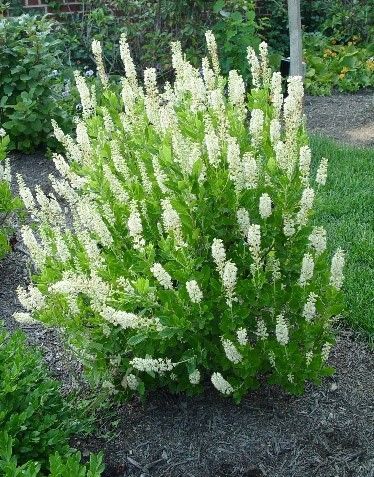
Summersweet
Native shrub offers mid summer blooms
Native shrub offers mid summer blooms
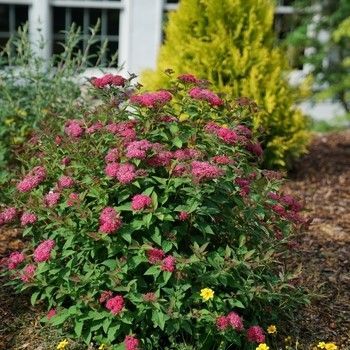
Spirea
Late spring, with intermittent repeat blooms
Late spring, with intermittent repeat blooms
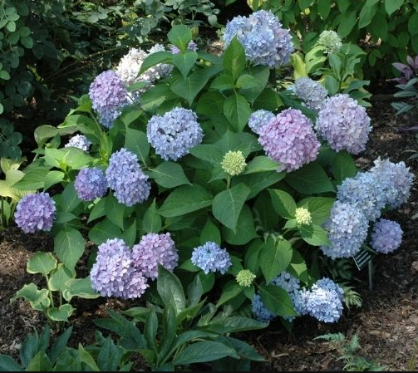
Hydrangea
Blooms spring, summer, and early fall
Blooms spring, summer, and early fall
Rewilding your lawn
A bigger step in creating a pollinator friendly landscape is to “rewild” your lawn and make it part of the ecosystem by planting a bee lawn mix containing white clover and other forbs into under-utilized lawn areas. This takes a bit of initial preparation and different upkeep from a traditional lawn, but the rewilding of lawn spaced likely has the greatest potential to dramatically increase pollinator habitat in residential areas.
Begin by prepping and over seeding your lawn with a bee lawn seed mixture. Once established, lawn care is pretty simple. Maintain the lawn at height of 3”-4” tall and you can choose to leave it alone during blooming periods to provide more forage to pollinators.
Avoid using commercial herbicides will kill off clover, self-heal, creeping thyme and others. You can spot treat or pull unwanted weeds as needed. Bee lawns require less maintenance, watering, fertilizers, and help fix nitrogen for improved soil fertility.
Begin by prepping and over seeding your lawn with a bee lawn seed mixture. Once established, lawn care is pretty simple. Maintain the lawn at height of 3”-4” tall and you can choose to leave it alone during blooming periods to provide more forage to pollinators.
Avoid using commercial herbicides will kill off clover, self-heal, creeping thyme and others. You can spot treat or pull unwanted weeds as needed. Bee lawns require less maintenance, watering, fertilizers, and help fix nitrogen for improved soil fertility.
Other Considerations
- Consider a bee nesting box
- Cut back perennials in the spring, rather than the fall to provide nesting habitat over the winter and a food source for birds.
- Leave dead wood from trimming on the ground for habitat
- Water and fertilizer plants to maintain robust growth and flowering potential
- Rain gardens are a great place to plant bee friendly pollinator gardens
Ready to Start on Your Next Project?
Call us at (763) 568-7251 or visit our quote page.
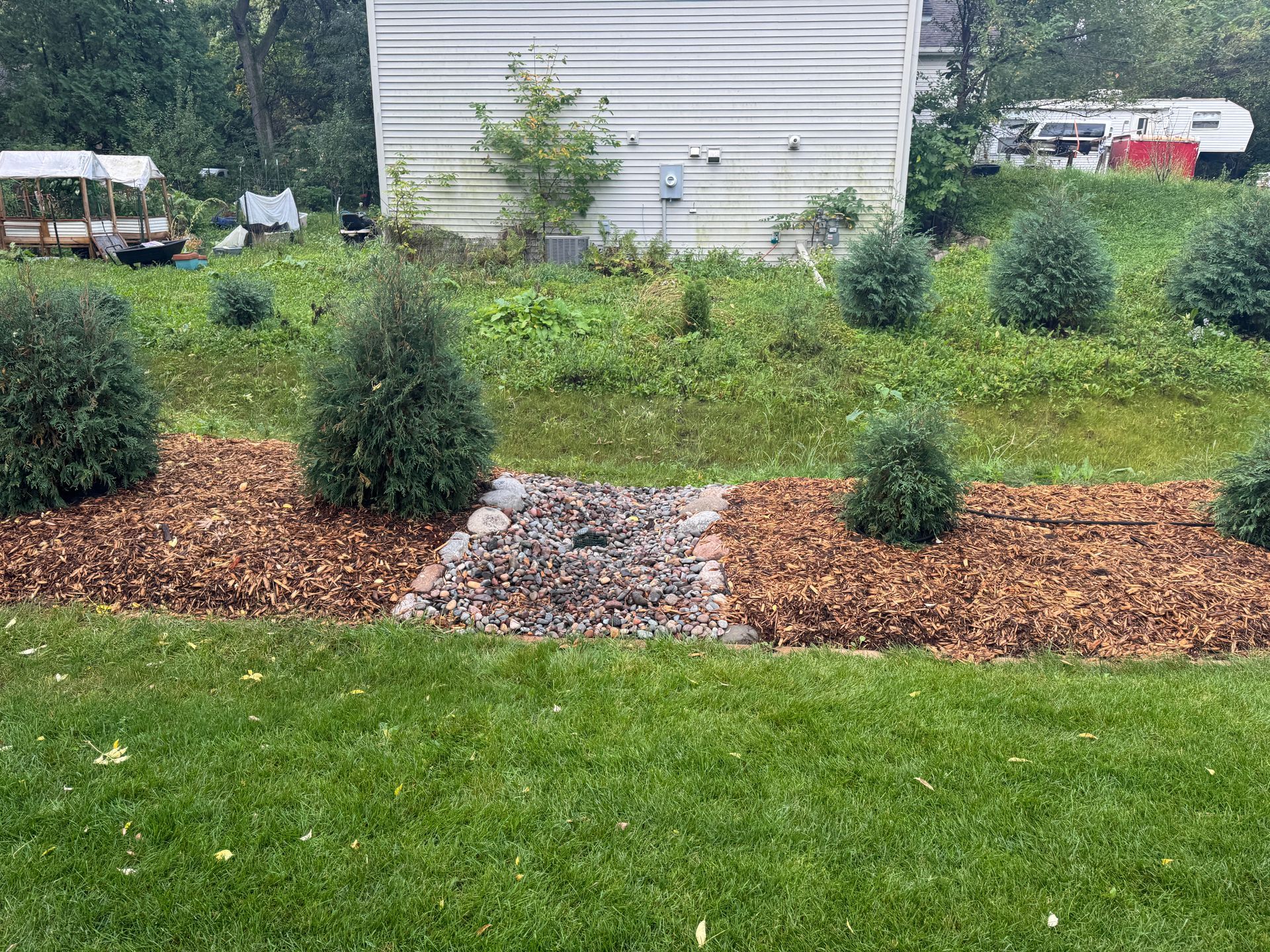
The legendary architect Louis Sullivan coined a phrase that has driven architecture and design ever since: "form follows function." While aesthetics are critical to buildings and landscapes alike, that physical beauty must always remain secondary to the fundamentals of good design. In Shoreview, Minnesota, just outside St. Paul , we encountered a landscape where, unfortunately, function followed form. Here, the realities and principles of effective drainage were downstream of their original builder's aesthetic choices. That meant water from snowmelt and rainfall was streaming into parts of the lawn where it wasn't meant to be. The standing water that had been allowed to collect in the back and side yards was putting a considerable amount of the property out of play. In order to reclaim usable space and rethink the way the land handled water, this Shoreview homeowner entrusted KG Landscape with identifying key issues, presenting potential solutions, and doing the necessary work the client decided upon to restore their lawn.
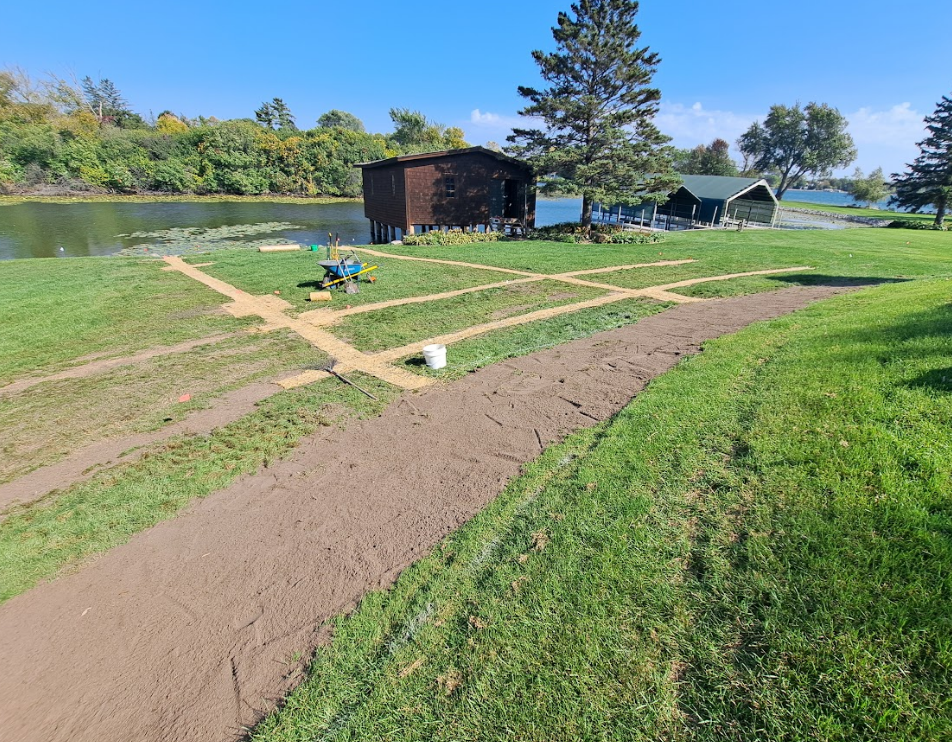
On the shores of Lake Minnetonka, perhaps the most famous of Minnesota's 10,000 lakes, an Orono, Minnesota homeowner was struggling with a back yard that was becoming more marsh than yard. The yard was a scenic one. The back porch opened up to the top of a small hill, which rolled down toward the lakefront and the boathouse. This flat space between the hill and the water would be ideal for backyard barbecues, some low-stakes games of bocce and badminton, or simply a spot to lay down a towel and get some summer reading done. Instead, this area was too waterlogged to enjoy. The runoff from the hilltop combined with unfavorable soil composition were limiting the use of the yard, closing off space while even diminishing the quality of the turf. How would this homeowner be able to reclaim this unusable land without disrupting the Lake Minnetonka shoreline that made the property so attractive? To find a solution, they turned to KG Landscape.
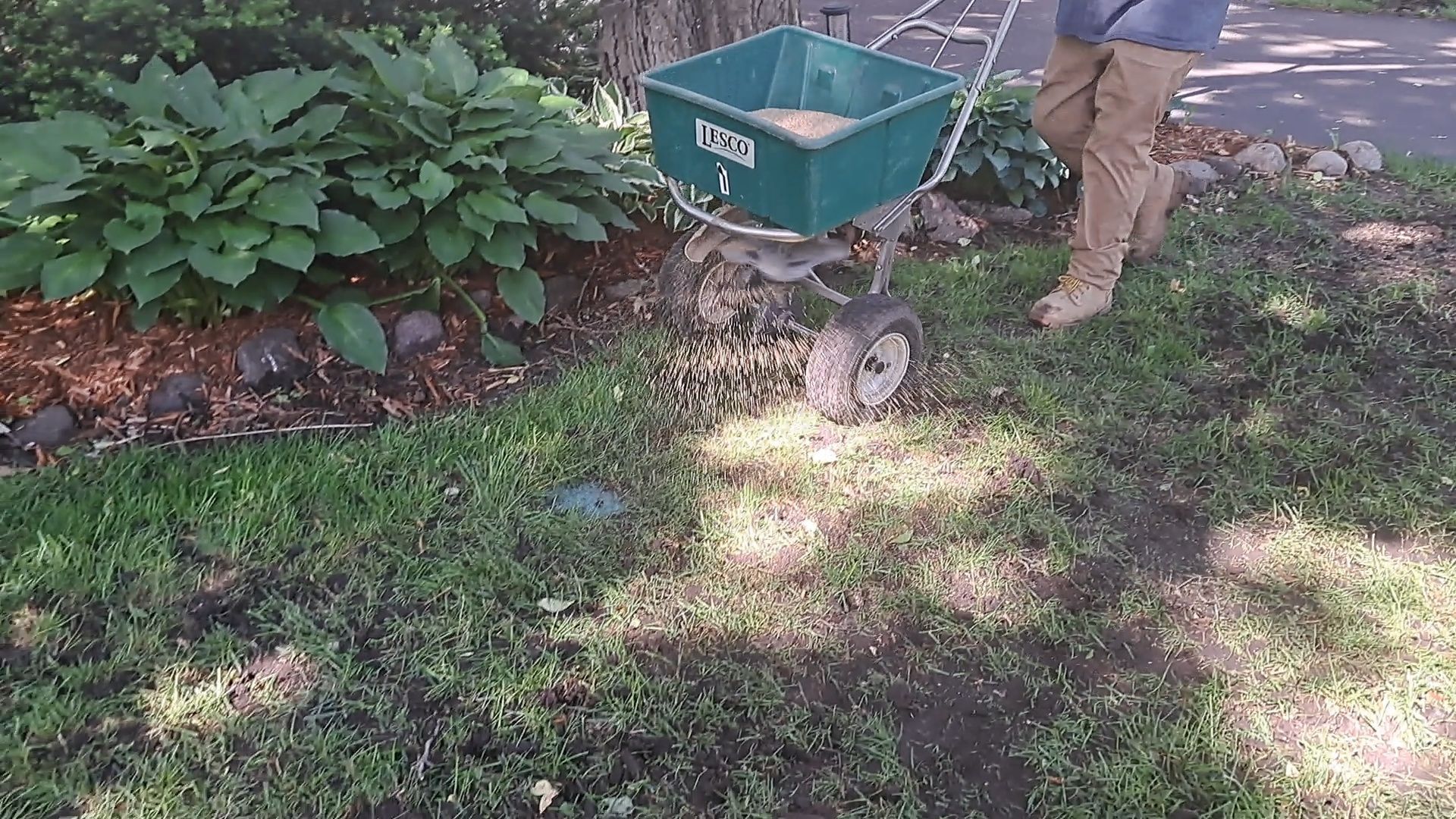
Can you use compost as lawn fertilizer in Minnesota? Learn how compost feeds turf, how to apply it, and where it fits. Get a free quote.
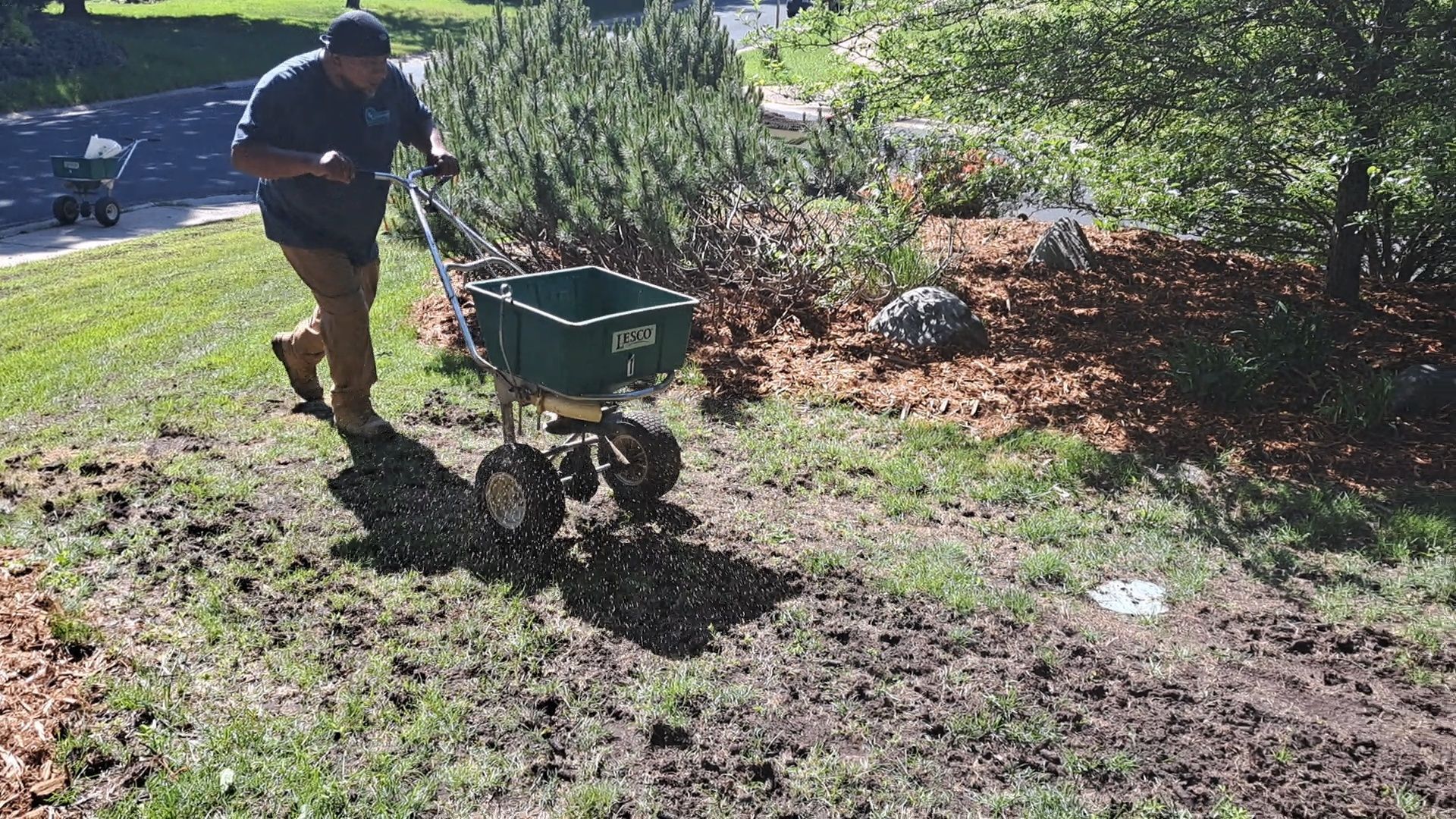
Organic weed control for Minnesota lawns: what works, what doesn't, and how to manage weeds without harsh chemicals. Get a quote.
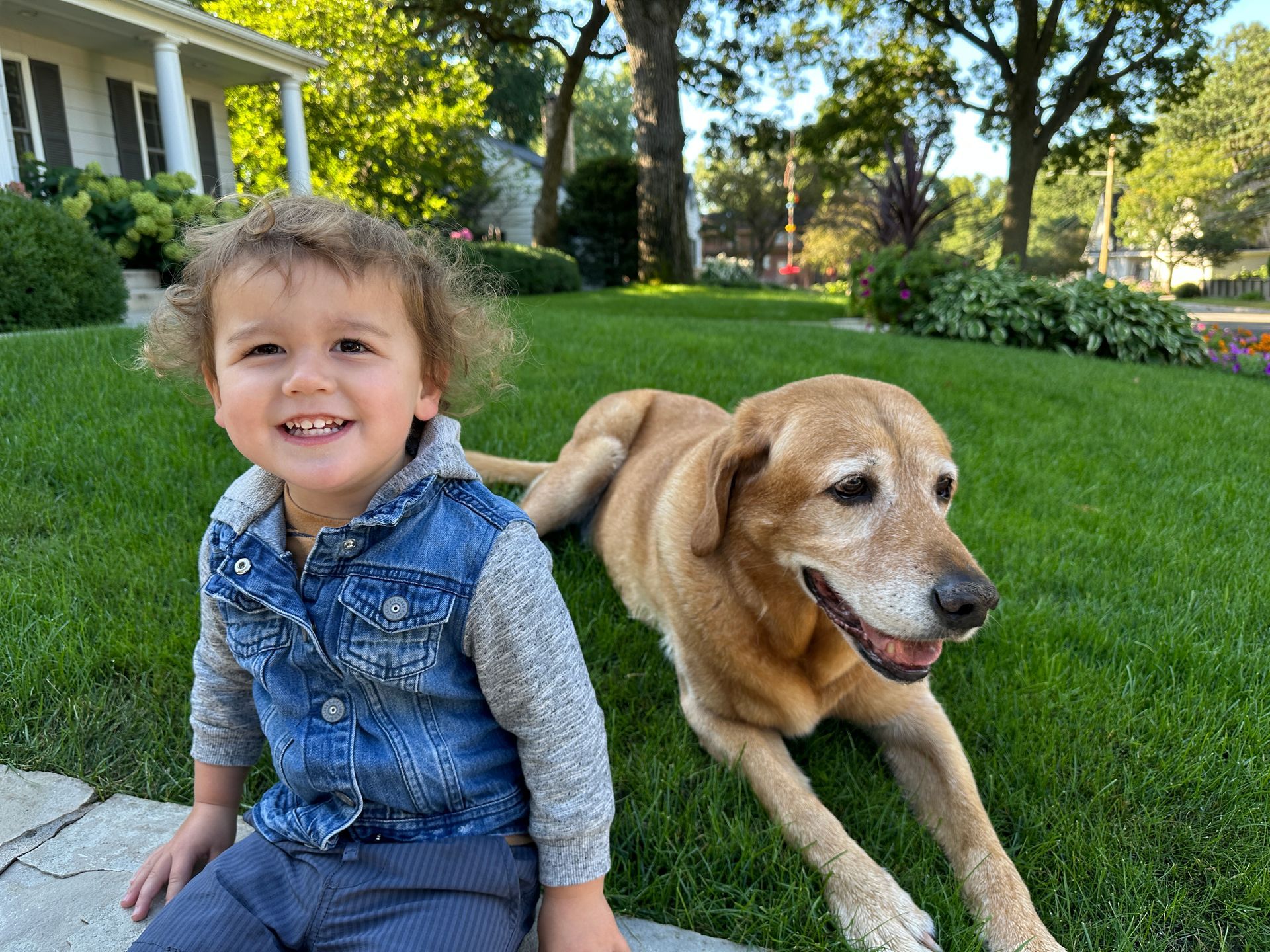
Keep your lawn and your pets safe. Pet-safe lawn care tips for Minnesota yards, from products to timing. Get a free quote.
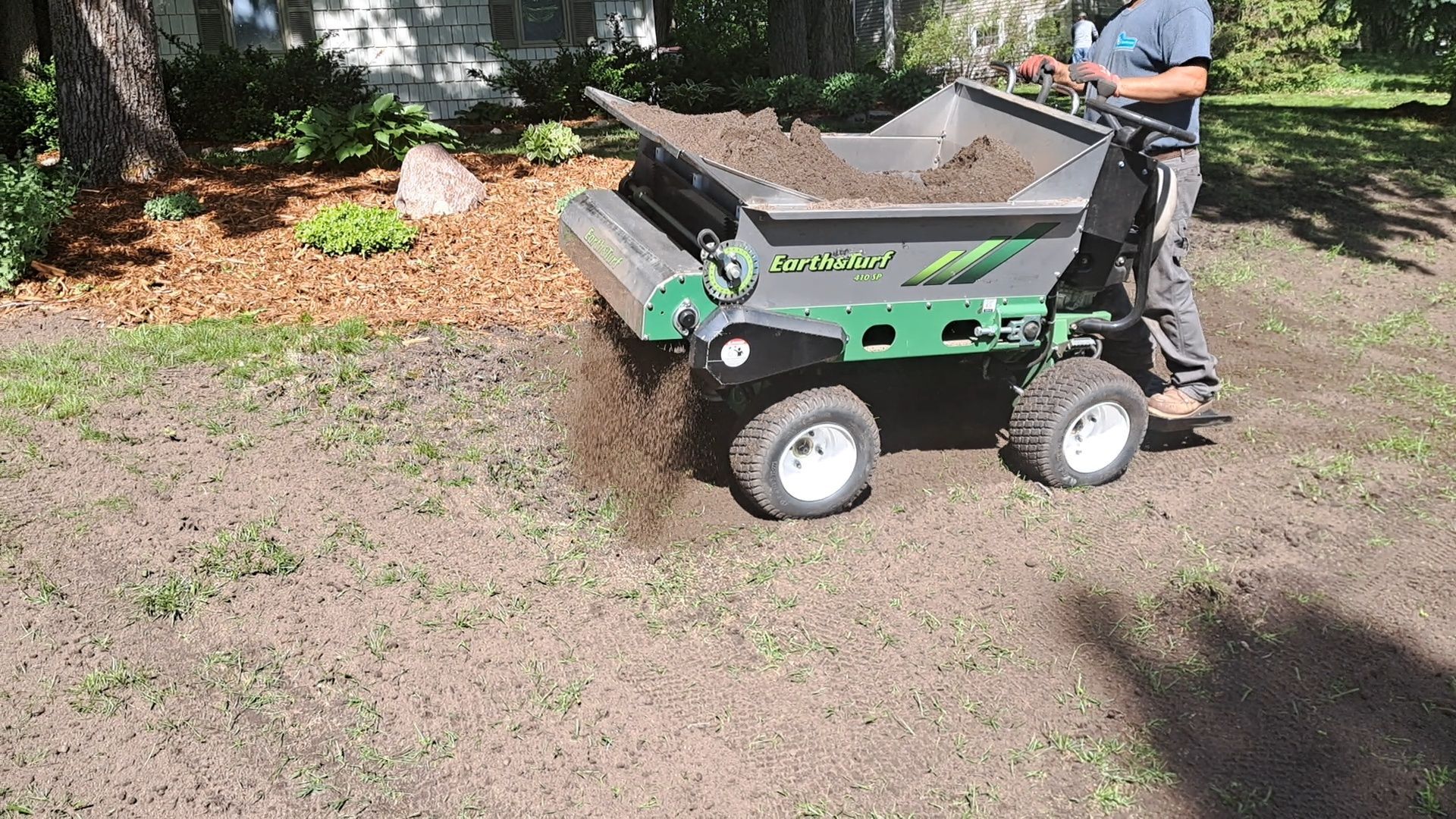
Looking for the best organic lawn fertilizer in Minnesota? See top options, how they feed your turf, and what KG uses. Get a quote.
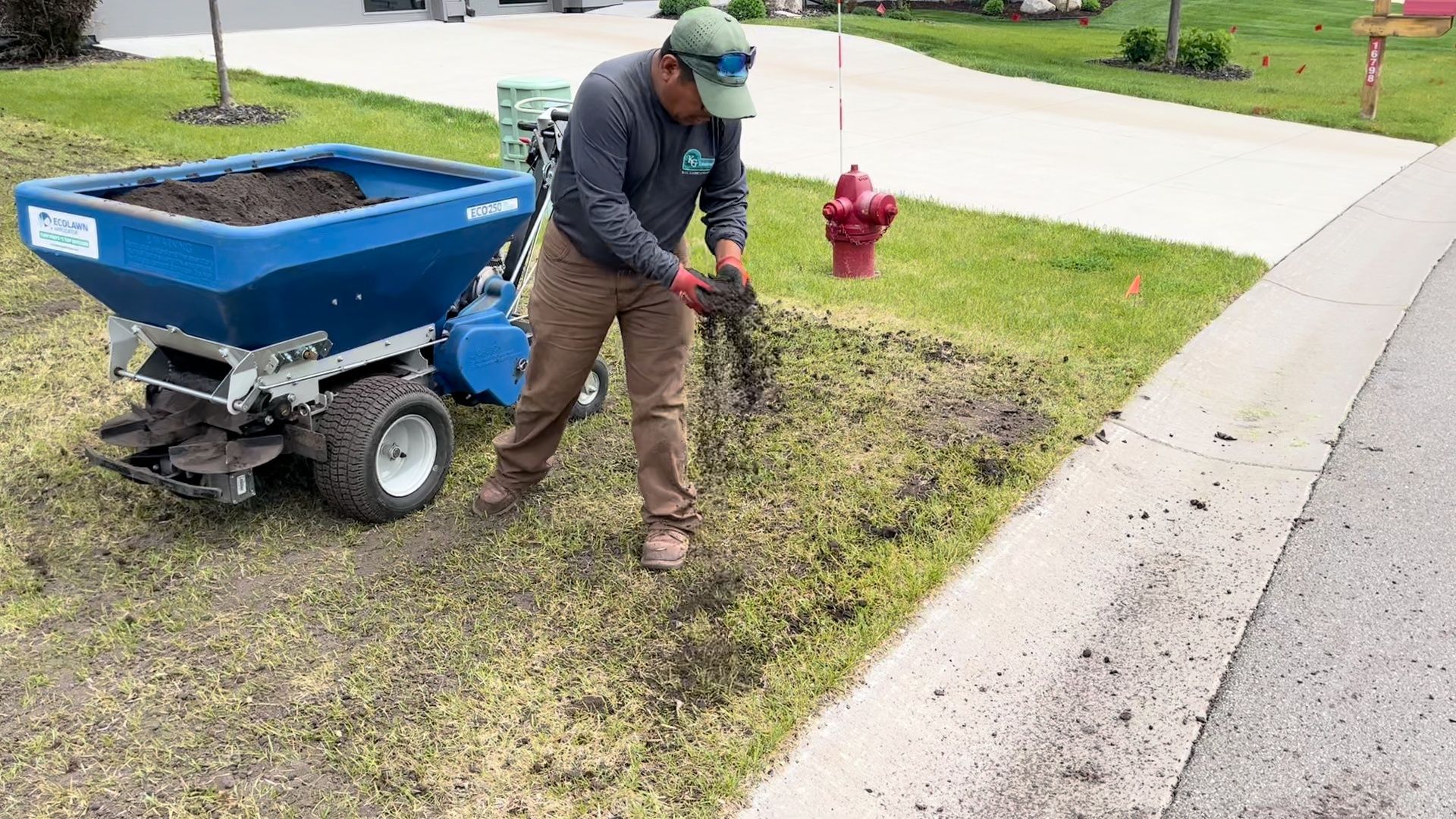
Is compost a fertilizer? Learn what compost does for your Minnesota lawn, how it differs from fertilizer, and when to use it. Get a quote.
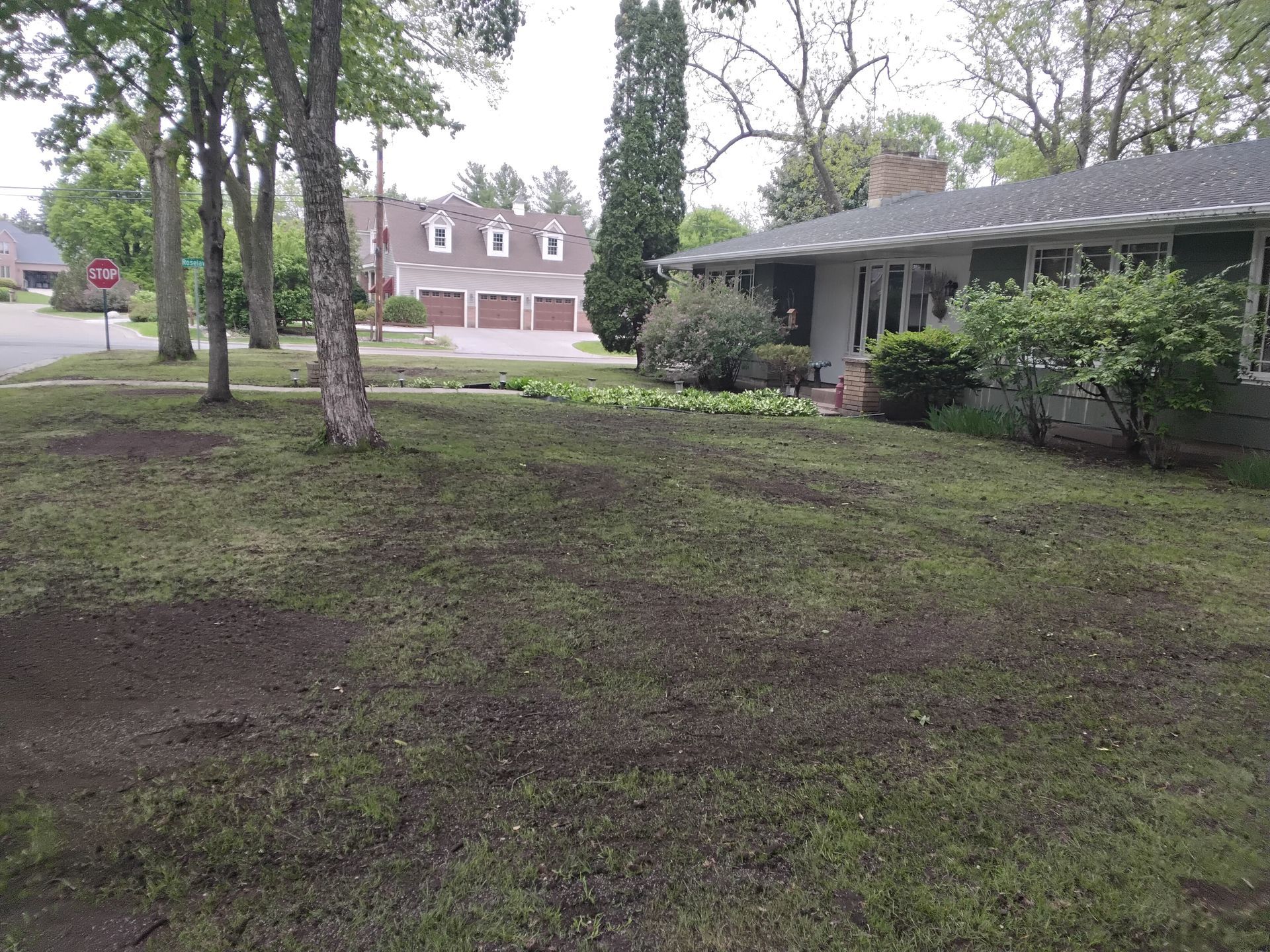
Compost feeds the soil, fertilizer feeds the grass. Learn which your Minnesota lawn needs, when to use each, and how to apply both. Get a quote.
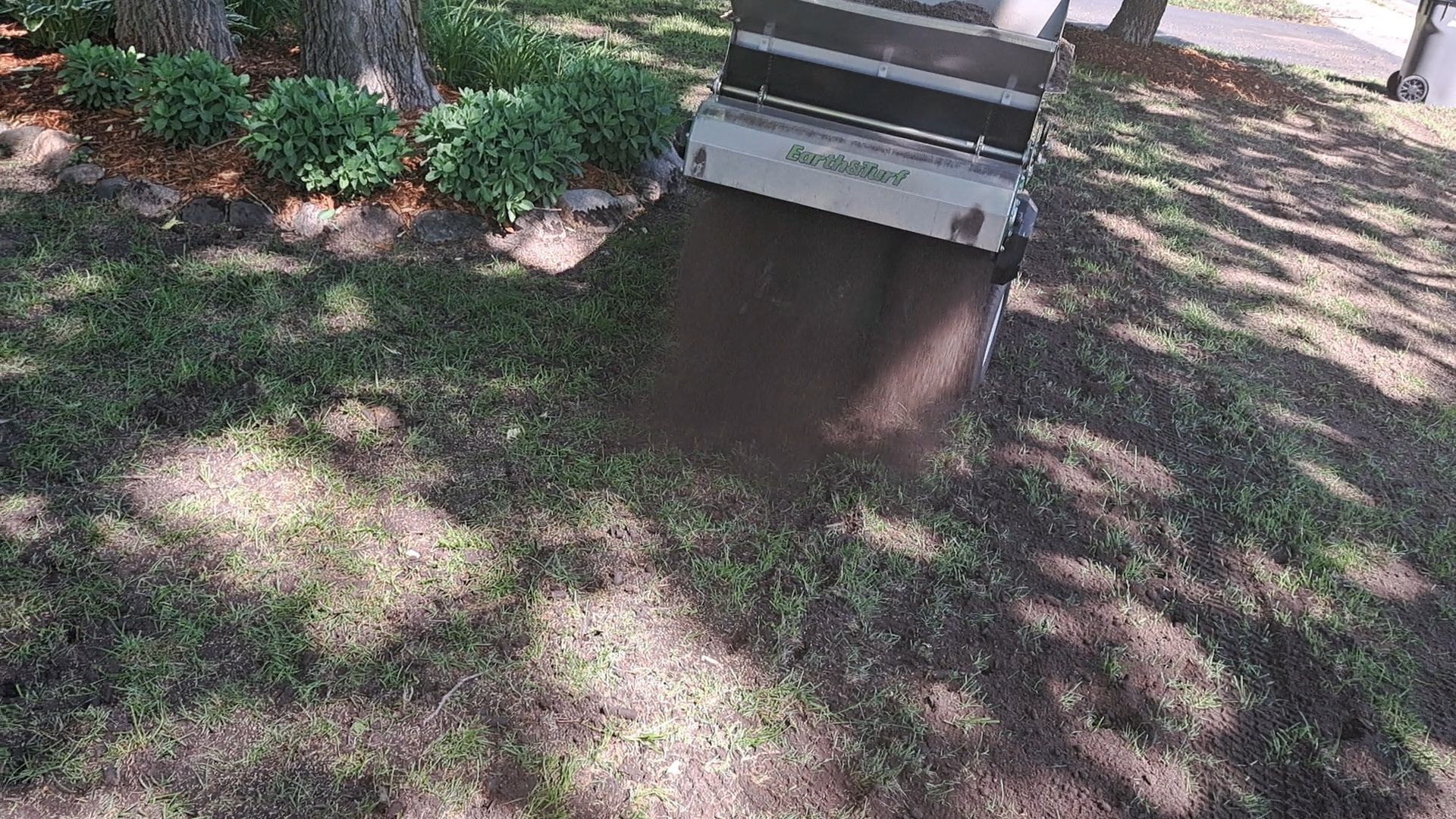
Eco-friendly lawn care tips for Twin Cities yards: cut chemicals, save water, and build healthy soil naturally. Get a free quote.
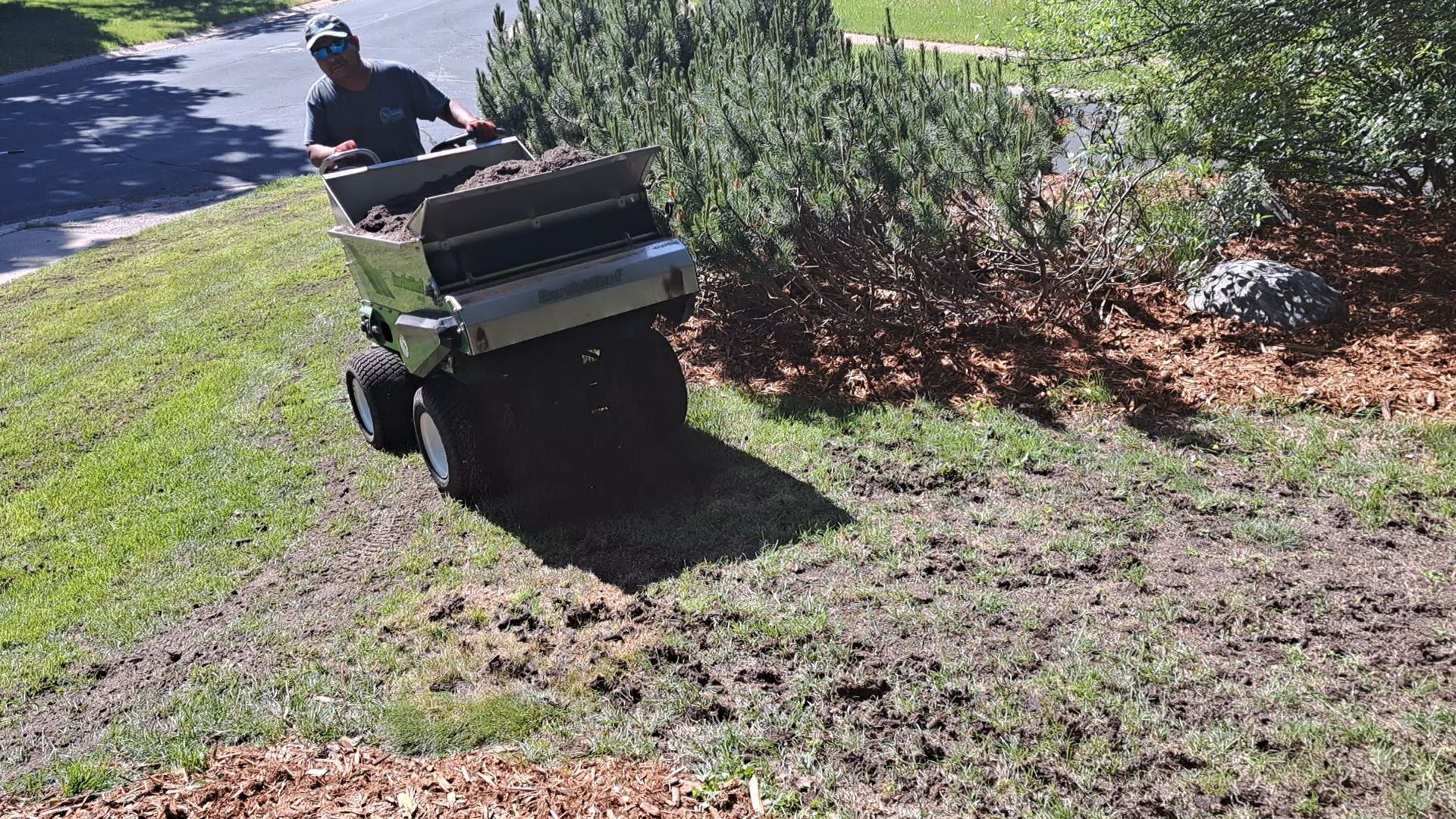
Simple, proven lawn care tips for Minnesota yards: mowing, watering, feeding, and building healthy soil that lasts. Get a free quote.