
Unique Retaining Wall Ideas
Everyone wants to be that house on the block with a beautiful pool and cascading terraces of vibrant landscaping. While pools, patios, and other attractive outdoor features are appealing to homeowners, it’s impossible to install them on uneven terrain. If your yard is steeply sloped, you need retaining walls
to level off the surface, so construction of fun new backyard features can occur.
What Are the Benefits of Retaining Walls?
Retaining walls serve a variety of purposes for different types of properties. Typically built out of stone or wood, retaining walls are used to level off any uneven ground so homeowners can install attractive outdoor features like pools, play areas, patios, and gardens.
Retaining walls are also instrumental in grading steep slopes. Implementing them allows you to easily mow or walk on more vertical areas of your property. The walls are designed to resist lateral soil pressure so that you can create multiple levels of ground elevation with flat surfaces. It’s a fantastic solution for homeowners concerned about toppling their lawnmowers over while cutting down the grass on significant inclines.
Homeowners also install retaining walls if their property has drainage issues. No one wants to hang out in a muddy, wet, swamp-like backyard. Retaining walls allow rainwater to run off the terrain more effectively than if it was still a steep slope. If you find that your yard is pooling with water after heavy rainfall, consider consulting with a local landscaping company to determine if retaining walls are a useful solution to the apparent drainage problem.
Unique Retaining Wall Ideas For Your Yard
You don’t have to sacrifice beauty and style for function when installing retaining walls on your property. There are plenty of unique ways to incorporate retaining walls into the landscape to create an attractive hang out spot or plant exotic-looking flower species. You can use various materials to create an appealing outdoor oasis for your friends and family to enjoy.
Stone Retaining Walls
The most popular material used for retaining walls is stone. You’ll see stone walls supporting the soil in suburban areas, on urban street corners, and in rolling, rural terrain. There are several ways to use stones to create beautiful retaining walls:
1. Decorative Concrete Blocks
You can use precisely placed decorative concrete blocks to create eye-catching patterns and modern effects on your property. Decorative concrete blocks work well on broad spanning properties. They’re strong, so they make a fantastic retaining wall material if you want to install a pool.
2. Interlocking Bricks
Interlocking bricks are another charming retaining wall material. You can easily match it to existing walkways
or an outdoor kitchen, so your entire backyard oasis is uniform. Bricks come in a variety of colors to choose from to perfectly suit your style.
3. Dry Stone Walls
Many homeowners love the rugged, mismatched style of dry stone walls. There is a wide variety of stone types to choose from for your retaining walls:
Wood Retaining Walls
Another popular option for retaining wall material is wood. You can use wood in a variety of unique ways to add natural, rustic charm to your landscape. While wood retaining walls are beautiful, they require additional upkeep throughout the year to ensure they are stable enough to hold up the soil. Wood retaining walls require excellent drainage, so water doesn’t linger and lead to mold, mildew, and wood rot. Seal your retaining wall periodically to keep moisture out of the wooden pieces.
1. Railroad Ties
For an incredibly rustic feel, opt for railroad ties as your retaining wall material. The antique materials were selected from the highest quality wood available to create the foundation for our country’s original railroads. Railroad ties are thicker than standard timber, so you can expect unwavering stability when they’re installed correctly.
2. Timber
Most wood retaining walls are made from standard timber materials. Different types of hardwoods and softwoods supply unique styles. Teak is the most typical selection for outdoor use because it’s incredibly durable and water-resistant.
Alternative Retaining Wall Materials
You can use several other stunning materials to create beautiful, aesthetically pleasing retaining walls on your property. Although they are used less often in landscaping than stone and wood, the following materials are attractive alternatives that can reflect your unique style:
1. Steel Plates
If your home has a sleek, modern aesthetic, steel plates will probably look perfect on your property. Steel plates are incredibly sturdy and conjure up an industrial atmosphere in your garden or landscape.
2. Living Walls
For avid gardeners, living walls are an excellent alternative retaining wall option. Use strategically placed concrete slabs to create spaces to plant vibrant species of flowers and vines. As the plants flourish, the concrete blocks will disappear into the background, giving off the impression of an entirely “living” wall.
3. Rendered and Painted Retaining Walls
If you’re an avid traveler, you may have seen rendered and painted retaining walls in Mediterranean regions. This type of material adds a bold, tropical air to your landscape design. You can paint the rendered retaining walls to add a vibrant pop of color, or so they blend into the natural landscape.
Beautiful and Functional Additions to Your Retaining Wall
Once you’ve decided on materials for your new retaining wall, you can start discussing different additional features to add to your freshly leveled landscape. Various features offer both functionality and beauty to your backyard. If it’s wide enough, you can install the following attractive additions to the flat area created above the installed retaining walls:
Your yard doesn’t have to look bland and boring after you level it off with retaining walls. Utilize the new, open space for eye-catching landscaping, pools, and other hangout areas for your family and friends to enjoy. Contact
an experienced landscape design company to transform your steep, wet, unwelcoming yard into a lovely, level lawn that you’ll love to spend time in for years to come.
Ready to Start on Your Next Project?
Call us at (763) 568-7251 or visit our quote page.
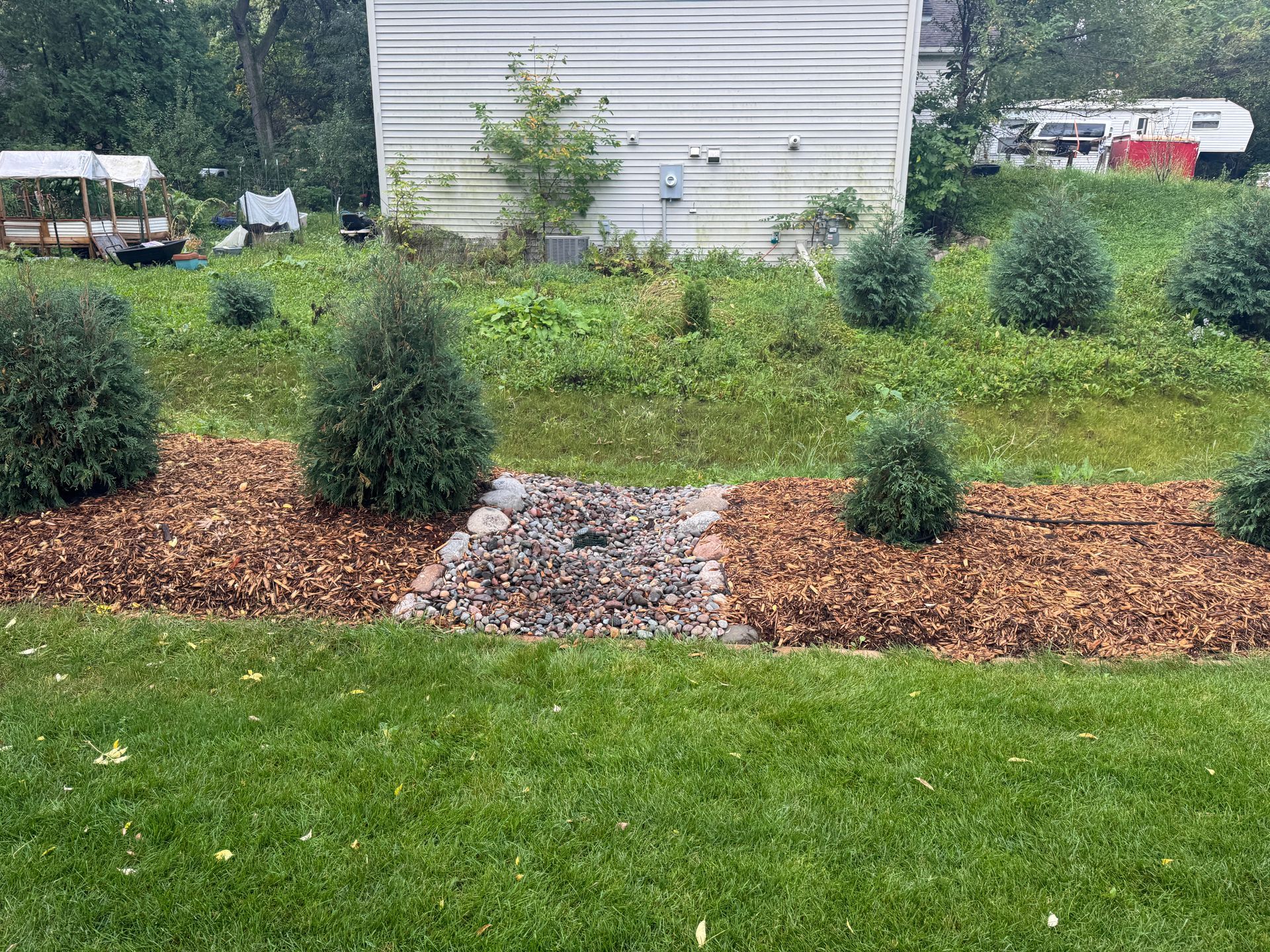
Learn how KG Landscape restored a backyard swale in Shoreview, MN, fixing drainage issues. Contact us for expert landscaping solutions!
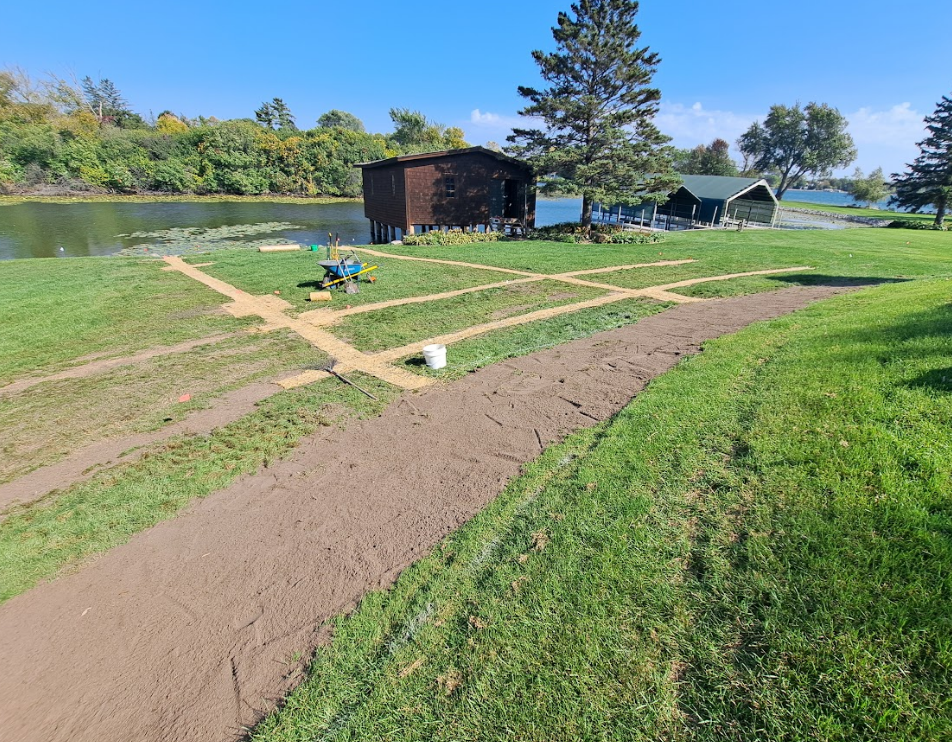
Learn how KG Landscape solved a waterlogged yard issue in Orono, MN. Contact us for eco-friendly drainage solutions today!
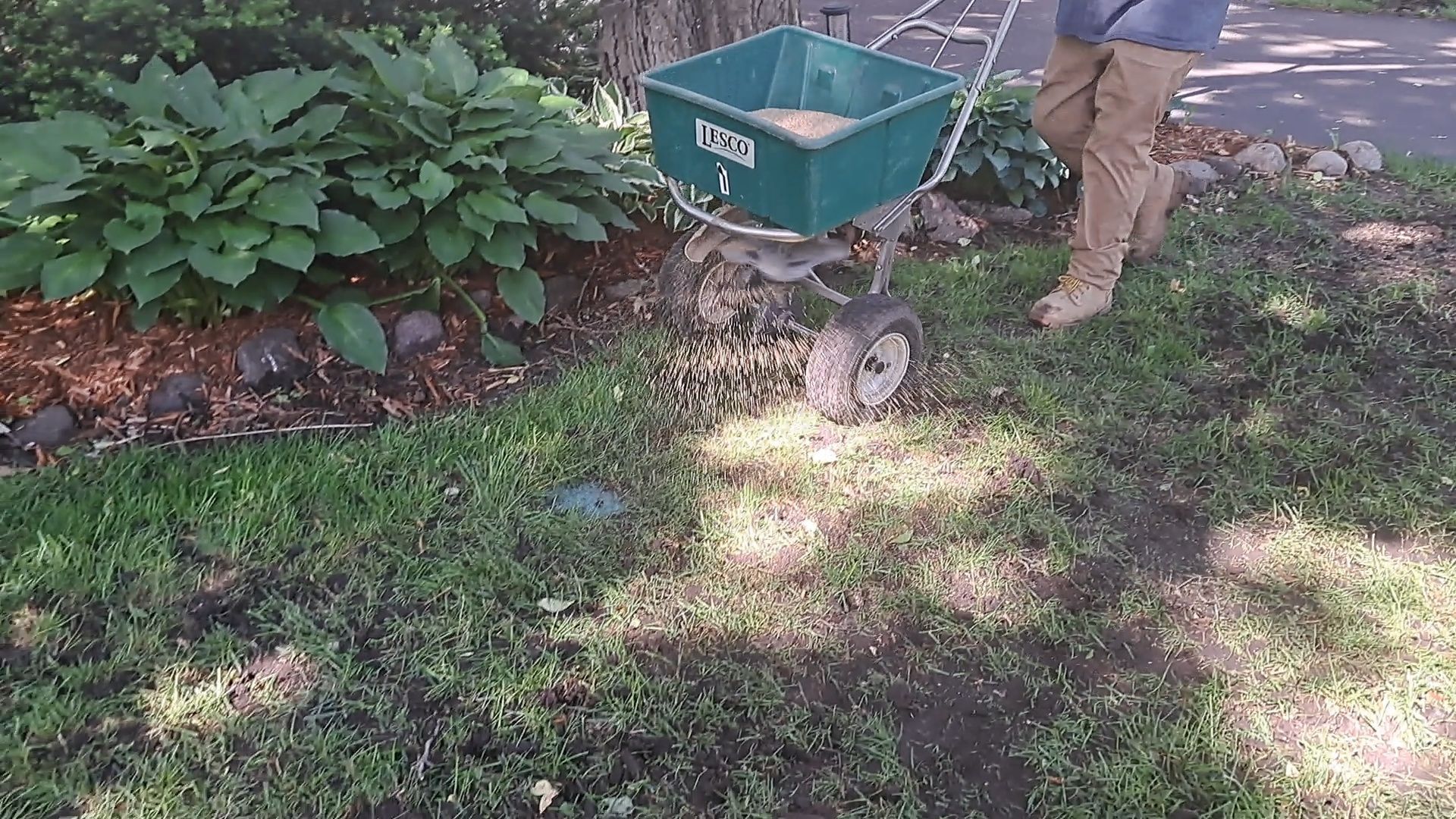
Can you use compost as lawn fertilizer in Minnesota? Learn how compost feeds turf, how to apply it, and where it fits. Get a free quote.
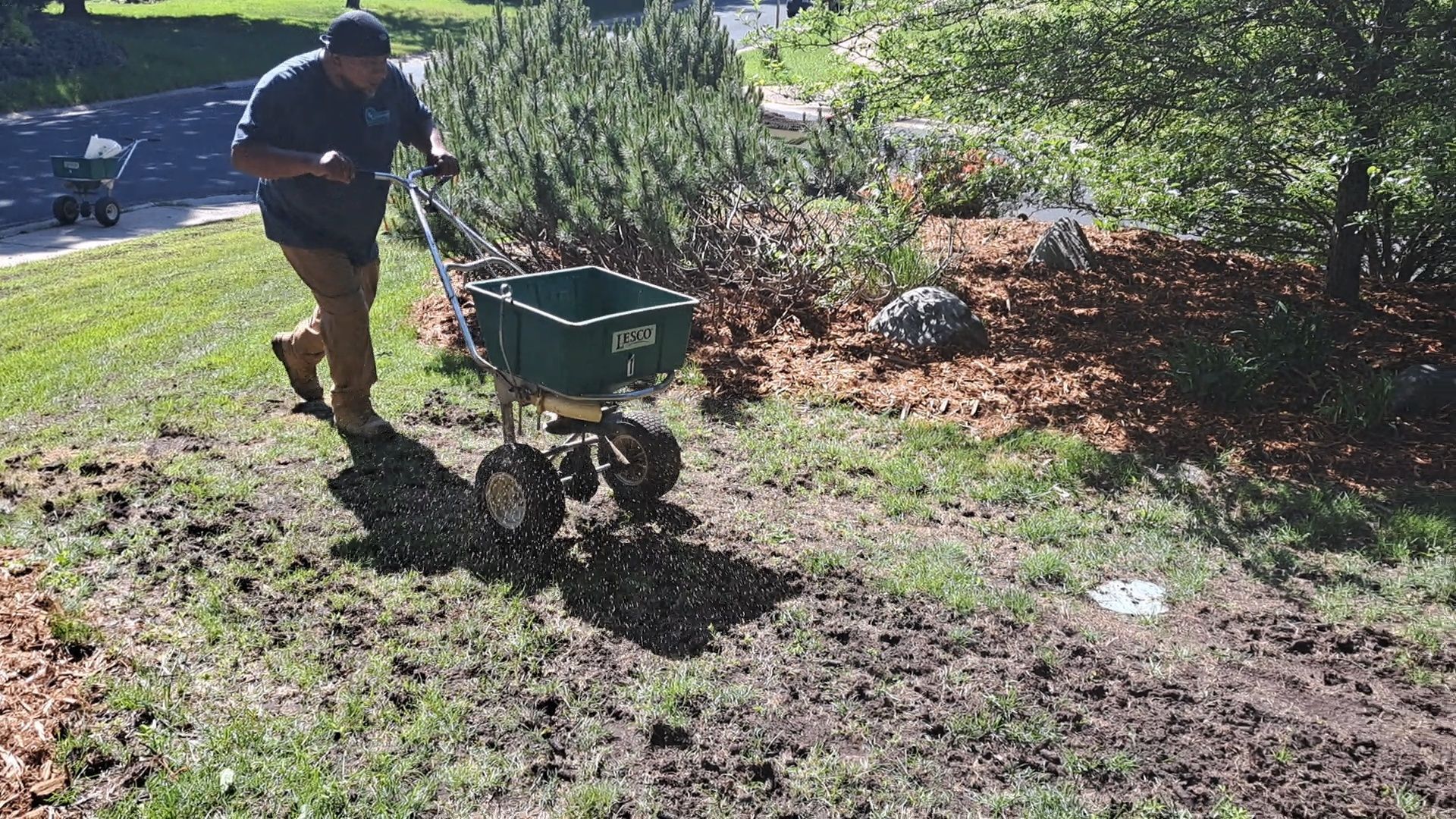
Organic weed control for Minnesota lawns: what works, what doesn't, and how to manage weeds without harsh chemicals. Get a quote.

Keep your lawn and your pets safe. Pet-safe lawn care tips for Minnesota yards, from products to timing. Get a free quote.
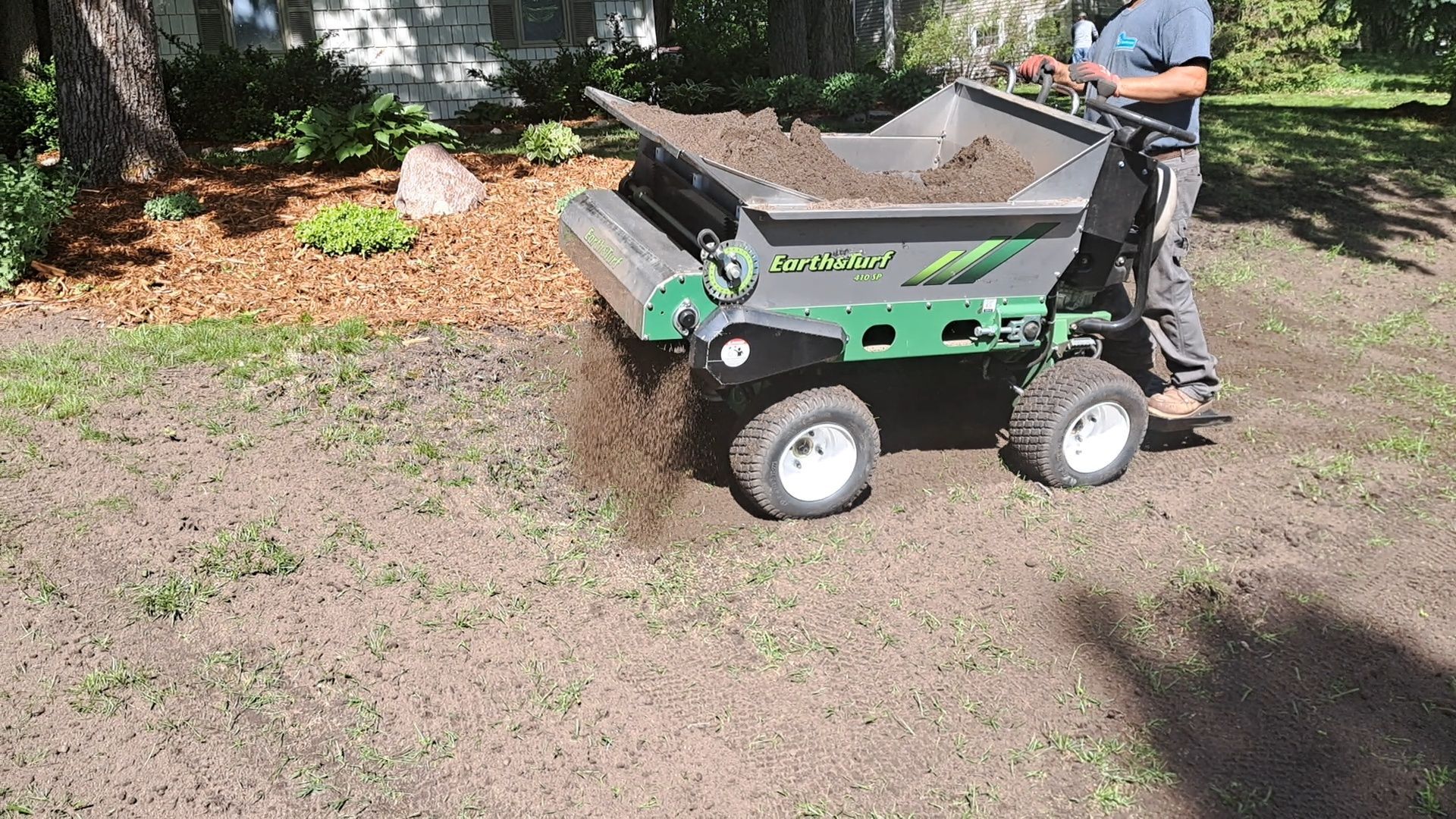
Looking for the best organic lawn fertilizer in Minnesota? See top options, how they feed your turf, and what KG uses. Get a quote.
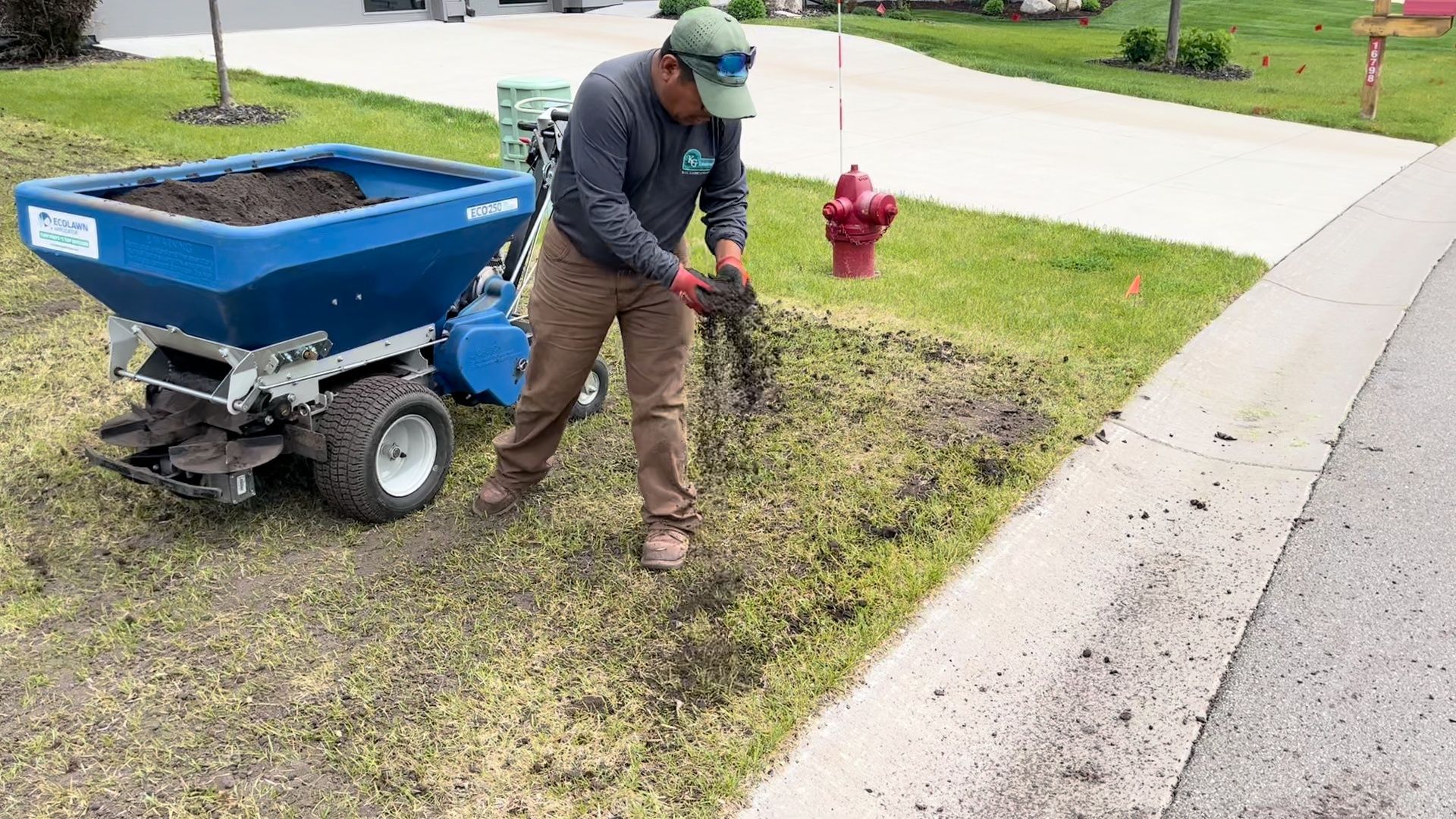
Is compost a fertilizer? Learn what compost does for your Minnesota lawn, how it differs from fertilizer, and when to use it. Get a quote.
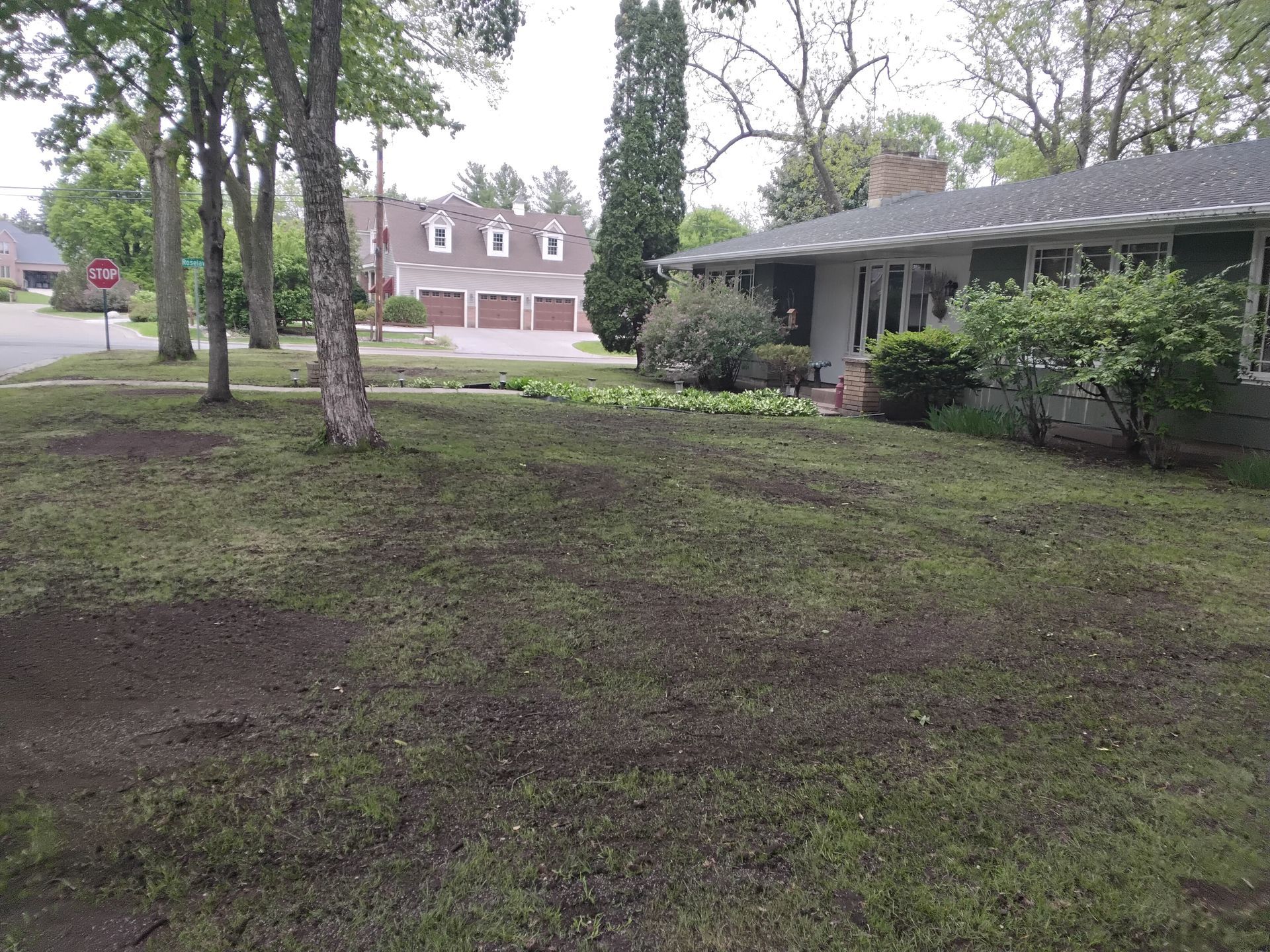
Compost feeds the soil, fertilizer feeds the grass. Learn which your Minnesota lawn needs, when to use each, and how to apply both. Get a quote.
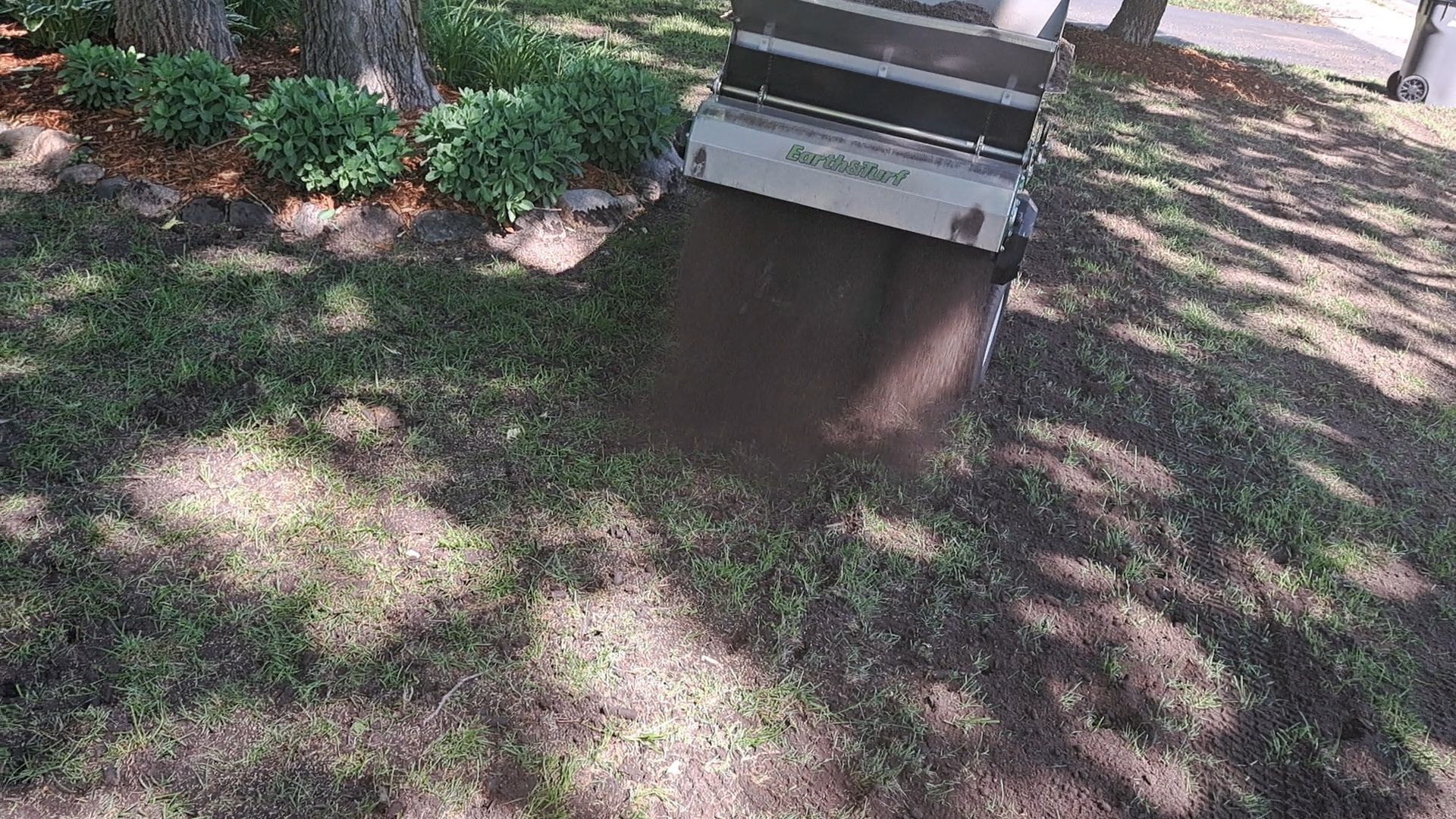
Eco-friendly lawn care tips for Twin Cities yards: cut chemicals, save water, and build healthy soil naturally. Get a free quote.
Simple, proven lawn care tips for Minnesota yards: mowing, watering, feeding, and building healthy soil that lasts. Get a free quote.