
Choosing The Right Deicing Product
The types of deicing products and their uses are many and varied.
While many may think that deicing is as simple as throwing down salt in cold temperatures and expecting it to clear up all of the ice, this is not the case. There are many factors that can affect how well a deicer does its job and dictate when and where a certain product should be used.
Some of the factors include but are not limited to:
Surface Type for Deicing Material
More often than not you will be treating a concrete or asphalt driveway/sidewalk. When applying any chloride based deicing product (rock salt is sodium-chloride) to a concrete surface there will be some kind of corrosion. The amount of damage caused by the repeated use of deicing can be controlled by using a gentler deicing product. For example Calcium Magnesium acetate (used at airports & parking garages). You can also apply the deicer following some simple steps that may reduce the amount of deicer used and so the amount that comes in contact with the surface you are trying to protect. These steps are
Another surface that can have problems if the wrong deicing product is used is decking or any wooden surface. If for example any chloride based product is applied it can create 2 potential hazards. The first being that the chloride will begin to corrode the fastening system holding the deck together. The second being that the brine will attract moisture in the pores of the wood and this will allow the water to refreeze as black ice.
Temperature Of Snow And Ice
Another factor that can change the deicing product that you select is the temperature. Not all deicing products are the same when it comes to their peak operating temperature. For example rock salt (sodium chloride) will be effective to around 20F then the reaction with the ice begins to slow down as the temperature drops. So if it is an absolute must that you have your driveway/parking lot clear of ice completely in temperatures as low as -20F, rock salt is not the deicing product for you. This is where Calcium Chloride comes in and would be the product for you. It has an effective melting range all the way down to -25F and a very fast reaction time, relative to other deicing chemicals. There are many products that fill in the temperature range that may be better suited to your needs, as there is a correlation between the effectiveness of a deicing product and its price.
Cost of Deicing Material
As mentioned above the price of deicing products usually depends on the effectiveness of the product in different conditions and temperatures. Deicing products are a very important item to have on hand as we all know a winter storm can sneak up on us at any time. So holding enough on hand can be crucial but this also needs to be balanced with not holding too much inventory as that can lead to a surplus of product at the end of the season if there is only a light winter. This then is an expense that could have been avoided or at the least mitigated. For example if you simply cannot have a time where you run out of deicing product but need to keep inventory value lower, a lower cost (possibly slightly less effective) higher volume product may be for you. Whereas if you are only concerned about those times when temperatures reach an extreme then a higher cost but lower volume may be the choice for you. It is a balancing act when it comes to avoiding wastage at the end of a season.
In Conclusion
So as you can see snow and ice control is a balancing act. You are balancing performance, which is generally defined as a black and wet surface, against adverse consequences, which encompasses everything from cost, to the right chemistry for your environment and collateral impact.
The post Choosing The Right Deicing Product
appeared first on KG Landscape Management.
Ready to Start on Your Next Project?
Call us at (763) 568-7251 or visit our quote page.
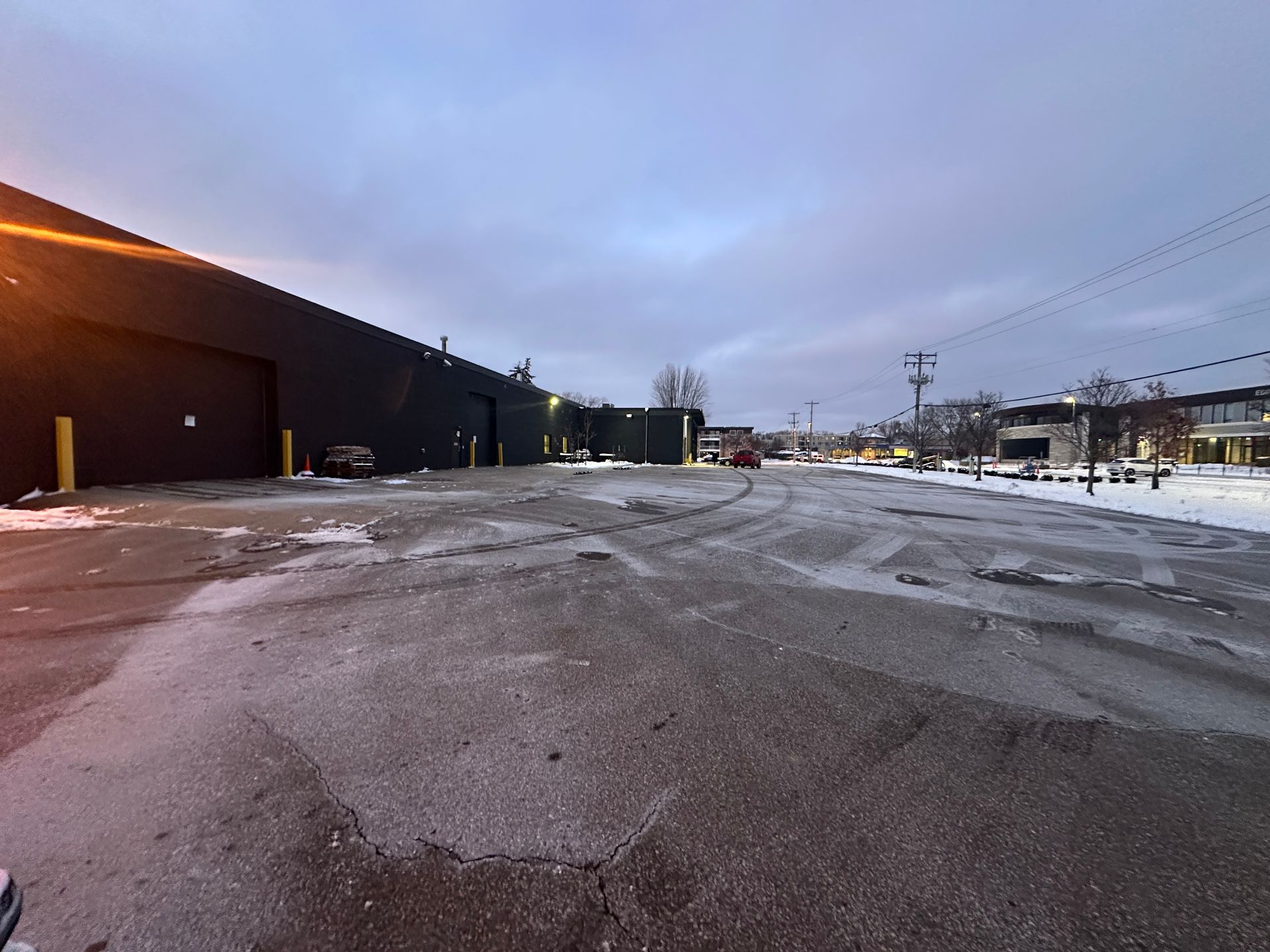
Your Arden Hills office park needs to be clear before the morning commute. Here's how overnight commercial snow removal works.
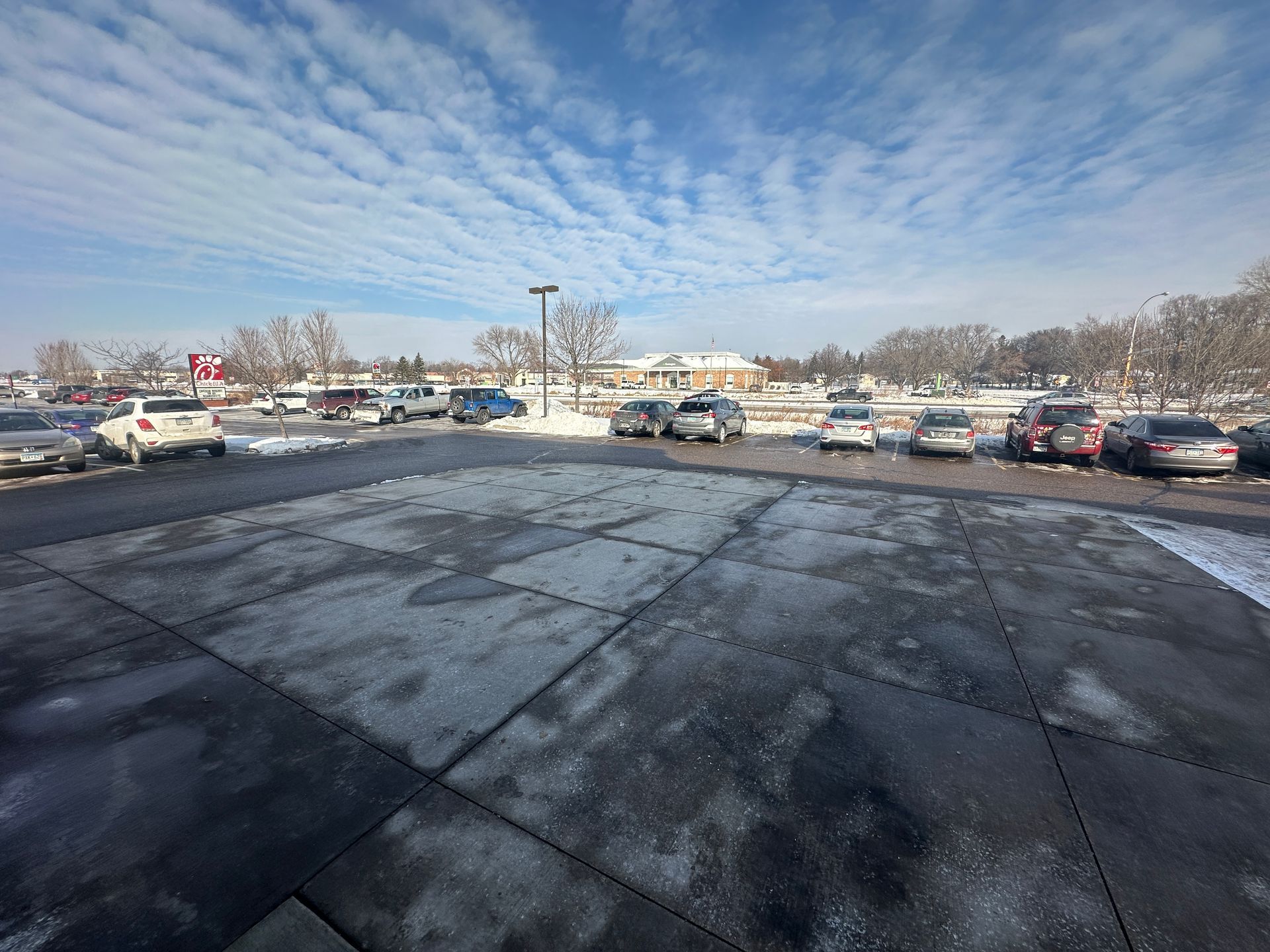
Your Bloomington restaurant closes late and opens early. Here is how snow removal works in that narrow window.
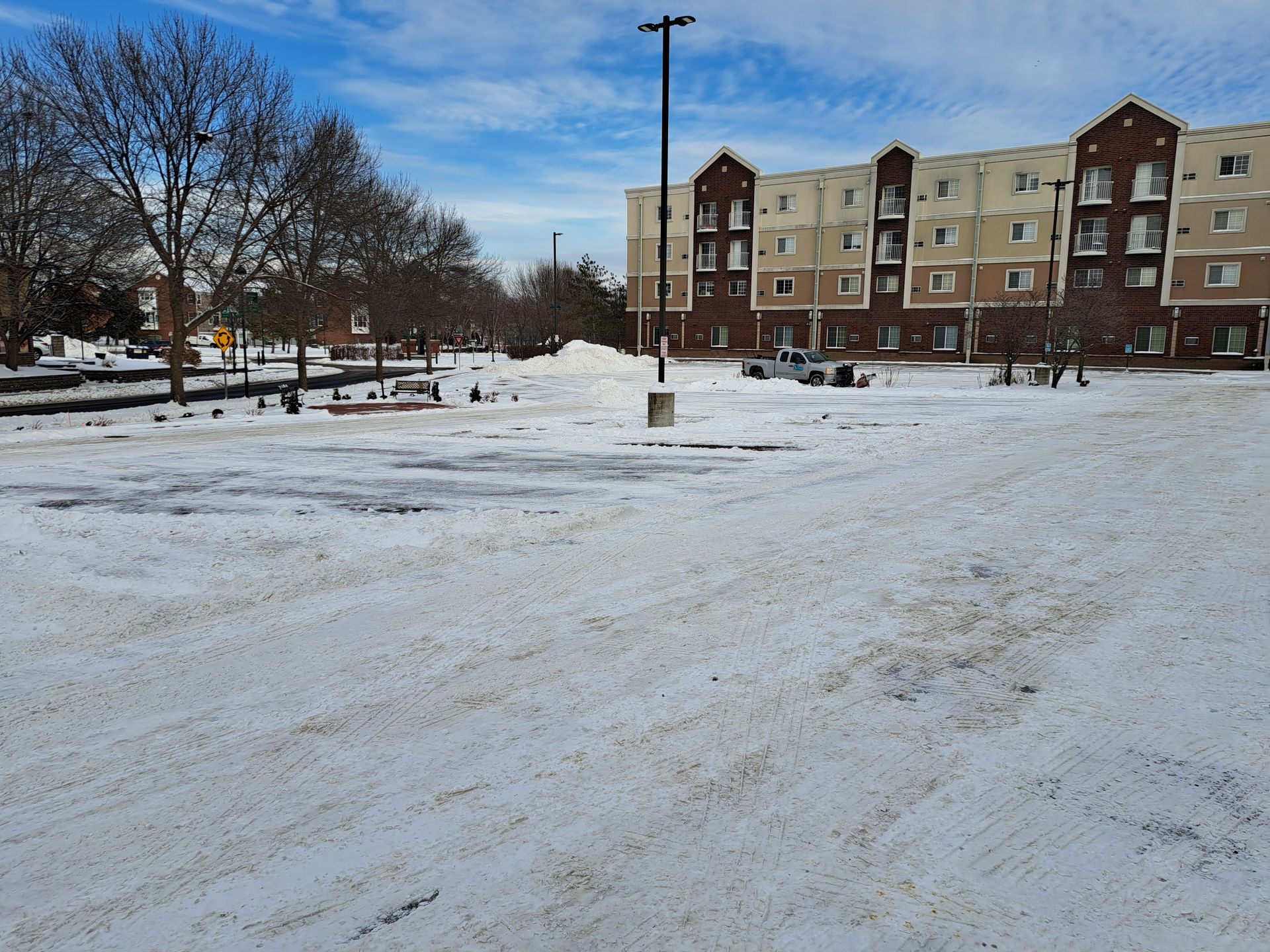
Cars did not move, snow needs clearing. Here is how Eden Prairie apartment complexes handle snow removal when residents will not cooperate.
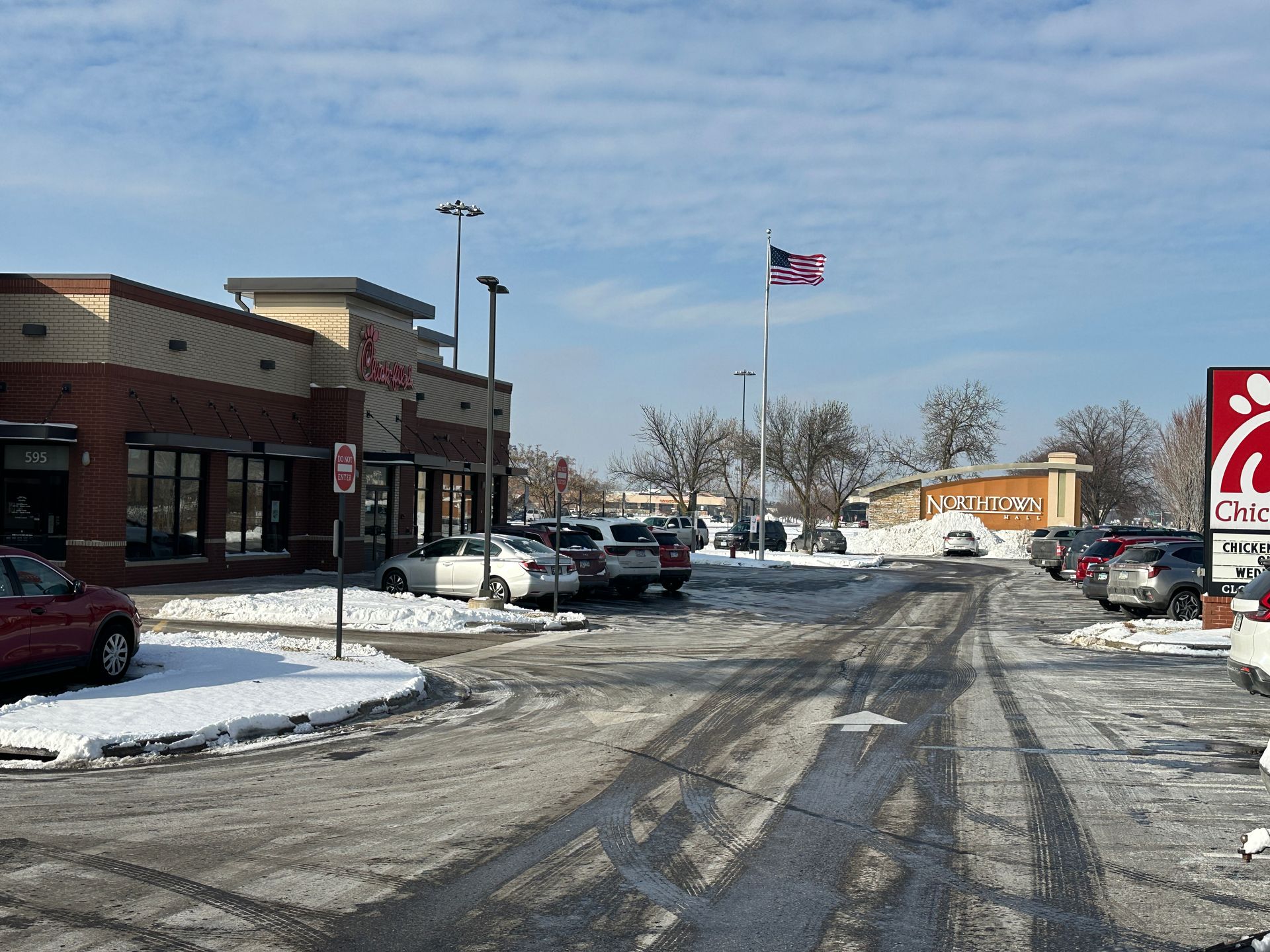
Your Hopkins gas station stays open through every storm. Here is how snow removal works around fuel pumps, customers, and 24-hour operations.
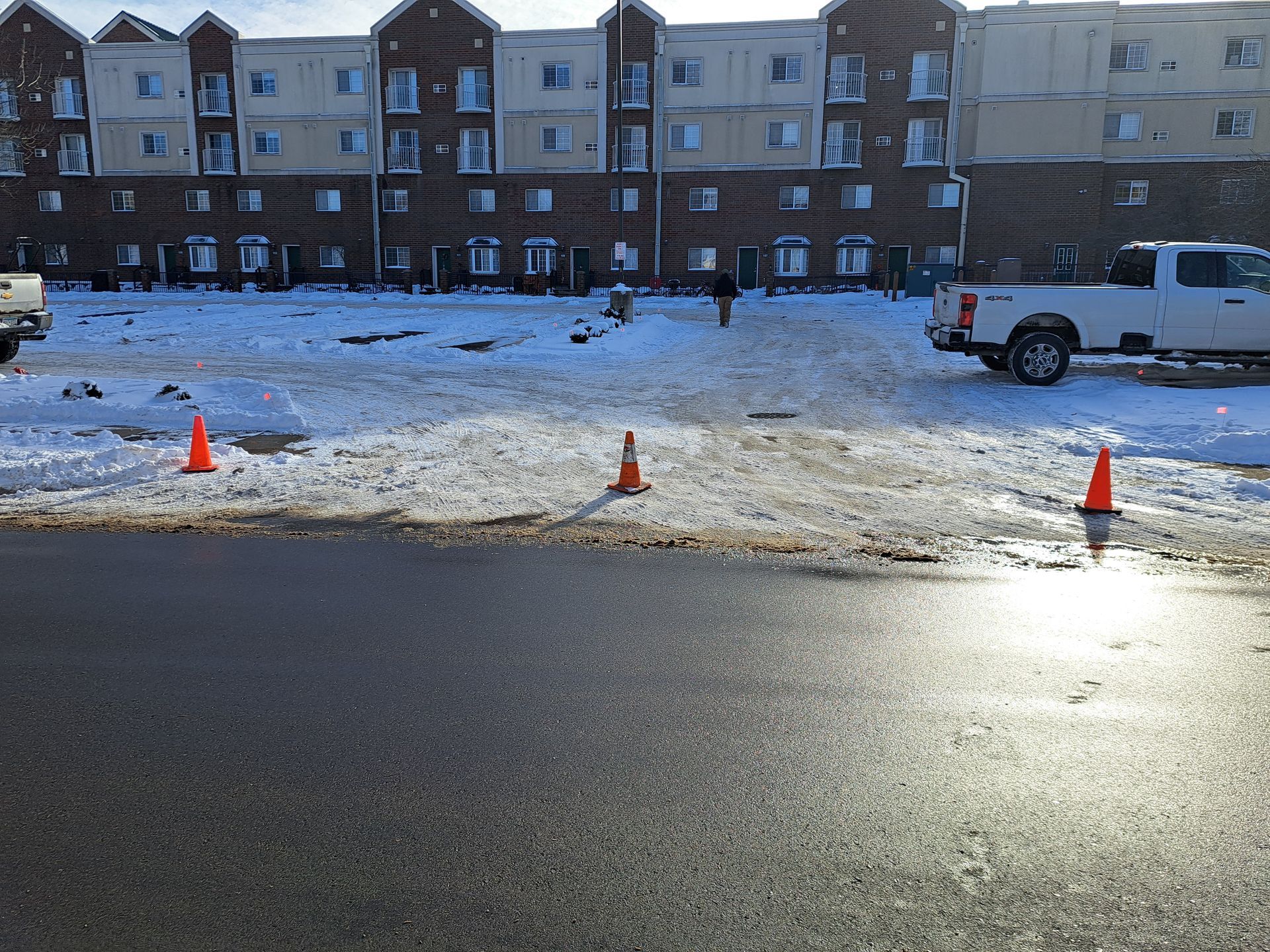
Landlord or tenant? Here is who handles snow removal at Plymouth strip malls, what your lease should say, and where liability falls.
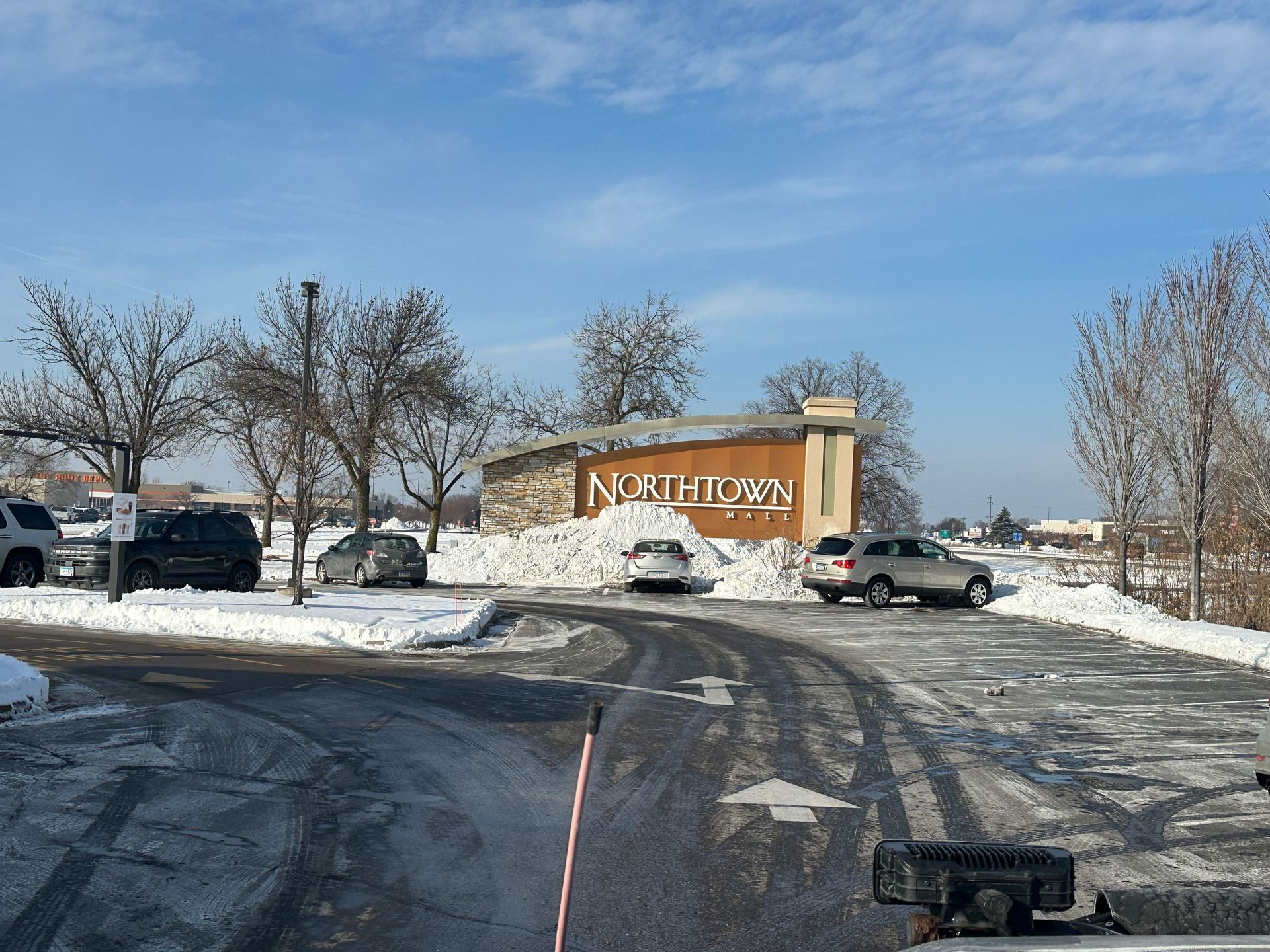
Not sure if your snow removal company is doing enough? Here is what Blaine small businesses should actually expect from commercial service.
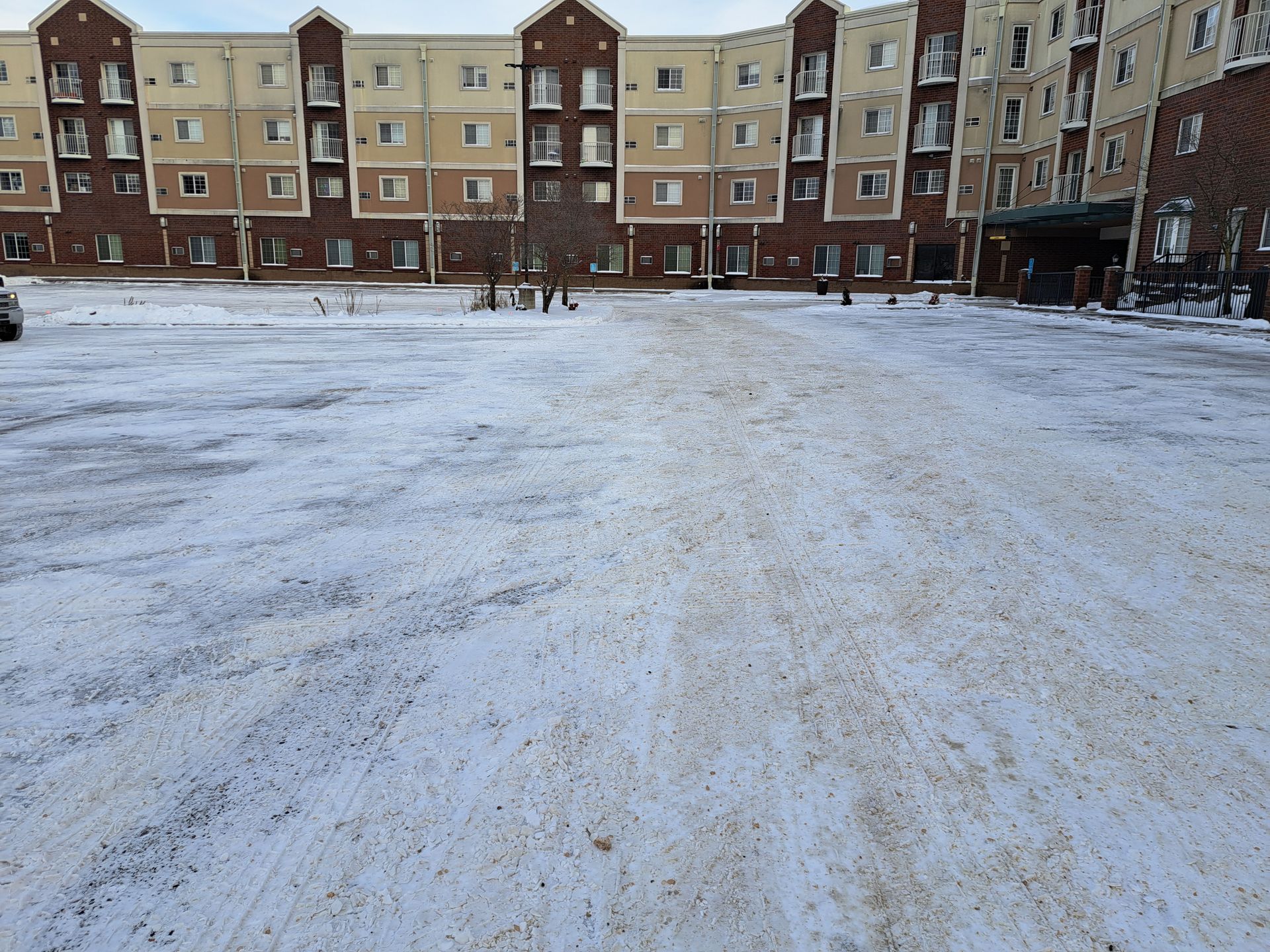
Signing an HOA snow contract in Maple Grove? Here’s what should be in it, what’s usually missing, and what to ask before you sign.
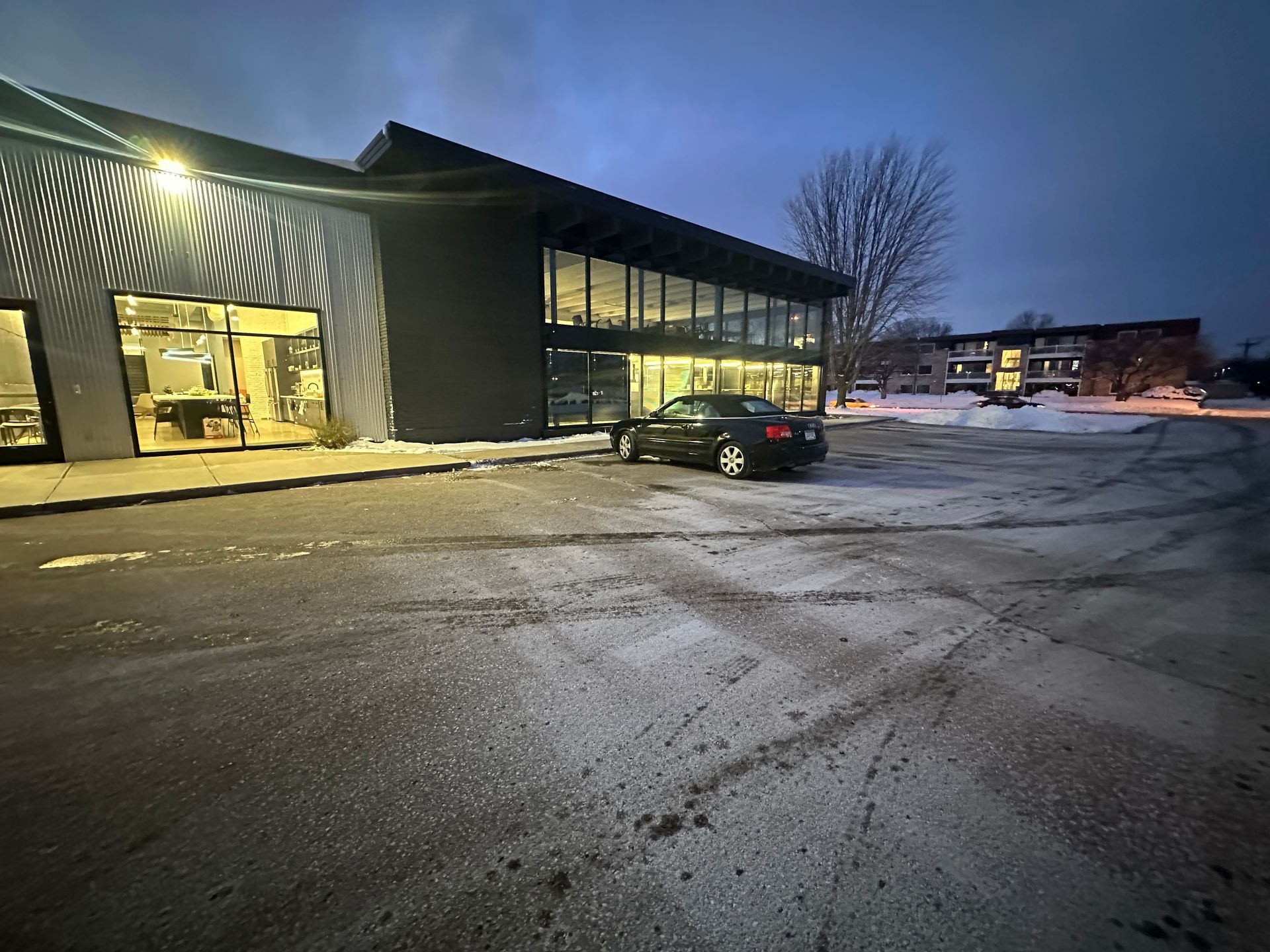
Drive-throughs, ATMs, multiple entrances, and zero tolerance for ice. Here is what St. Paul bank branches need from snow removal.

A resident falls on ice at your Minneapolis senior facility. Who is liable? Here is what your snow removal plan needs to cover.
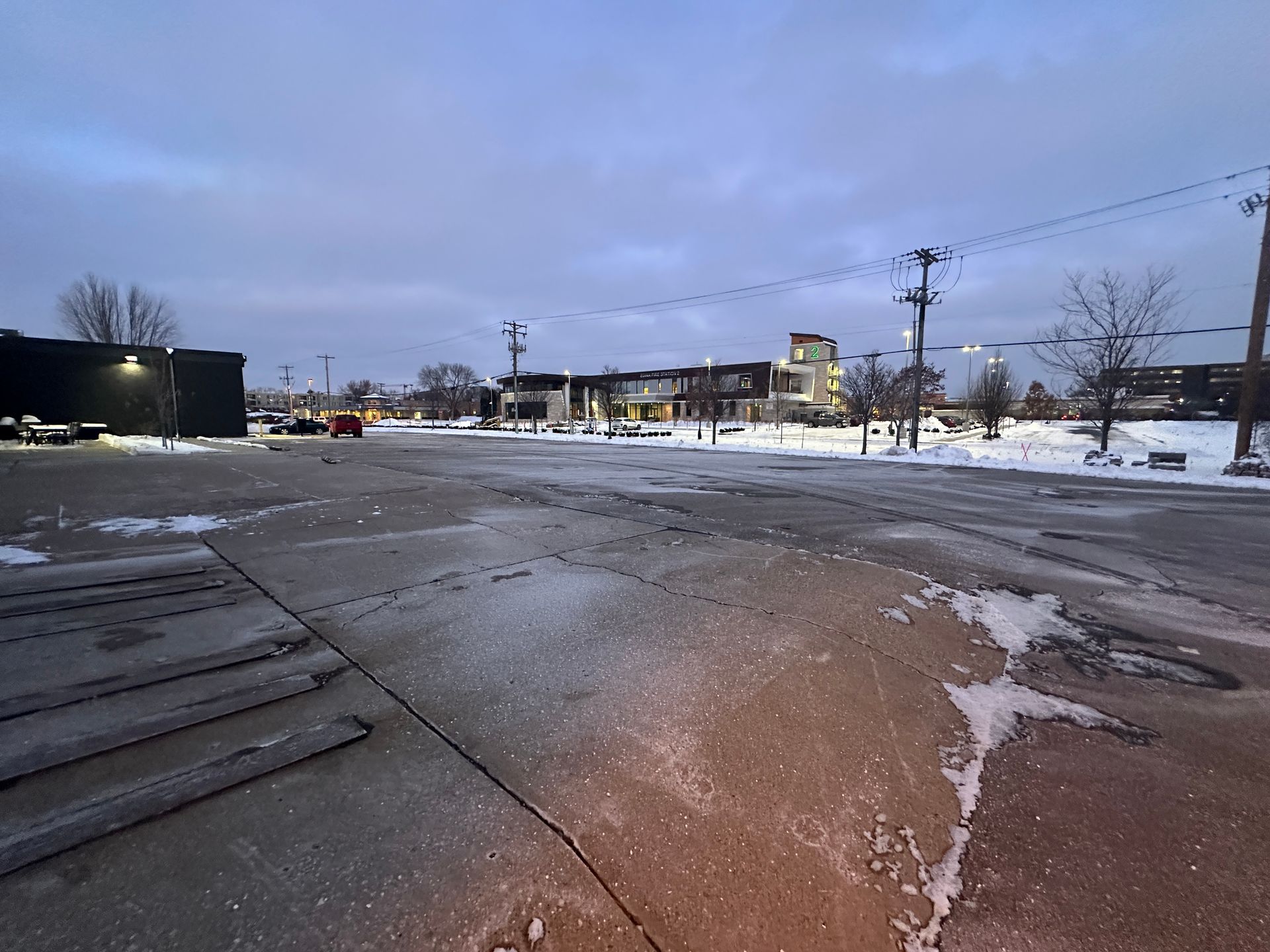
Your Edina medical office opens early and patients cannot wait. Here is how snow removal works for healthcare properties.