What Actually Adds Property Value: A St. Louis Park Landscaping Guide
A St. Louis Park Landscaping Guide on Value
The landscaping improvement that adds the most property value isn't a new patio. It's not a fire pit, a water feature, or professionally designed plantings. It's removing the overgrown shrubs that make your house look neglected.
Here's what most homeowners get wrong about landscaping and property value: they think they need to add something impressive. The reality is that removing something ugly does more for your home's value than adding something nice to a property that still looks neglected.
Going from poorly maintained to well maintained is a significantly larger improvement than going from good to great. You don't have to have the nicest landscaping on the block—you just need to not have the one that looks like neglected overgrowth.
This guide covers what actually moves the needle on property value—and it's not what the home improvement shows suggest. Whether you're preparing to sell or simply want your investment to reflect in your home's worth, understanding the priority order matters more than the size of your landscaping budget.
In first-ring suburbs like St. Louis Park where mid-century homes and established lots are the norm, the difference between "neglected" and "maintained" is often more visible—and more impactful—than the difference between "nice" and "impressive."
Why Adding Nice Things to Ugly Yards Doesn't Work
Most homeowners approach landscaping improvements with an addition mindset. They think about what to add: a nice patio to increase value, new plantings to improve curb appeal, a water feature to make the property stand out.
The problem is that adding premium features to a property with fundamental landscape problems doesn't create the value homeowners expect. Buyers don't see the new patio—they see the overgrown foundation plantings framing it. They don't notice the water feature—they notice the neglected beds surrounding it.
Getting rid of ugly elements is better than adding something nice to something that's still ugly.
This happens for predictable reasons. Homeowners become blind to their own property's issues after seeing them every day for years. They focus on what they want to add rather than what needs to go. Marketing from landscape companies emphasizes additions because installations are more profitable than cleanups. Home improvement media showcases dramatic transformations, not simple maintenance.
But buyers walking up to a property make instant assessments. Overgrown plantings, undefined bed edges, and struggling plants signal deferred maintenance—not just in landscaping, but across the entire property. That perception colors how buyers view everything else, including features the homeowner invested in.
In St. Louis Park neighborhoods like Fern Hill and Bronx Park, properties compete with neighbors who've maintained their mid-century landscapes for decades. Standing out positively doesn't require elaborate features. It requires not standing out negatively.
What to Remove Before You Add Anything
The counterintuitive truth about landscaping and property value is this: it would be better for your property to have no plants than to have giant overgrown plants that look terrible. Empty beds with fresh mulch look maintained. Overgrown beds with struggling plants look neglected.
When I walk a property to assess landscaping value, I'm looking for things that jump out as being really unkept or as looking expensive for a buyer to fix. These elements are the priority—not because they're the biggest problems technically, but because they're what buyers see first and remember.
Common Removal Candidates
Overgrown foundation plantings are the most frequent culprits. Shrubs that have grown above window height, spread beyond their beds, or lost their defined shape frame your home negatively every time someone approaches. These were planted twenty or thirty years ago and have simply outgrown their space.
Dead or dying plants signal neglect more powerfully than empty space does. Anything brown, bare, or clearly struggling should go. A clean bed reads as intentional. A bed with dead plants reads as abandoned.
Messy or undefined beds where the edge has disappeared, mulch is scattered into the lawn, or you can't tell what's intentional versus what's a weed create visual chaos. The eye doesn't know where to rest, and the impression is disorder.
Overgrown trees touching the house—branches against siding, blocking windows, or creating dark, damp conditions—suggest the property hasn't been properly maintained. They also raise concerns about moisture and pest issues.
The Instant Improvement
When you remove overgrown, messy plantings, the property instantly looks better—even before you add anything. The house becomes visible. The lines become clean. The perception shifts from "neglected" to "maintained."
This is why removal often delivers better value per dollar than addition. You're not paying for new materials and installation. You're paying for cleanup that immediately changes how the property reads.
Pro Tip: Before spending money on new landscaping, take photos of your property from the street, the driveway, and the front walk. Look at them as if you're a buyer seeing the property for the first time. What jumps out? Those elements are your removal priorities—address them before adding anything new.
Preparing Your Landscape to Sell: The Process That Works
For homeowners preparing to list their property, there's a specific sequence that maximizes landscape impact without unnecessary spending.
Step 1: Remove the Negatives
Go through the property and remove all plants that are making the house look like a mess. This isn't about removing everything—it's about removing what creates negative first impressions.
The standard is straightforward: if a plant is overgrown, misshapen, dying, or clearly struggling, it goes. The goal is eliminating what jumps out as problems, not achieving some particular design aesthetic.
Step 2: Fresh Mulch Layer
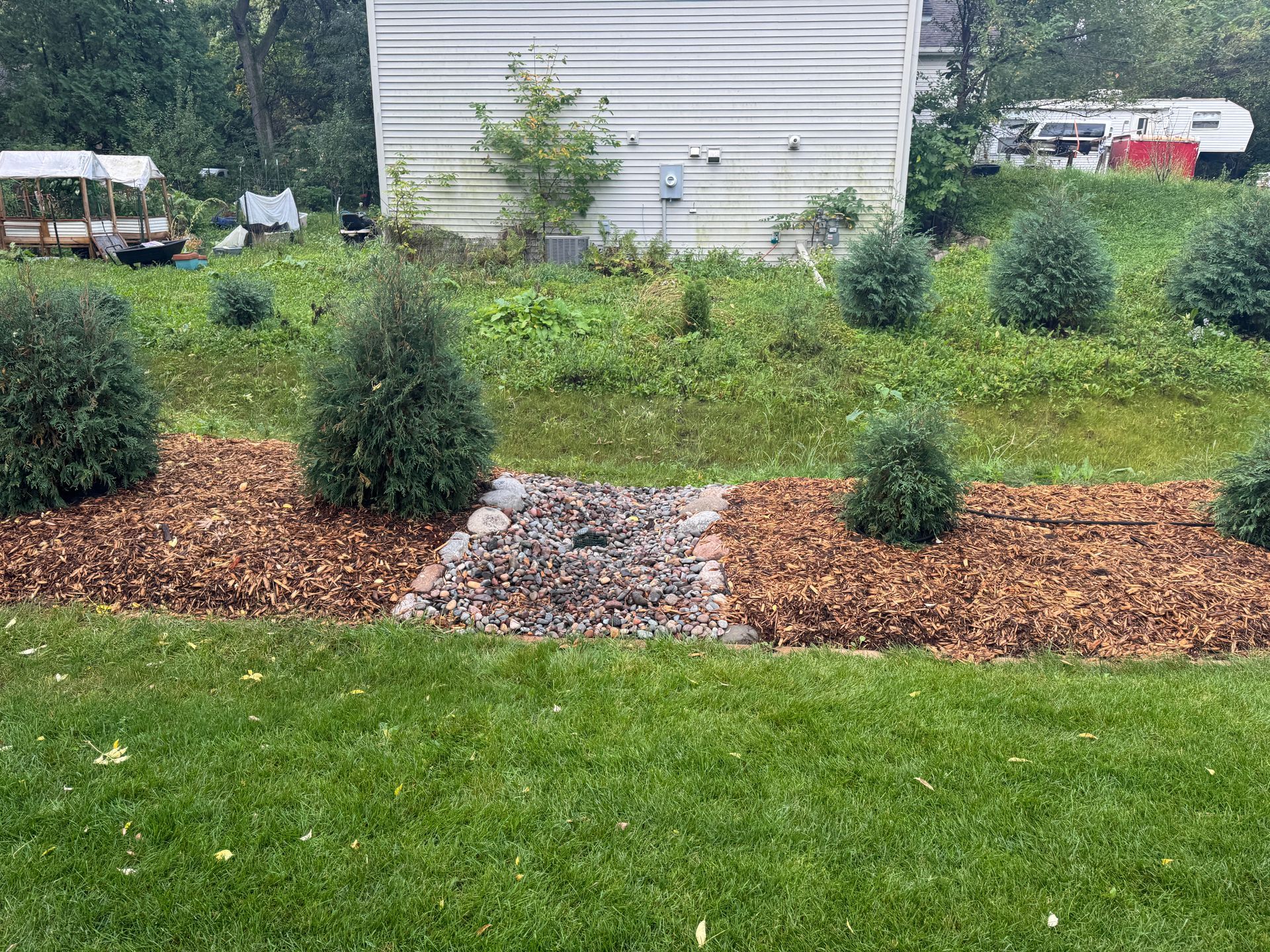
After removal, apply fresh mulch to all remaining beds. This single step creates a clean, cared-for appearance that signals maintenance and attention to anyone walking the property.
Mulch does more visual work per dollar than almost any other landscape investment. Fresh, dark mulch against clean bed edges reads as "move-in ready." It's simple, it's relatively inexpensive, and it dramatically changes perception.
Step 3: Fertilizer Program
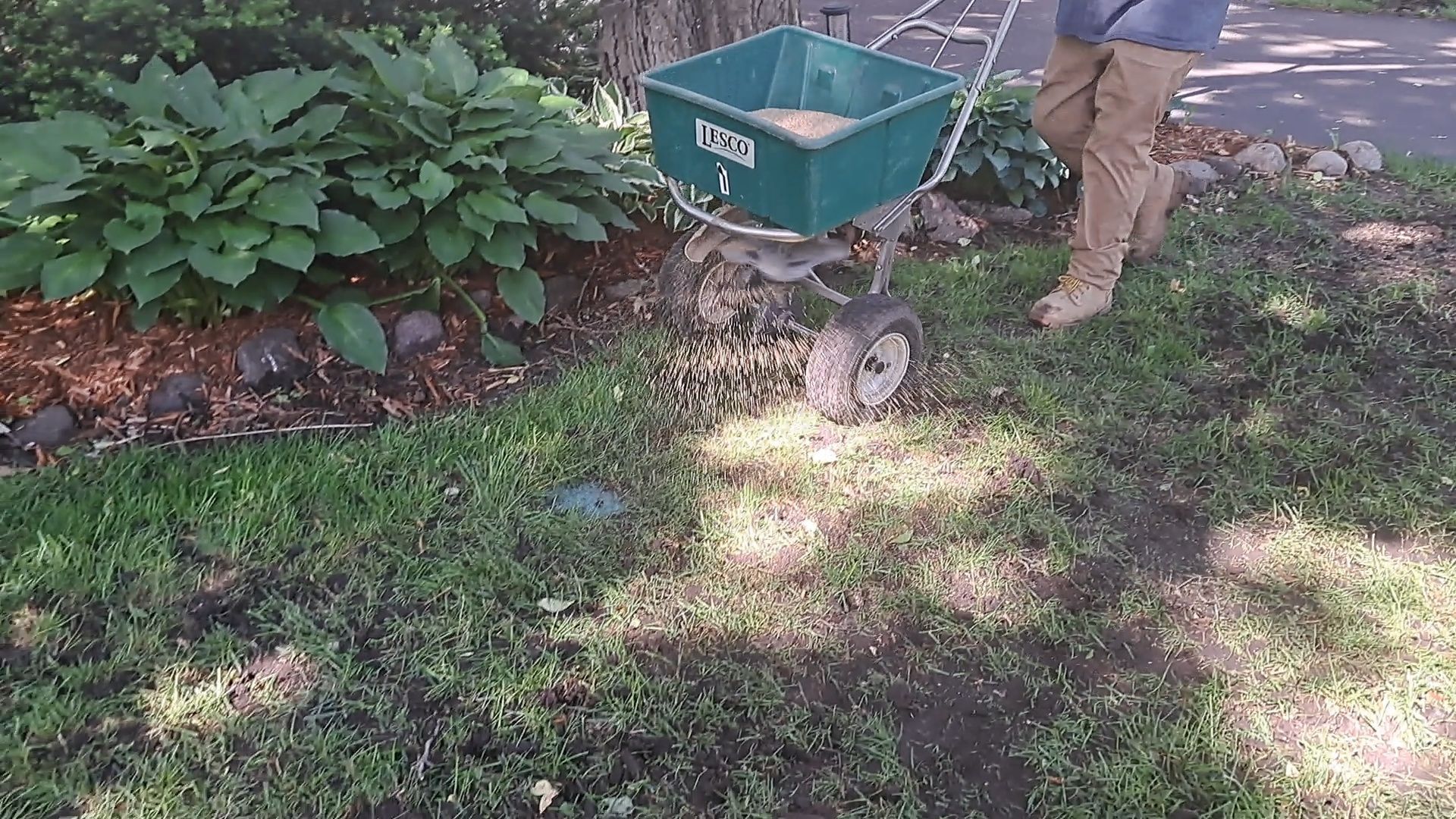
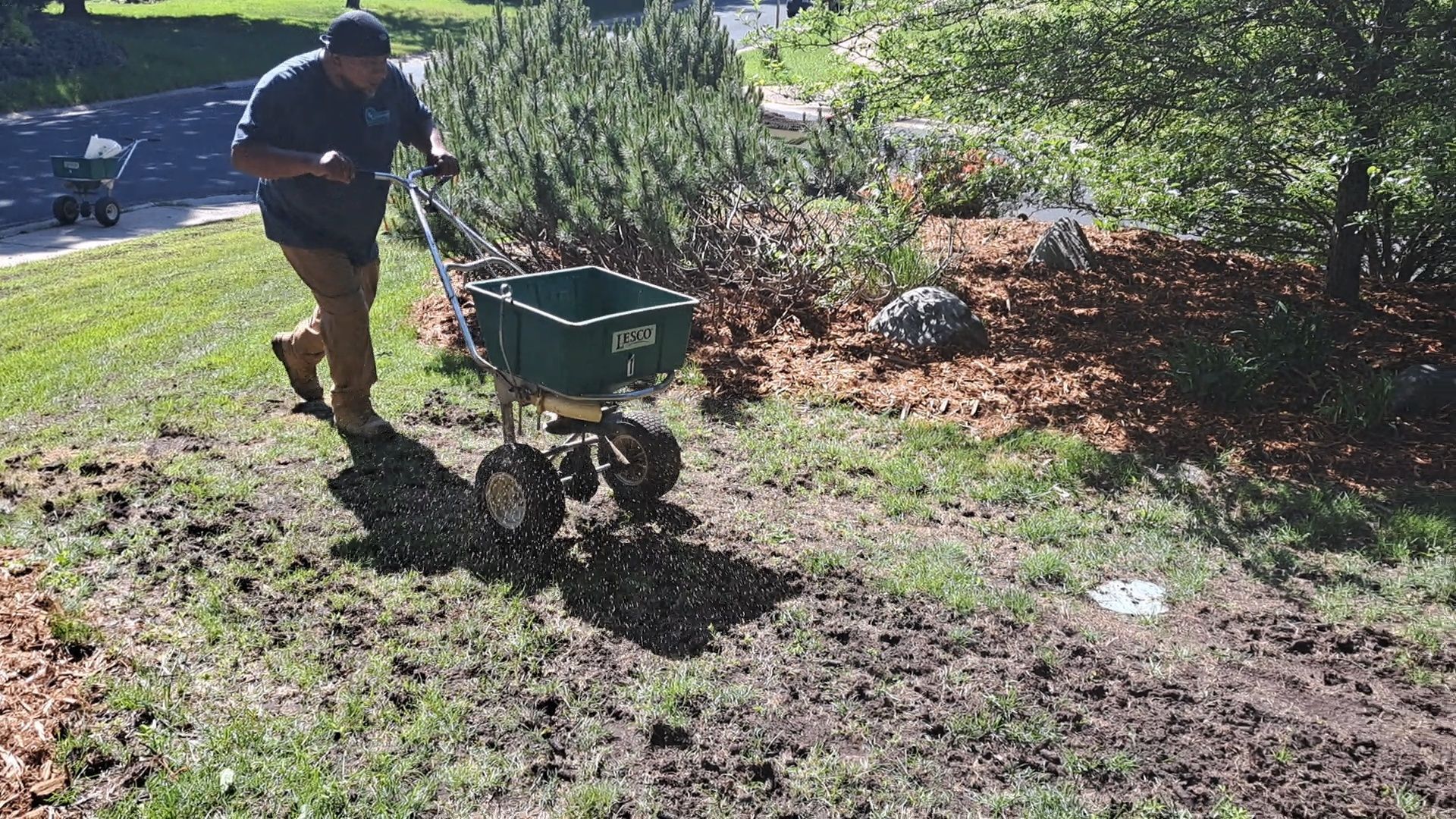
Get the lawn on a treatment program for the listing season. Address weeds, improve color, and create that healthy green that photographs well and signals care.
A basic lawn care program runs approximately five hundred dollars per year for mowing, edging, and weed control. For sale preparation, even a few months of treatment before listing improves the lawn's appearance noticeably. The lawn is the foundation of curb appeal—everything else sits on top of it, literally and perceptually.
What You Don't Have to Do
Here's what surprises most homeowners: you don't even have to plant anything. The removal, mulch, and lawn program accomplish the value improvement. New plantings are optional—and often unnecessary if the goal is sale preparation rather than long-term enjoyment.
Something basic and well-maintained is really the goal. The bar isn't "impressive landscaping." It's "maintained landscaping."
The Timeline
Start this process two to three months before listing. Lawn programs need time to show results. Mulch looks best fresh. Removal should happen early enough that the "after" is what buyers see, not the process of getting there.
The Psychology of Buyer First Impressions
Understanding how buyers process landscaping explains why maintenance matters more than features.
When buyers see neglected landscaping, they don't simply think "the yard needs work." Their assessment extends to the entire property:
This property has deferred maintenance. What else hasn't been taken care of? This will be expensive to address. This represents a lot of work before I can enjoy it.
The landscaping becomes a proxy for the property's overall maintenance history. Fair or not, that's how buyers process what they see. Overgrown shrubs suggest neglected gutters. Weedy beds suggest ignored systems. The visible becomes a signal about the invisible.
Conversely, well-maintained basic landscaping sends positive signals:
This property is cared for. The owners pay attention to maintenance. This is move-in ready. Lower perceived risk.
Notice what the positive signal isn't. It's not "impressive landscaping" or "beautiful design." It's simply "maintained landscaping." The bar is lower than homeowners typically think—but it's a bar that neglected properties fail to clear.
The comparison effect amplifies this. Buyers view multiple properties, often in the same day. They're making comparisons, frequently unconsciously. A property with clean, simple landscaping consistently outperforms a property with elaborate but neglected landscaping. The basics done well beat the ambitious done poorly.
Pro Tip: Ask a friend who hasn't visited recently to walk your property as if they were a potential buyer. Have them point out what they notice first—both positive and negative. Their fresh eyes see what you've become blind to, and their observations reveal your actual priorities.
Right-Sizing Your Landscape Investment
Beyond removal and maintenance, any landscape investment should match your property's value and neighborhood context.
Look around at the neighborhood. Do something that's tasteful and professionally done, but fitting for the property's value. It's not the same design for a five hundred thousand dollar house as it is for a two million dollar house.
What This Means Practically
Under-investing means your property looks worse than neighbors, creating negative comparison. Buyers wonder what's wrong with it or assume hidden problems based on visible neglect.
Over-investing means spending more than you'll recover. Premium landscaping on a modest property doesn't return proportionally—and can actually feel incongruous, like an expensive car parked in front of a starter home.
Right-sizing means your property looks maintained and appropriate. Nothing jumps out negatively. The landscaping supports the home's value rather than undermining it or overwhelming it.
St. Louis Park Context
St. Louis Park property values range significantly—from starter homes to premium properties near the Minneapolis border and Minnehaha Creek. What's appropriate for a property in one area differs from what fits near Minikahda Vista or the Cedar Lake area.
Walk your specific block. What do the well-maintained properties look like? That's your target—not the showcase property three neighborhoods over or the featured home in a design magazine.
The Over-Improvement Trap
Homeowners sometimes invest in elaborate landscaping hoping to "stand out" or increase their property's value beyond neighborhood norms. But landscaping rarely creates value above what the neighborhood supports.
A fifty thousand dollar landscape installation on a four hundred thousand dollar property in a four hundred thousand dollar neighborhood doesn't create a four hundred fifty thousand dollar property. It creates a four hundred thousand dollar property with expensive landscaping that the next owner may not value or maintain.
The investment that returns consistently is maintenance and appropriate improvement—not transformation beyond context.
What St. Louis Park Properties Face
St. Louis Park's position as a first-ring suburb creates specific landscape situations. Established infrastructure, mature trees, and mid-century housing stock mean properties here aren't blank slates—they have existing landscapes that need management, not installation from scratch.
The advantage is that mature landscapes have structure newer developments lack. The bones often exist; they just need cleanup and maintenance rather than complete redesign.
Neighborhood variation matters. Properties near Minnehaha Creek or the Minneapolis border tend toward higher values with different expectations. Areas closer to Highway 100 face different competitive contexts. Knowing your specific neighborhood's standards prevents both under-investment and over-investment.
The bottom line: most St. Louis Park properties don't need elaborate landscape additions to compete. They need cleanup, maintenance, and right-sized improvements matching neighborhood context.
Frequently Asked Questions
How much does landscaping actually add to property value?
Properly maintained landscaping supports property value; neglected landscaping actively undermines it. The more useful framing isn't how much landscaping adds, but how much neglect subtracts. Buyers discount properties with visible maintenance issues, and landscaping is the first maintenance they see. The improvement from "neglected to maintained" consistently exceeds the improvement from "good to great."
What landscaping improvements have the best ROI?
Removal of neglected elements, fresh mulch, and lawn maintenance deliver the most value per dollar spent. These address buyer perception of deferred maintenance directly and visibly. What doesn't return well: premium features added to properties with fundamental issues. Sequence matters more than budget: remove, refresh, maintain. Only then consider additions.
Should I landscape before selling my house?
Yes, but focus on cleanup rather than additions. The process: remove overgrown plantings, apply fresh mulch, implement a lawn treatment program for the listing season. Start two to three months before listing. The key insight is that you don't have to add new plants—clean and maintained accomplishes the goal.
How do I know if my landscaping is hurting my property value?
If anything jumps out as neglected, overgrown, or unkept, it's hurting value. Walk your property with fresh eyes—or ask someone who hasn't visited recently. Common culprits: overgrown foundation plantings, dead plants, undefined bed edges, messy areas. The test is simple: would a buyer see "cared for" or "deferred maintenance"?
The Priority Order That Works
Landscaping adds property value when it signals that a home is cared for. That signal comes from maintenance and cleanup more than from additions and features.
The sequence that consistently delivers:
First, remove what's creating negative impressions. Overgrown plants, dead material, messy beds—these subtract value every day they remain.
Second, refresh with mulch and defined edges. Clean beds signal attention and care, even without new plantings.
Third, maintain the lawn at a healthy standard. Basic lawn care is the foundation everything else builds on.
Fourth—and only then—consider additions. Often they're not needed. If the first three steps are done well, the property already shows well.
For St. Louis Park homeowners, the path to improved property value through landscaping is simpler than expected. Most properties don't need elaborate installations. They need cleanup, maintenance, and attention to what buyers actually see and judge.
Whether you're preparing to sell or simply want your landscape to support your property's value, start with an honest assessment of what's creating negative impressions. Sometimes the best investment is removal—and that's a conversation worth having before planning any additions.
Contact KG Landscape to discuss your St. Louis Park property's landscape priorities—whether that's strategic removal, maintenance planning, or right-sized improvements.
Ready to Start on Your Next Project?
Call us at (763) 568-7251 or visit our quote page.