Commercial Snow Removal in St. Louis Park: What Skipping Professional Management Actually Costs
The Cost of Skipping Professional Management
What does inadequate snow removal actually cost a St. Louis Park business?
Most property managers think about the obvious: a parking lot that doesn't get cleared on time, customers who can't access the building, employees navigating icy walkways. Those are real problems. But the actual costs run deeper than inconvenience.
Slip-and-fall liability. Lost customers who found accessible alternatives. Business interruption during critical revenue periods. The management time spent dealing with a contractor who can't deliver. These costs don't show up on the snow removal invoice—but they're real, and they often exceed what professional service would have cost in the first place.
The commercial clients I work with aren't looking for the cheapest snow removal option. They're people who've either hired the wrong contractor before and dealt with the consequences, or they're smart enough to want quality service for everything their business depends on. They understand that professional management is the insurance policy—you're paying to skip the headache of discovering your contractor can't perform when it matters most.
For St. Louis Park's mix of retail centers along Excelsior Boulevard, professional offices near Highway 100, and neighborhood commercial districts, winter accessibility isn't optional. It's the difference between open for business and closed by weather.
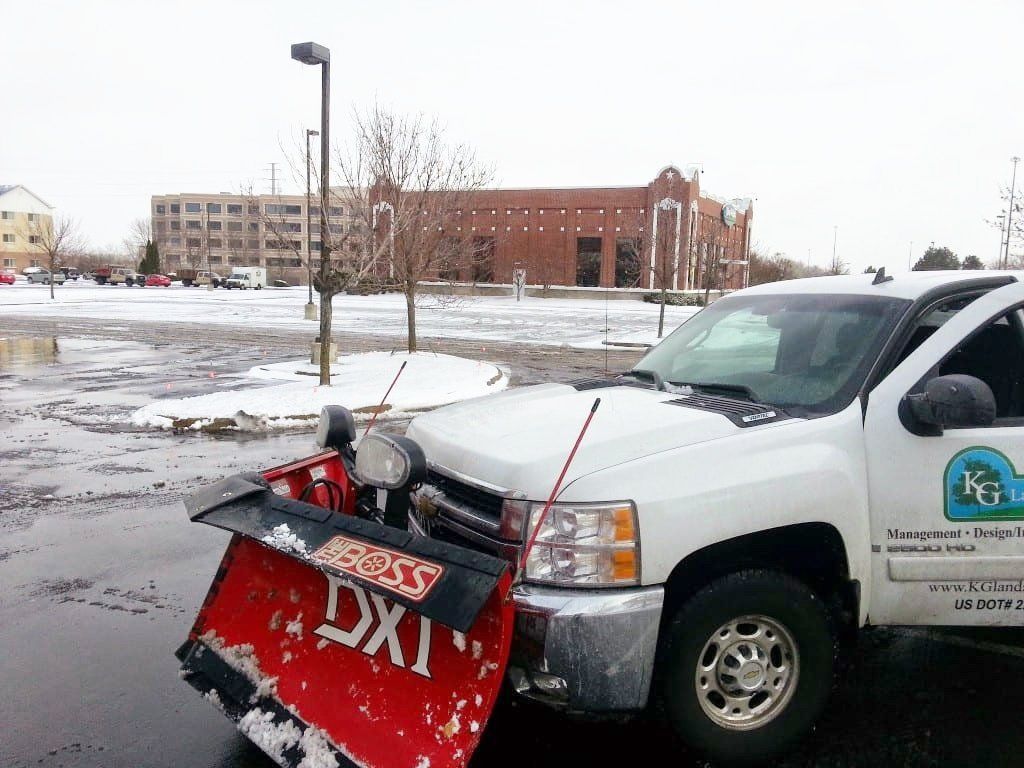
What Inadequate Snow Management Actually Costs
The true cost of unprofessional snow service extends far beyond what you save on the contract.
Liability Exposure
According to the National Safety Council, slip-and-fall incidents rank among the leading causes of workplace injuries and premises liability claims. Average claim costs run into tens of thousands of dollars—and that's before considering legal fees, increased insurance premiums, and the management time consumed by the claims process.
Minnesota premises liability law places responsibility on property owners and managers to maintain reasonably safe conditions. When someone slips on your icy walkway or falls in your unsalted parking lot, the question isn't just whether you had a snow contract. It's whether that contractor actually performed—and whether you can document it.
The Visibility Problem
A customer who slips doesn't just file a claim. They tell others. An inaccessible parking lot doesn't just lose one sale—it trains customers to go elsewhere during winter. An employee injury doesn't just cost the claim—it affects operations, morale, and your reputation as an employer.
These secondary costs don't appear on any invoice, but they compound over time.
Business Interruption
When your business can't open or customers can't safely access it, the cost isn't just that day's revenue. It's the customers who found alternatives and may not return when weather improves. For retail operations especially, winter accessibility problems create habits—customers learn which businesses they can count on and which ones they can't.
The False Economy
Choosing snow service based primarily on price often means discovering the problems during a storm—exactly when you can't fix them. The contractor who bid lowest frequently bid lowest for a reason: inadequate equipment, insufficient crew, overcommitted routes, or corners cut on ice management.
By the time you realize the service isn't adequate, you're mid-storm with no good options.
The Difference Between Snow Removal and Snow Management
There's a meaningful distinction between "someone with a plow" and professional commercial snow management. Understanding that difference explains why pricing varies and why the cheapest option often costs more in the end.
What Professional Management Includes
Reliable response systems. Professional commercial operations have defined trigger points—when accumulation reaches certain levels, crews deploy. This isn't reactive; it's systematic. You're not wondering whether someone will show up or calling repeatedly during a storm.
Adequate equipment. Commercial properties require commercial equipment. A contractor running residential-grade plows on commercial lots either takes too long or does inadequate work. Professional operations maintain fleet capacity matched to their client commitments—not a single truck trying to service too many properties.
Proper staffing depth. Storms don't wait for convenient timing. Professional operations have crew depth to handle extended events, overnight responses, and the reality that Minnesota storms often hit on the worst possible days. One person trying to do everything doesn't scale when every client needs service simultaneously.
Documentation and communication. Professional service includes documentation of when work was performed—critical for liability protection. If someone claims they fell at 8 AM, you need records showing the lot was cleared at 6 AM and salted at 7 AM. Without documentation, you're exposed regardless of whether the work was actually done.
Accountability. When something goes wrong with a professional operation, there's recourse. When the lowest-bid contractor disappears mid-season or fails to show during a critical storm, you're left managing the emergency yourself—often at premium rates for whoever you can find on short notice.
Pro Tip: Ask any commercial snow contractor how many properties they're committed to and what equipment they're running. If they can't give you clear answers, they may be overcommitted—and you'll discover that during the first major storm when everyone needs service simultaneously.
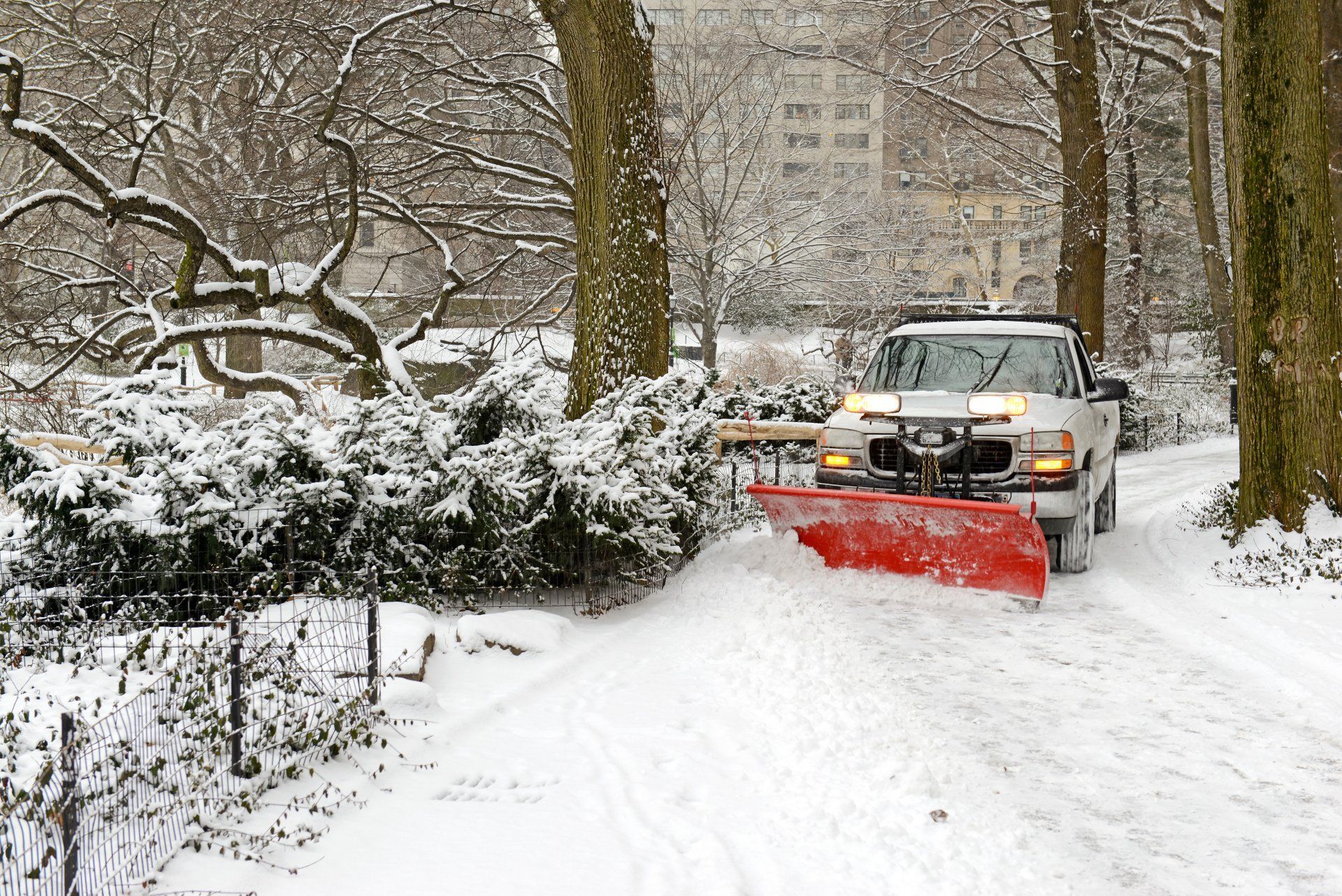
Why the Cheapest Bid Often Costs More
Every winter, businesses choose snow contractors primarily on price. And every winter, some of those businesses discover—during a storm—that their contractor can't deliver.
The parking lot isn't cleared when promised. The sidewalks are still icy when employees arrive. The salt spreader broke and there's no backup. The contractor is running three hours behind because they committed to more properties than they can handle.
What Low Bids Often Mean
Overcommitted routes. Too many properties, not enough time. When a storm hits, everyone needs service in the same window. Contractors who've overcommitted can't physically reach everyone when it matters.
Inadequate equipment. Residential-grade plows and spreaders on commercial properties. The work takes longer, the results are inconsistent, and breakdowns during storms leave you stranded.
No crew depth. One person trying to handle everything. Extended events, overnight accumulation, weekend storms—there's no backup when the primary operator is exhausted or equipment fails.
Reactive rather than systematic. Waiting for calls instead of monitoring conditions and deploying proactively. By the time you call to ask where they are, you're already behind.
No documentation. Nothing on paper showing when service was performed. When a liability claim appears, you have no evidence of what was done and when.
The Real Comparison
The relevant comparison isn't "our bid vs. their bid." It's the cost of professional service versus the cost of what happens when unprofessional service fails.
That calculation includes liability exposure from slip-and-fall incidents, lost business from inaccessible properties, emergency backup costs when your primary contractor doesn't show, and the management time spent dealing with problems instead of running your business.
Price-driven decisions in commercial services almost always cost more in the end. The businesses I work with understand that professional management is worth the investment—they're paying for reliability, not just plowing.
Evaluating Commercial Snow Contractors
Before signing any commercial snow contract, these questions reveal whether a contractor can actually deliver on their commitments.
Equipment Questions
What equipment do you operate? Commercial properties require commercial-grade equipment—not pickup trucks with plows. Ask specifically about plow sizes, loader capacity, and spreader equipment.
Do you own your equipment or subcontract? Ownership means control and accountability. Subcontracted equipment adds layers of uncertainty about who actually shows up and what condition the equipment is in.
What's your backup if primary equipment fails? Equipment failures happen, especially during heavy use. Professional operations have redundancy built in.
Capacity Questions
How many commercial properties are you committed to? There's a limit to how many properties any operation can service in a storm window. If the number seems high relative to their equipment, they're overcommitted.
What's your typical route during a major storm? Understanding their service pattern reveals whether your property is early, late, or somewhere in between—and whether their route is realistic.
Do you have crew depth for extended events? Storms that last twenty-four hours or longer require crew rotation. One operator can't work around the clock safely.
Process Questions
What triggers deployment? Professional operations monitor conditions and deploy at defined accumulation levels—typically one to two inches. Ask what their trigger point is and how they monitor.
How do you handle ice management separately from plowing? Salting and plowing have different timing requirements. Ice management often needs to happen before, during, and after plowing operations.
What documentation do you provide? For liability protection, you need records of when service was performed. Professional operations provide service logs or reports.
Pro Tip: Request a site visit before signing any commercial snow contract. A contractor who walks your property, identifies problem areas, and discusses specific needs is demonstrating the kind of attention your property will receive during the season. A contractor who quotes without seeing the property is guessing—and that guessing shows up in their service quality.
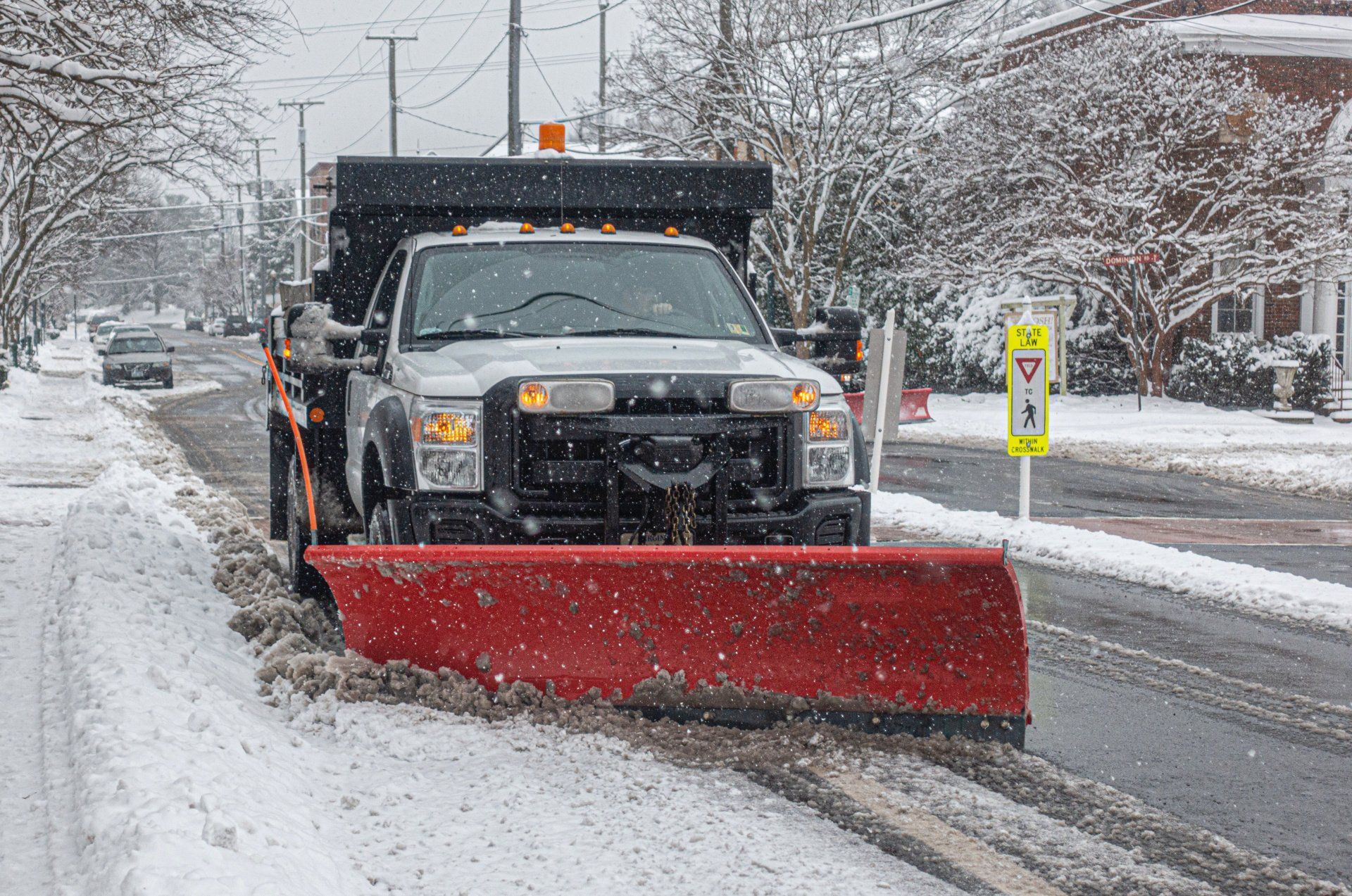
What St. Louis Park Commercial Properties Face
St. Louis Park's commercial environment creates specific snow management requirements.
Retail along Excelsior Boulevard and Highway 7 serves customer-facing operations where parking lot accessibility directly affects foot traffic. Competition is visible during storms—customers can literally see which lots are cleared and which aren't. The business with the accessible parking lot gets the customer; the one with the snow-covered lot watches them drive past.
Professional offices near Highway 100 depend on employee and client access. A law firm, medical practice, or financial services company can't have clients navigating icy walkways. The professional image these businesses project depends partly on how their property presents during winter months.
Neighborhood commercial districts feature smaller lots with tight access requirements. These properties need equipment and operators who can work efficiently in constrained spaces without damaging adjacent features.
Mixed-use properties combining residential and commercial have different timing needs and access requirements. The retail tenant needs clearing before store opening; the residential component has different priorities.
St. Louis Park's position as a first-ring suburb means commercial properties compete with options in every direction. Minneapolis is minutes away. Neighboring suburbs offer alternatives. When accessibility during winter weather affects whether customers and clients come to you or go elsewhere, professional snow management isn't about preference—it's about protecting the accessibility that keeps your business running.
Frequently Asked Questions
How much does commercial snow removal cost in St. Louis Park?
Commercial snow removal costs vary significantly by property size, complexity, and service level. Seasonal contracts spread cost predictably across the winter; per-event pricing fluctuates with snowfall frequency. Most commercial properties find seasonal contracts provide better budget predictability and service priority.
The meaningful comparison isn't just the contract price—it's the total cost including what happens if service fails. Professional commercial service costs more than residential-grade contractors because it includes appropriate equipment, adequate staffing, systematic response, and the reliability commercial properties require.
When should commercial snow removal start during a storm?
Professional operations deploy at defined accumulation triggers—typically one to two inches—rather than waiting until storms end. For commercial properties, timing matters critically: you need cleared conditions before business hours, which often means overnight service during morning storms.
Extended events require continuous management rather than single-pass clearing. Documentation of service timing is essential for liability protection—you need records showing when clearing and treatment occurred relative to any incidents.
What's the difference between commercial and residential snow removal?
Commercial snow removal requires larger equipment capable of efficiently clearing parking lots and access drives. Timing demands are stricter—commercial properties often need overnight or early morning service that residential contractors don't provide. Documentation requirements are higher because commercial properties face greater liability exposure.
Professional commercial operations are built around these requirements. Residential contractors—even good ones—typically don't have the equipment scale, timing flexibility, or documentation systems commercial properties need.
How do I know if my current snow contractor is adequate?
Evaluate based on actual performance: Are they responsive and reliable during storms, or do you find yourself calling repeatedly? Do they provide documentation of when service was performed? Is their equipment appropriate for your property size, or does clearing take too long?
If you've had accessibility concerns, customer or employee complaints, or near-miss liability situations, your current service isn't adequate—regardless of what the contract says. The cost of switching mid-season is usually lower than the cost of continued inadequate service.
The Mistakes That Cost St. Louis Park Businesses
The businesses that struggle through Minnesota winters aren't unlucky. They've made predictable mistakes that professional snow management prevents.
Choosing service primarily on price without evaluating capacity, equipment, and reliability. The lowest bid often means inadequate service—and you discover that during a storm when it's too late to fix.
Assuming any contractor with a plow can handle commercial properties. Residential equipment on commercial lots doesn't work well. The scale, timing, and documentation requirements are different.
Waiting until mid-storm to discover your contractor is overcommitted. By then, everyone is looking for backup service, and you're paying premium rates for whoever you can find.
Operating without documentation that protects against liability claims. When someone says they slipped at 8 AM, you need records showing when service occurred.
What Professional Management Provides
The businesses that handle Minnesota winters without accessibility problems or liability concerns aren't lucky. They've invested in professional snow management that delivers reliably throughout the season. They're paying for the insurance policy of knowing their contractor can actually perform when accumulation hits and the business needs to be accessible.
For St. Louis Park commercial properties, the question isn't whether professional snow management costs more than the cheapest bid. It's whether the cheapest bid can deliver when six inches falls overnight and your business needs to be accessible by 7 AM.
Professional snow management is about reliability, accountability, and protection. For commercial properties where accessibility and liability matter, that investment pays for itself—often in a single storm where lesser service would have failed.
Contact KG Landscape to discuss commercial snow management for your St. Louis Park property.
Ready to Start on Your Next Project?
Call us at (763) 568-7251 or visit our quote page.