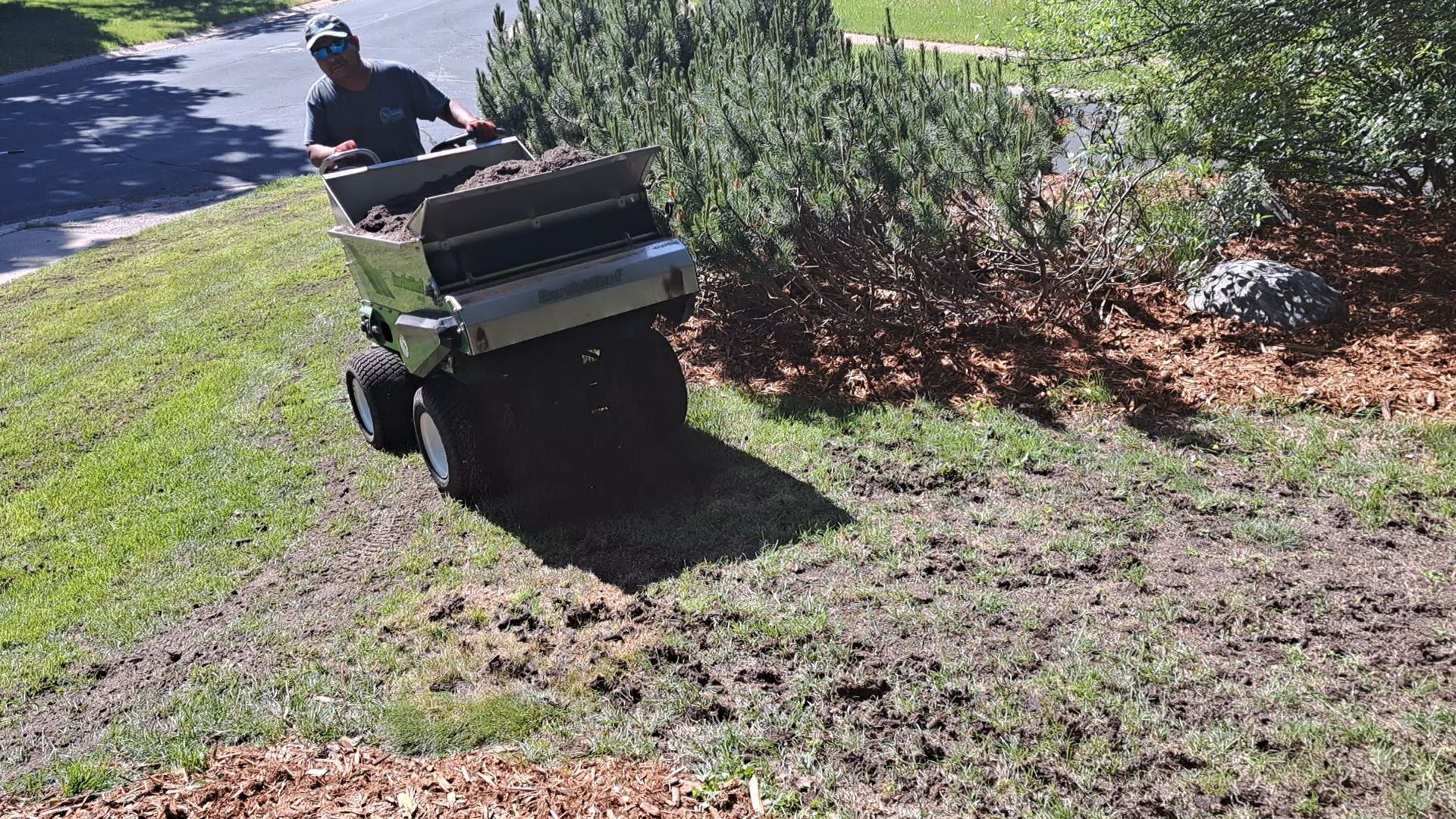
Monthly Landscape Maintenance for Orono Businesses: A Year-Round Guide
The best-looking commercial properties in Orono aren't the ones with the most landscaping. They're the ones where what exists is actually maintained.
After twenty years working with commercial properties across the Twin Cities, here's what I've learned: the biggest improvement in curb appeal doesn't come from adding more plants, more features, or more complexity. It comes from maintaining what you already have—consistently and well. Going from neglected to well-maintained is a far bigger visual improvement than going from good to great.
This guide breaks down what Orono businesses actually need each month, and equally important, what they don't. If you're a property manager who inherited an over-designed landscape, or a business owner trying to plan a realistic maintenance budget, this framework will help you achieve year-round professionalism without unnecessary expense.
Why More Landscaping Often Means Worse Curb Appeal
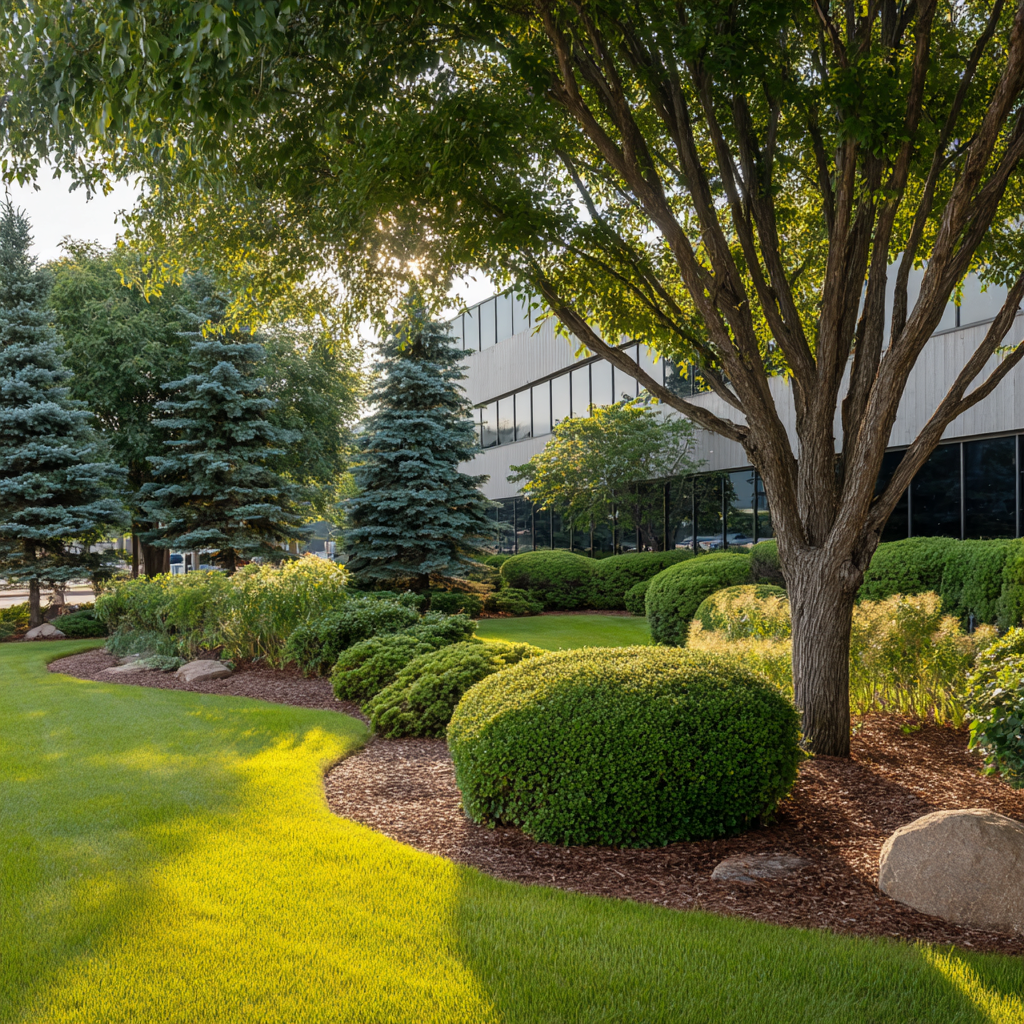
Here's something I've observed across the industry, and I'll admit I contributed to it early in my career: landscapers tend to over-design commercial properties. More bed space, more plant varieties, more features—it all translates to more revenue for the installer. But the business owner gets stuck with the maintenance burden.
The result? Properties with extensive landscaping that's poorly maintained look significantly worse than simple landscapes done well.
I see this pattern repeatedly. A commercial property has beautiful bones—quality plantings, thoughtful design, good bones. But there's simply too much to maintain properly. Bed spaces that require dump trucks of mulch to refresh. So many plant varieties that distinguishing weeds from intentional plantings becomes a guessing game. Staff or contractors spread so thin trying to touch everything that nothing gets the attention it needs.
The honest reality is this: you don't have to have the most impressive landscape on your block. You just need to not have the one that looks overgrown and neglected.
What does "well-maintained" actually look like? Basic plantings that aren't overgrown. No visible weeds in bed areas. Well-kept turf with clean edges. Hardscaping that hasn't been allowed to deteriorate. That standard is achievable for most commercial properties—and it starts with being realistic about maintenance capacity.
Three Questions Before Planning Your Maintenance Calendar
Before scheduling any maintenance—or signing another annual contract—commercial property managers should work through these diagnostic questions. They'll help you right-size your landscape to match your actual maintenance resources.
Question 1: How much area do you actually want to maintain?
Walk your property and categorize every landscaped area. What absolutely must look good? Typically that's your entrance, street-facing beds, and anything visible from customer parking. These are your priority zones.
Then identify what can be simplified. Side areas along the building. Rear zones behind the structure. Utility areas around HVAC equipment or dumpster enclosures. These secondary zones don't need the same level of detail—they need to look neat and intentional, not elaborate.
This isn't about neglecting parts of your property. It's about setting appropriate expectations for different zones and allocating maintenance resources accordingly.
Question 2: How densely planted do you want every square foot?
If you inherited extensive plantings from a previous owner or an ambitious initial design, consider strategic removal. Every plant represents a maintenance commitment—watering, pruning, mulching, pest monitoring, eventual replacement.
Here's something property managers don't always realize: empty mulch beds with clean edges look better than overgrown, weedy beds packed with struggling plants. Sometimes the best improvement is subtraction, not addition.
Question 3: Is it realistic to pay several thousand dollars every two years for mulch replacement?
Large bed spaces require serious mulch volume. We're talking dump trucks, not bags from the hardware store. If refreshing your mulch beds every couple years isn't realistic for your budget, the solution isn't skipping mulch—it's reducing bed space.
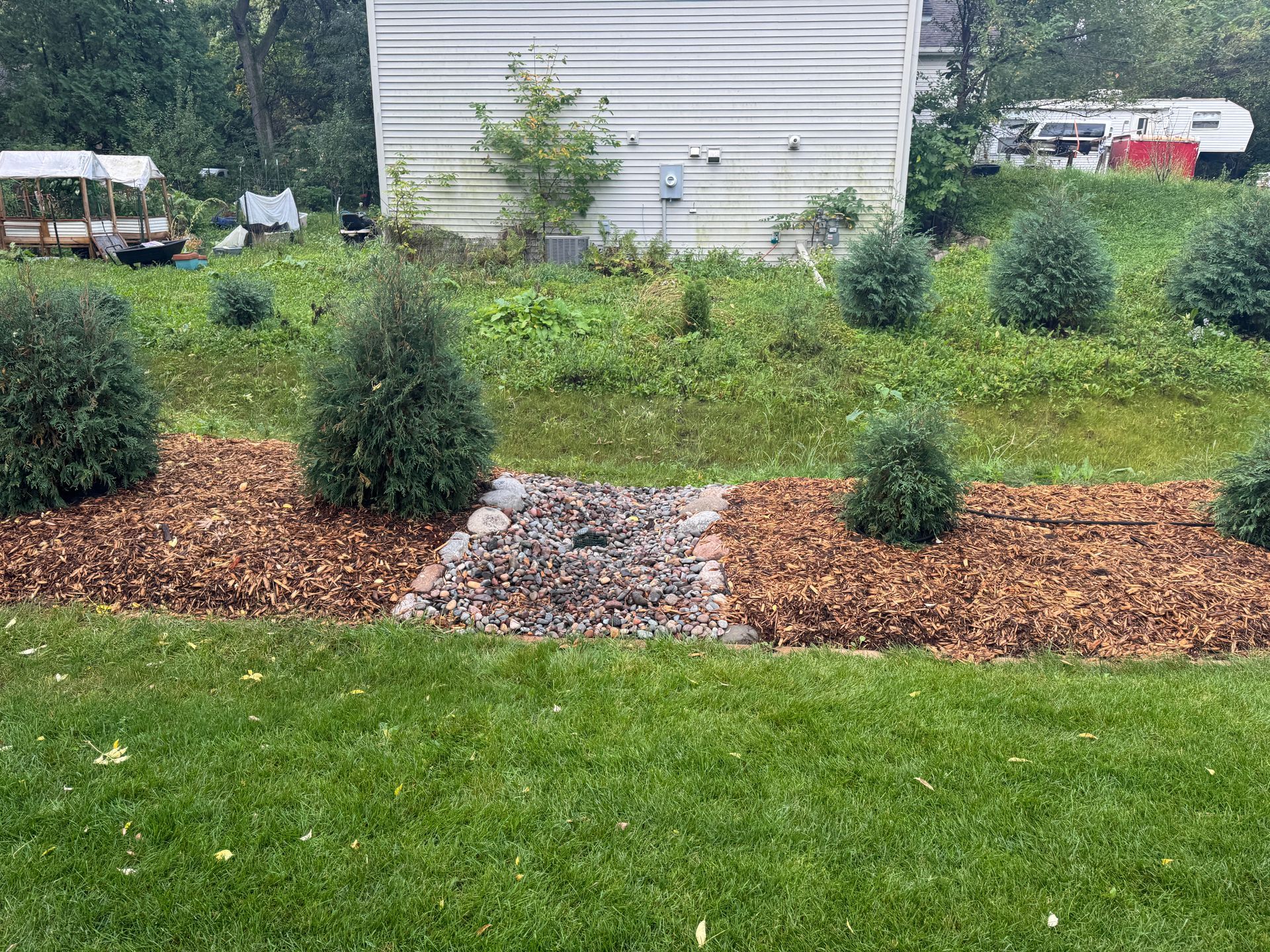
One approach that works well for commercial properties: mulch in front-facing and entrance areas where it makes the biggest visual impact, rock ground cover on sides and rear where it provides permanent, low-maintenance coverage. This isn't cutting corners. It's appropriate resource allocation.
Pro Tip: Before your next maintenance contract renewal, walk your property with this lens: What would happen if we removed half the plantings? If the answer is "it would look cleaner and we could actually maintain what's left," that's your answer. Removing overgrown or struggling plants often improves appearance more than adding new ones.
What Orono Commercial Properties Actually Need Each Month
This isn't a generic checklist. It's structured around maintaining what you have well rather than adding complexity. Adjust based on your property's specific plantings and your right-sizing decisions.
Spring: March Through May
March is assessment month. Walk the property and evaluate winter damage before growth begins. Identify dead or damaged plants for removal—not automatic replacement. Clear debris from beds and turf. Check drainage patterns: water should flow away from buildings and parking areas.
April brings the first real tasks. Begin mowing when turf reaches three to four inches. Edge all bed lines early—crisp edges make everything look maintained. Apply pre-emergent weed control in beds. Prune remaining dead wood from shrubs.
May shifts into full maintenance mode. Regular mowing schedule begins. Apply mulch to priority beds at two to three inches. Spring fertilizer for turf. Evaluate and repair irrigation systems before summer demand.
Summer: June Through August
June establishes your summer rhythm. Maintain regular mowing. Weed control should be consistent small efforts, not periodic major cleanups. Monitor for pest or disease issues. Deadhead flowering plants to extend blooms.
July is maintenance mode. Continue mowing schedule. Deep water during dry periods if irrigated. Top up mulch in high-visibility entrance areas only. Address weed breakthrough in beds.
August wraps summer while preparing for fall. Continue mowing. Identify plants that struggled through summer heat—candidates for removal rather than nursing along. Late-summer weed control prevents fall germination.
Fall: September Through November
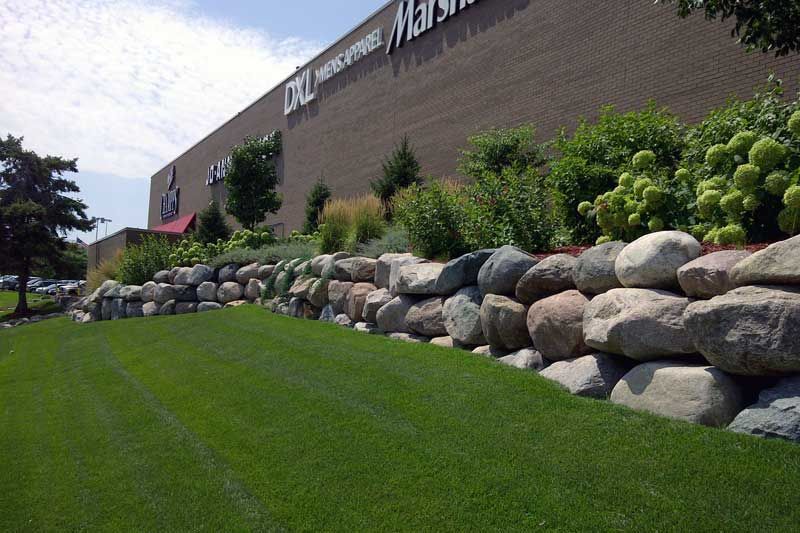
September is the most important month for turf. Fall fertilization matters more than spring for Minnesota lawns. Begin reducing mowing height gradually. Start fall cleanup. Evaluate evergreen health before winter.
October intensifies cleanup. Leaf removal is critical—smothered grass develops disease. Complete bed cleanup. Cut back perennials. Final mowing at lower height to reduce snow mold risk.
November closes the season. Complete all leaf removal before snow. Winterize irrigation. Final property walkthrough to note spring priorities. Remove remaining debris from beds.
Winter: December Through February
Focus shifts to snow and ice management. Monitor for salt damage to plantings near parking areas and walkways. Use this time for planning and budgeting: review what worked, what didn't, and what changes make sense for spring.
Why Minnesota Commercial Properties Need Evergreens
Commercial properties regularly skip evergreens in favor of flowering shrubs and ornamental plants. The reasoning makes sense on the surface—evergreens seem boring compared to plants that bloom. But this creates a critical gap in your property's appearance.
Minnesota has six months or more when deciduous plants are completely bare. A commercial property with only deciduous plantings looks abandoned from November through April—nothing but mulch beds with bare sticks. Customers, clients, and tenants see that emptiness every day for half the year.
You don't realize how important evergreens are until you're looking at nothing but bare branches for six months. Then it becomes obvious.
The approach that works: establish an evergreen foundation layer that provides year-round structure, then build seasonal interest on top of that foundation with flowering plants—not instead of it. Evergreens and ornamental grasses provide what I call "good bones." They're the structure that makes your property look intentional and maintained even when everything else is dormant.
For commercial properties specifically, your front entrance should have evergreen anchors. Utility areas benefit from evergreen screening that works year-round, not just during growing season. Foundation plantings visible from parking or street should be at least fifty percent evergreen.
The maintenance benefit is significant: evergreens require less ongoing care than flowering shrubs. No annual replacement like bedding plants. Minimal pruning once established. Year-round appearance with lower ongoing cost. That's the definition of maintenance-conscious design.
Pro Tip: If your commercial property's landscaping disappears in winter—just mulch beds with bare sticks—that's a design problem, not a maintenance problem. Before adding more plants next spring, consider whether those additions should be evergreens that provide year-round structure rather than more deciduous plants that will be invisible from November through April.
Designing for Maintainability
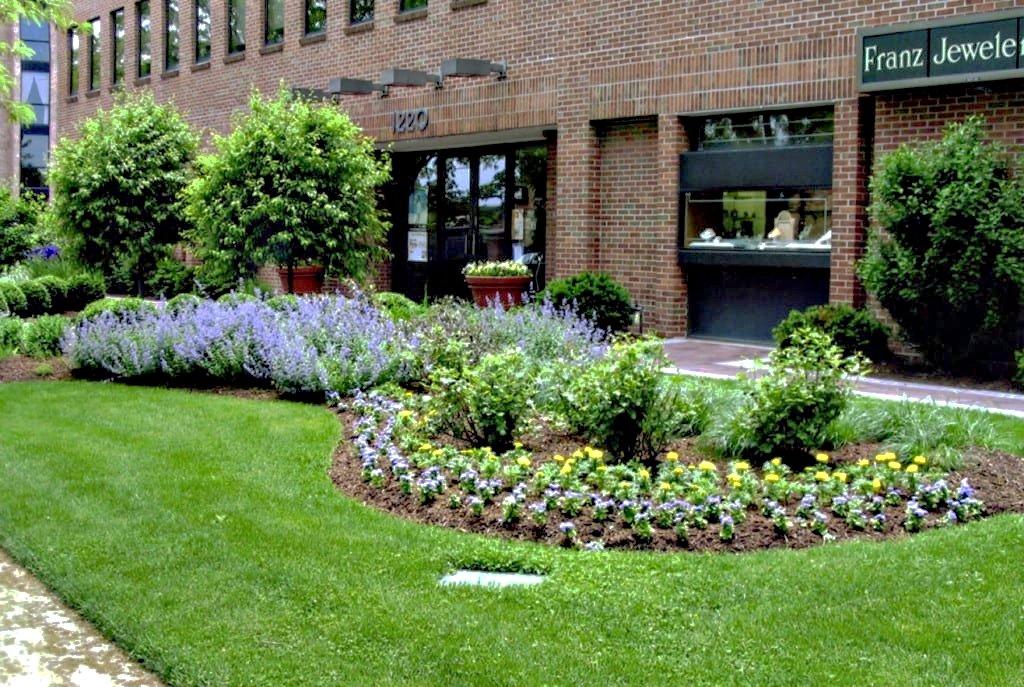
If you're considering landscape updates or working with a designer on improvements, these principles help ensure your commercial property stays looking good with realistic maintenance resources.
Focus Detailed Plantings Strategically
Your entrance and front-facing areas deserve the most attention and the most complex plantings—these are what customers and clients see first. Areas visible from parking get secondary priority. But not every square foot of your property needs to be a focal point. Trying to make everything impressive means nothing gets the attention it deserves.
Simplify Secondary Areas
Side areas along your building don't need elaborate beds. Rock ground cover or minimal turf serves the purpose: neat, intentional, low-maintenance. Rear areas should be functional, not decorative—unless they're customer-facing, in which case they're not really secondary areas. Utility zones benefit from evergreen screening that requires minimal ongoing care.
Make the Mulch Versus Rock Decision
For commercial properties, this decision should be based on maintenance reality, not just aesthetics. Front and entrance areas: mulch looks better and the renewal cost is worth it for these high-visibility zones. Sides and rear: rock ground cover is a one-time install with minimal ongoing maintenance. This isn't a compromise—it's appropriate resource allocation for different areas with different visibility levels.
Right-Size Bed Spaces
Smaller, well-defined beds are easier to maintain thoroughly than expansive coverage. They look intentional rather than struggling. And they're more forgiving if maintenance resources are occasionally stretched thin.
Match Design to Maintenance Capacity
This is the fundamental principle: if you have one person doing quarterly maintenance visits, your landscape should be designed for that level of care. If you have weekly professional service, you can handle more complexity. Be honest about your actual maintenance resources, and design to match—not to exceed.
What Orono Business Properties Face
Orono's Lake Minnetonka location creates specific expectations for commercial properties.
Lake proximity means an affluent customer base with high aesthetic standards. Professional appearance isn't a differentiator for Orono businesses—it's the baseline expectation. But meeting high expectations doesn't require high complexity. It requires consistency. A simple, well-maintained landscape reads as professional. An elaborate, poorly-maintained landscape reads as neglected.
The approach applies across property categories: office and professional services along main corridors, retail near Navarre and Long Lake, restaurants and hospitality near the lake, medical and dental practices throughout the community. Each has different visibility patterns, but all benefit from consistent maintenance over elaborate features.
Local factors include variable soil conditions, mature trees on many properties creating shade challenges, and surrounding area standards that commercial properties need to meet. The formula is straightforward: consistent professional maintenance, year-round structure through evergreens, clean edges and weed-free beds, and landscape scale appropriate to realistic maintenance resources.
Frequently Asked Questions
How much does commercial landscape maintenance cost in Orono?
Costs vary widely based on property size and landscape complexity. Basic lawn care for smaller commercial properties starts around five hundred dollars annually. Comprehensive programs including bed maintenance, seasonal cleanups, and mulching range significantly higher.
The more relevant question is whether your landscape matches your budget. Often the issue isn't insufficient spending—it's that the landscape was designed beyond realistic maintenance capacity. Right-sizing the landscape to match available resources often produces better results than increasing budget to chase an over-designed landscape.
How often should commercial landscaping be maintained?
Mowing should happen weekly to bi-weekly during growing season. Bed maintenance needs monthly attention minimum. Spring and fall require more intensive cleanup efforts.
The key insight: frequency matters less than consistency. Sporadic intensive maintenance looks worse than regular basic care. A property maintained every two weeks throughout the season looks better than one getting intensive monthly attention with neglect in between.
What's the most important landscape maintenance task for commercial properties?
Consistent mowing and edging creates the most immediate professional impression. Well-maintained turf with crisp bed edges makes everything else look better. Second priority is weed control in visible beds—weeds signal neglect faster than almost anything else.
The often-overlooked task: edge definition. Crisp edges between turf and beds make the entire property look maintained. Fuzzy, undefined edges make even good plantings look neglected.
How do I reduce commercial landscape maintenance costs without looking neglected?
Reduce landscape complexity rather than maintenance frequency. Cutting visits while keeping an elaborate landscape guarantees neglected appearance. Instead, simplify the landscape to match realistic maintenance capacity.
Specific strategies: remove struggling plants, convert high-maintenance beds to rock ground cover, simplify secondary areas while maintaining quality in high-visibility zones. A well-maintained simple landscape always looks better than a poorly-maintained elaborate one.
Finding the Right Balance
The best commercial landscape maintenance program isn't the most comprehensive one. It's the one that matches your property's actual needs and realistic maintenance capacity.
For Orono businesses where professional appearance matters, that means right-sizing your landscape to a maintainable scope. It means establishing evergreen structure for year-round curb appeal. It means focusing resources on high-visibility areas while keeping secondary zones simple. And it means consistent basic care over sporadic premium services.
Before signing another maintenance contract or planning spring improvements, work through the three questions: How much do you actually want to maintain? How densely planted does every zone need to be? Can you realistically maintain what you have?
The answers often point toward simplification—and that's not settling for less. It's designing for success.
Contact KG Landscape for a commercial property landscape evaluation in Orono and the greater Lake Minnetonka area.
Ready to Start on Your Next Project?
Call us at (763) 568-7251 or visit our quote page.