
6 Unique, Large Shade Trees for Your Minnesota Yard
Maples and Elms are nice trees for any Minnesota yard, but there are other great shade tree options to consider as well. Here are some less common and underused shade tree species you might consider that will add some unique interest and diversity to your Minnesota landscape.

Hackberry (native to MN)
The highlight of this tree is it’s interesting, corky gray bark texture. The bark pattern is particularly noticeable on younger trees. It resembles the stripes of layered rock formations with irregularly spaced grooves and ridges. The hackberry has fruit that can be eaten and peaks around early September. The canopy of the tree is very uniform and beautiful, and the fall color is a golden yellow. This is one of the larger trees on our list at 50-75′ tall and about 50′ wide at full mature state. These are great trees for a Northeast or South Minneapolis yard due to their tolerance for harsh urban conditions.
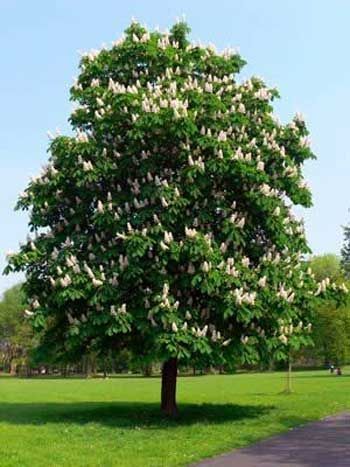
Northern Catalpa
If you’re looking for a unique shade tree in Minnesota, look no further than the Northern Catalpa. The unique, LARGE leaves almost look tropical or like they’re from the Jurassic period. Out of all the trees on this list, the spring bloom on this one is the most impressive. Seeing a very large tree filled with huge flowers is an amazing sight. The catalpa tree is also perfect for Minnesota yards because it tolerates many different site situations and soil types so it’s quite hardy. The fall color is okay, yellow/green, but that’s not the highlight of this tree so that’s okay. One thing to keep in mind about this tree is that it does have large seed pods that fall to the ground. We would not recommend planting this directly over a driveway or patio.

Kentucky Coffeetree (native to MN)
If you’re looking for an interesting leaf structure, this is the tree for your Minnesota yard. The airy leaves on this tree are large and made up of smaller leaflets. The leaves come out in spring a beautiful pink, bronze color. Then they mature throughout the year into a blue-green color. The branches on this tree spread out in interesting ways to form a nice looking shape and canopy. Similar to the Hackberry above, this has deeply furrowed gray/brown bark. The fall color eventually turns to a nice golden/yellow. The male varieties of the tree like ‘Kentucky Decaf’, ‘Kentucky espresso,’ and ‘Kentucky true north’ are seedless, making them less messy. While the female ‘Kentucky’ trees have seed pods which drop in spring. The seed pods can be bad for driveway or patios but are really nice to hear rustling in the wind.

Amur Cork tree
The Amur Cork tree has a very unique form/branch structure. You’ll see it as soon as you look at the picture above. The branches reach up and spread out with the leaves coming down in a mild weeping fashion. The fall color on this tree has a nice shade of yellow, especially vibrant against the dark colored bark on the branches and trunk. As can be guessed by the name, the trunk can feel corky or spongy. The bark also develops deep furrowed gray/brown stripes. Read more about this interesting tree at the
U of M Extension Website
.
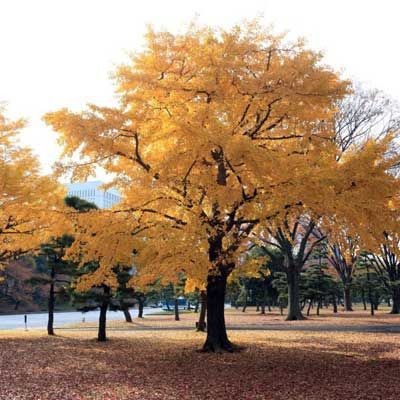
Ginkgo Tree
A lot of people in Minnesota live for those few weeks in September where the leaves have changed to vibrant, amazing colors. The Gingko tree offers that beautiful fall color. The unique fan shaped leaves turn into a dazzling yellow/gold that can take your breath away. Like other trees on this list, the gingko tree is tolerant to urban and suburban environments so it’s hard to kill off (in a good way). We recommend the ‘autumn gold’ and ‘presidential gold’ varieties ourselves but there are other great ways as well. The branching structure and overall form of this tree is also of note. This tree is classified as both a shade tree and an ornamental tree.

Sycamore Tree
All of the trees we’ve highlighted here have at least 1 unique feature about them and the Sycamore is no different. These trees have a very cool, very unique bark pattern where the dark gray bark stripes off toe reveal khaki and ivory underneath. This leads to a unique and memorable trunk and branch color/texture. The other unique thing about this tree that sets it apart is that it can grow up to 6′ in one season. The fast growth of this tree means you can get more bang for your buck and see the results quicker. We prefer the ‘bloodgood’ and ‘exclamation’ varieties.
Hopefully that gives you some inspiration for all your unique shade tree ideas in Minnesota. One of the best parts of designing landscapes is pushing the envelope and using plants and materials that keep your interest and are unique to your yard. The landscape designers here at KG Landscape can help you achieve that unique, beautiful plant bed and yard that you’ve always wanted. Call us at our office or write into our quick quote to start the conversation.
Ready to Start on Your Next Project?
Call us at (763) 568-7251 or visit our quote page.
Learn how KG Landscape restored a backyard swale in Shoreview, MN, fixing drainage issues. Contact us for expert landscaping solutions!
Learn how KG Landscape solved a waterlogged yard issue in Orono, MN. Contact us for eco-friendly drainage solutions today!
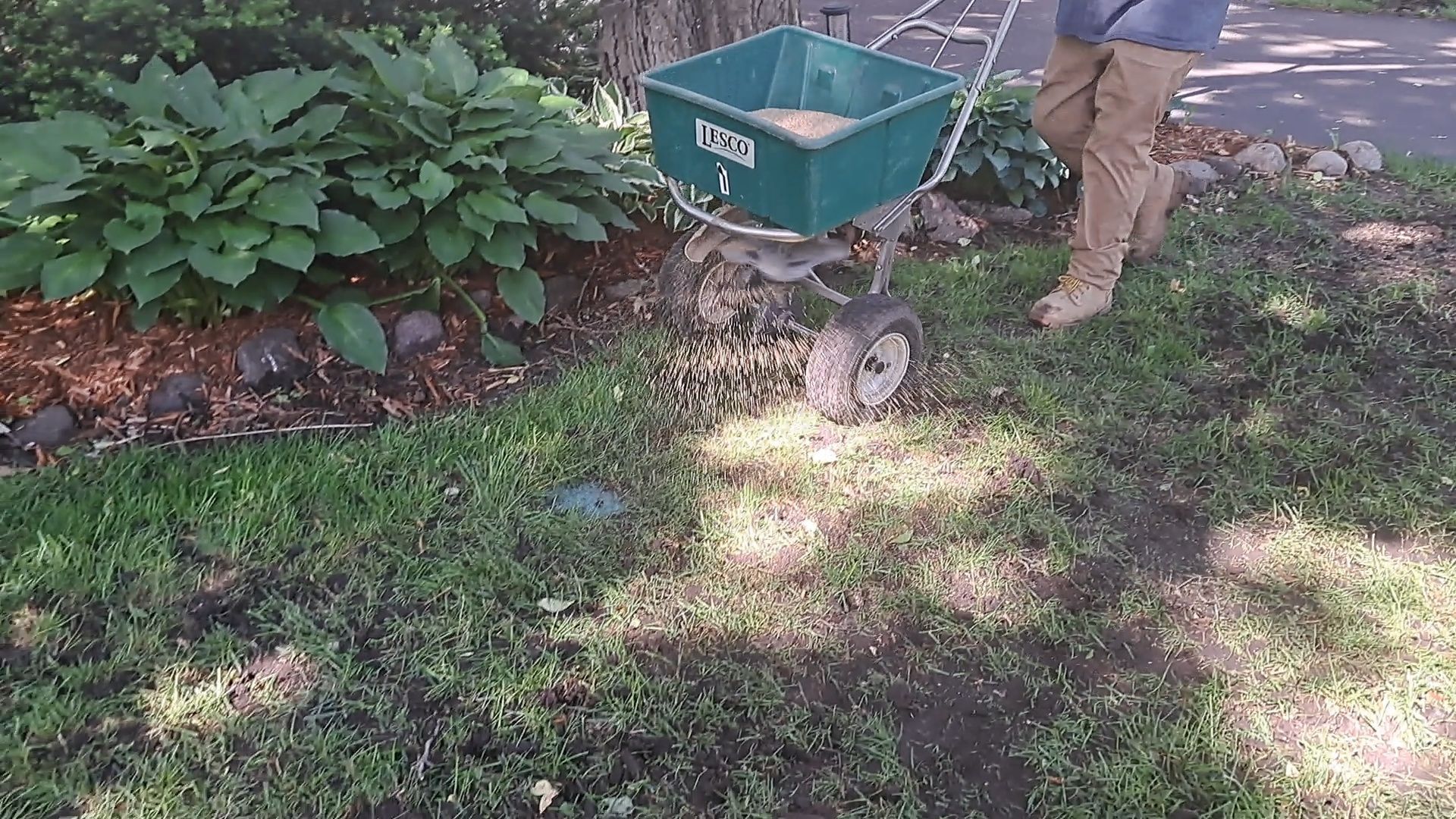
Can you use compost as lawn fertilizer in Minnesota? Learn how compost feeds turf, how to apply it, and where it fits. Get a free quote.
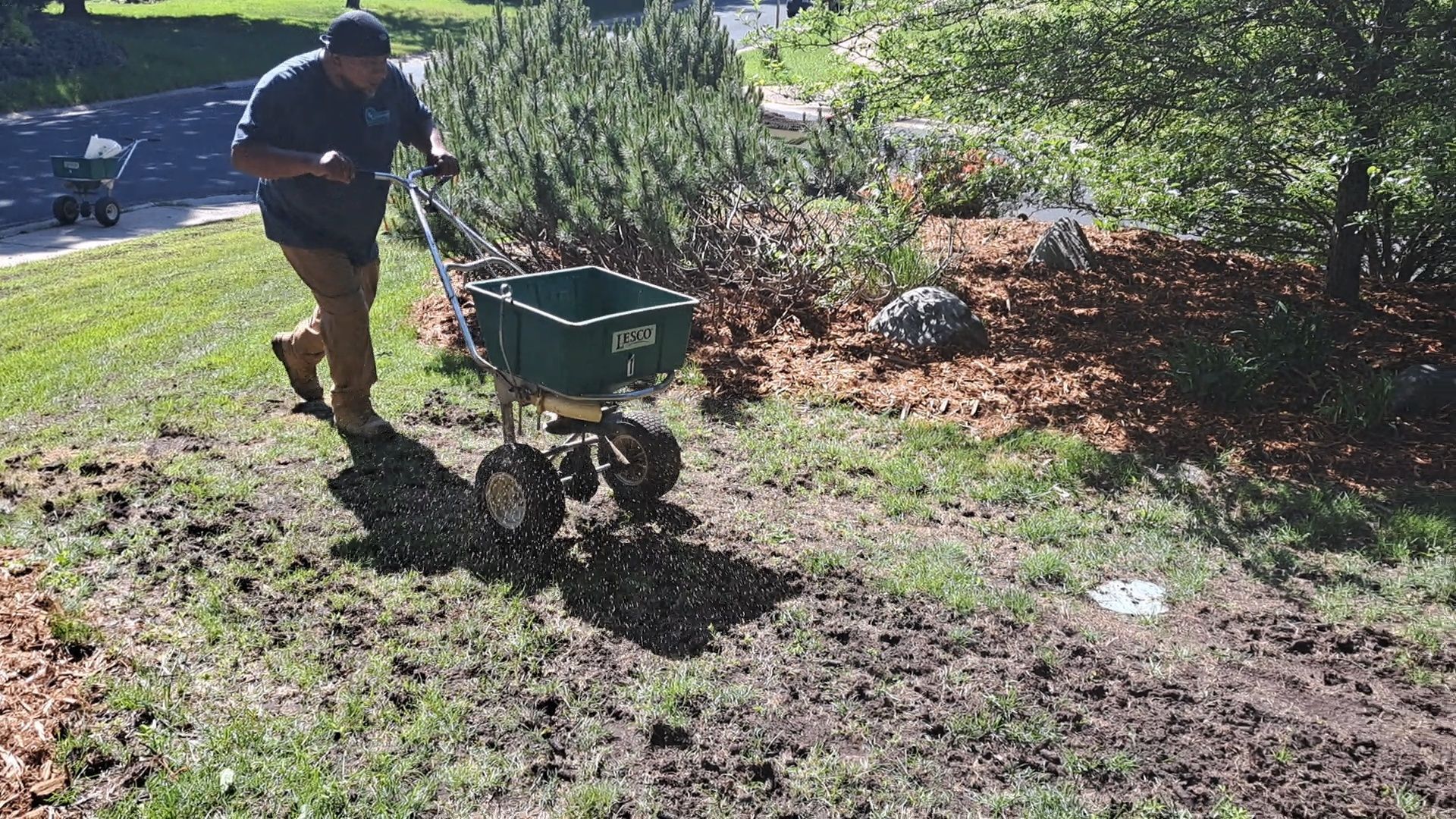
Organic weed control for Minnesota lawns: what works, what doesn't, and how to manage weeds without harsh chemicals. Get a quote.

Keep your lawn and your pets safe. Pet-safe lawn care tips for Minnesota yards, from products to timing. Get a free quote.
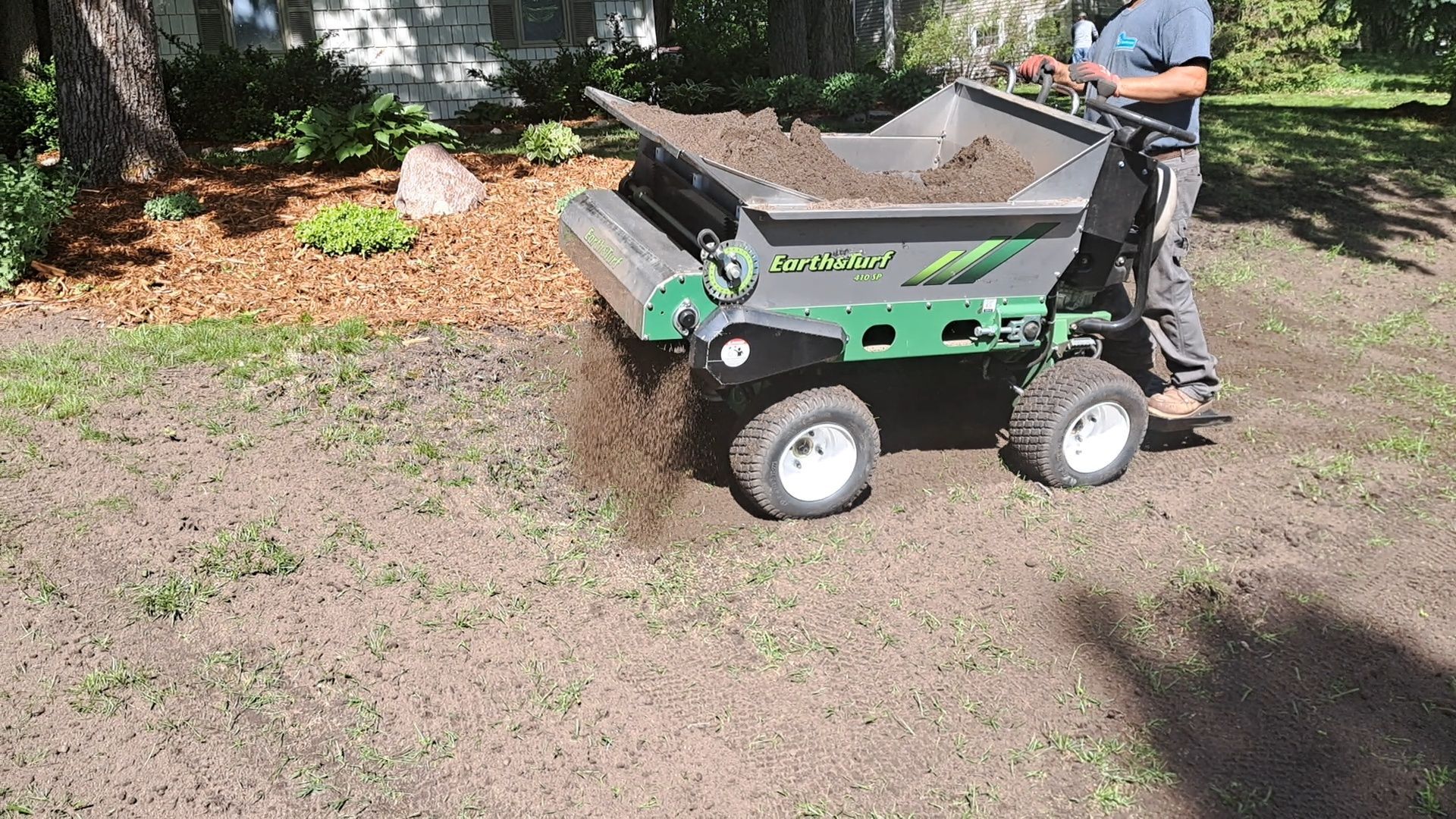
Looking for the best organic lawn fertilizer in Minnesota? See top options, how they feed your turf, and what KG uses. Get a quote.
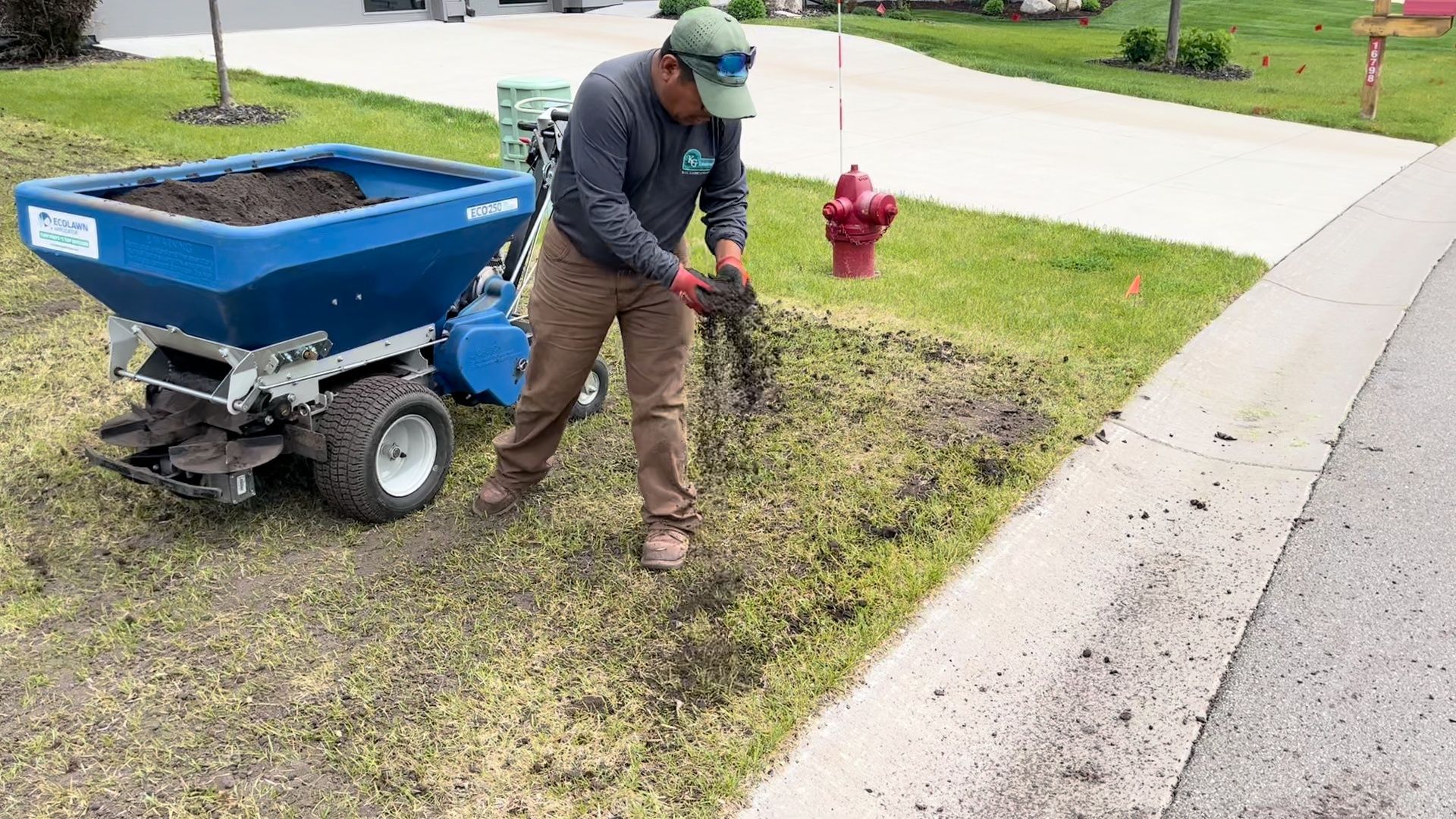
Is compost a fertilizer? Learn what compost does for your Minnesota lawn, how it differs from fertilizer, and when to use it. Get a quote.
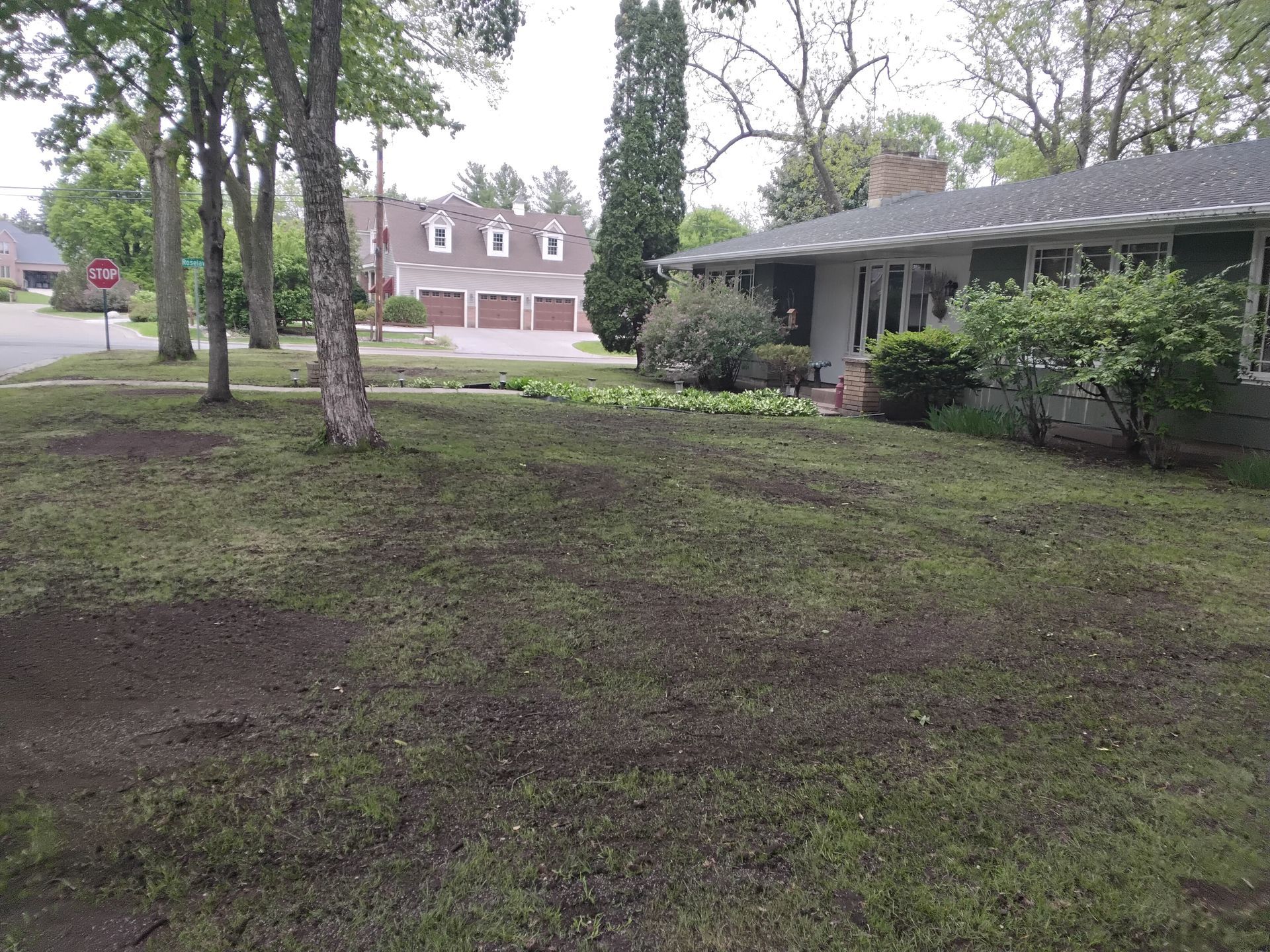
Compost feeds the soil, fertilizer feeds the grass. Learn which your Minnesota lawn needs, when to use each, and how to apply both. Get a quote.
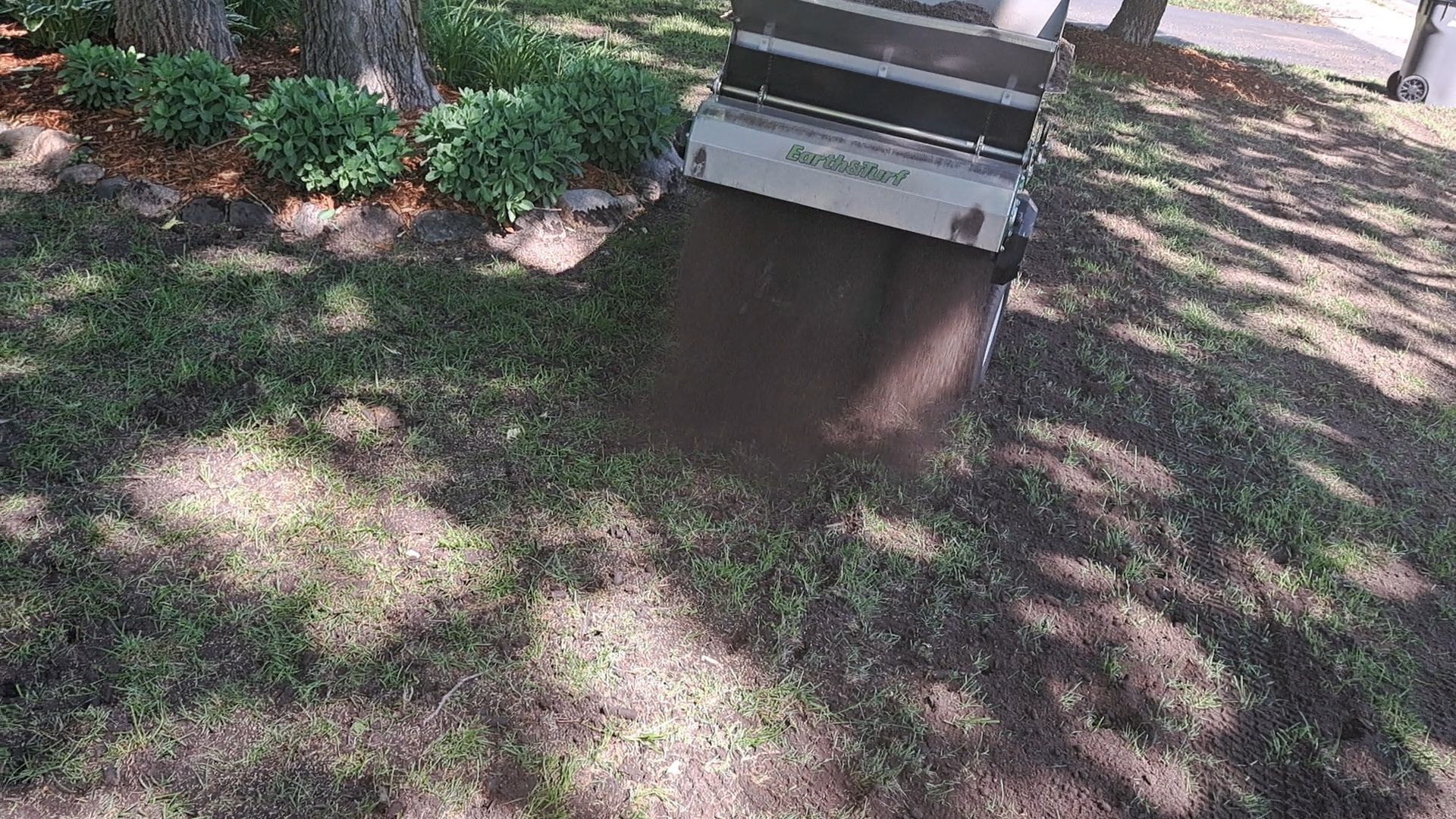
Eco-friendly lawn care tips for Twin Cities yards: cut chemicals, save water, and build healthy soil naturally. Get a free quote.
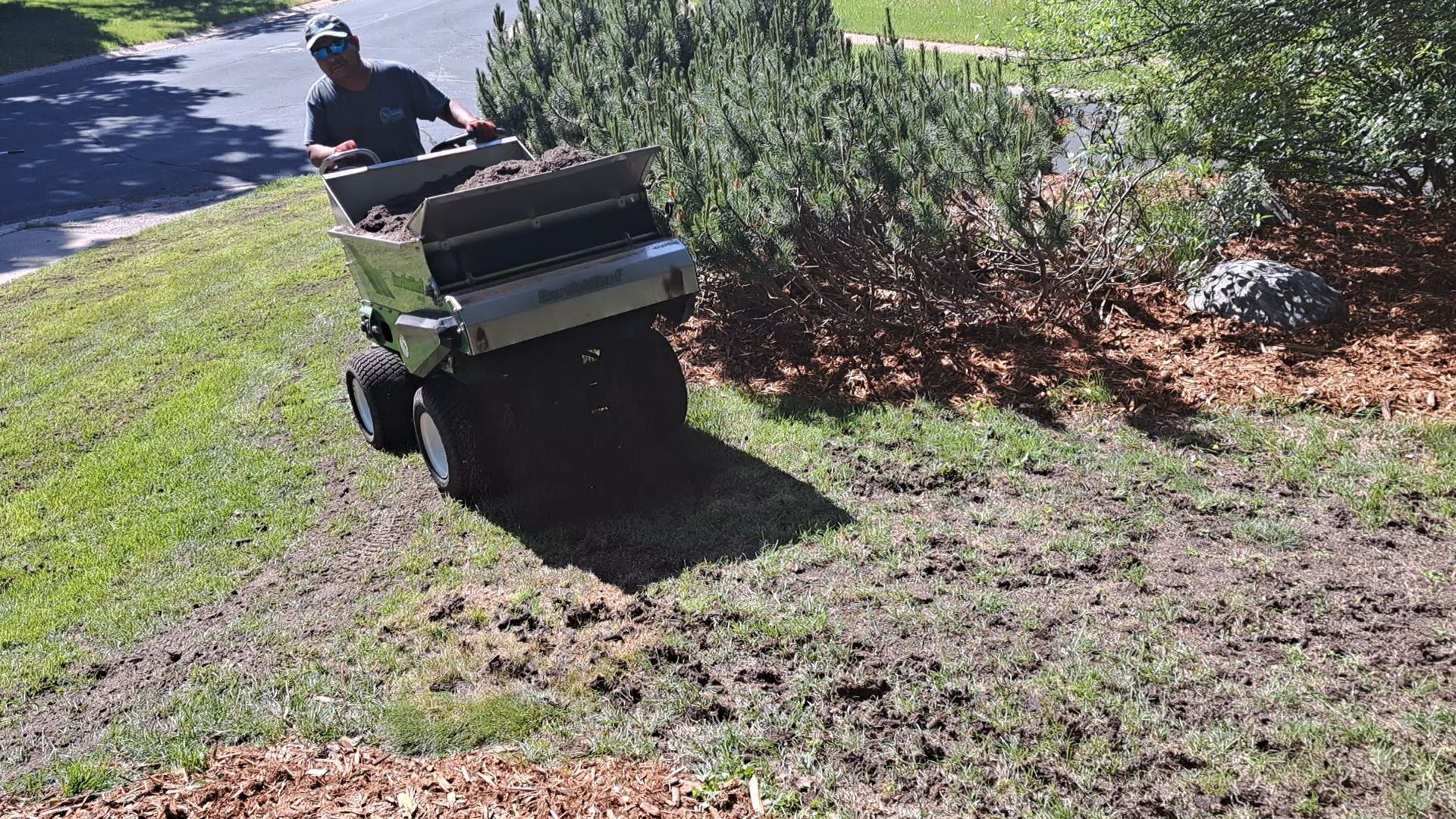
Simple, proven lawn care tips for Minnesota yards: mowing, watering, feeding, and building healthy soil that lasts. Get a free quote.