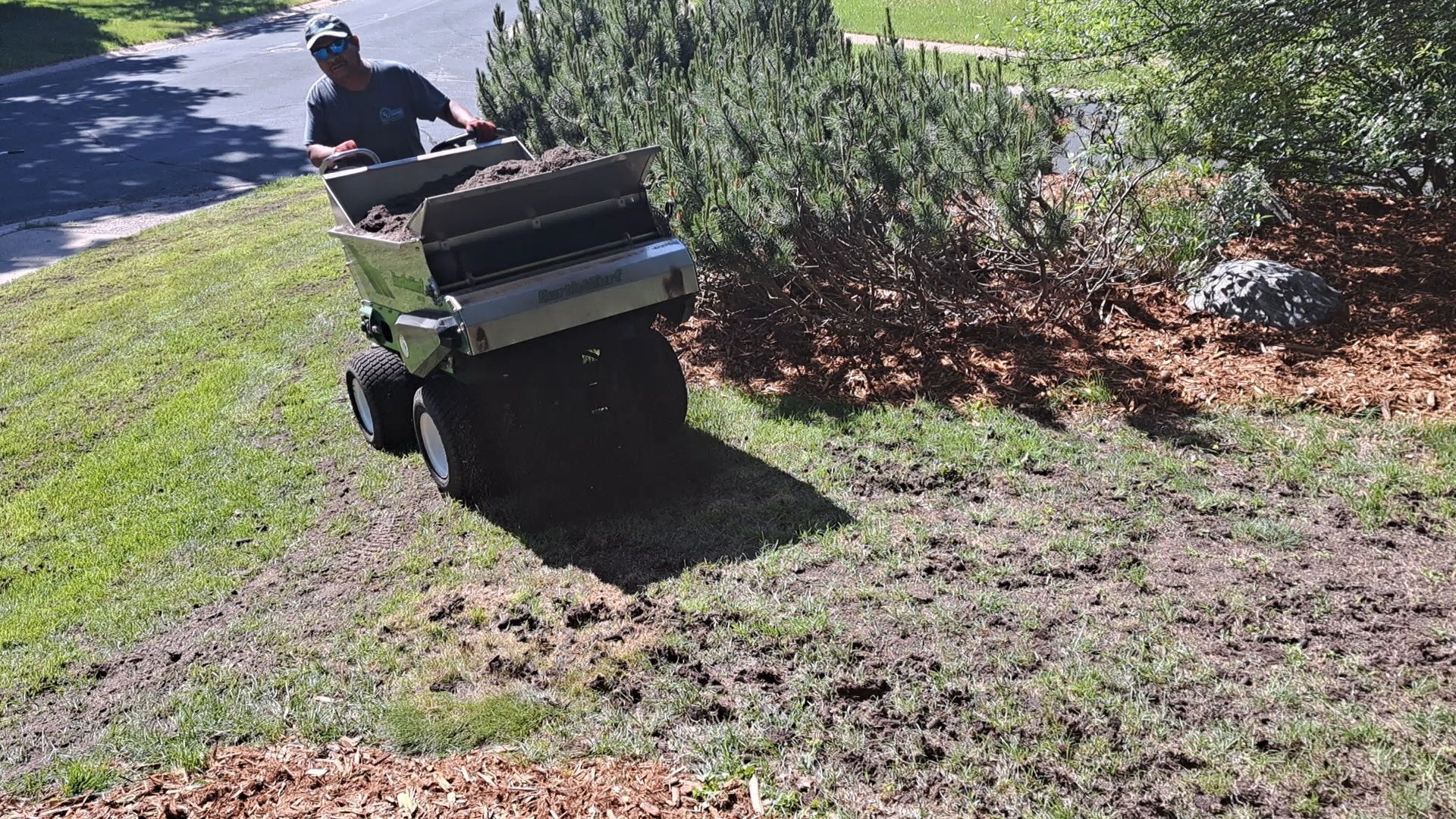
There’s a reason why cleanups happen in the spring. It’s a time for rebirth, growth, and renewal. Minnesota winters can be especially harsh — and we often neglect certain aspects of our home during the cold months.
Your yard and lawn often go untouched in the winter, so come springtime they certainly need some love. Sure, taking care of your landscaping needs will improve
curb appeal
— but it’s also a preventative measure for potential issues in the future.
That’s why we decided to give you our
2019 Spring Cleanup Guide
to prepare your yard for one of the most important and beautiful times of the year.
Roll Up Your Sleeves
Your first task on the spring cleanup journey isn’t necessarily the most glamorous. It’s time to roll up your sleeves and get to cleaning up after good ole winter. A lot of usual upkeep gets neglected during the frigid winter months — but before you can move on to other upkeep prerogatives you’ll need a fresh foundation.
What you’ll need:
It’s time to get out the trash bags, gloves and the rake (maybe even scissors).
All neighborhoods generally have the same issues. Messy residents, defecating animals, and dead plants. While we all wish we lived in a utopian society, we’re stuck with reality.
An unfortunate side effect of living near people is cleaning up after them. Spring cleanup means you’ll be slipping on some work gloves and grabbing the trash bags to get rid of any debris or litter left behind by you or your neighbors.
The same can be said for pets. While they may be man’s best friend, man doesn’t always pick up after them. Unfortunately, there’s not much you can do about neighbor’s pets other than asking their owners politely to pick up after them.
Now that we’ve discussed the less appealing responsibilities of spring cleanup — we can move on to lawn care. It’s time to break out the rake and get rid of any dead leaves that made it under the snow. This is especially important if you want to avoid
thatch buildup
which can lead to pest issues and disease-causing organisms.
Speaking of refuse — nature has its own litter that can build up over the winter. Pinecones can be an annoying source of debris but simply need to be picked up and discarded.
As for your perennial beds, you should pick up any stalks or dead leaves that were left behind from the fall. Grab your scissors and get to work!
Need Help?
Sometimes the best option is to seek out a professional for assistance to get the most out of your spring cleanup.
Our professional lawn service
uses advanced bagging systems on our rider and push mowers coupled with professional grade backpack blowers to remove leaves and debris from the deepest corners of your yard.
Our leaf removal is often utilized best when used in conjunction with other services such as trimming.
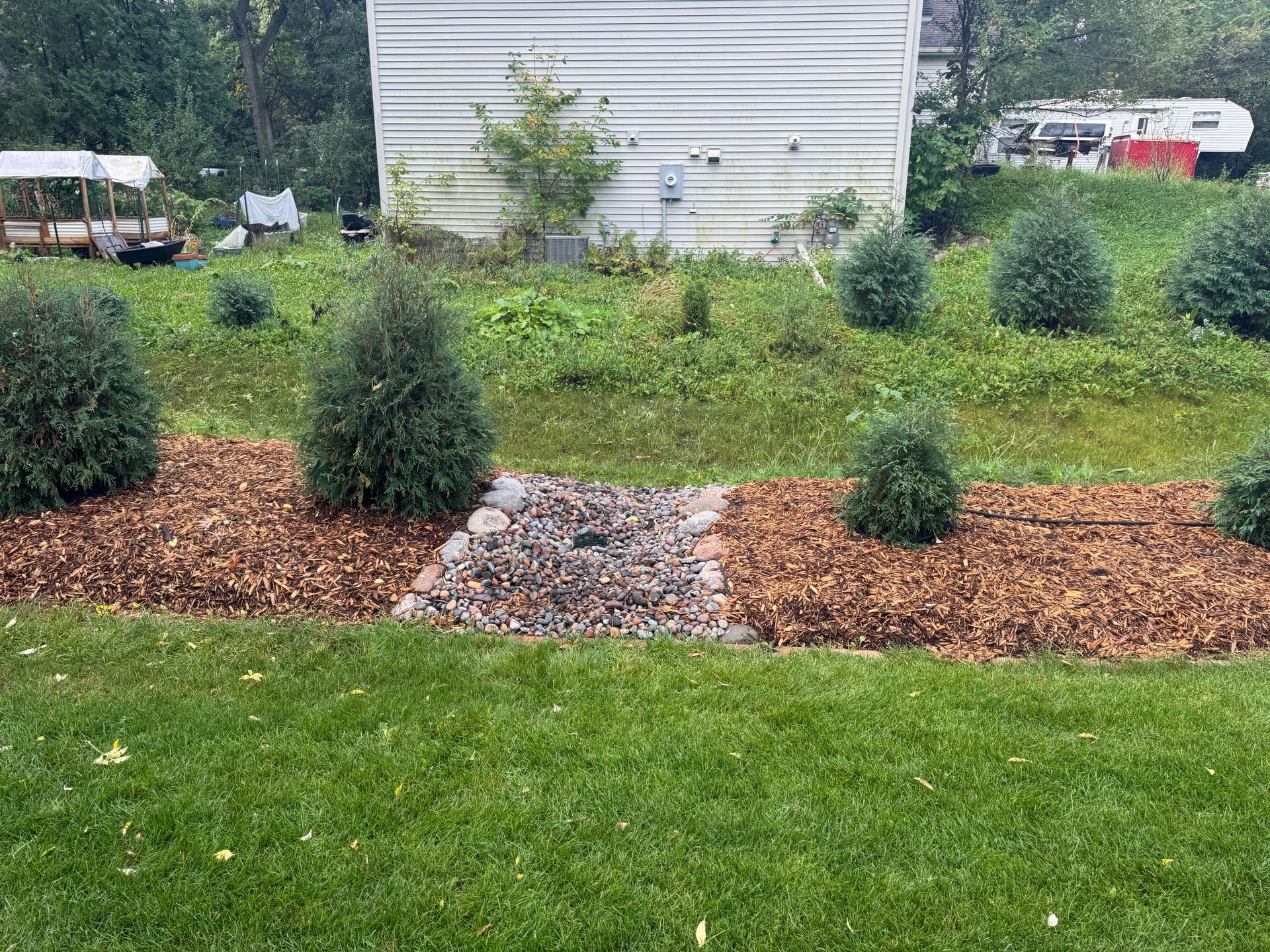
The true value of a spring cleanup is the plans you have for your yard. This is great motivation to prepare your yard and lawn for planting or transplanting projects you may have concocted during the winter. Now that your yard is debris-free and all cleaned up, it’s time to prep your planting beds.
Preparing Planting Beds
There are plenty of steps you can make to properly prepare your yard or lawn for springtime. From removing weeds to fertilizing your perennial beds — the strategy you decide on will be dependent on the outcome you are looking for.
Starting with existing perennial beds or new beds, your best option for fertilizer is to go organic and make your soil more
friable. Friable soil is needed for optimal for most roots and drainage.
Chemical fertilizers are certainly an option but be very careful with how much you use.
Too much can do more harm than good.
Our team of turfgrass experts has created an
Organic Fertilizer Program
to
reduce the number of conventional herbicides and synthetic fertilizers used on your lawn, while still effectively controlling weeds and improving turf and soil quality.
We always recommend going organic as it is better for your yard, your plants and the environment.
Coming up with some ideas or
groundcover for planting beds
can be a puzzle. Spring is when you want to shine and there’s no better way to make your yard stand out than a good mix of textures and colors.
Optimal Pruning Time
So, you have done your due diligence and removed all of the debris and nonsense cluttering your yard or lawn. Well, your trees and shrubs will also need a touch of spring cleanup as well.
Luckily, nature has made this pretty simple for trees by giving you colored clues as to what is alive and what is dead. Get rid of dead limbs and any winterkill that’s left over. The only challenging part of this is figuring out where the green starts and the brown ends.
Shrubs can be a bit trickier. Depending on when the shrubs bloom you’ll want to be careful about pruning healthy wood. Removing limbs at the wrong time can lead to a loss in blossoming displays.
Need Help?
When it comes to properly prune trees and shrubs, plenty of gardeners and yard owners get cold feet. It’s a risky game and doing it incorrectly can lead to costly damages. If you’re looking for a professional opinion and helping hand,
feel free to reach out for a consultation.
Planting Time
Spring is a great time for tree installation and perennial bed planting. The earlier the better. There are some special circumstances to keep in mind though. Certain annuals and sensitive perennials will need to be planted after the
last frost date.
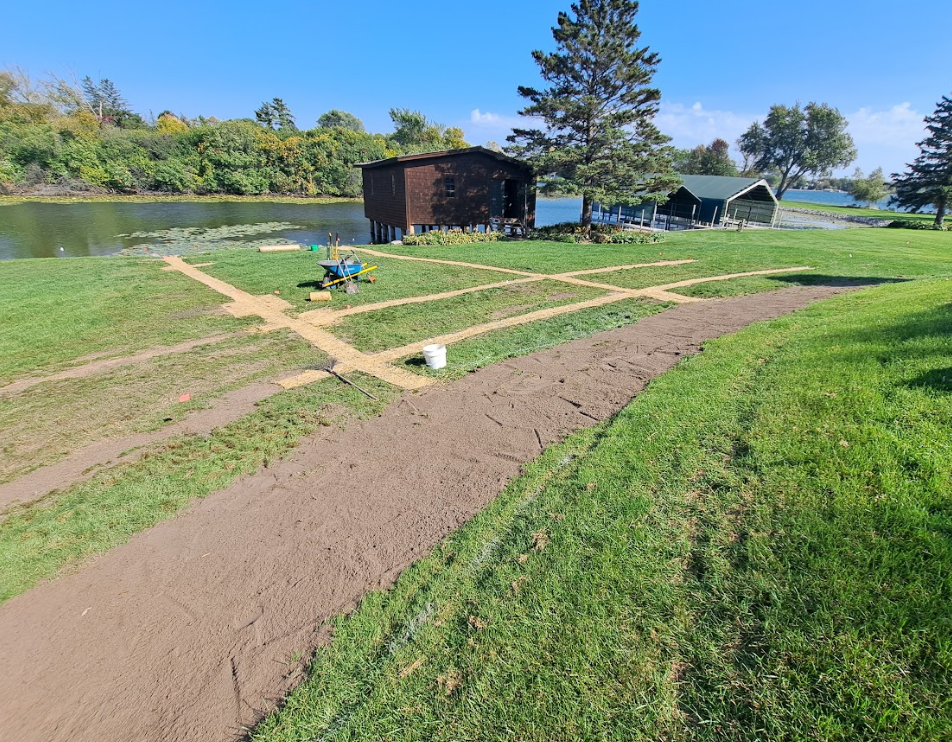
You can start a new lawn
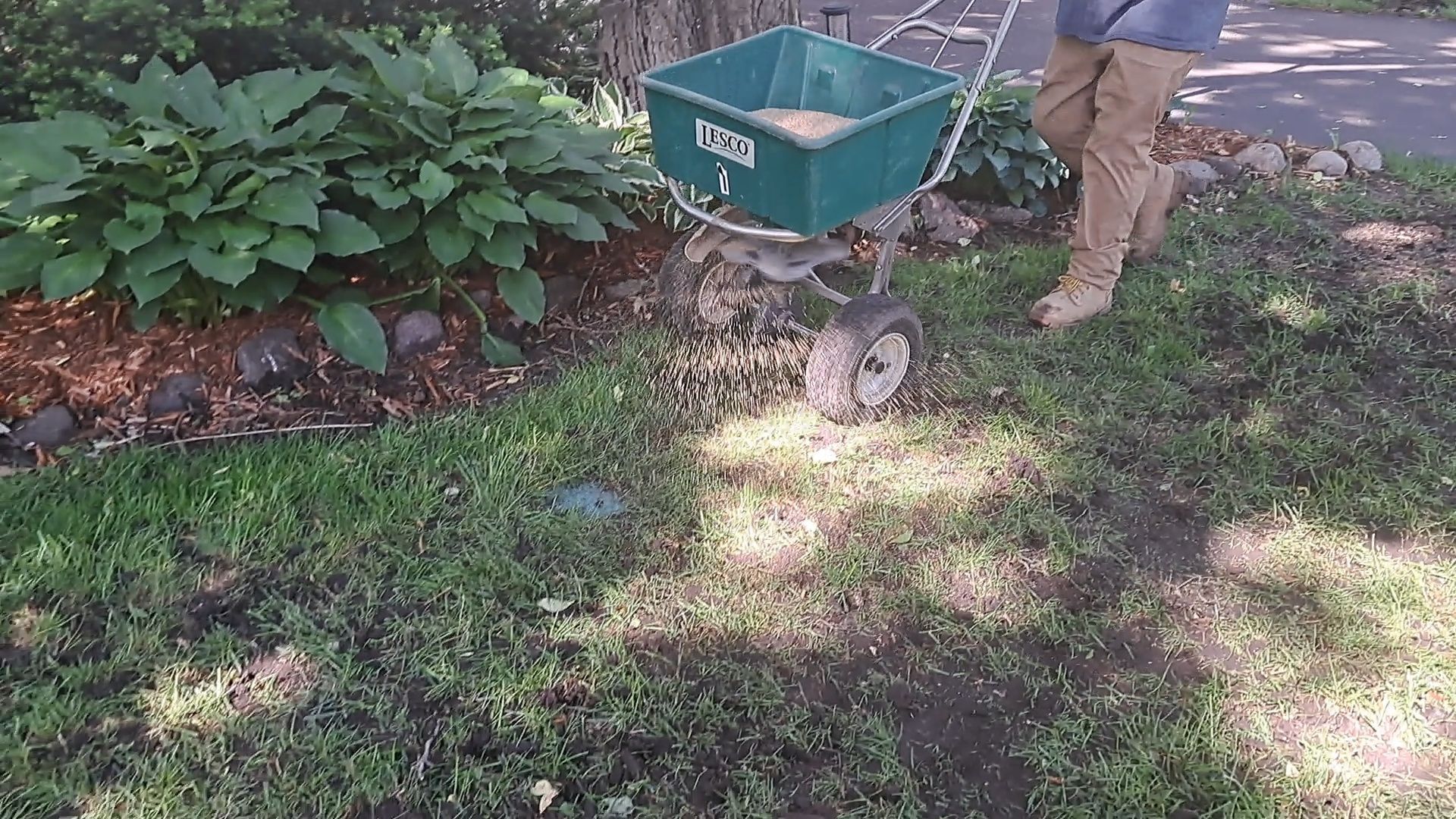
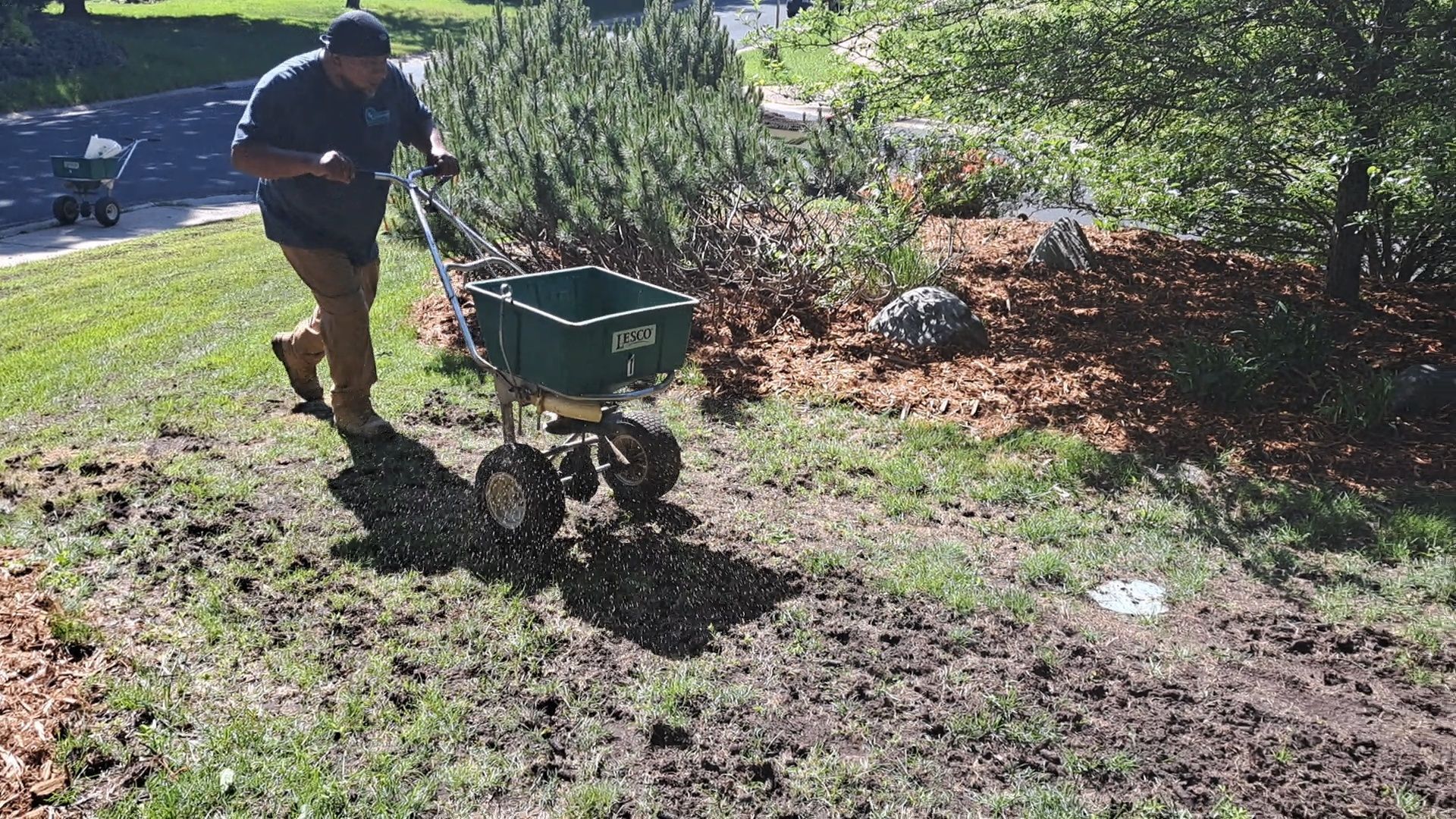
in northern climates like we have here in Minnesota in the spring. So, if you’re done with your spring cleanup and want to start on a new lawn project, this is the season to do it. You can also overseed during this time.
You can work on your lawn
during the springtime as well. Even if you’re not starting anew, lawn renovation can be done following a spring cleanup.
Pest and Weed Prevention
After you have gone through the painstaking process of pest control and weed trimming during your spring cleanup, it’s time for the ultimate strategy:
prevention.
It’s far simpler to prevent these nuisances than to combat them. After your cleanup, you will have a fresh foundation for any preventative measures you want to take in order to have the very best lawn and yard possible.
Crabgrass Control
is one of the most important steps during your spring cleanup. Using a pre-emergent in the spring is one of your only options for preventing the damaging effects of crabgrass.
Broadleaf Weed Control
is another important preventative measure during this cleanup season. While this is typically done later in the spring, it’s an important step to keep in mind during your cleanup.
Gardens will also need some protection. Pests like deer or rabbits pose a real threat against your planting beds. Your options are two-fold. You can either put up fencing or find deer resistant plant options.
Need Help?
Fencing is a great option for fending off pesky deer, especially here in Minnesota. If you’re interested in a consultation —
feel free to reach out
and speak to a professional about your options and get a realistic quote. We’re also happy to help you discover plant solutions that deer won’t seek out.
A Final Word
Spring cleanup can seem like a big task. Depending on how prepared you were for the changing season it certainly can be. If you’re simply looking to revitalize your yard and lawn to bring it back to its former glory, stick to our guide!
If you’re looking to get started on a big project that may affect or transform your yard or lawn during the spring it’s recommended that you seek a professional opinion. There are so many amazing landscape designs that you can get started on after your spring cleanup. From waterfalls to beautiful walkways — the options are boundless.