
Trees That Thrive in a Small Yard
Selecting a tree for a space that’s limited can be a complicated process as there are many details and a wide range of trees to research. Ornamental trees and dwarf varieties are popular for these instances as they have a slower growth rate and minimized mature growth size. Homeowners can plant a tree for a relatively low-cost window depending on the species selected. There is also potential that the addition of a tree will increase your property value.
Deciding on the Right Tree
While there are many factors to consider when space is constrained, there are a few major ones that shouldn’t be ignored; height, width, canopy, and debris. When utilizing a small area, the tree must be precisely the right size as an addition such as this tends to bring the rest of the landscaping together acting as a focal point.
Height
Every tree grows at a different speed; the projected height of the tree
you’ve selected can have an impact on whether you move forward with adding it to your property. Check around the area you’ve chosen to plant it to see if there are any power lines overhead, if there are any other trees or plants that may cause conflict, and how the tree may impact any enjoyable views in its mature state. It would help if you also decided the overall purpose for your tree; to add aesthetic or increased privacy to your yard.
Width
The root diameter in the trees mature state can significantly impact your decision as incorrect planning can cause damage to other structures on your property or damage to your tree should the roots not have a large enough growing area. When purchasing your tree, read the tags, ask the employees questions, and research the tree’s size at maturity. Roots typically grow beyond the canopy diameter, so allowing for extra space is an essential detail to acknowledge.
Canopy
The tree’s canopy is the layer of branches and leaves that cover the ground
when viewed from an aerial perspective. If you’re hoping to add shade to your yard, determining the mature canopy size is necessary. Study the tree’s leaf volume to assess the level of shade that will be provided. Consider other structures and plants that may be affected by the tree’s canopy, as this may hinder your decision.
Debris
Before planting a tree, many homeowners forget to consider the amount of debris the selected species will produce. The volume of waste produced can affect the overall use of the area you have chosen to plant in. Some trees drop seedpods, nuts, or fruits, while others have droppings that are sharp or produce voluminous amounts of debris requiring constant clean up. Keep this in mind when selecting your tree as debris production may hinder a frequented area of your yard.
Existing Landscape Design and Architectural Style
Plants continuously grow and expand throughout their life, some maturing at a more rapid rate than others. It’s essential to consider your current landscaping
as you want any new additions to work with present structures, not against them. The interior and exterior style of your home is also a beneficial detail to give attention to as you want new greenery to accent and complement rather than clash with the design already established.
A Few Options for You
With so many different species and varieties of trees, it can be overwhelming to dive into the selection process. While aesthetic preferences are necessary, several more factors should also be considered.
Mimosa (Albizia julibrissin)
Having the ability to bring a tropical presence into your property is one every property owner should jump on — primarily if you reside in colder climates. The mimosa tree produces huge fern-like leaves and unique, feathery, pink flowers that are popular with wildlife. The only downfall is that this tree can be invasive in certain areas, so it’s vital to check town restrictions before purchasing. The mimosa tree reaches an average height ranging from 20 to 25 ft tall.
Eastern Redbud (Cercis canadensis)
This tree is tolerant of colder climates but ultimately thrives in warm summers. It produces magenta and sometimes white flowers in early spring that attract a high volume of butterflies. Once the blooms fall, more of the tree’s heart-shaped leaves flourish in their place. Averaging 20 to 30 ft in height, the Eastern Redbud’s compact form translates well to small properties.
Paper Birch (Betula papyrifera)
While there are different species of birch trees, they are commonly recognized by the peeling, attractive bark that can range in color. This is a fast-growing tree that can reach up to 60 ft in height but have a narrow base diameter, and the canopy allows for sporadic sunlight to peek through. Birch trees are also very versatile in the climates they have success in, meaning they can flourish in both cold and warm areas.
Red Buckeye (Aesculus pavia)
A slow-growing tree that matures to a height of 15 to 20 ft tall with a canopy spread of 15 to 25 ft, the Red Buckeye is recognized for its vivid red flowers that are produced in the spring months. Hummingbirds and butterflies are attracted to the blooms, but if deer frequent your property, this may be a tree to avoid as the leaves are toxic to deer.
Dogwood (Cornus florida)
There are several dogwood species, so finding one that’s suitable for your area should be a relatively simple process. These trees are fast growers, and many can successfully grow in partially shaded areas. With many different leaf and flower styles, dogwoods are one of the first trees to produce blooms in the spring and still bring aesthetic to a property when surrounded by fallen petals. Many species grow to only 15 to 25 ft tall.
Japanese Maple (Acer palmatum)
This tree is known for its delicate, unique leaves, which can be identified by their deeply lobed or fringed appearance. While there are both green and red-leave varieties, they are very popular for their fall shades of red, orange, and even purple. Adding this tree to your property could bring a beautiful mix of color into the overall curb appeal. Nurseries can carry many different varieties ranging from a bushy or shrubby appearance to small or mounding trees. The average mature height for this species is
15 to 25 ft.
15 to 25 ft.
Serviceberry (Amelanchier arborea)
A member of the rose family, Serviceberry trees produce white flowers and fruits that have a similar appearance to crabapples and rose hips. The fruits are edible, but tart and attract a wide variety of wildlife such as birds, deer, and bears. As there are several species and varieties of serviceberry, many are excellent landscape candidates. It produces white flowers in the spring and purple-red berries in the fall, making it beautiful all year round.
Witch Hazel (Hamamelis virginiana)
If you’re looking for a tree that’s leafy, shade-lending, and flower producing, the witch hazel is the perfect candidate. While there are several species and varieties, the blooms typically appear in the fall or late winter. Creating a bright, citrus-scent, the flowers take on shades of yellow, orange, and red and are hard to forget. The witch hazel averages 10 to 20 ft in height and can survive in the extreme cold.
Crabapple (Malus)
Small areas can comfortably accommodate a crabapple tree as they typically stop growing at 12 to 15 ft tall, but it’s essential to plan an area that is fitting for 20 ft tall and wide. In the spring months, the crabapple develops white or deep-pink flowers depending on the species, and small fruits that vary in color in the fall and winter. Many property owners enjoy these trees as they provide year-round aesthetic and fit in small areas. The blooms on a crabapple tree are known to attract honeybees, birds, and an array of other pollinators and wildlife.
Dwarf Alberta Spruce (Picea glauca var. albertiana)
Evergreens are exceptional candidates for small yards. The Dwarf Alberta Spruce is slow growing and reaches a mature growth stage of 10 to 12 ft in height. Due to its dense needles, it doesn’t require a lot of pruning
as the density helps it retain its pyramidal shape. Originating from the Canadian Rockies, this evergreen prospers in compact areas.
Next Steps
At this point, you should have a better idea of the factors that come into play when selecting a tree for a small area. You may have even chosen a tree from the ones listed above. It’s crucial to a tree’s overall success to consider the mature height, width, and canopy size, as well as the amount of debris it will produce. Additionally, become familiar with the different environmental factors and needs to ensure your tree lives a life of optimal health. Completing research and consulting professionals
will set you up for a successful planting season.
Ready to Start on Your Next Project?
Call us at (763) 568-7251 or visit our quote page.
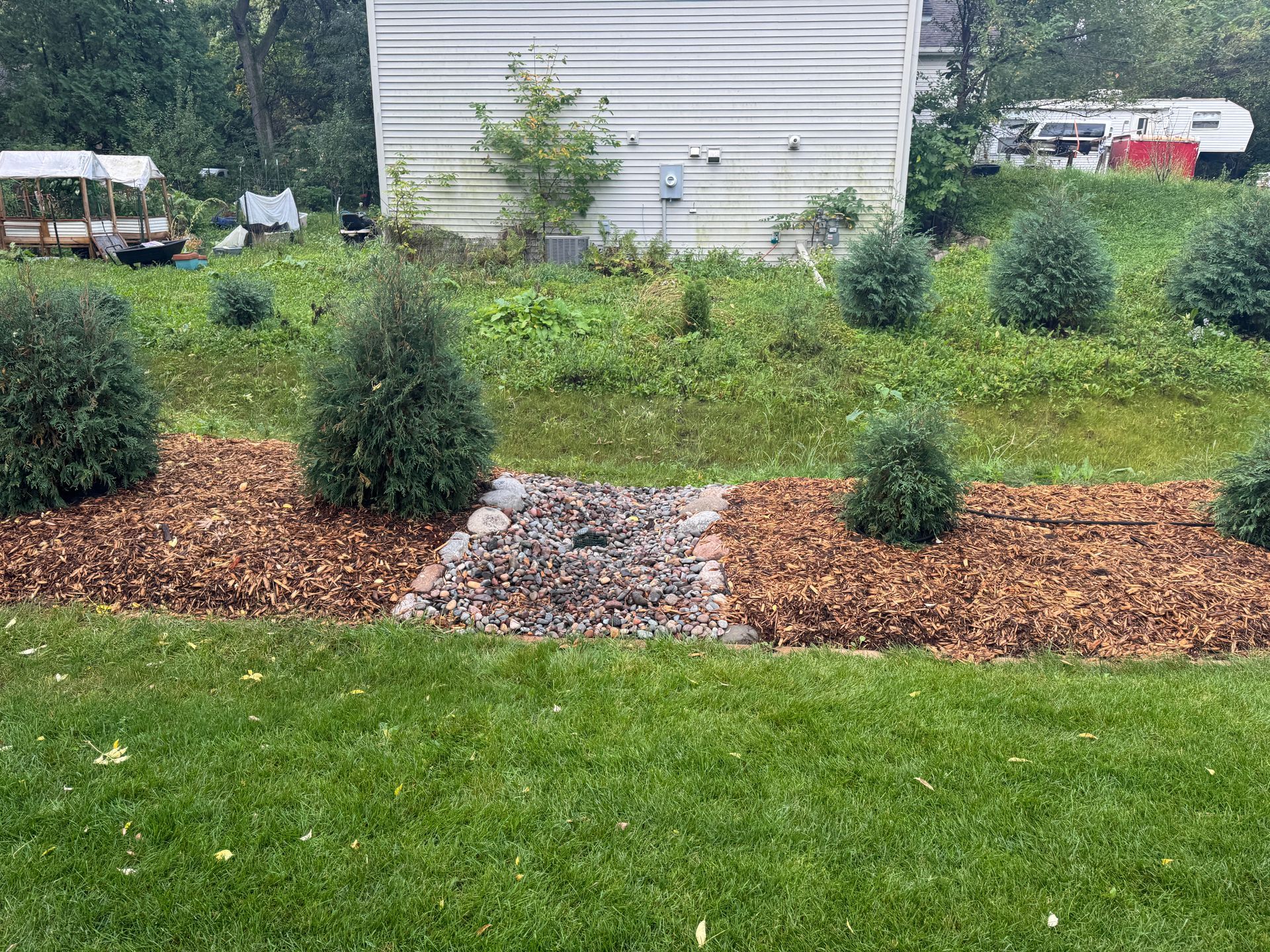
Learn how KG Landscape restored a backyard swale in Shoreview, MN, fixing drainage issues. Contact us for expert landscaping solutions!
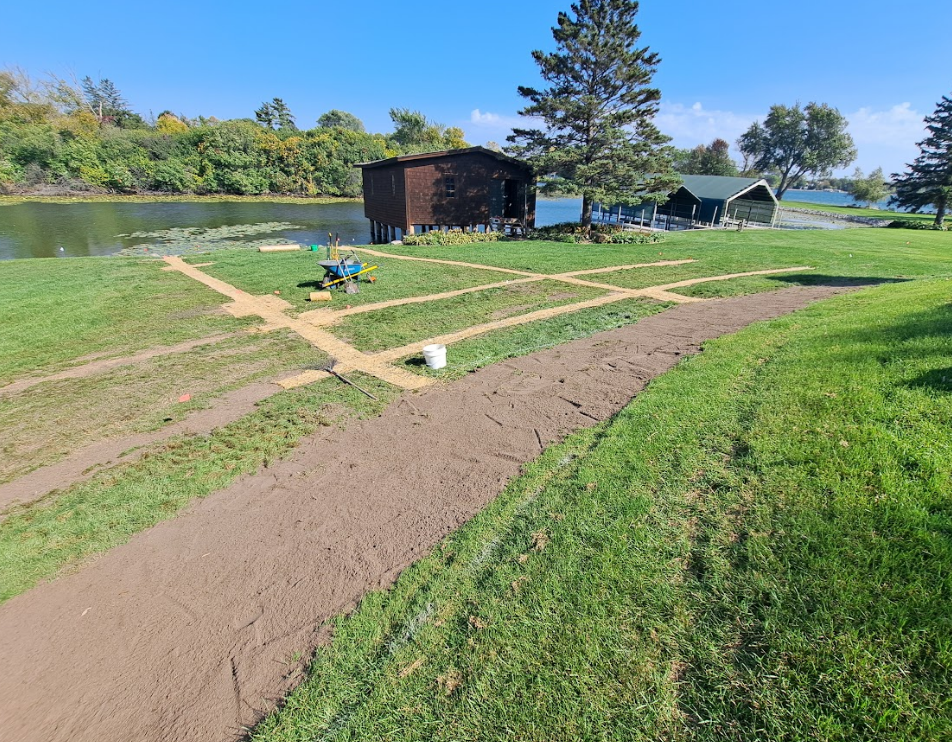
Learn how KG Landscape solved a waterlogged yard issue in Orono, MN. Contact us for eco-friendly drainage solutions today!
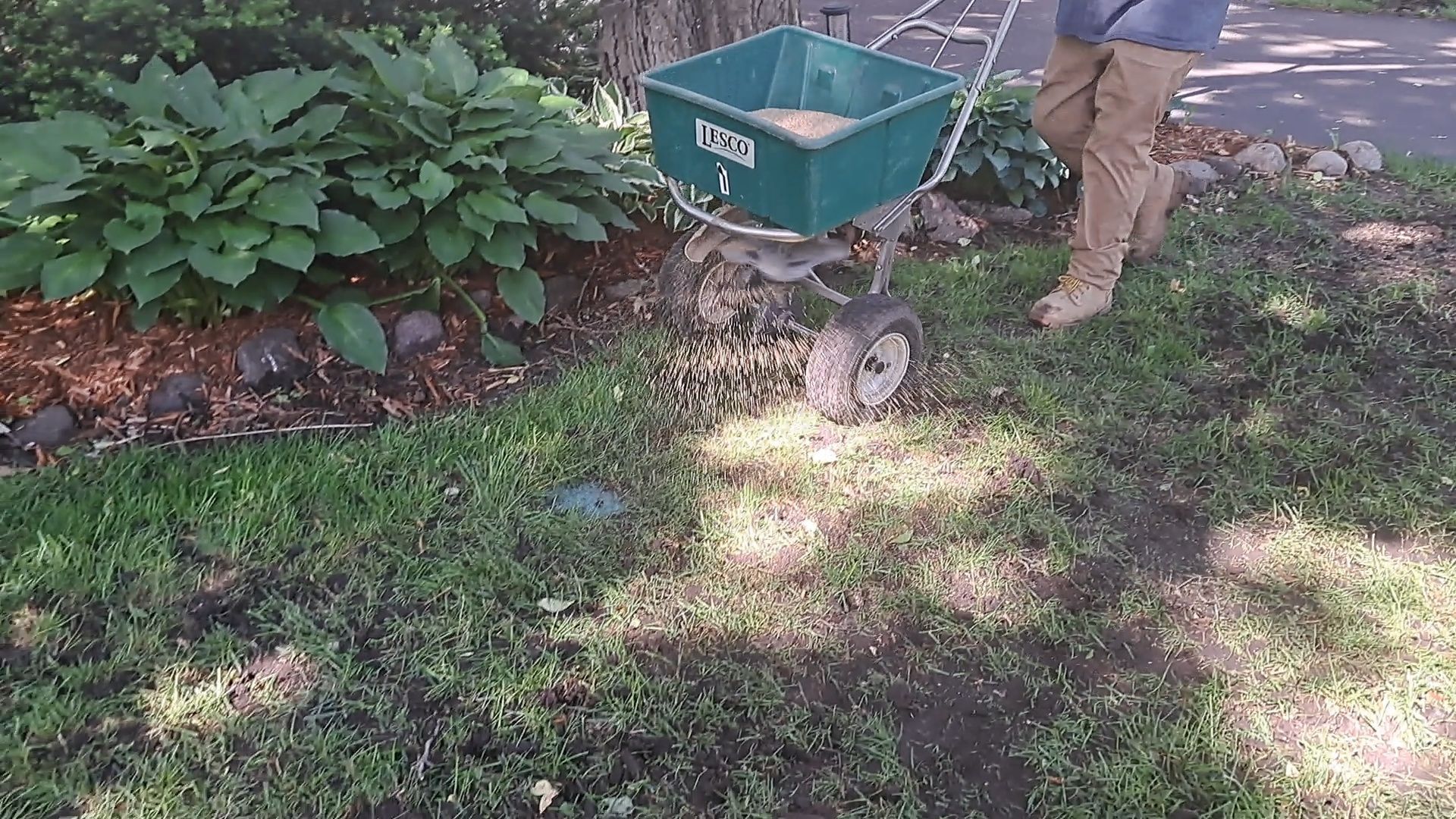
Can you use compost as lawn fertilizer in Minnesota? Learn how compost feeds turf, how to apply it, and where it fits. Get a free quote.
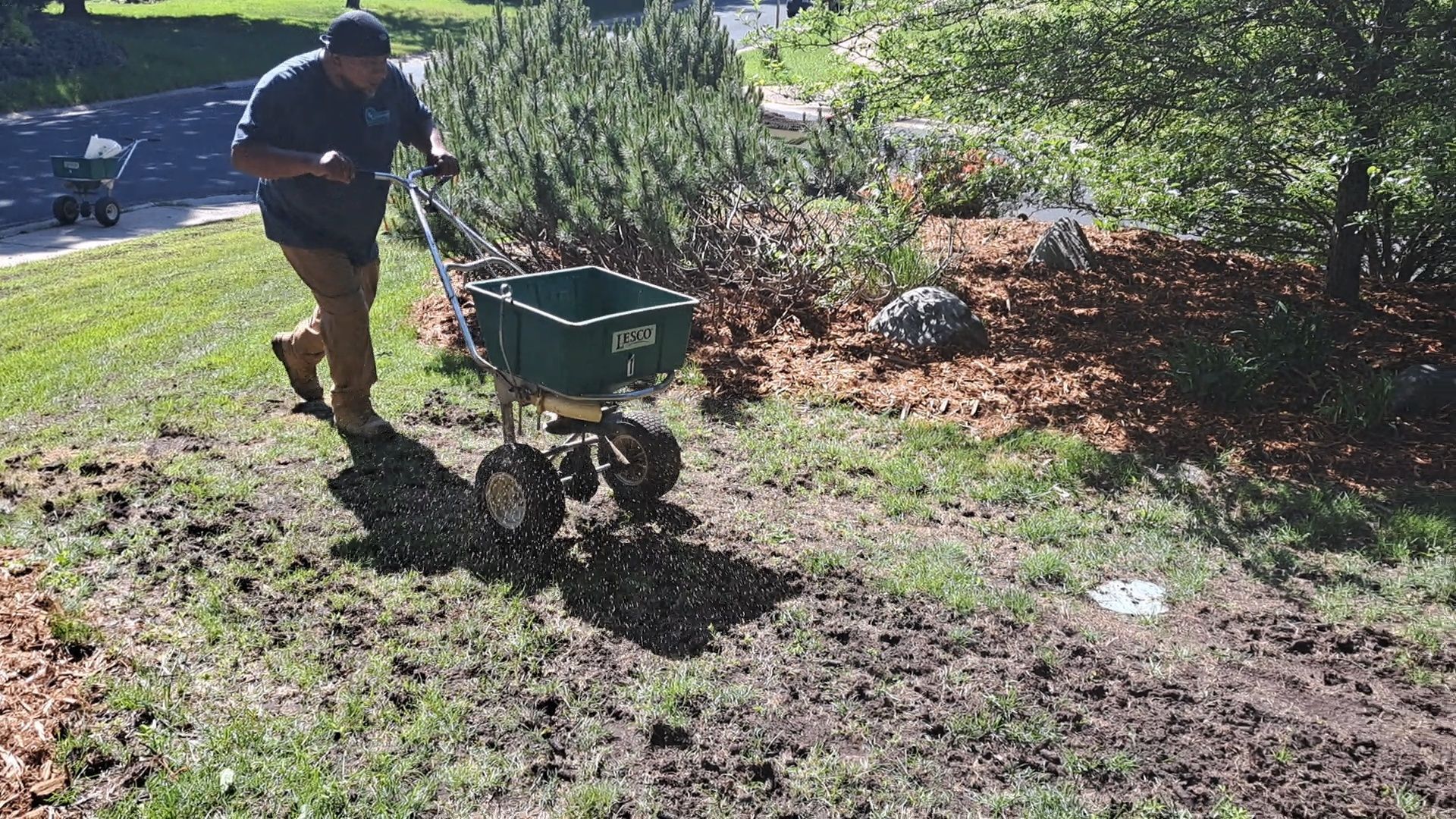
Organic weed control for Minnesota lawns: what works, what doesn't, and how to manage weeds without harsh chemicals. Get a quote.
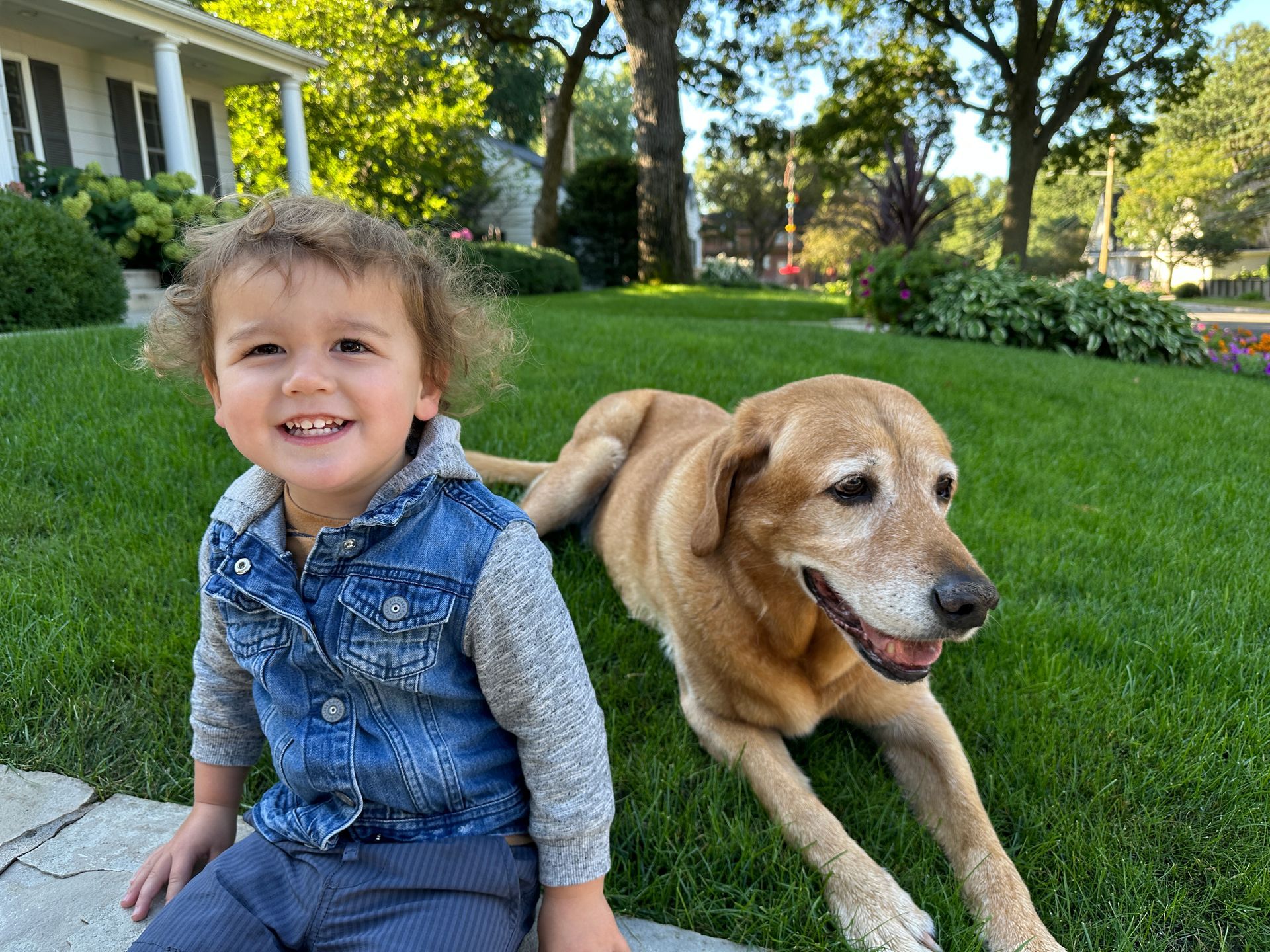
Keep your lawn and your pets safe. Pet-safe lawn care tips for Minnesota yards, from products to timing. Get a free quote.
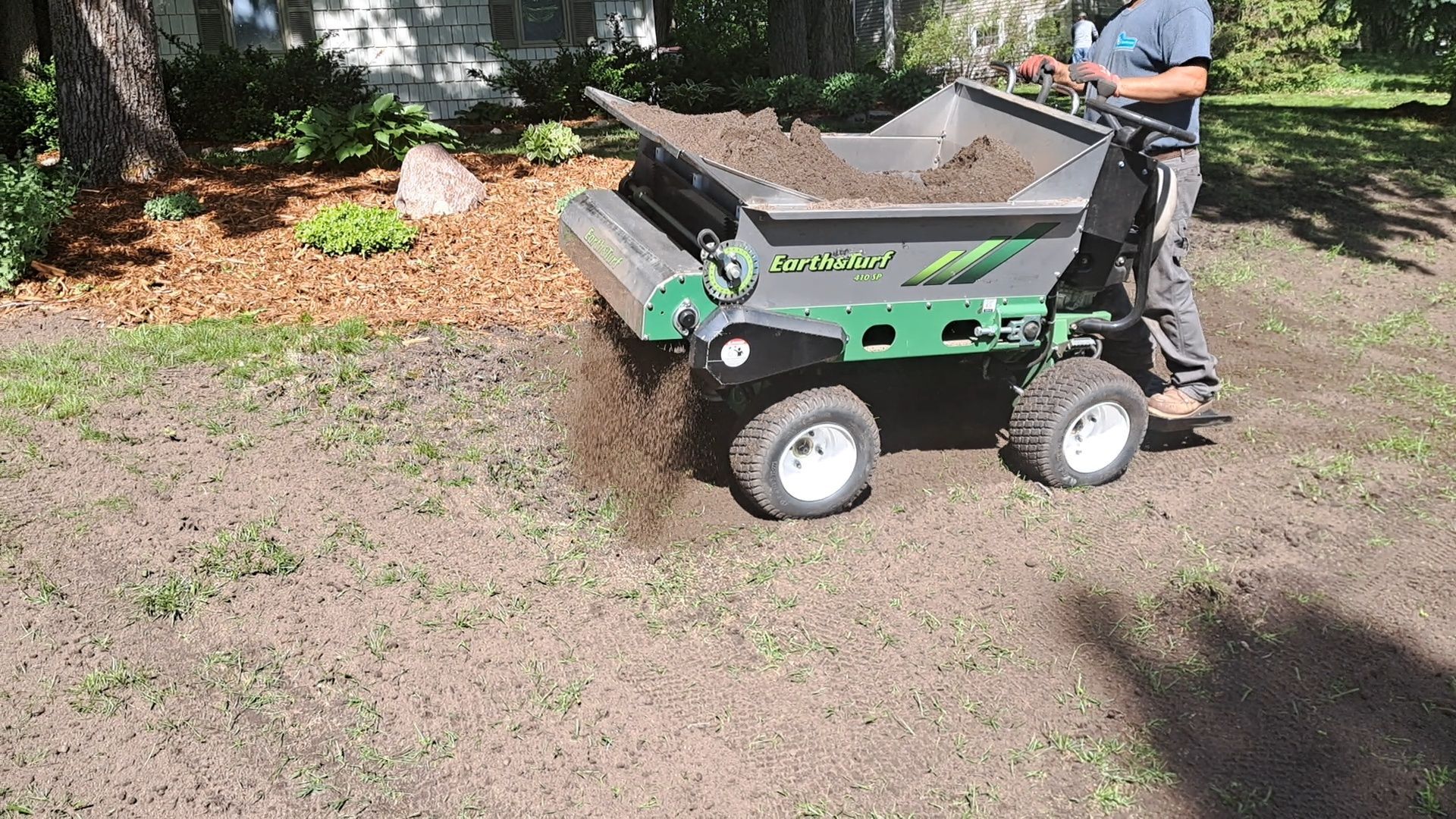
Looking for the best organic lawn fertilizer in Minnesota? See top options, how they feed your turf, and what KG uses. Get a quote.
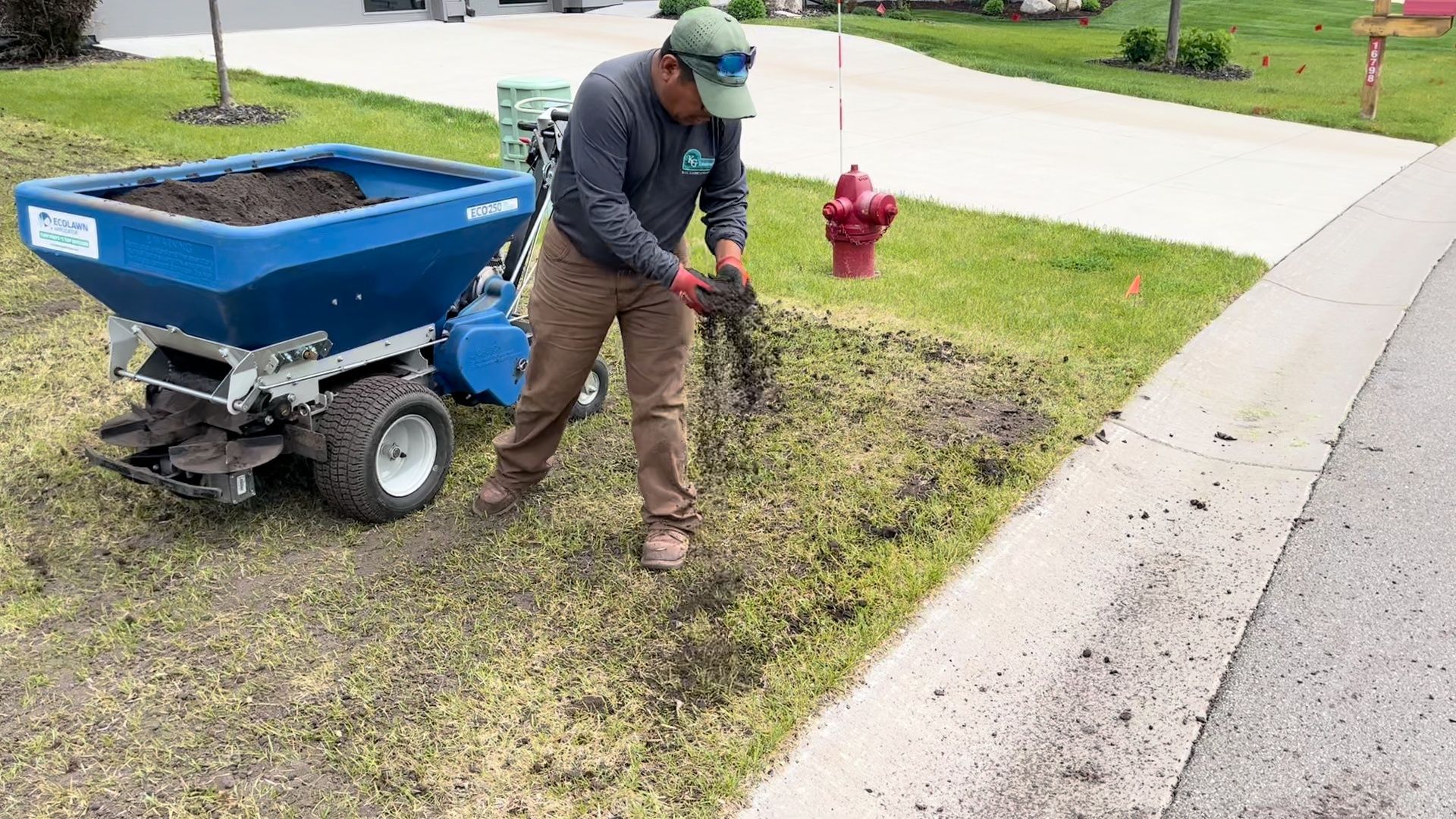
Is compost a fertilizer? Learn what compost does for your Minnesota lawn, how it differs from fertilizer, and when to use it. Get a quote.
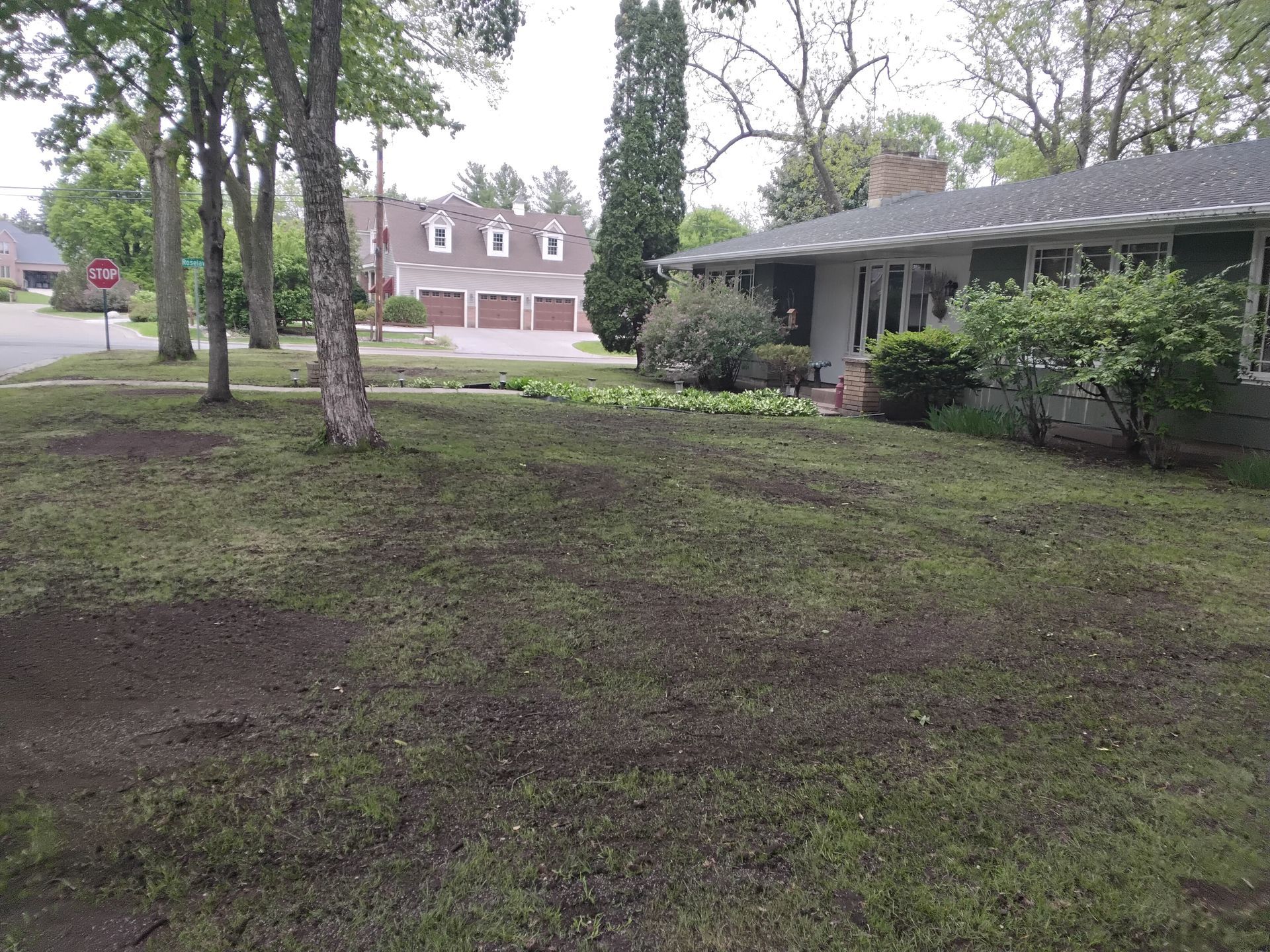
Compost feeds the soil, fertilizer feeds the grass. Learn which your Minnesota lawn needs, when to use each, and how to apply both. Get a quote.
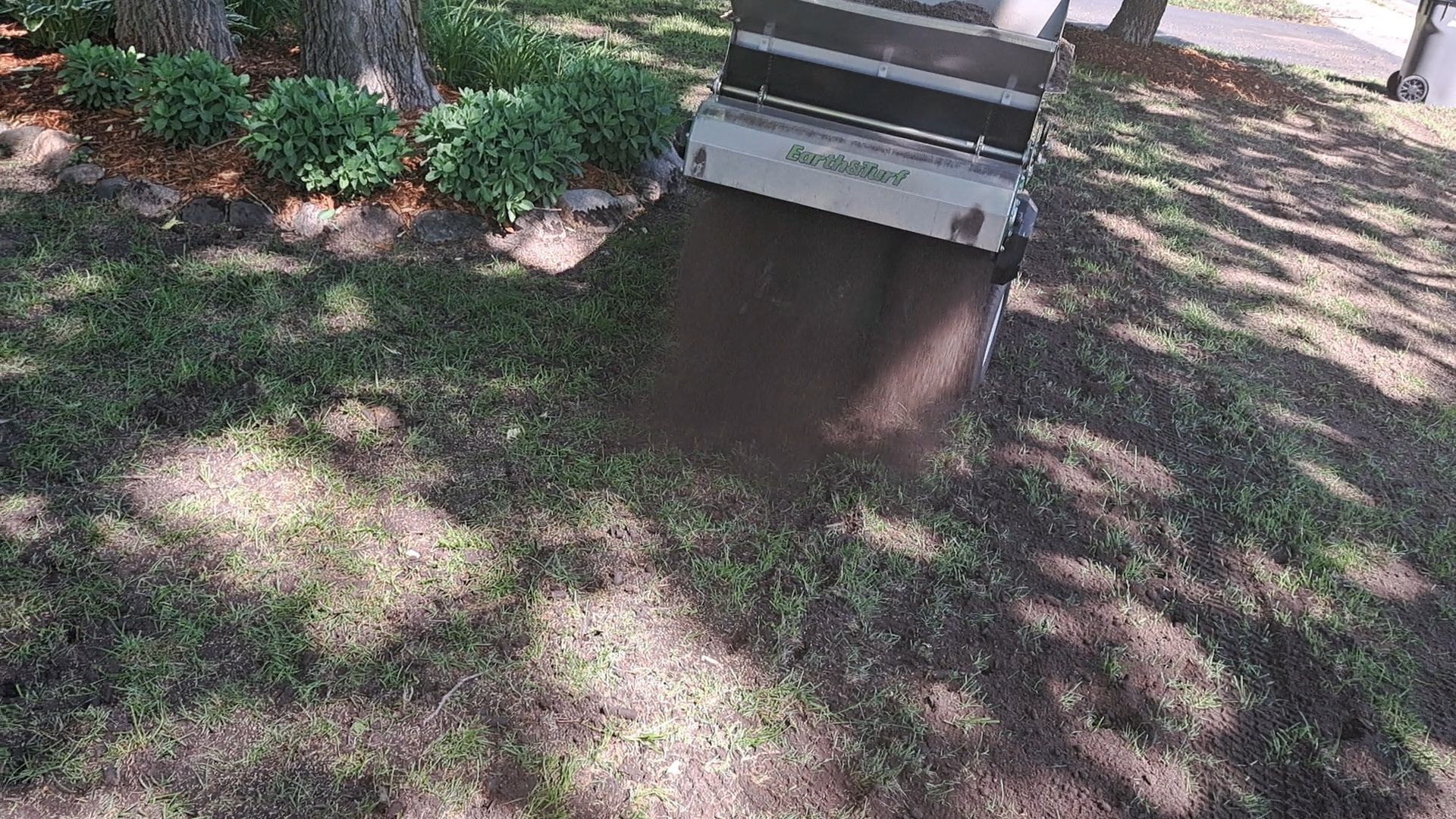
Eco-friendly lawn care tips for Twin Cities yards: cut chemicals, save water, and build healthy soil naturally. Get a free quote.
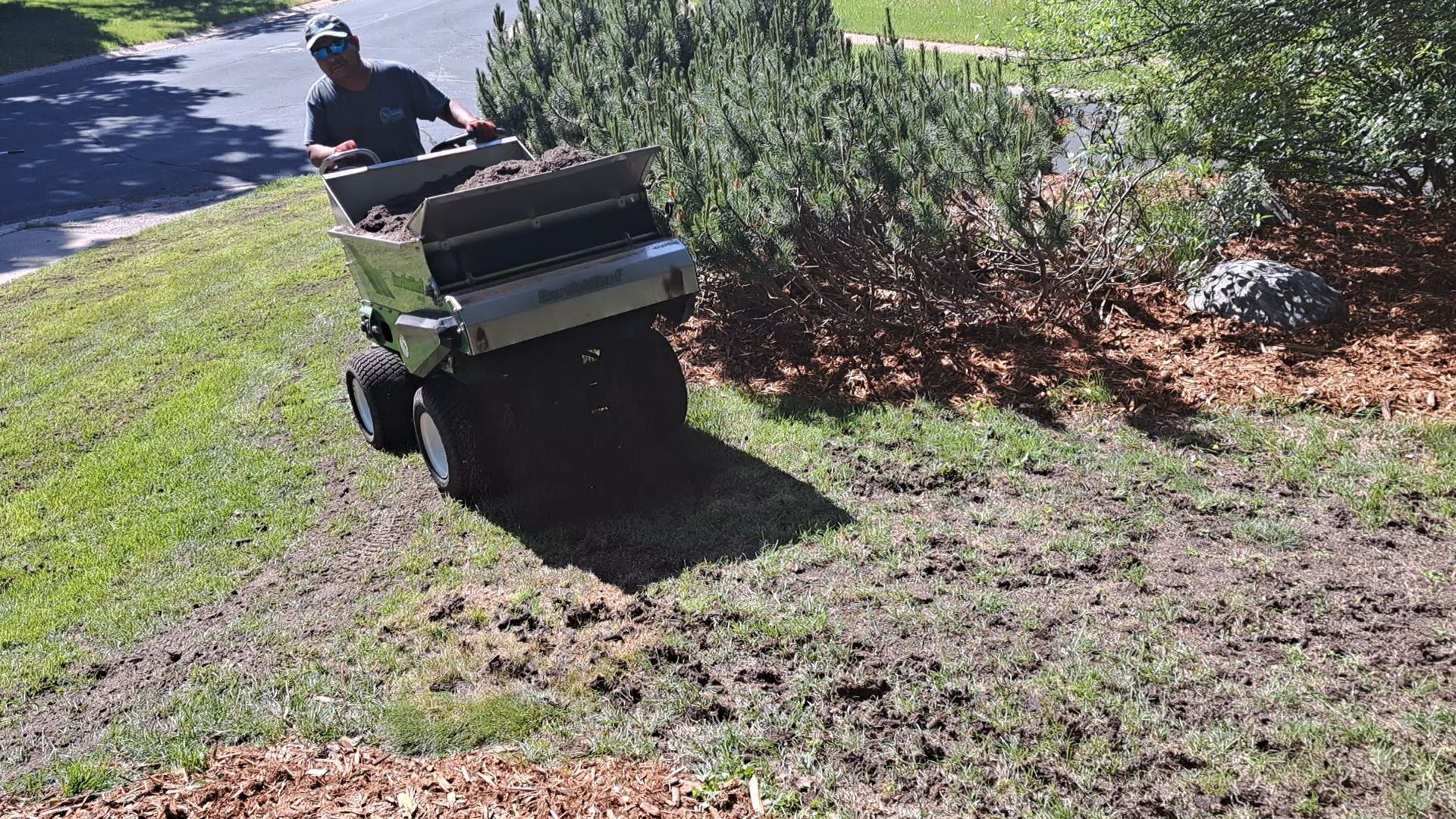
Simple, proven lawn care tips for Minnesota yards: mowing, watering, feeding, and building healthy soil that lasts. Get a free quote.