Lawn Fertilizer: What You Should Look For

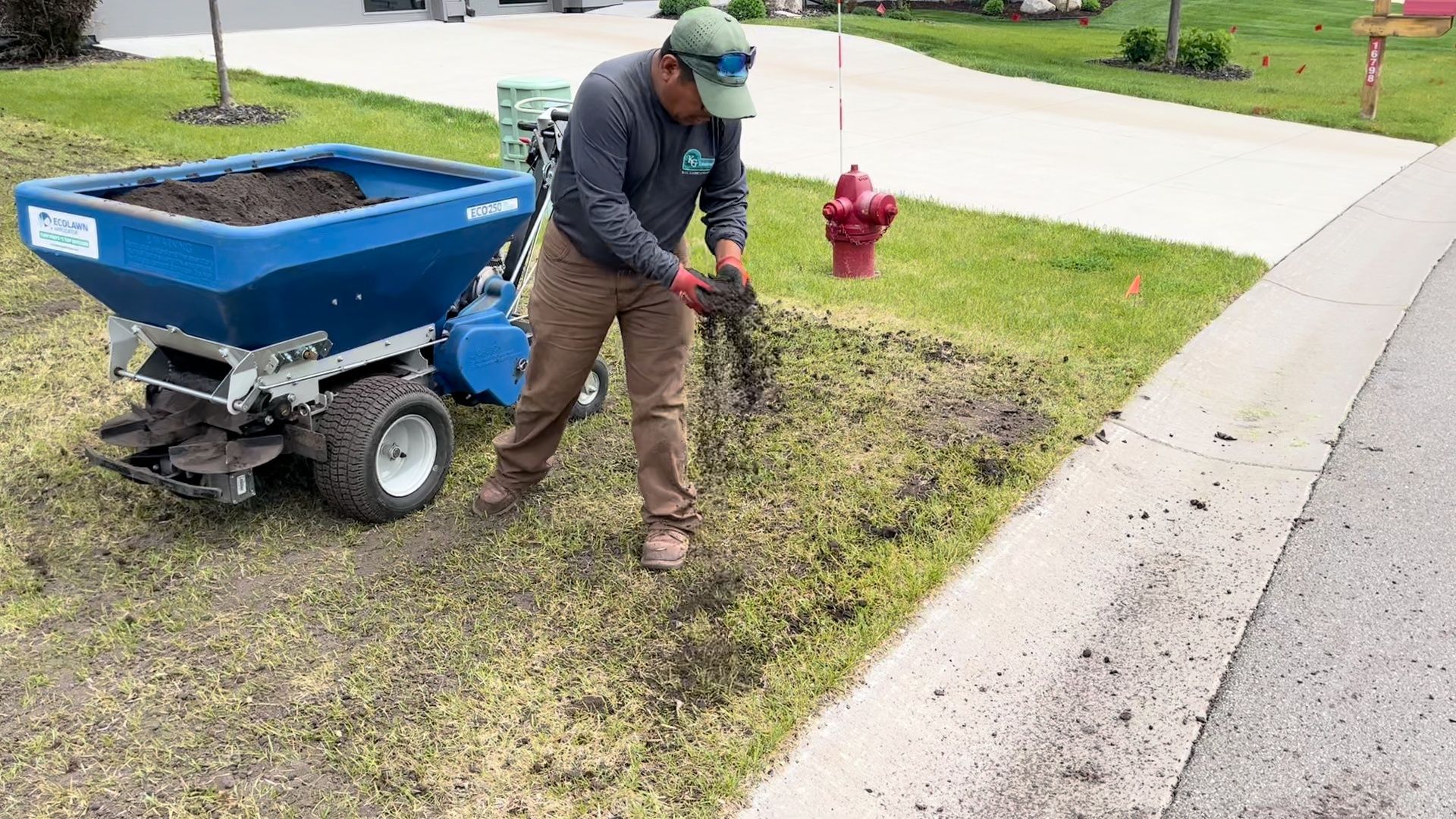
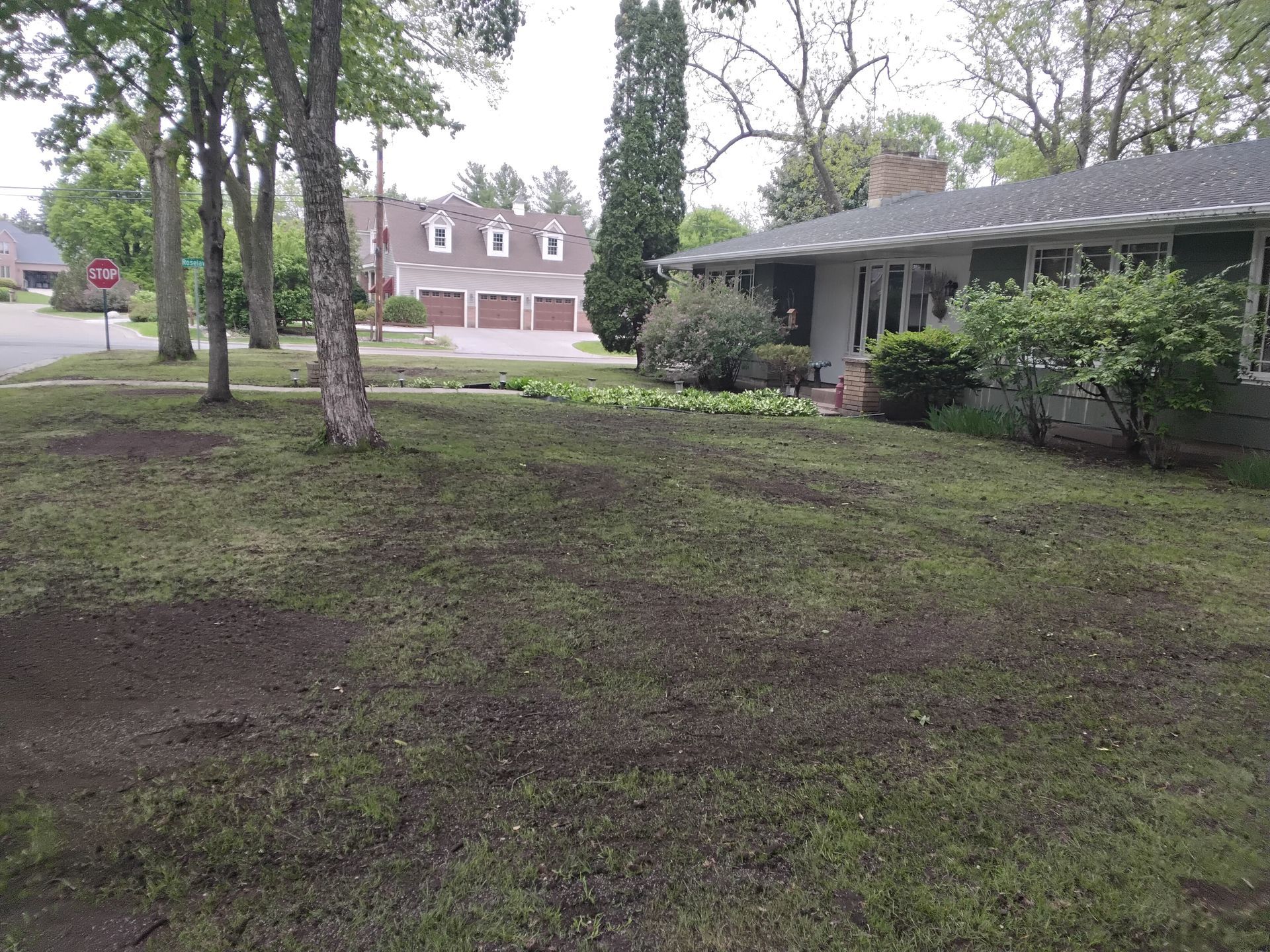
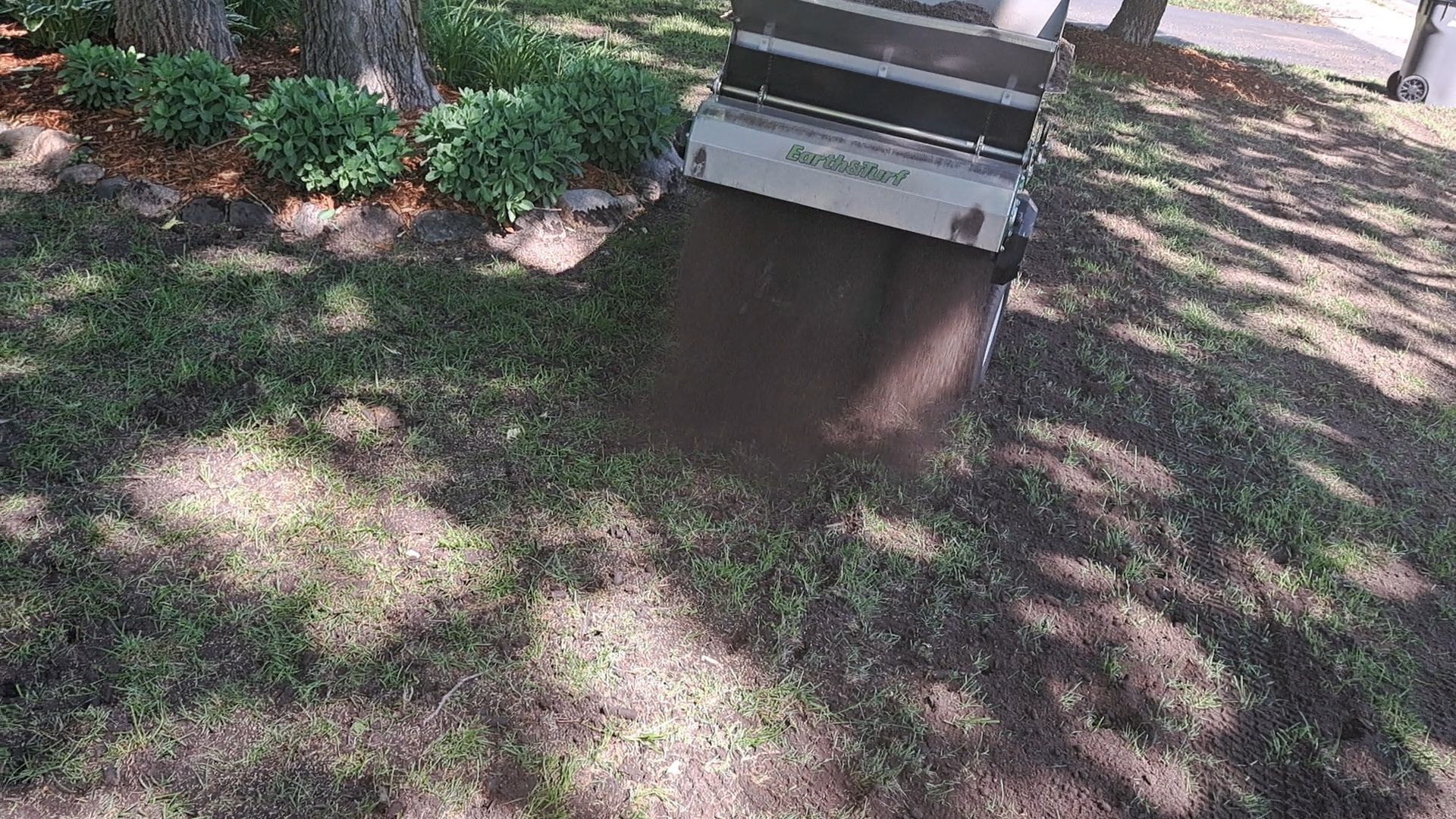
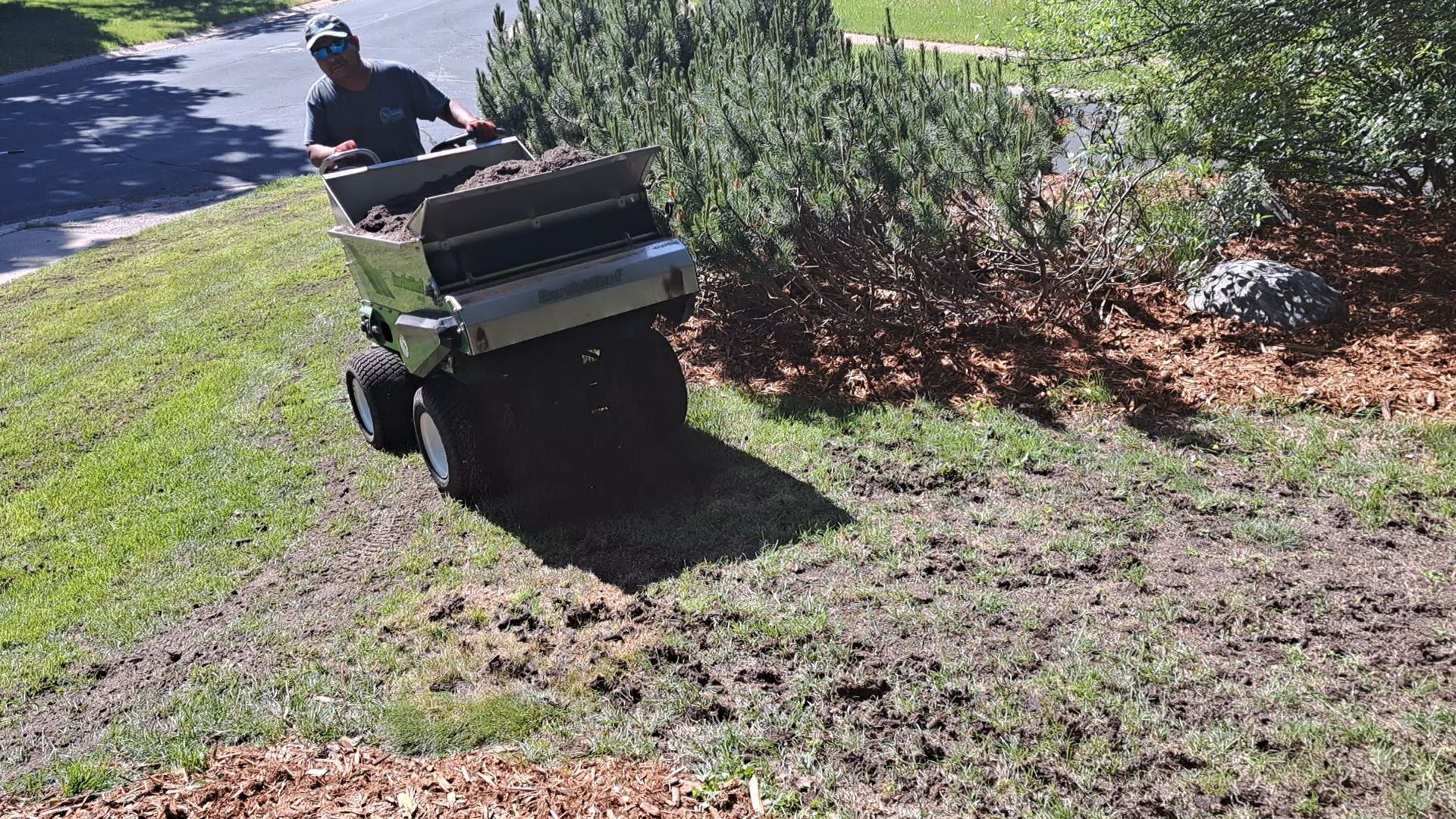
Are you noticing your lawn looking a little worn out or not as green as you had hoped for? If that’s the case, it may be time to start implementing a lawn fertilizer into your lawn maintenance habits, which is commonly a sign of imbalanced nutrients. Using a lawn fertilizer will help provide optimal nutrients for your grass and plants meaning you’ll soon have the lush green grass you’ve always wanted.

All About Fertilizer

Homeowners can apply fertilizer to their lawns as it’s a mixture of nutrients that are often lacking in the natural composition. Fertilizers can be found in liquid and granular forms and are of natural or synthetic consistency. Natural fertilizers are made of organic materials, and synthetic fertilizers are nutrient mixtures that have been manufactured in a lab. When choosing a fertilizer for your lawn, you’ll notice that your options are labeled with macro-nutrient levels or the three essential nutrients for optimal plant growth:

These nutrients are listed on fertilizers as N-P-K and indicate the percentage of each element per pound of fertilizer. Keep in mind; natural fertilizers have lower percentages of these essential nutrients than synthetic fertilizers, meaning more natural fertilizers will be needed to get the same results. Synthetic fertilizers work quickly, but natural fertilizers contain additional nutrients that will benefit your grass and plants’ health. Natural fertilizers are also less likely to cause lawn burn.

Soil Test for Nutrients

 
Becoming aware of the nutrients your lawn may be lacking is the first step in selecting a fertilizer. Gathering a soil sample for testing with a soil probe, auger, or gardening shovel is recommended. Homeowners should from different areas of their property, such as the front yard, back yard, gardens, and more. After collecting your soil samples, you can use an at-home soil test kit to conduct the soil test yourself, or some cities offer the service for a small fee. Regardless, the test will show soil nutrient levels so you can identify what your property is lacking. With this information, you will be able to select a fertilizer that provides optimal nutrients for your soil.  

Types of Fertilizers

There are a variety of fertilizers available on the market today, each with their own purpose and benefits. It’s encouraged to become familiar with the variety of fertilizers and your lawn’s needs so you can pick the best option for your property.

Fast-Release

If you need nutrients added to your lawn or garden quickly, a fast-release fertilizer is right for you. This type of fertilizer helps make grass greener and are usually pretty inexpensive. While the cost is budget-friendly, fast-release fertilizers need to be applied frequently, making for an expensive season. Homeowners that utilize fast-release fertilizer also run the risk of burning their lawns as this fertilizer is packed with nutrients.

Slow or Controlled-Release

If you’re not in any major rush and are looking for an even, uniform growth pattern, slow or controlled-release fertilizers are the best option. This fertilizer is compatible with most grass types and has a reduced risk of lawn burn. Homeowners can expect to spend more on slow or controlled-release fertilizers, but they do last longer than other fertilizers.

Weed and Feed

 
Homeowners with weed problems that are also wanting to fertilize can turn to a
weed and feed fertilizer. These fertilizers not only provide nutrients for your lawn but also control different types of weeds. If you have new sod or grass seed, steer clear of weed and feed as there are often herbicides present that can stunt the germination period of new growth. 

Winterizer

The cold months can damage your lawn and stunt growth in the spring if not adequately cared for. Applying a winterizer fertilizer will help prepare your lawn for the winter by increasing the nutrient levels and aiding in disease resistance.

Lawn-Starter

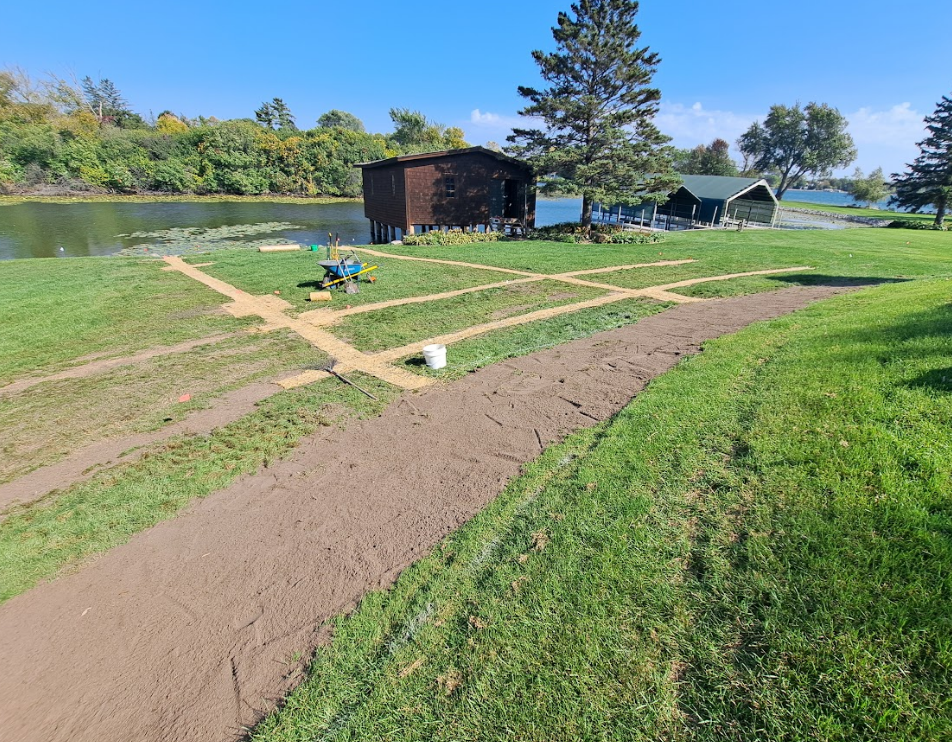
Homes that are newly built or areas of your lawn that you’re trying to start growth will benefit from a lawn-starter fertilizer. This fertilizer is designed to help new sod or grass seeds grow by providing high phosphorus levels to reinforce the root systems of fresh grass.

When to Apply

 
The first step to learning when to apply fertilizer is determining what type of grass you have on your lawn as the fertilizer schedule depends mostly on this factor. Fertilizer should be applied in the morning or evening to prevent the sun’s heat from burning your lawn. Typically, homeowners are recommended to fertilize their lawns anywhere from two to four times a year, depending on the type of grass and soil sample results.
Check out our detailed article on
when to apply crabgrass preventer in MN.

How to Apply

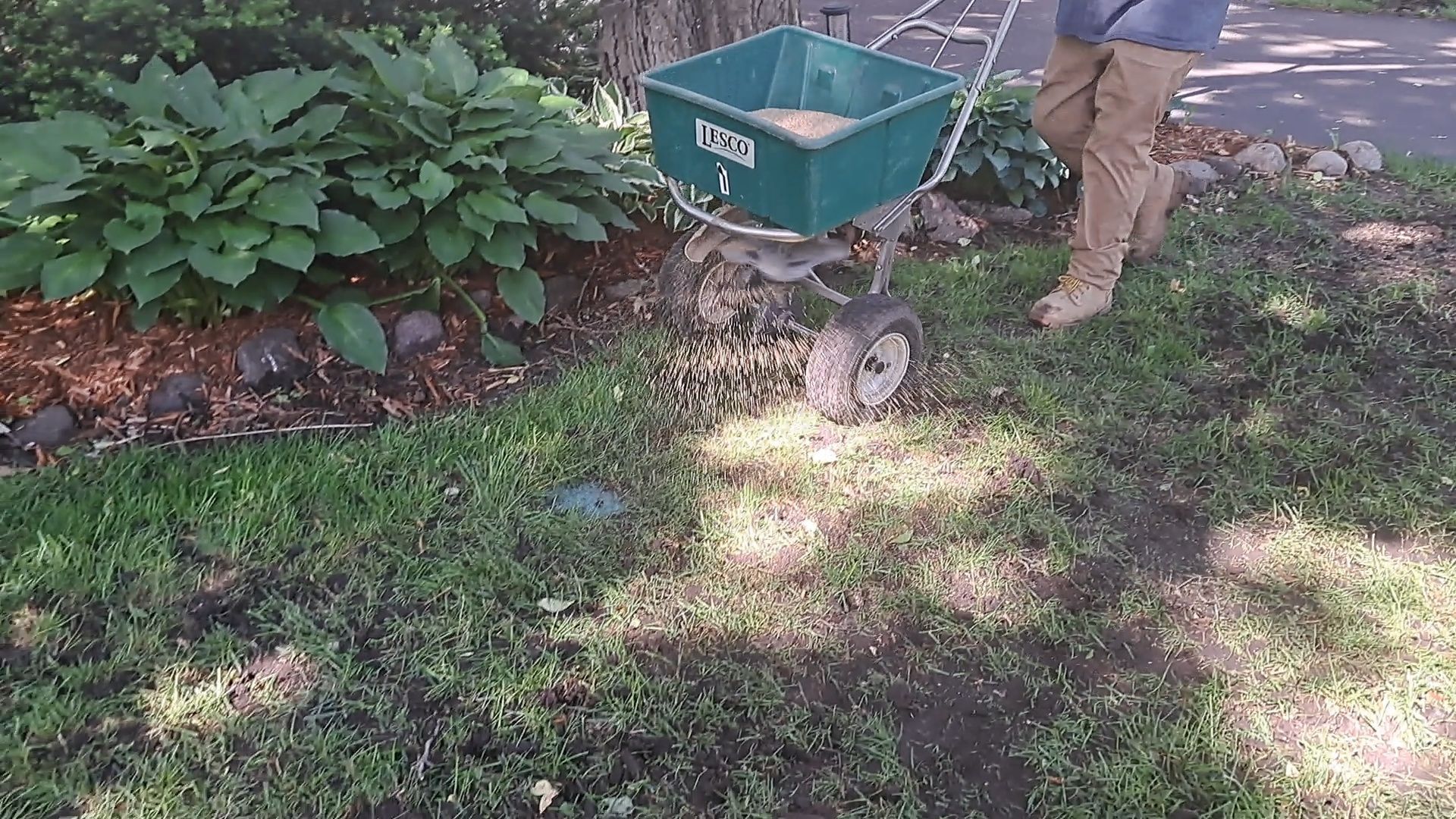
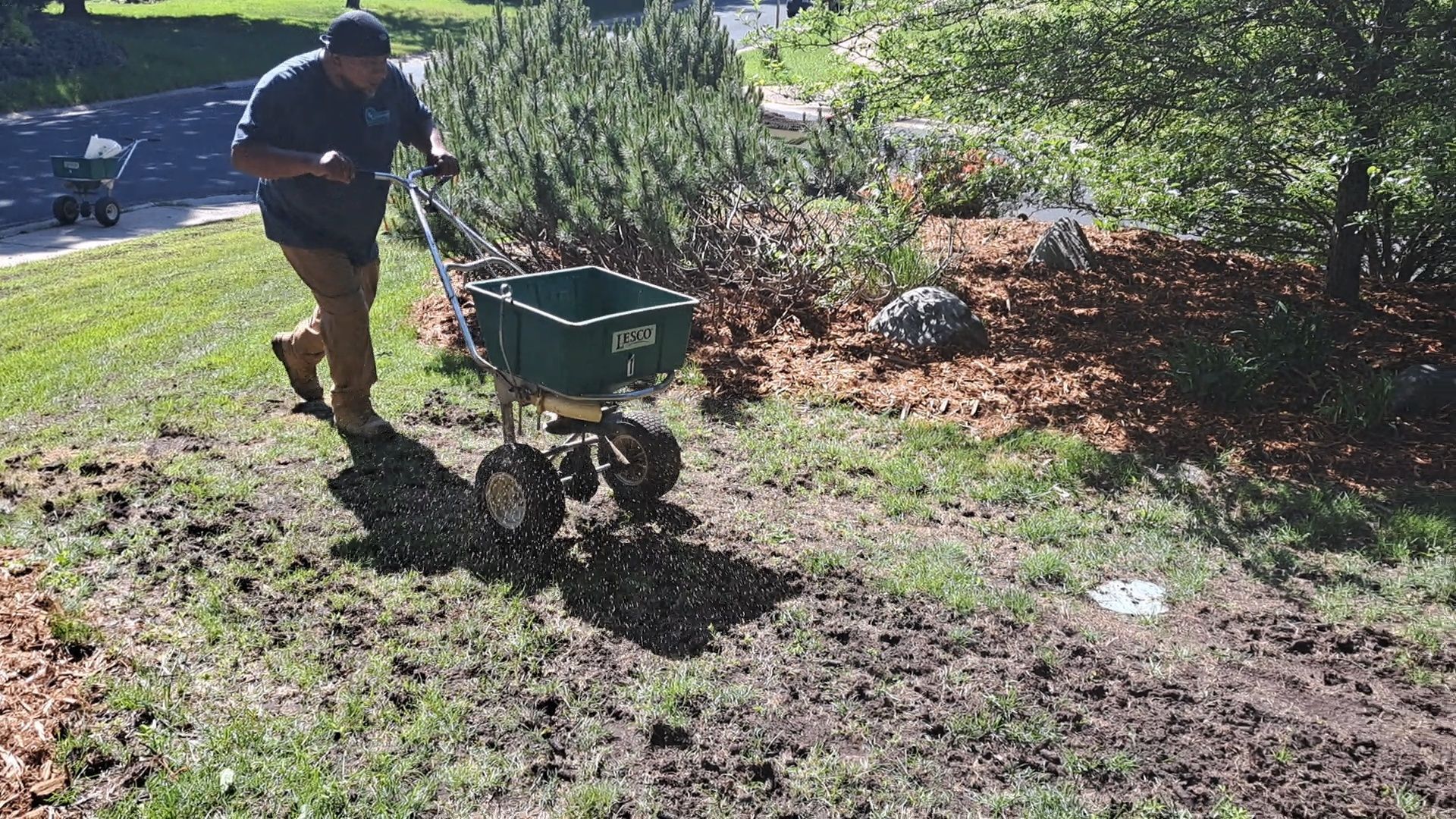
Each type of fertilizer comes typically in two forms, liquid and granular. Both styles of fertilizer are useful when it comes to fertilizing your lawn, but each has its pros and cons.

Regardless of the form of fertilizer you choose for your lawn, it’s recommended to follow instructions on the label carefully. This will tell you if the fertilizer is compatible with your grass, and how much should be used. Lawn fertilizer will help provide your grass and plants with the nutrients they require for optimal growth and appearance. Begin using a lawn fertilizer today to freshen up your property’s appearance and get healthy, green grass.

Ready to Start on Your Next Project?

Call us at (763) 568-7251 or visit our quote page.
By Kent . December 6, 2025
Why wooden lake steps always fail—and why Minnetonka and Orono homeowners are switching to stone. A contractor explains the replacement.
By Kent . December 5, 2025
Your Golden Valley lawn looks properly graded. It still dies every spring. The problem isn't winter—it's clay soil that won't drain.
By Kent . December 3, 2025
Why the best Blaine patios are built at grade—and how smart drainage design protects your walkout basement. A contractor's design guide.
By Kent . December 3, 2025
What corners do Blaine builders cut on landscaping? A local contractor explains what to check—and why sandy soil is actually good news.
By Kent . December 2, 2025
What does skipping professional snow management actually cost St. Louis Park businesses? The risks go beyond inconvenience. Here's the math.
front yard landscaping
By Kent . December 1, 2025
The landscaping improvement that adds the most value isn't what you think. A St. Louis Park guide to strategic property improvements.
By Kent . November 30, 2025
Cut commercial landscape costs without looking cheap. A St. Paul property manager's guide to right-sizing maintenance for real savings.
By Kent . November 28, 2025
What separates professional commercial snow removal from amateur operations? An Orono property management guide to protecting your business.
By Kent . November 26, 2025
Year-round landscape maintenance guide for Orono businesses. Learn what commercial properties actually need each month—and what's overkill.
By Kent . November 24, 2025
Golden Valley retaining walls from the 1980s-90s are hitting critical age. Learn how to evaluate aging walls and decide between repair or replace.