
Roseville Snow Removal for Retail Centers and Restaurants
Lots, storefront walks and doors, cleared for the morning rush.
Roseville Snow Removal for Shopping Centers and Storefronts
With Roseville snow removal at a retail center, the hardest question tends to be who owns the walk in front of each store, not the plowing itself. Many shopping center leases put the lot on the landlord and each storefront on its tenant, and the seam between those two jobs is where customers end up stepping through slush. The cleanest answer is one contractor covering both on the same schedule, and that's how we prefer to set it up.
We've kept commercial lots and walks open across the metro since 2003, and property managers looking for a snow plowing service in Roseville, MN, get the same plan-first approach. Kent Gliadon, who started KG, brings over two decades of work with strip centers, retail properties and the landlords behind them. Every account begins before the first snow, with a plan built around how your center actually operates. Every service we offer businesses, from plowing to hauling, is listed on our commercial snow and ice page.
Winter Rules Every Roseville Business Owner Runs Into
Roseville's snow and ice control policy, adopted by the City Council on March 2, 2026, is plain about private property. The city doesn't plow or apply ice control to any private streets, accesses or driveways, and it won't remove the snow its plows leave in a driveway entrance. For a retail center, that ridge across the curb cut is yours to clear before the first car turns in. Street parking disappears as well. City Ordinance 602.07 keeps cars off most city streets after two inches or more of continuous snowfall until it has been plowed, so shoppers who might have used the curb end up in your lot.
Walks carry their own rule. The city's pathway snow plowing policy, dated 2014, says commercial property owners are expected under city ordinance to clear snow from all public pathways next to their property. City crews plow about 74 miles of off-road paths, but they don't salt them or clear them to dry pavement. At a Roseville storefront, the public walk by the road and the private walk at the door are both on your list.
Roseville packs a lot of commercial ground into its borders, so commercial snow removal in Roseville, MN, has to cover all of it. The city counted more than 2,100 businesses employing about 36,000 people in the economic development chapter of its 2040 plan, based on 2017 data, and Rosedale Center alone covers 1.2 million square feet. From HarMar to the strip centers along Lexington Avenue, each property shares the same challenge: an "open" sign that the lot and walks have to back up.
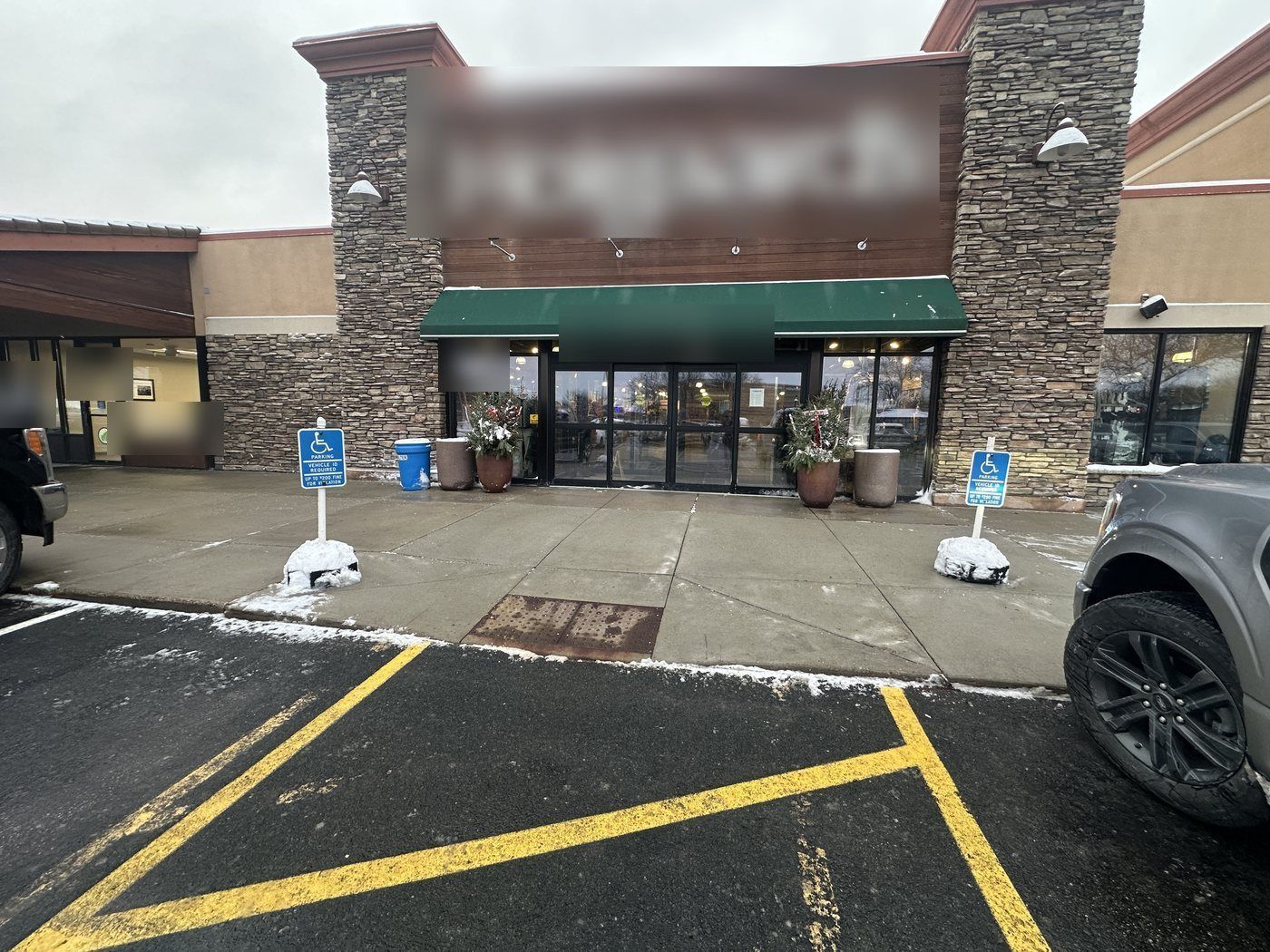 A store entrance with both accessible stalls and the walk in front cleared.
Roseville Snow Removal From the Storefront to the Far Row
Storefront walks, unit by unit
Each unit's walk is treated as its own job, cleared and salted from the curb to the door as part of our walk and lot clearing. Customers head from the nearest stall to the entrance in a straight line, so accessible spaces, their striped aisles and the curb ramp sit near the top of the list. A clean lot with one icy storefront is still the spot where somebody falls.
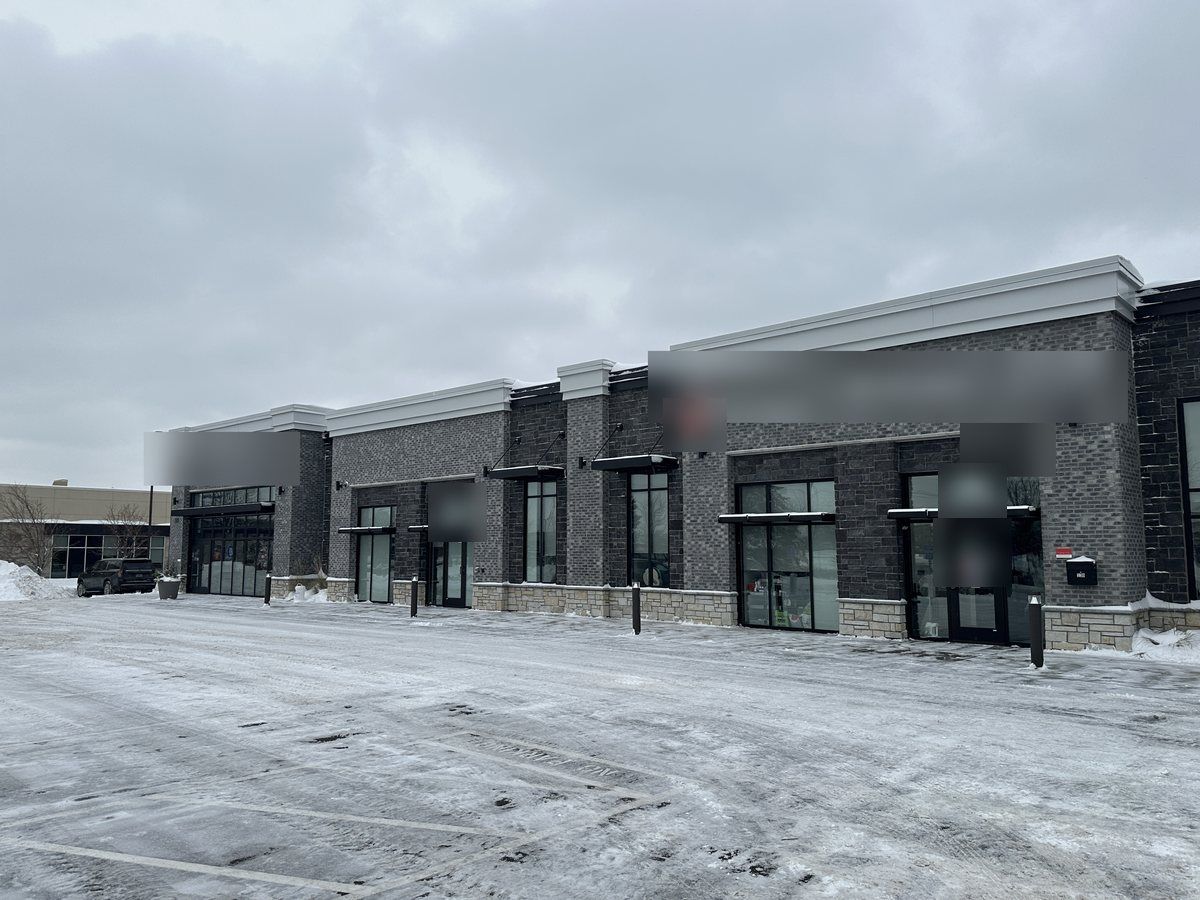
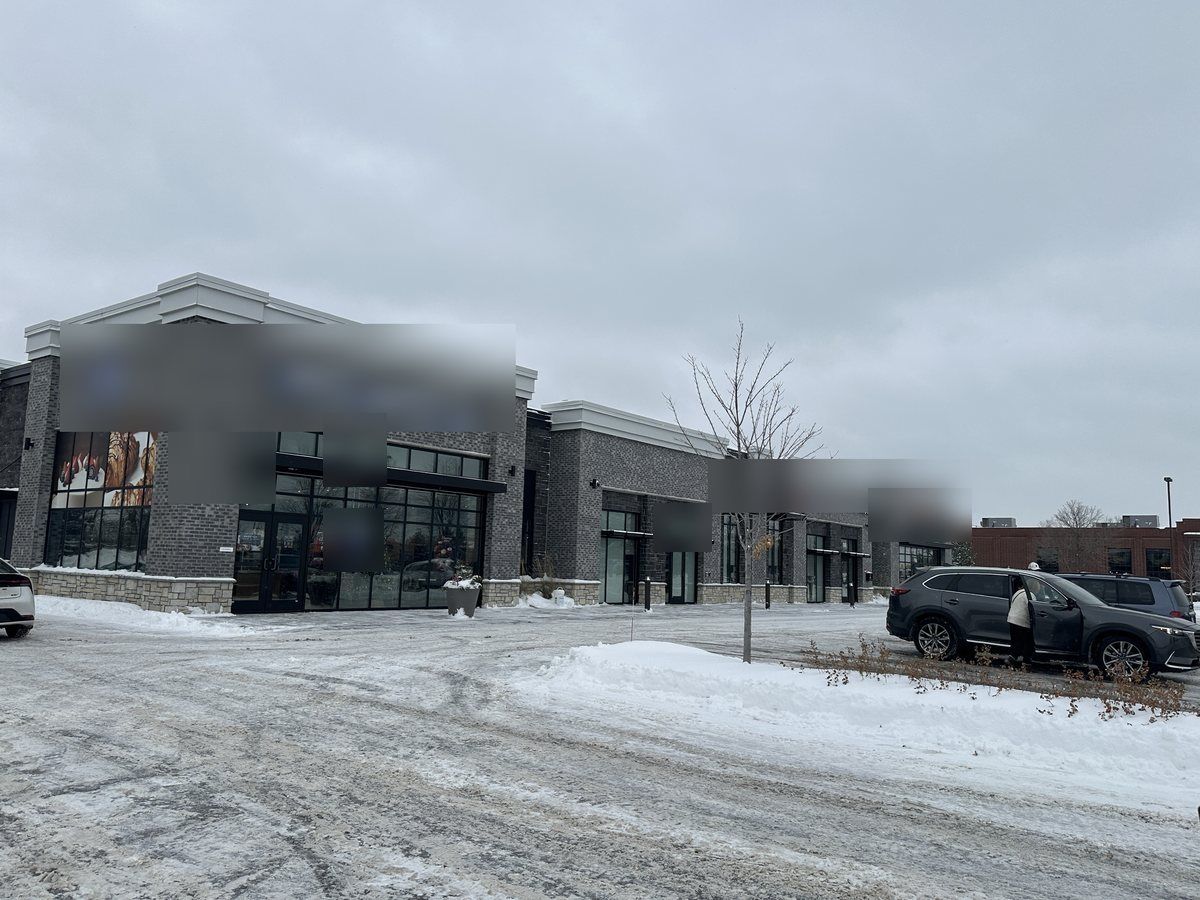
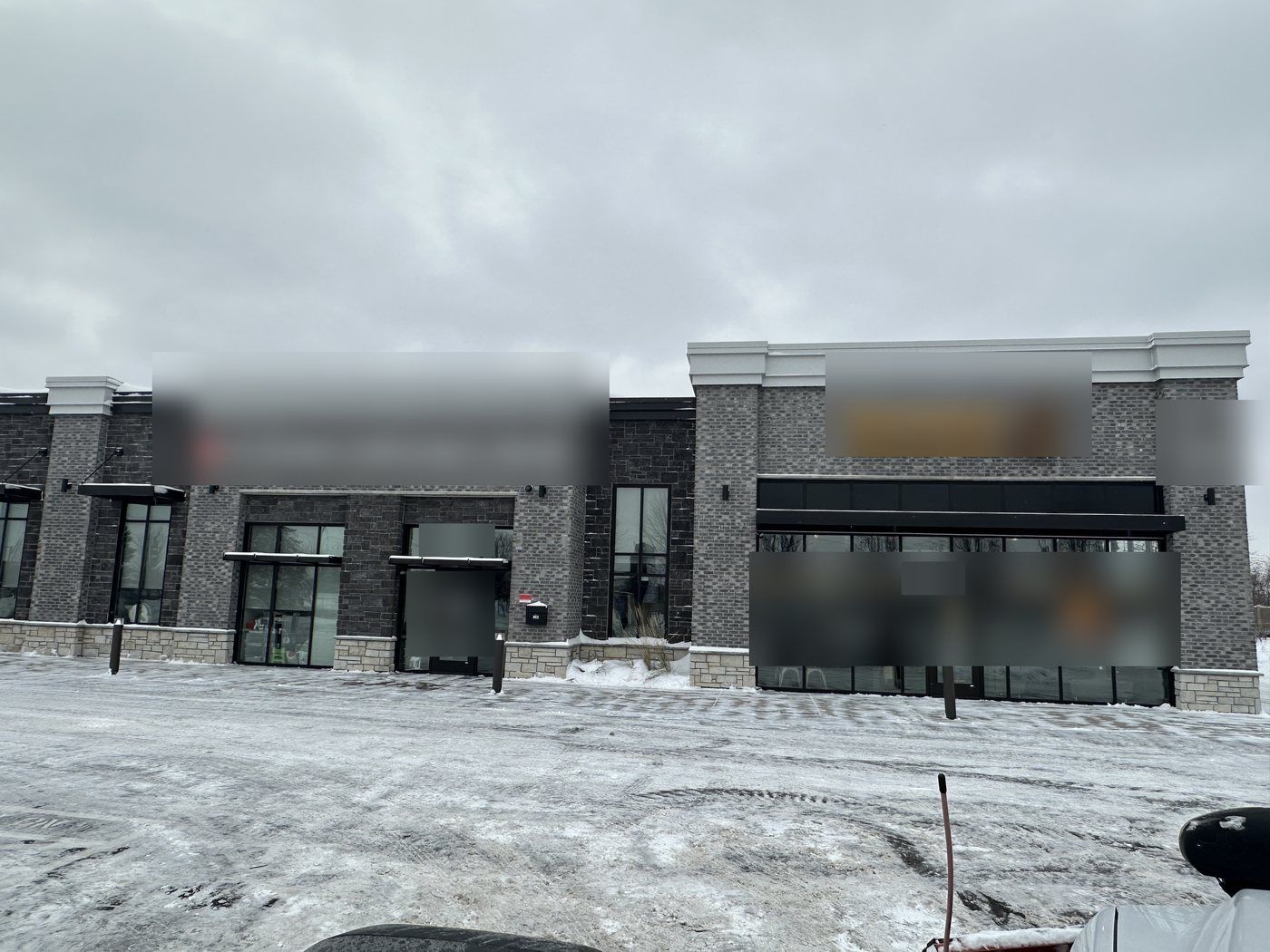 A newer row of storefronts with the lot in front plowed.
Plowing around a restaurant's hours
Restaurants don't lock up when a storm rolls in. While the dining room is busy, the crew keeps drive lanes and empty rows open without working between parked cars. The full clearing waits for close, and a touch-up visit before staff arrive deals with anything that froze overnight. The plan uses your real closing time, not the hours printed on the door.
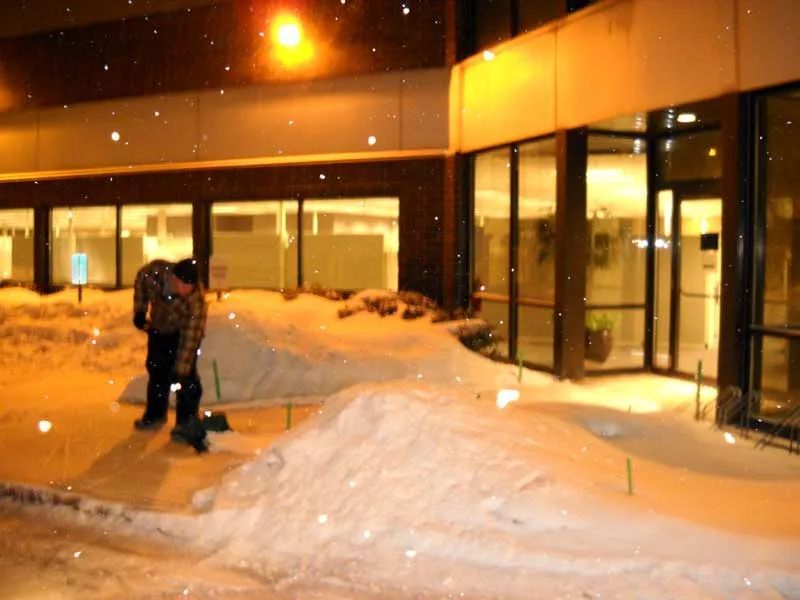
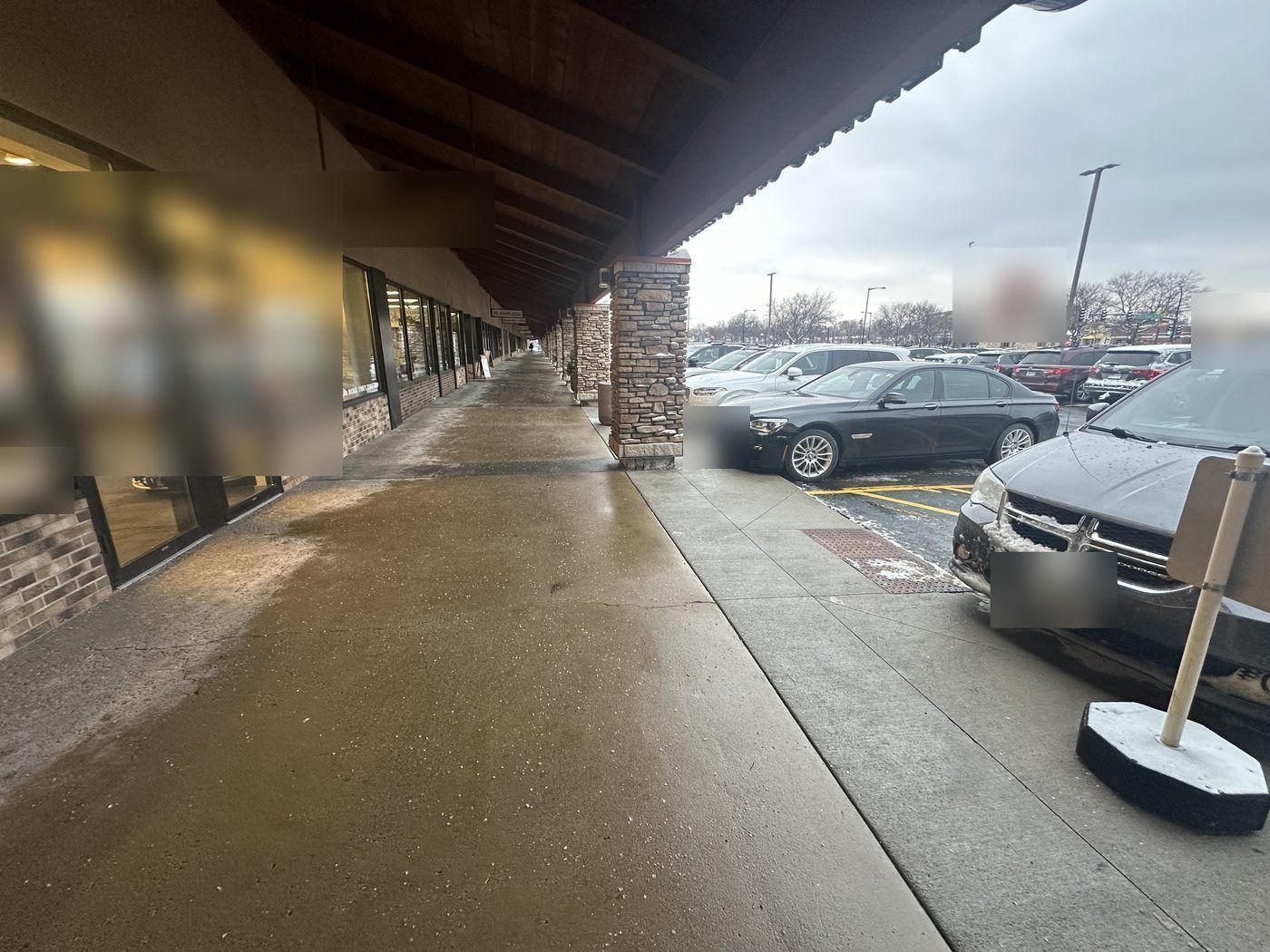 A covered storefront walk, cleared to wet pavement.
Walk edges blown clear before the plow comes through
Before a plow runs past a row of storefronts, a crew member blows the edge of the walk clear. That way the truck's pass can't throw a berm back onto finished concrete. Few customers ever notice the step, and that's exactly why it matters: the walk still looks done after the truck has gone.
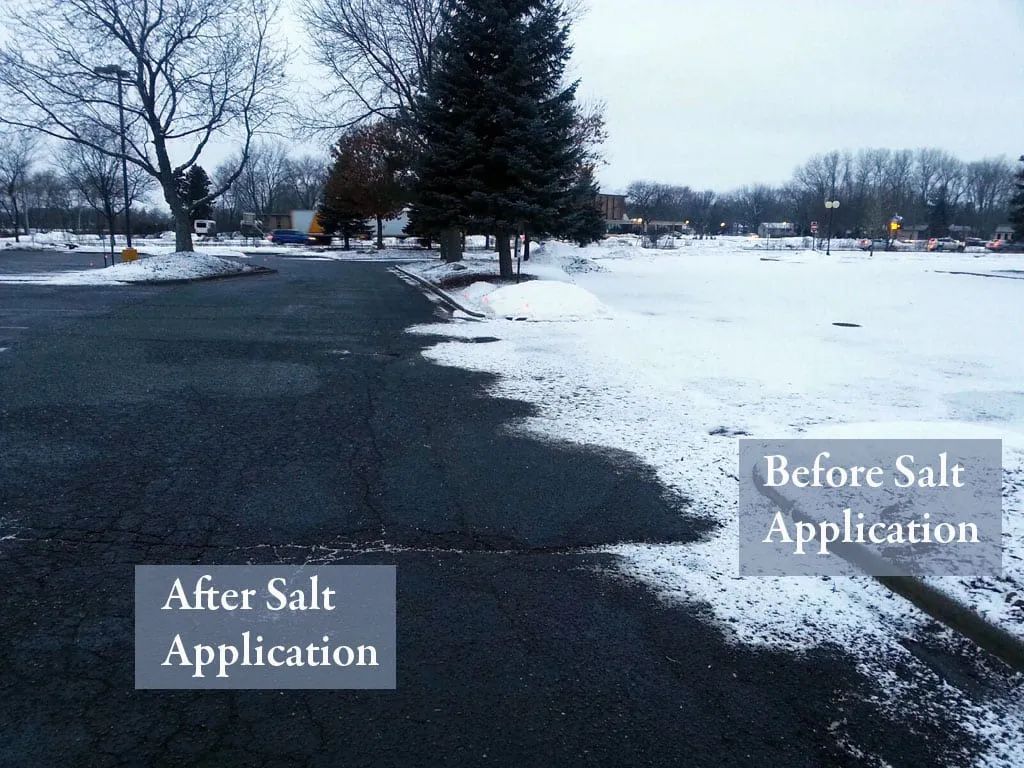
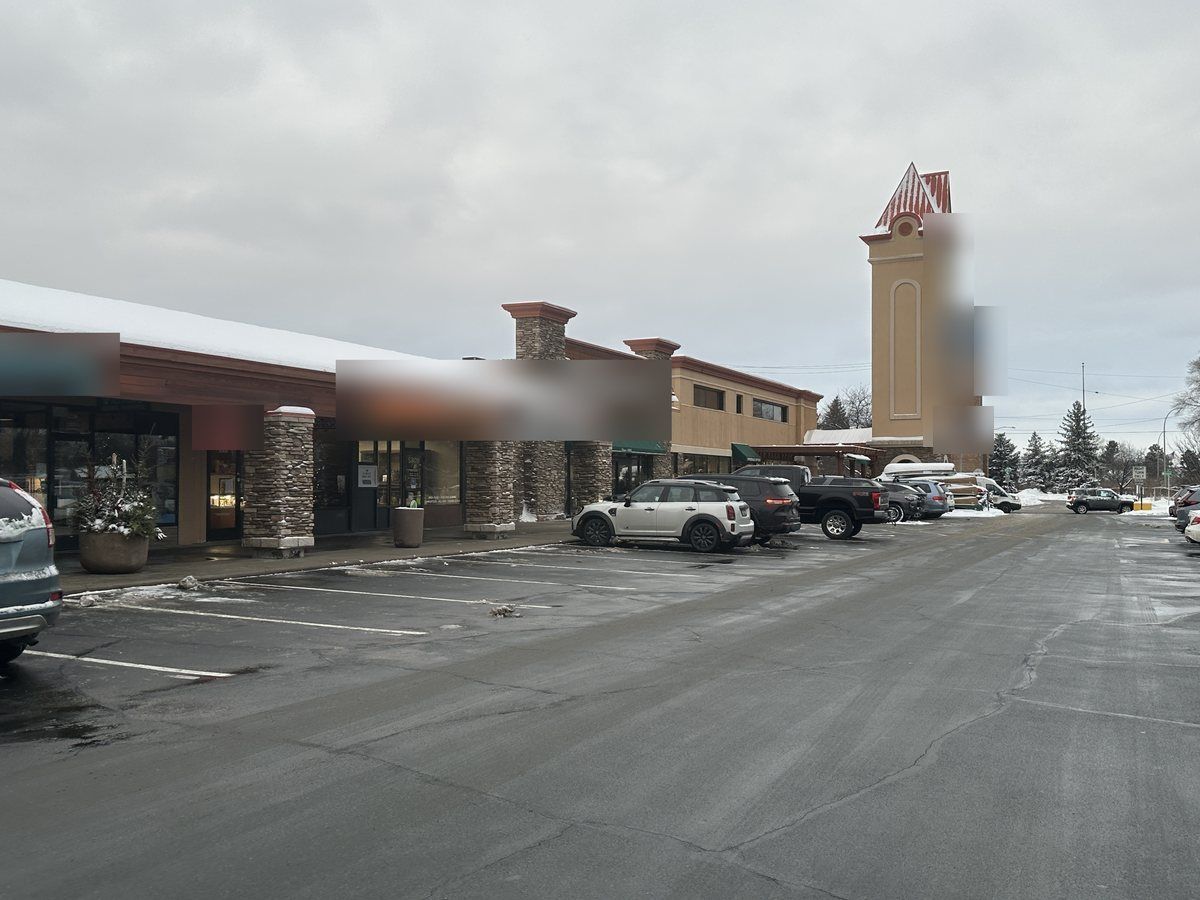
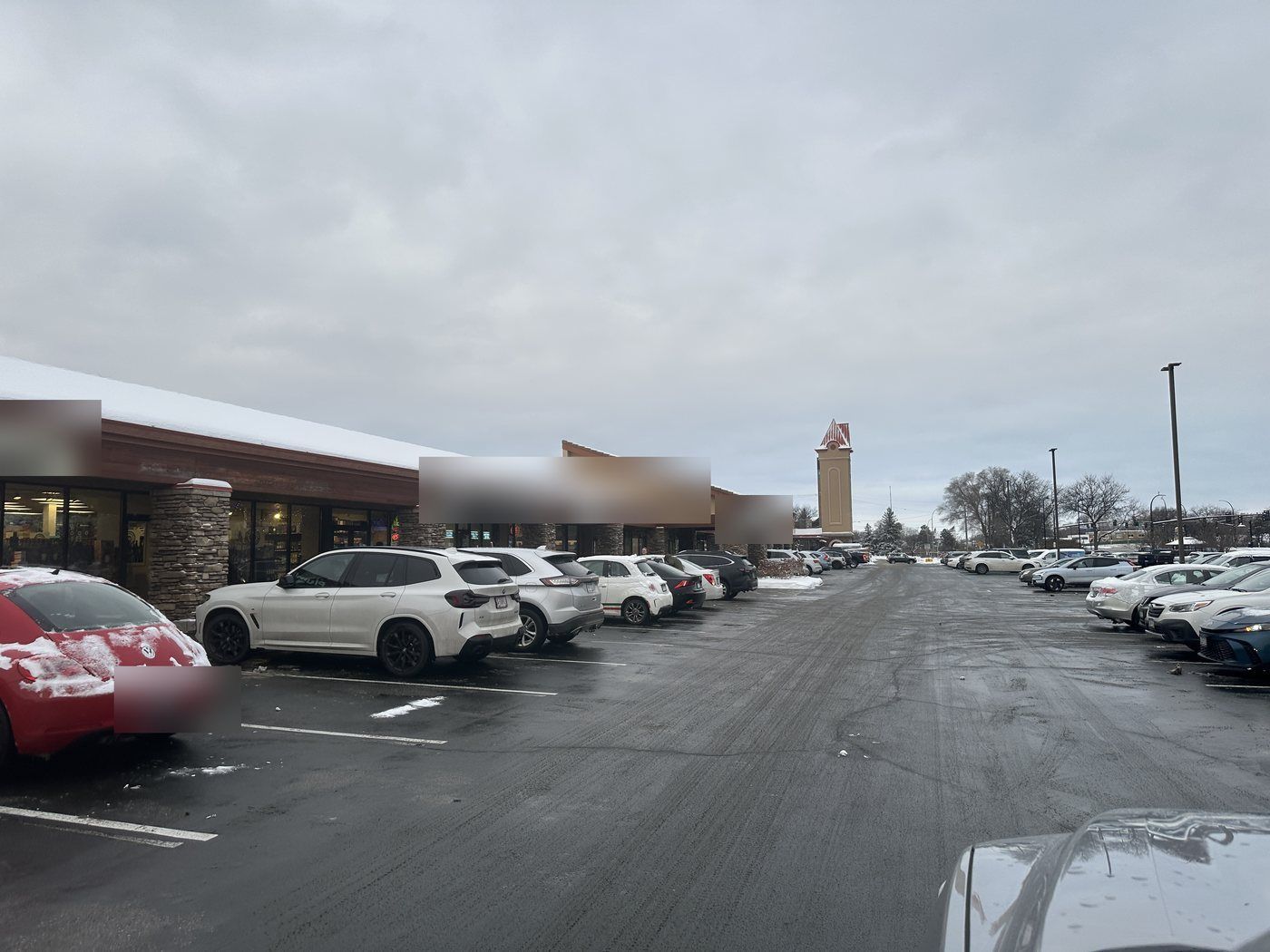 A strip center lot plowed down to wet pavement.
Lots scraped to pavement, then salted
Pure salt from our trucks takes the surface to bare asphalt, with quantities based on satellite measurements of your lot rather than a driver's guess. Once temperatures dip under about 15 degrees, sand gets mixed in for traction. See our salting and sanding page.
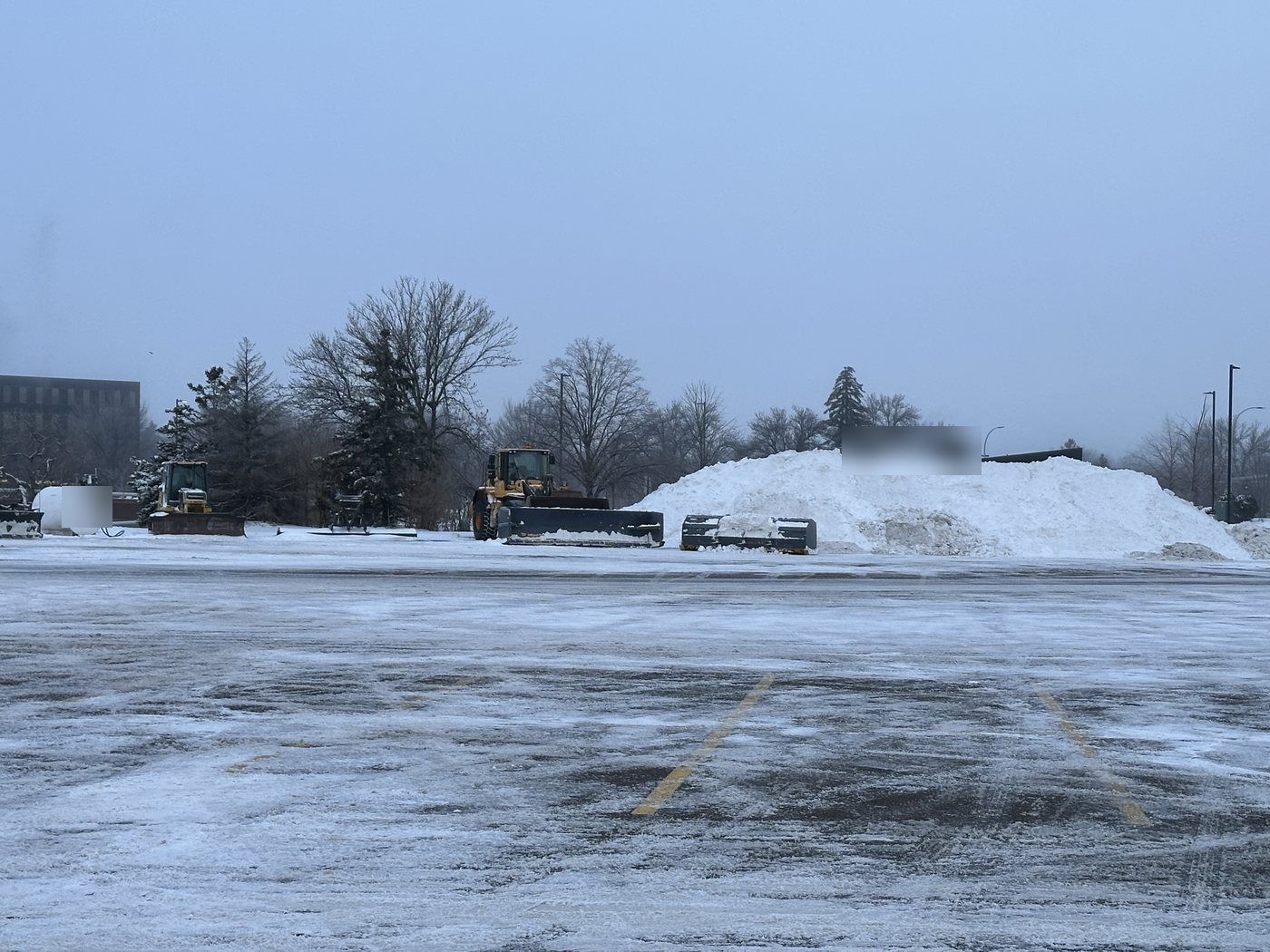 Plowed snow heaped along the border of a large lot.
Winning back stalls late in the season
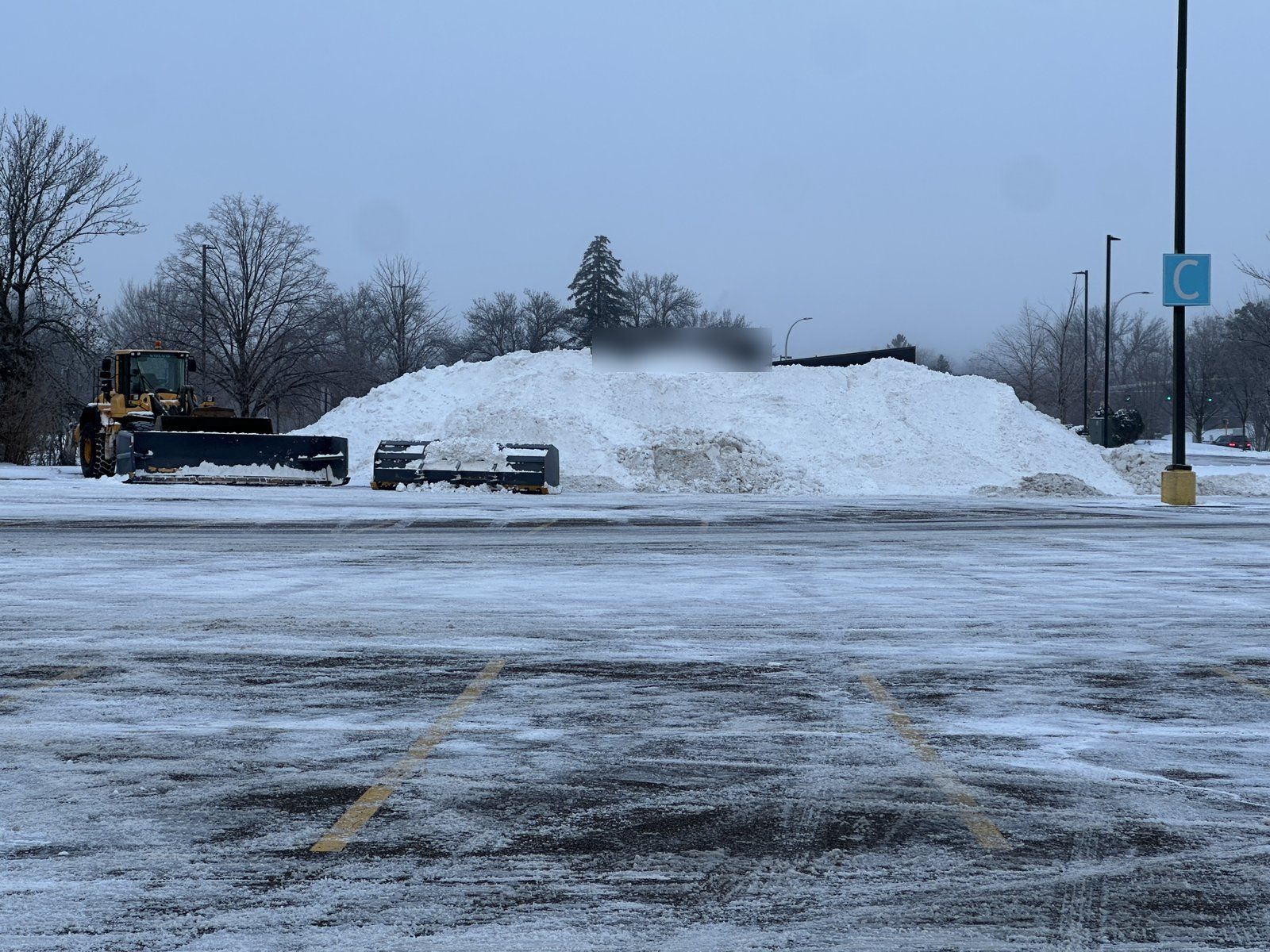
Come February, plow piles start eating the rows nearest the stores. Loaders push them back, and when there's no room left we haul the snow off site so the busiest rows stay usable. Pile locations get agreed on before the first storm, away from storefront windows and the corners drivers look around at the exits.
One Plan for the Whole Center, Not Just the Lot
We'd rather clear the whole property than half of it. With the landlord's lot and every tenant's frontage on one plan, there's no gap between two scopes, and one set of service records covers every surface. The walkthrough maps each unit, its hours and its entrance, how the lot is laid out and which corners can take snow. Crews come out at a trigger of one inch or two, and every plan includes our promise that the work wraps up no later than 12 hours from the moment the snow quits. You'll deal with a single account manager, and someone picks up the storm line day or night. Flat monthly billing is one of our plan options, listed alongside the rest of our business snow services.
Services Your Center Can Combine Each Winter
Landlords and tenants can put any of these under one plan.
Reading for Landlords and Tenants
If you lease or manage retail space, three of our articles go further. One explains how strip mall leases split snow duties between landlord and tenant. Another covers the overnight timing problem restaurants face. A third lays out the full scope a small shop should look for, so you can compare your own contract against it.
Roseville Snow Removal for Offices, Apartments and Warehouses
Not every Roseville property keeps store hours. Office tenants leave at night, which means one overnight visit usually finishes the lot before anybody walks in, suite doors included. Residential buildings hold their cars until morning, so plowing happens in a first round and a second round once spaces open. Distribution and light industrial sites put loading docks ahead of everything else. If your building has a row of tenant entrances, our Coon Rapids flex office snow removal page details how each door gets covered. Every one of these properties still falls under the city policies described earlier: the city won't plow private drives or accesses, and commercial owners clear the public paths beside them.
What Roseville Retail Owners Ask About Snow
Does the City of Roseville plow my business's lot or driveway?
No. Private lots, accesses and driveways are yours, and the policy adds details that matter for a store. After snowfalls over two inches, the city aims to plow its streets and critical city lots full width within 10 hours of the snow quitting, with main routes first, before rush hour. So the road out front can be open while your lot is still buried, which is why your plan sets passes during long storms instead of waiting for the street. The policy also says the city won't pay for damage to driveways caused by its ice control products.
Can one company handle the landlord's lot and each tenant's walk?
Yes. Landlords often bundle snow removal into common area maintenance charges, usually alongside landscaping. CAM is the line on each tenant's monthly rent statement that covers its share of shared spaces, so tenants pay their part without hiring their own crews. When one contractor handles the lot and every storefront walk, each visit's service record shows the landlord and all tenants the same work on the same dates. That helps head off disagreements between landlord and tenants over whether the work was actually done.
Can a tenant hire you for just their own storefront?
Often, depending on the lease. Most retail leases let a tenant contract its own service for the walk and entrance it's responsible for, but not for the shared lot. Read your lease and check with your property manager first, since some landlords prefer one contractor for the whole center. If it's allowed, we can clear and salt your frontage, entrance and steps so they're done before your doors open, even when someone else plows the parking lot, and your account manager can coordinate timing with the landlord's crew.
When should a Roseville retail center sign up for snow service?
Late summer or early fall, ideally by September or October. Commercial snow contractors fill their routes before winter, and waiting for the first storm narrows your options. Signing early also leaves time for the walkthrough, where we map each storefront, set stacking spots and agree on the trigger, plus time to review the agreement and confirm insurance before you need it. If you already have a contractor, fall is the right moment to compare what you're getting against a full scope.
How long does Roseville's snow parking ban last?
Up to 48 hours. The ban starts once two inches of continuous snow have fallen and lasts until the street has been plowed or 48 hours have passed. The city runs a winter parking pilot in five multi-family housing areas, so a few nearby streets may allow some parking. Its snow and ice page says an average four-inch snowfall takes about eight hours to plow and treat. Plan on your busiest rows filling with cars that would normally sit on the street.
Get Your Roseville Center on the Route Before the First Storm
Whether your center is on Rice Street, Larpenteur, Lexington Avenue or near HarMar, we begin by walking your lot, every storefront and every door with you. Use our contact page or ring (763) 568-7251 to book a time. Our full set of winter services is a click away.
Other Service Areas