Designing Paver and Natural Stone Patios That Drain Properly
Crafting a paver or natural stone patio that boasts both aesthetic appeal and functional drainage may seem daunting, yet it's essential for the longevity of your outdoor space. Proper patio drainage design ensures your patio remains the highlight of your backyard without the pitfalls of water damage.
Effective drainage solutions protect your investment from erosion, structural damage, and unsightly water pooling. Our focus here is to guide you through the crucial aspects of patio drainage, highlighting the importance of designing a system that keeps your patio dry and functional throughout the year.
With attention to detail and strategic planning, achieving a beautifully landscaped patio that efficiently manages water is within reach. Let’s dive into the world of patio drainage design, equipping you with the knowledge to create an outdoor space that endures and delights in every season.
Why is Proper Patio Drainage Important?
- Standing water and mosquito breeding grounds: Pools of stagnant water are not just unsightly; they are breeding grounds for mosquitoes , posing health risks to your family and pets.
- Erosion of the patio sub-base: Water can undermine the structural base of your patio, leading to uneven surfaces, cracks, and other damage that can be expensive to repair.
- Foundation damage to your house: Excess water can seep towards your home's foundation, causing significant damage over time. Proper drainage directs water away from the house, maintaining the integrity of its structure.
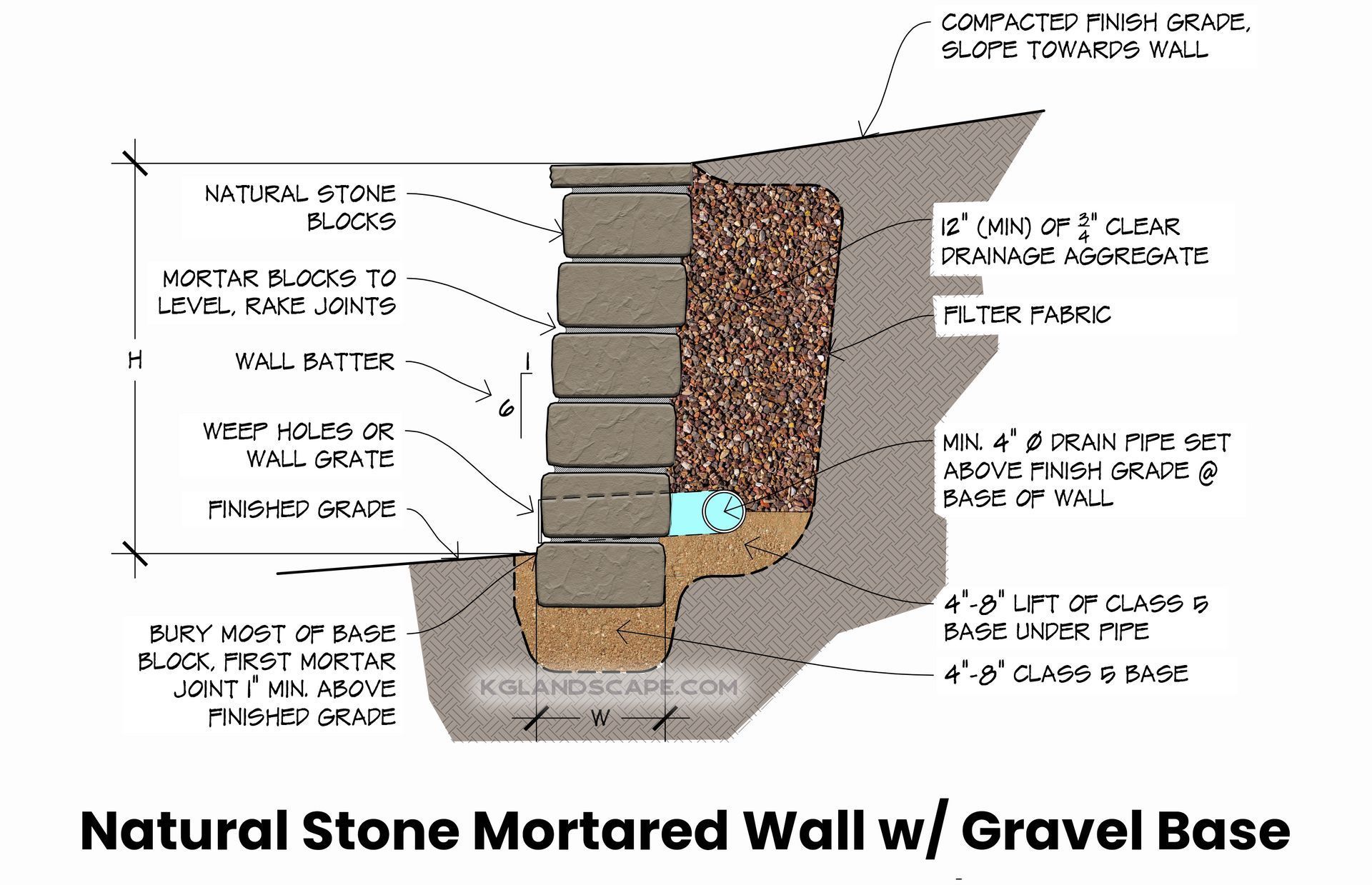
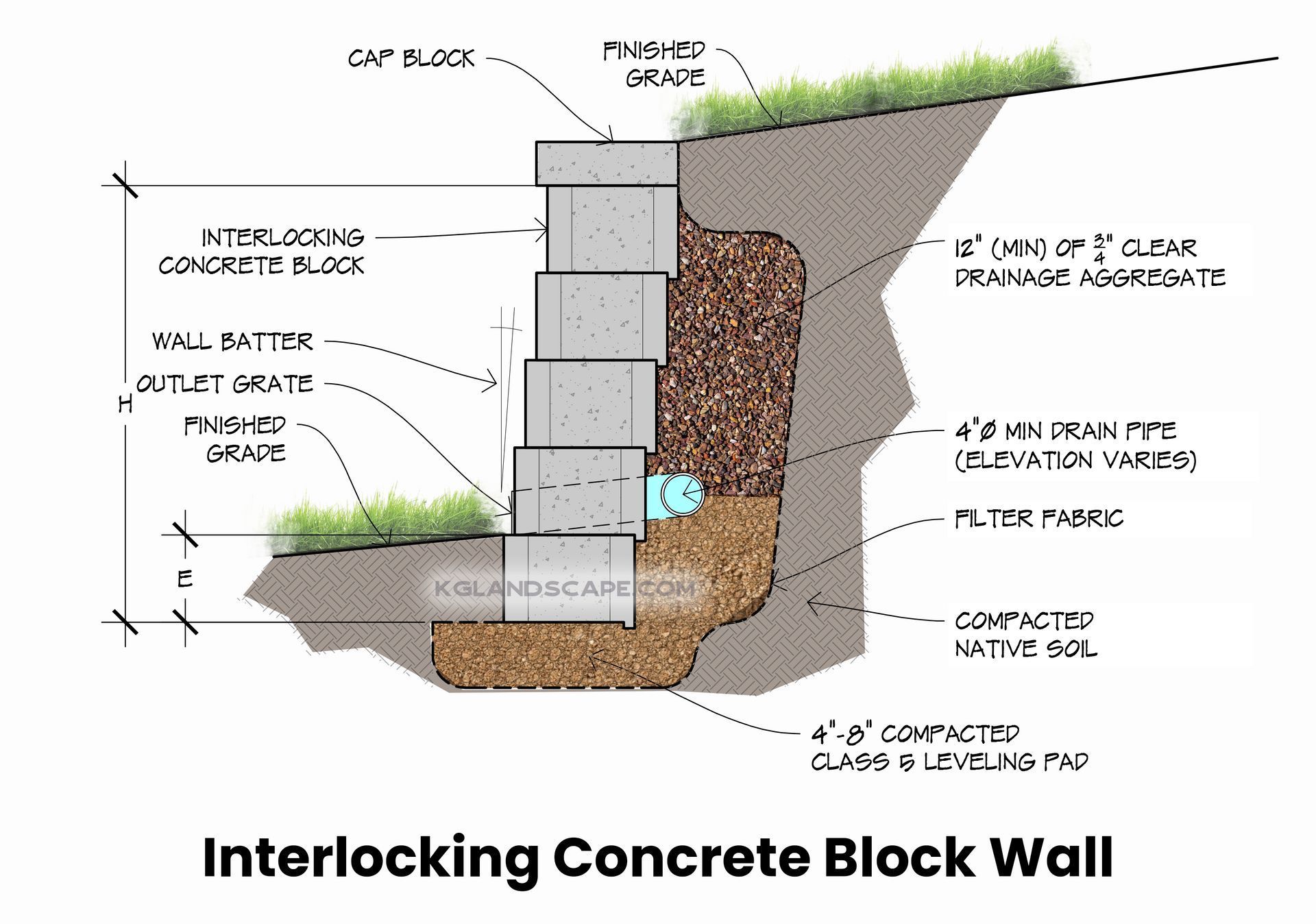
What Are the Different Types of Patio Drainage Systems?
Sloped Sub-base
The natural flow of water
Channel Drains
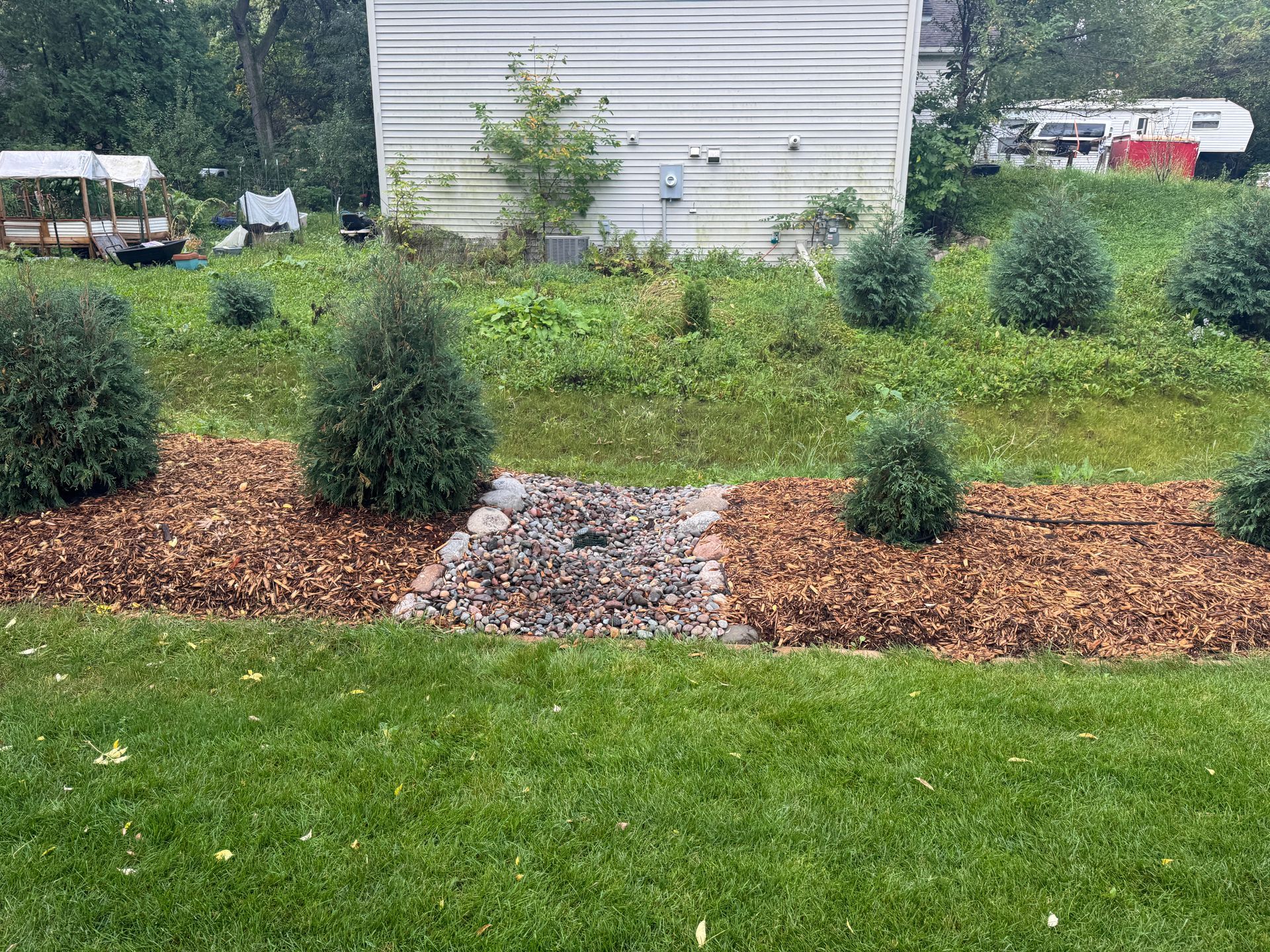
Linear solutions for high water volume
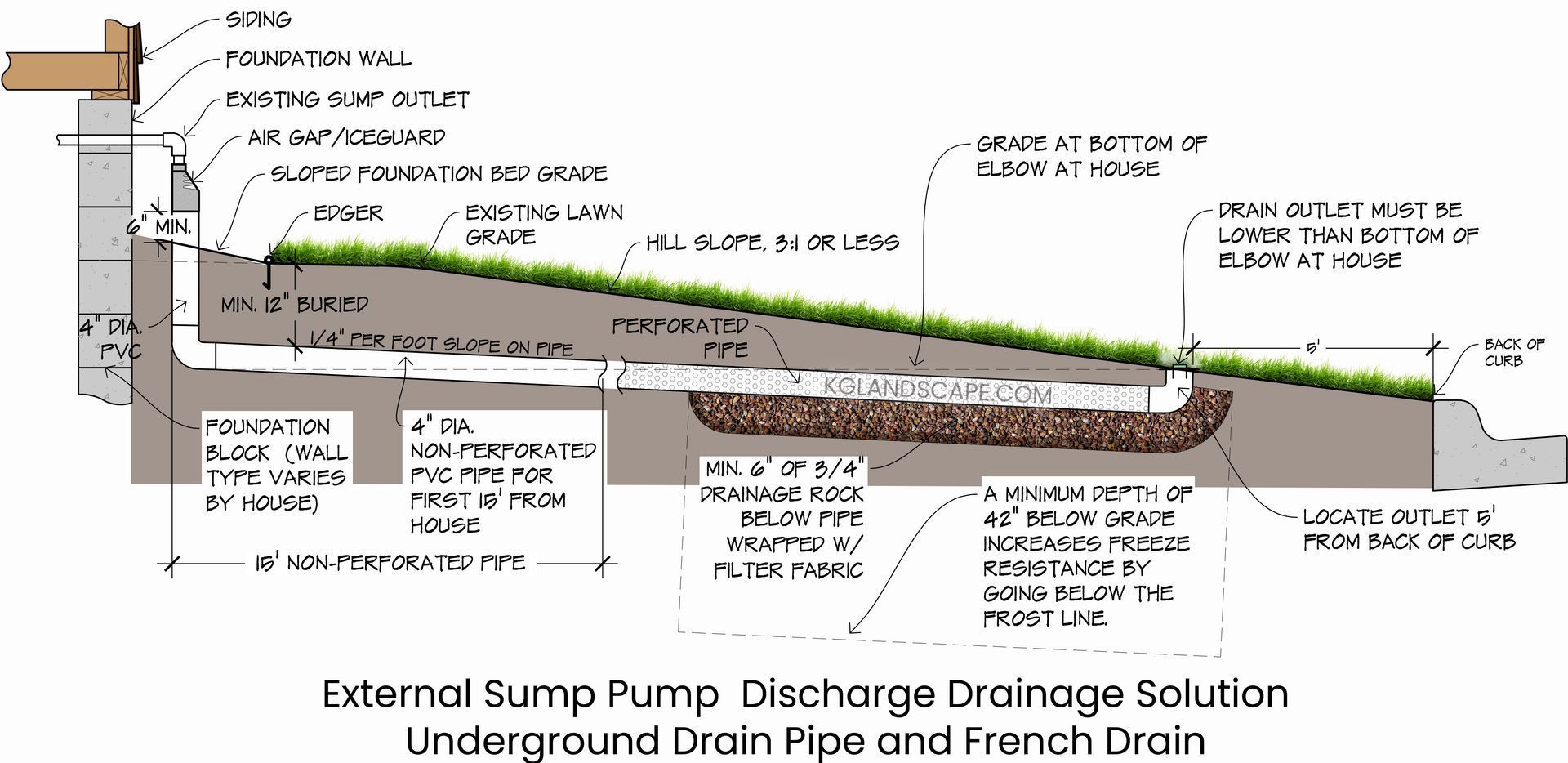
French Drains
Subterranean water collection systems
What Factors to Consider When Designing Drainage?
- Slope of th e sub-base: Ensures water flows away from the patio.
- Location of drains: Strategic placement maximizes efficiency in water management.
- Rainfall patterns in your area: Guides the capacity and design of your drainage system.
- Soil type and permeability: Influences the choice of drainage solution to accommodate the soil’s ability to absorb water.
Step-by-Step Guide to Designing a Patio with Drainage
Follow these steps to ensure your patio drainage system meets your needs:
- Assess your slope and soil conditions : Start by evaluating the natural incline of your property and the type of soil . This will help you understand how water moves and is absorbed in your setting.
- Determine the type of drainage system needed: Based on your assessment, choose between a sloped sub-base, channel drains, French drains, or a combination thereof to effectively manage water runoff.
- Plan the location of drains and channels:
Careful planning of where to place drains and channels can significantly improve the effectiveness of your drainage system, ensuring that water is directed away from your patio and property efficiently.
Advantages & Disadvantages of Various Drainage Materials
Crushed Gravel
- Advantages: Allows water to filter through easily, reducing standing water. It's affordable and simple to install, making it accessible for DIY projects. Crushed gravel also blends well with different landscapes, providing an aesthetic appeal.
- Disadvantages: Over time, crushed gravel can compact, which reduces its effectiveness in water filtration. Maintenance involves periodic replenishment to maintain its drainage capabilities.
Perforated Drain Pipes
- Advantages: Highly effective at directing water away from specific areas, perforated drain pipes can handle significant amounts of water. They're buried underground, so they don't disrupt the landscape's appearance.
- Disadvantages:
Installation can be labor-intensive, requiring trench digging and sometimes professional help. The system might clog with debris over time, necessitating maintenance.
Drain Channels and Grates
- Advantages: Provide a discrete and efficient method of capturing and directing surface water away. They're suitable for areas prone to heavy rainfall and can be integrated seamlessly into the patio design.
- Disadvantages: Installation may be complex, often requiring precise excavation and planning. The grates need regular cleaning to prevent blockages from leaves and debris.
Maintaining Your Patio Drainage System
✔️Regular Inspection and Cleaning
Conduct periodic examinations of the drainage system to identify clogs or debris accumulation. Clear out leaves, twigs, and other materials that might block water flow. This practice prevents overflow and water damage.✔️Checking for Damage or Wear
Inspect the components of your drainage system for signs of damage or wear. Look for cracks in drain channels, grates, or signs of collapse in the crushed gravel area. Early detection and repair can save time and money.✔️Ensuring Proper Water Flow
Verify that water flows freely through the system and away from your property. Adjustments might be necessary to ensure the gradient or slope of your patio continues to direct water correctly.✔️Professional Inspection
Consider scheduling an annual inspection with a professional. We can offer expert advice and identify issues you may overlook. This can be particularly beneficial for more complex systems like perforated drain pipes.Enjoy Your Patio Year-Round with Peace of Mind
Mastering patio drainage design not only extends the life of your outdoor space but also enhances your enjoyment of it, regardless of the season. A well-planned drainage system prevents common pitfalls such as water pooling, erosion, and damage to your property’s foundation.
Investing time in selecting the right
drainage solutions pays off by keeping your patio dry and functional year-round. Regular maintenance ensures these systems continue to protect your space effectively.
With the knowledge of how to design and maintain a proper drainage system, you can sit back and relax, knowing your patio is built to last and ready for whatever the weather brings.
Ready to Start on Your Next Project?
Call us at (763) 568-7251 or visit our quote page.