
How To Design Front Yard Landscape Lighting
Landscape lighting is used for a variety of reasons in the front yard of a home. Some people install it strictly for aesthetic reasons while others install it for security reasons. Still others install lighting for health reasons to prevent slips and falls at night throughout the year. No matter the reason for installing it, having a plan or design for the landscape lighting is crucial to accomplish the goals you want at the budget you need. Here we’ll talk about some of the things to consider while designing and installing.
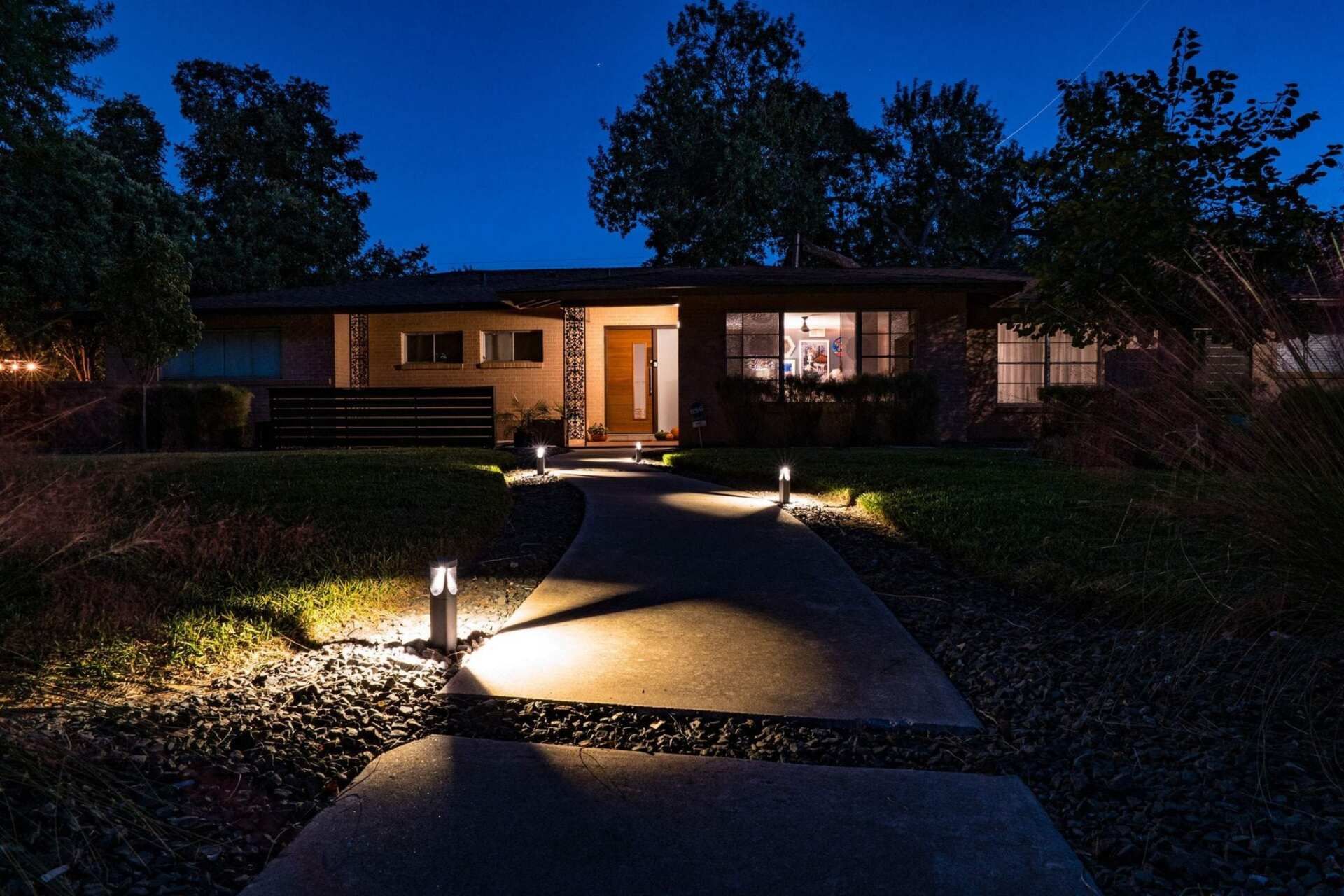
Types of Front Yard Landscaping Lighting
Pathway Lights
The name kind of speaks for themselves. These lights are often quite decorative because they’re so visible during the day and the night. The lights can have different form factors from a straight pole with a light on top or a curvy design with the light shining down. They can also be made using different color materials and different types of materials. They use the same type of bulb as some of the up lights so switching out bulbs can be very easy.
Up Lights
These lights are used to light up trees, large bushes, or flags in a front yard landscape. We often use these to light up a specific dramatic focal point tree. We recommend 3 up lights per tree so you should only light up 1 or 2 trees maximum in your front yard. You should position the 3 lights so they shine on both the trunk of the tree and the under canopy of the leaves. This creates a dramatic, beautiful effect. For a flag in a front yard, you only need to install 1 up light although more is certainly welcome. There are a wide variety of light bulb hews and power levels so having a professional company install the lights will ensure the correct color and power.
Well Lights
These are used to light up a large facade of a house. They cast a wide spread of light to provide a dramatic picture of the home when you or guests pull up. These are more commonly used in front yard landscape lighting on larger homes or homes with unique/distinctive features. It’s not that they can’t be used on other homes but resources might be better used to illuminate plants or walkways on other homes.
Other Special Lights
The lights listed above aren’t the only options of course. There are lights that can be installed in a retaining wall itself. They can also be installed in steps. Fountains and pools can be lit up as well.
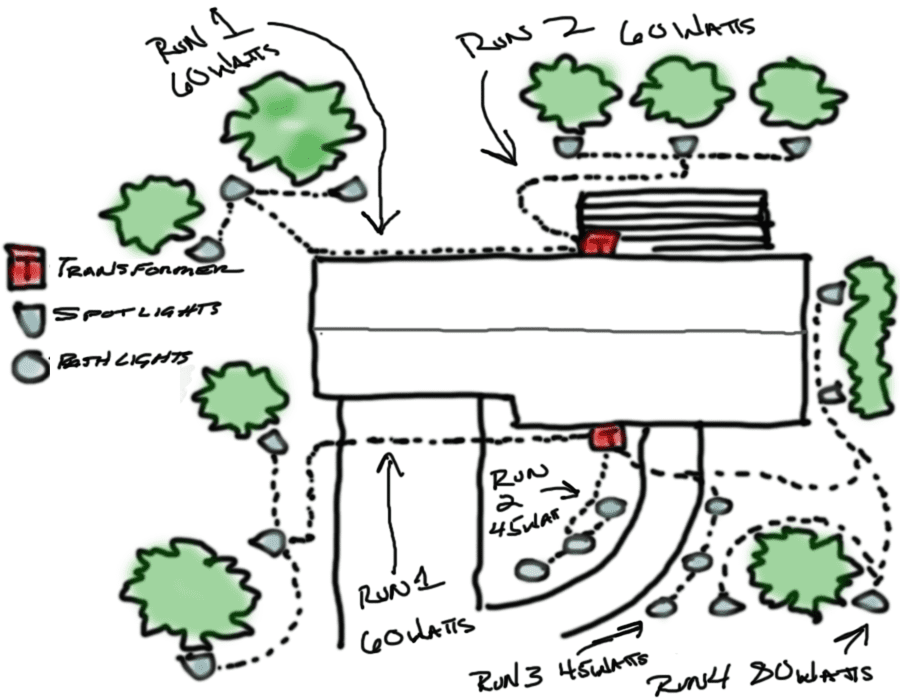
Ideas to consider before designing landscape lighting
Budget
Your budget will determine how many lights you can install. If your budget is unlimited, you can really go crazy and light up everything in a million different ways. If your budget is a little more limited, that amount will determine how many lights you can use and where.
Focus
Determining what things you care about will also factor heavily into the lighting design. Some people really want to showcase their plants and trees. Other people are much more focused on their home or the driveway or the walkway. Whatever it is you really care about, figuring out what that is before designing will allow you to distribute your budget in the correct way.
Eco Friendly and Long Term Budget Concerns
There are many different types of light bulbs to use in your outdoor lighting. There’s the old school incandescent or fluorescent. These are cheaper but burn out and take more energy to run. There’s also the new school LED lights which run longer and cheaper. They are a bit more expensive at the beginning but there’s really no choice here. Any company that would install or sell you the incandescent doesn’t know
Safety Concerns
Every front yard is different and have different obstacles and shapes and sizes. Thinking about those obstacles and if they need to be lit up and by how much is important before starting your design. Many front yards have steps leading up to the door, determining how to light up these obstacles (pathway lights, stair lights, wall lights, a light on the house) will set the baseline of lighting you need. Other front yards have a steep incline or curvy pathways which would need special lighting considerations.
Final Thoughts
There are many things to consider before even putting a light in the ground when designing your front yard lighting. Taking all these considerations into account as well as the best look and the correct voltage makes it a complicated process. Talk to a landscape design expert who can help break it all down for you. KG Landscape is here to help.
The post How To Design Front Yard Landscape Lighting
appeared first on KG Landscape Management.
Ready to Start on Your Next Project?
Call us at (763) 568-7251 or visit our quote page.
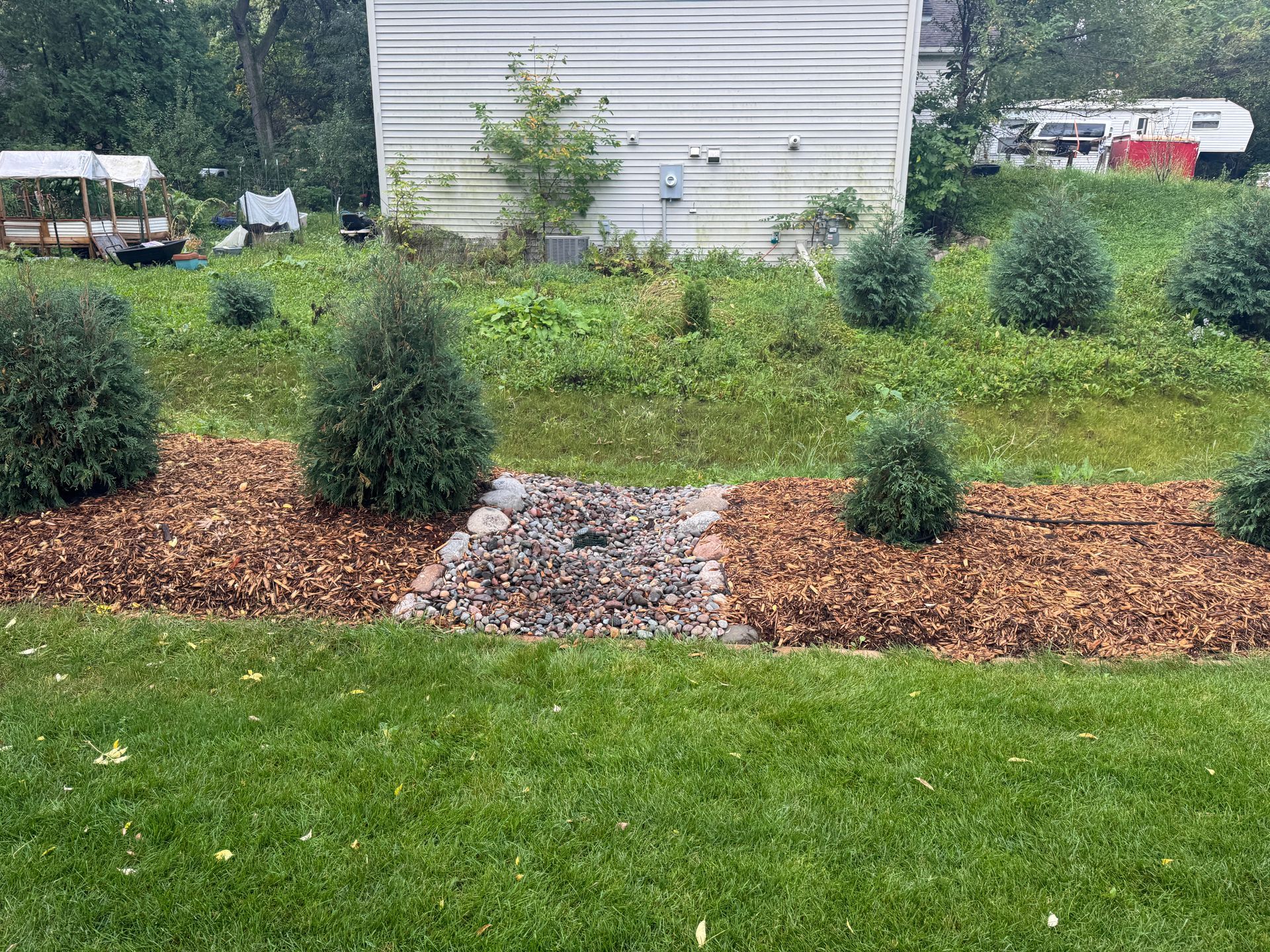
The legendary architect Louis Sullivan coined a phrase that has driven architecture and design ever since: "form follows function." While aesthetics are critical to buildings and landscapes alike, that physical beauty must always remain secondary to the fundamentals of good design. In Shoreview, Minnesota, just outside St. Paul , we encountered a landscape where, unfortunately, function followed form. Here, the realities and principles of effective drainage were downstream of their original builder's aesthetic choices. That meant water from snowmelt and rainfall was streaming into parts of the lawn where it wasn't meant to be. The standing water that had been allowed to collect in the back and side yards was putting a considerable amount of the property out of play. In order to reclaim usable space and rethink the way the land handled water, this Shoreview homeowner entrusted KG Landscape with identifying key issues, presenting potential solutions, and doing the necessary work the client decided upon to restore their lawn.
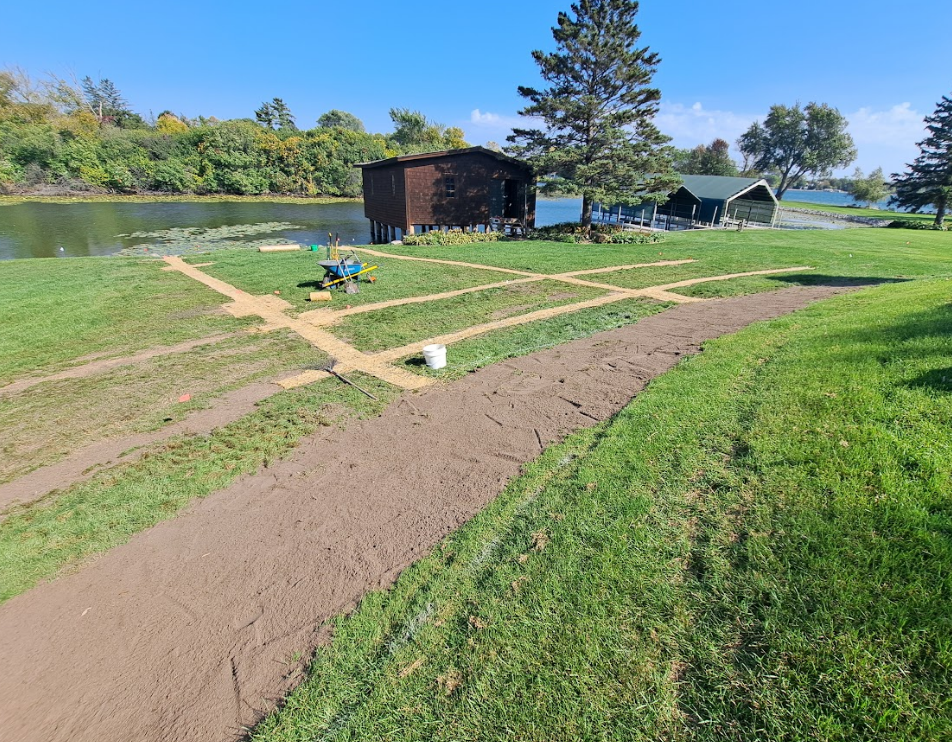
On the shores of Lake Minnetonka, perhaps the most famous of Minnesota's 10,000 lakes, an Orono, Minnesota homeowner was struggling with a back yard that was becoming more marsh than yard. The yard was a scenic one. The back porch opened up to the top of a small hill, which rolled down toward the lakefront and the boathouse. This flat space between the hill and the water would be ideal for backyard barbecues, some low-stakes games of bocce and badminton, or simply a spot to lay down a towel and get some summer reading done. Instead, this area was too waterlogged to enjoy. The runoff from the hilltop combined with unfavorable soil composition were limiting the use of the yard, closing off space while even diminishing the quality of the turf. How would this homeowner be able to reclaim this unusable land without disrupting the Lake Minnetonka shoreline that made the property so attractive? To find a solution, they turned to KG Landscape.
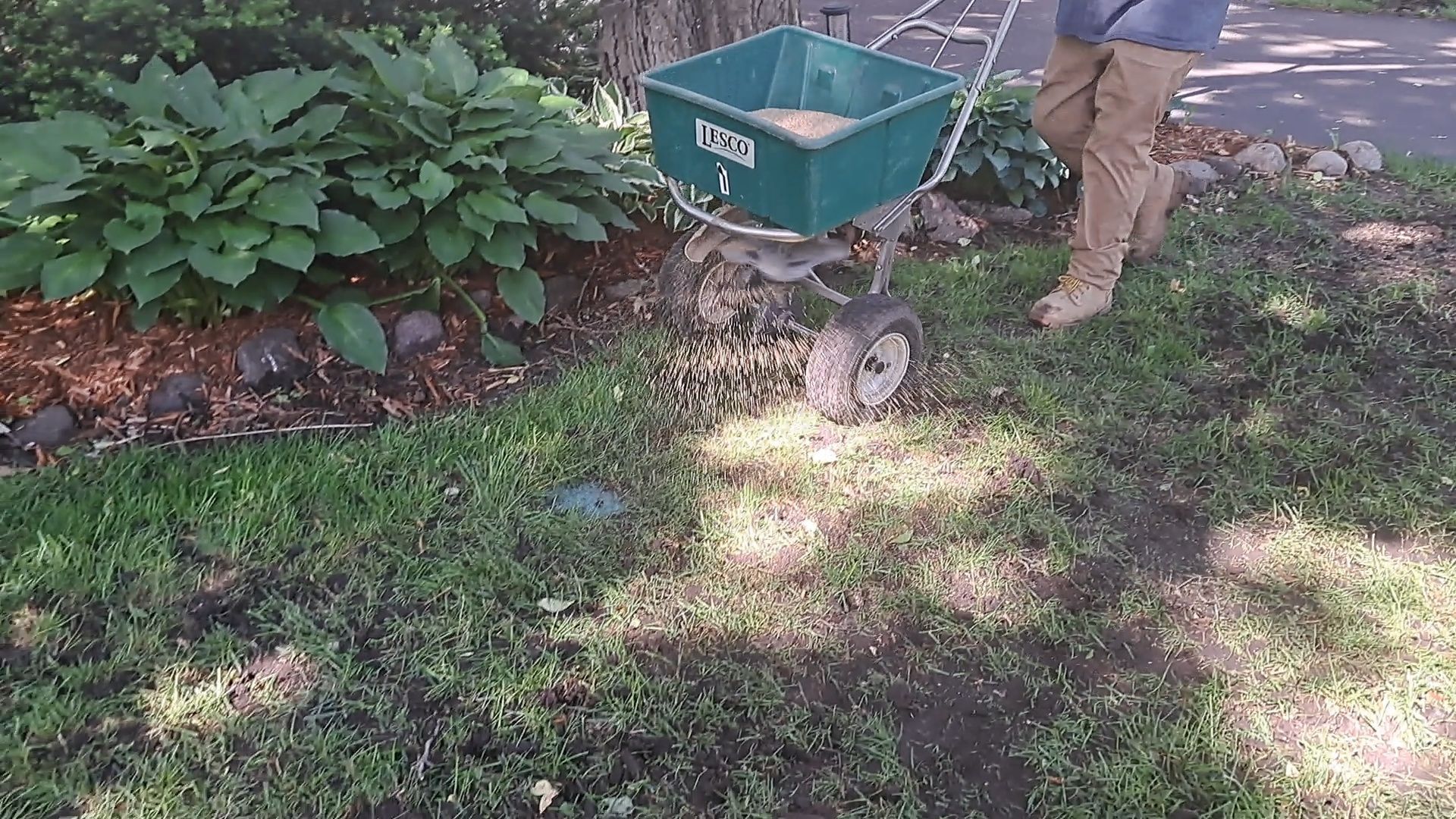
Can you use compost as lawn fertilizer in Minnesota? Learn how compost feeds turf, how to apply it, and where it fits. Get a free quote.
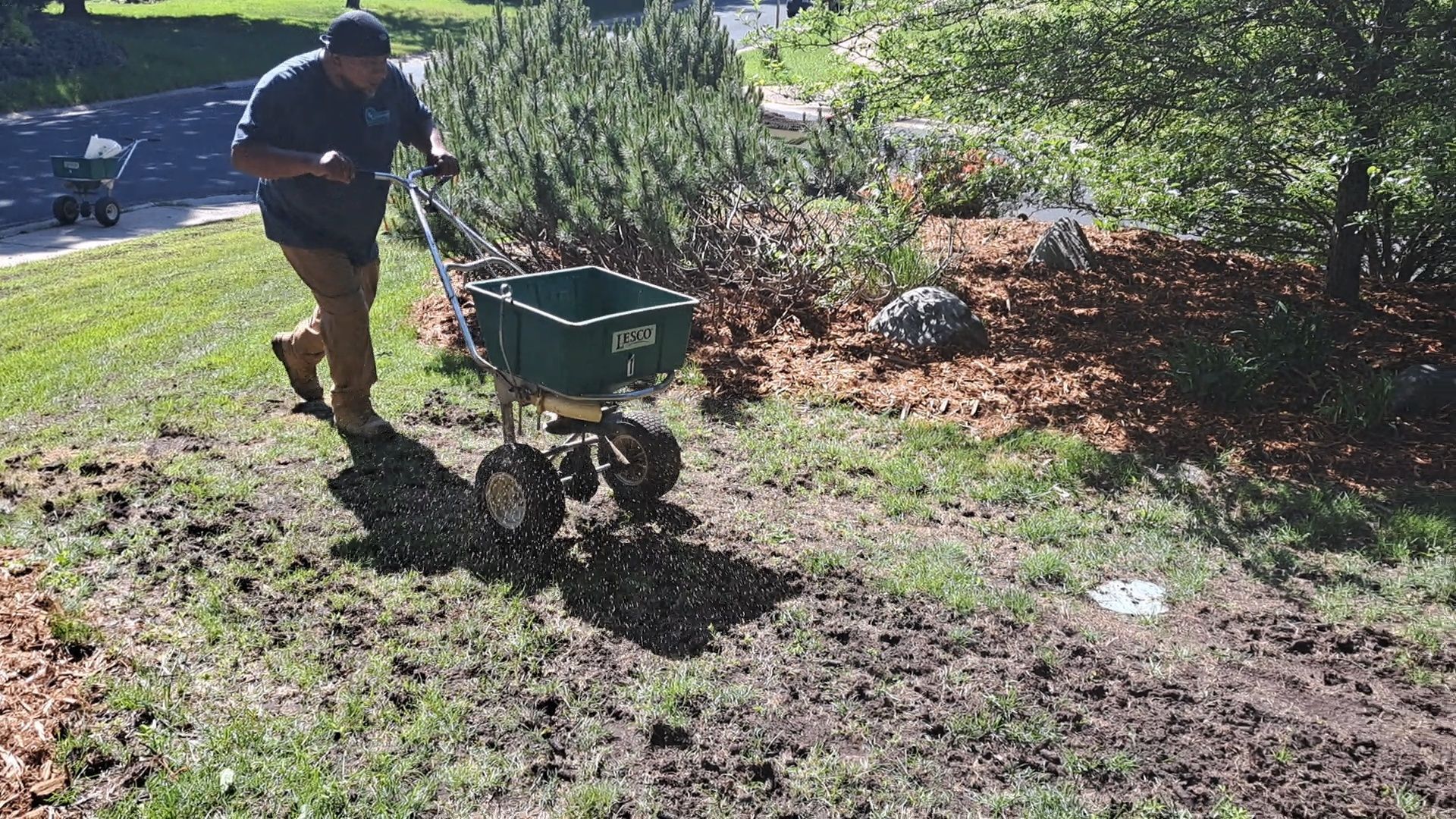
Organic weed control for Minnesota lawns: what works, what doesn't, and how to manage weeds without harsh chemicals. Get a quote.

Keep your lawn and your pets safe. Pet-safe lawn care tips for Minnesota yards, from products to timing. Get a free quote.
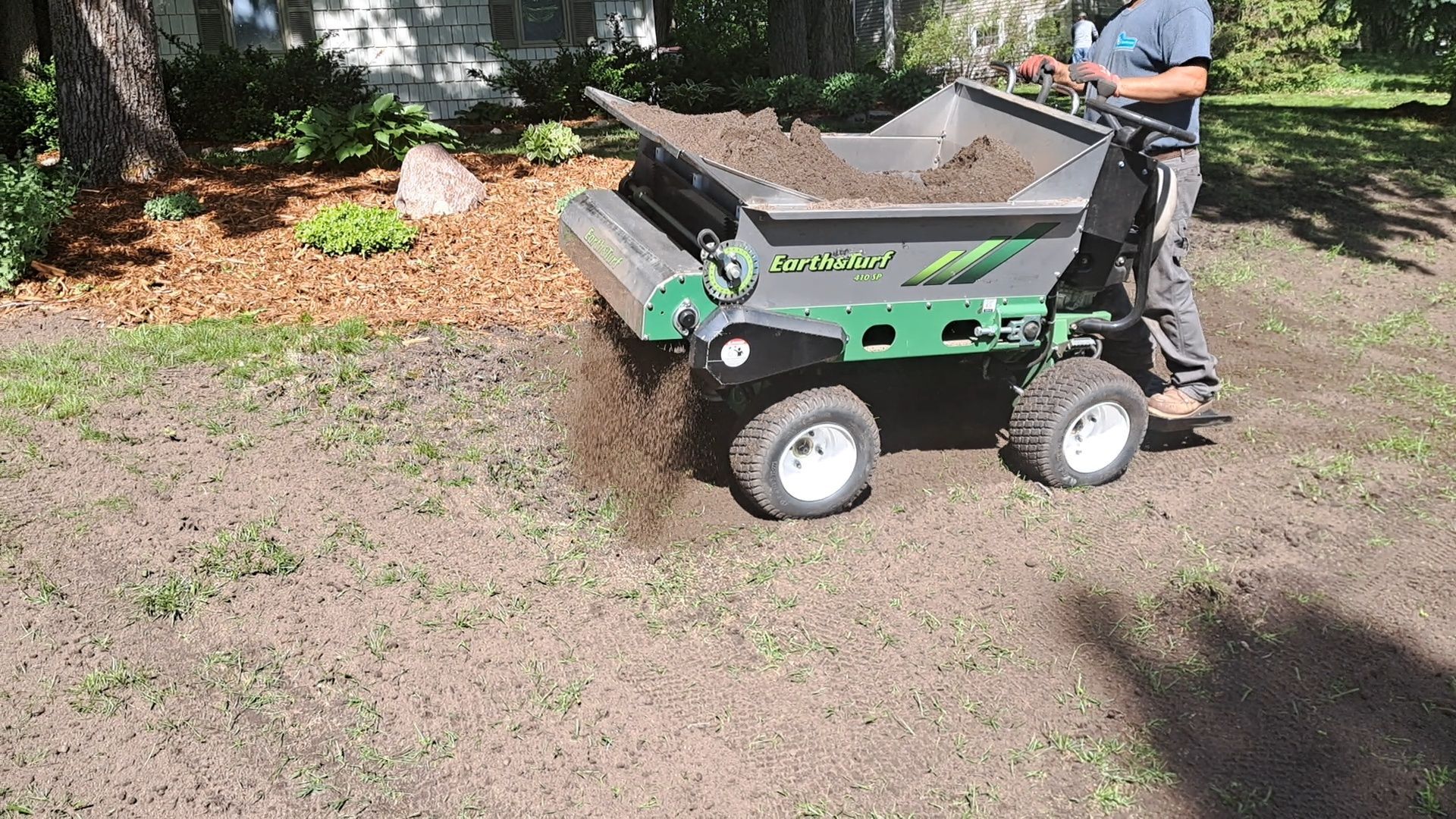
Looking for the best organic lawn fertilizer in Minnesota? See top options, how they feed your turf, and what KG uses. Get a quote.
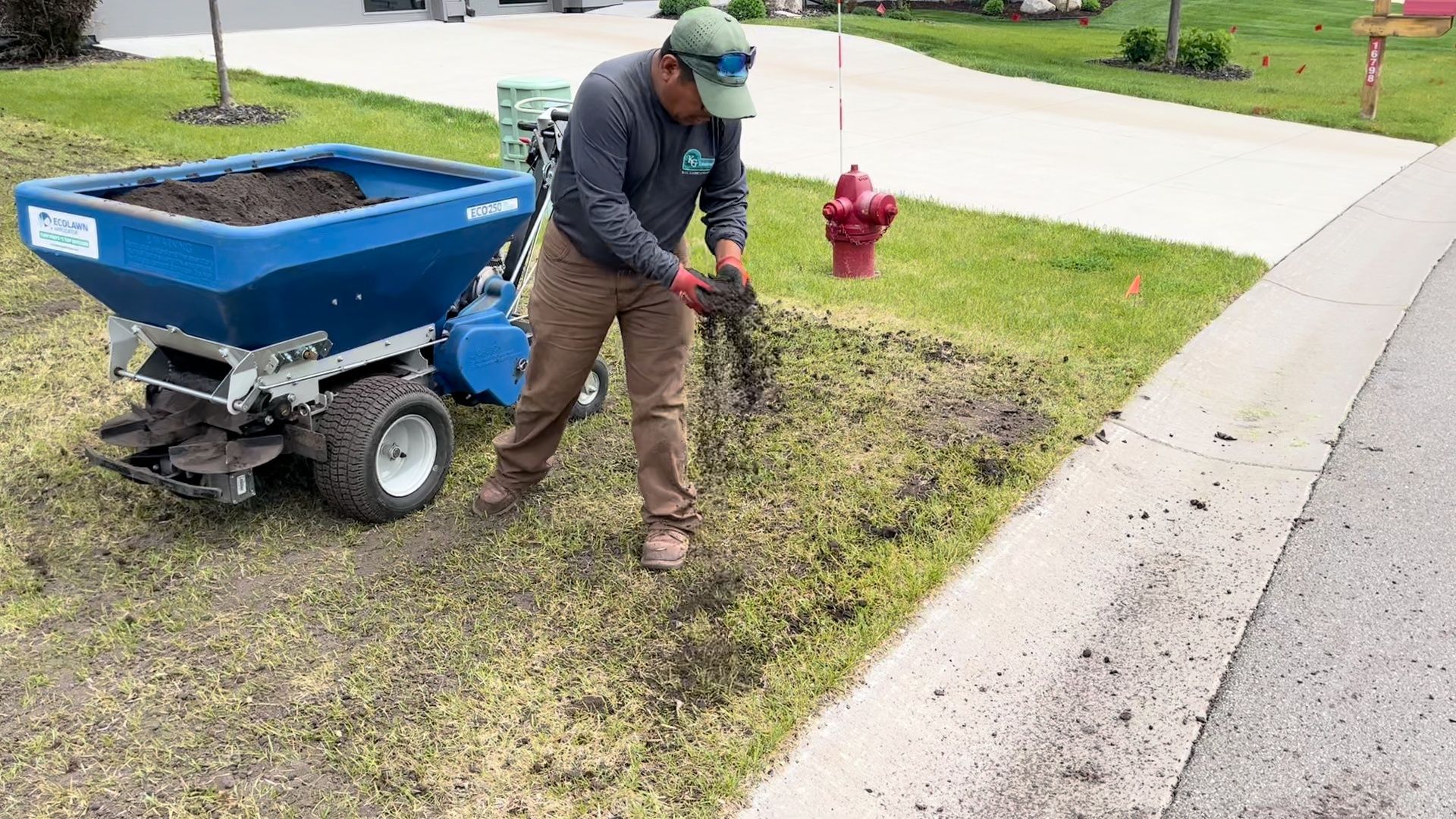
Is compost a fertilizer? Learn what compost does for your Minnesota lawn, how it differs from fertilizer, and when to use it. Get a quote.
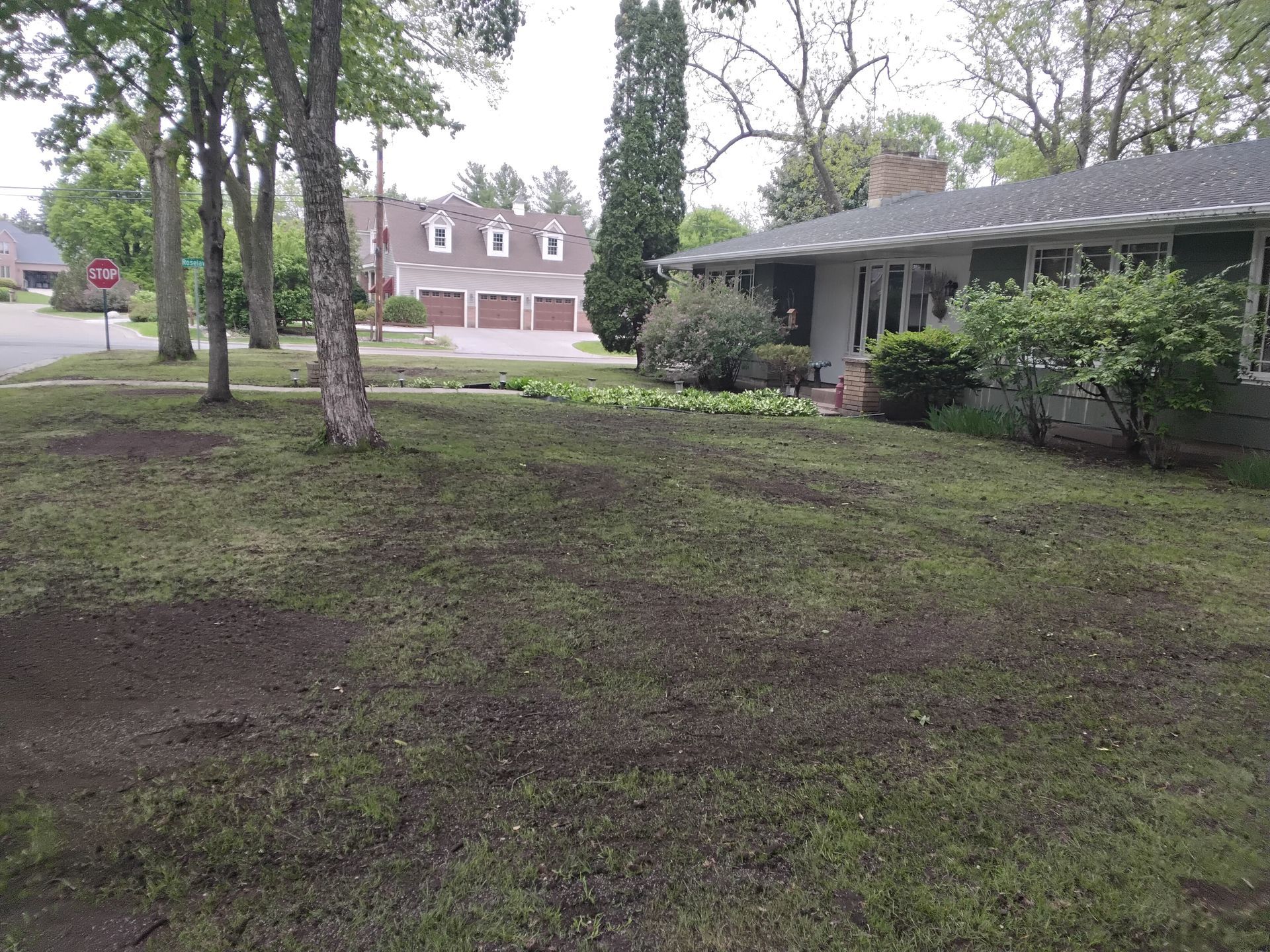
Compost feeds the soil, fertilizer feeds the grass. Learn which your Minnesota lawn needs, when to use each, and how to apply both. Get a quote.
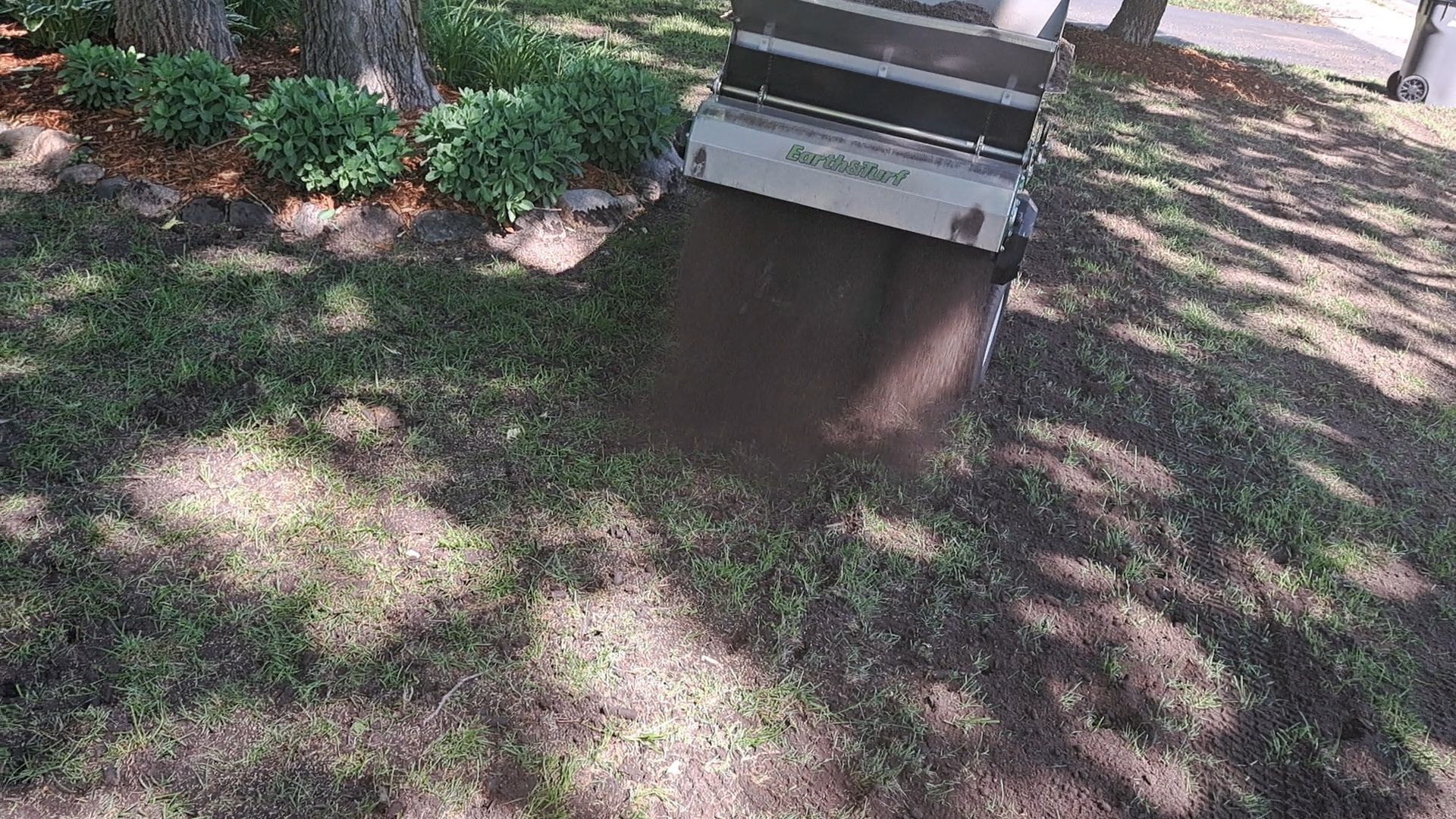
Eco-friendly lawn care tips for Twin Cities yards: cut chemicals, save water, and build healthy soil naturally. Get a free quote.
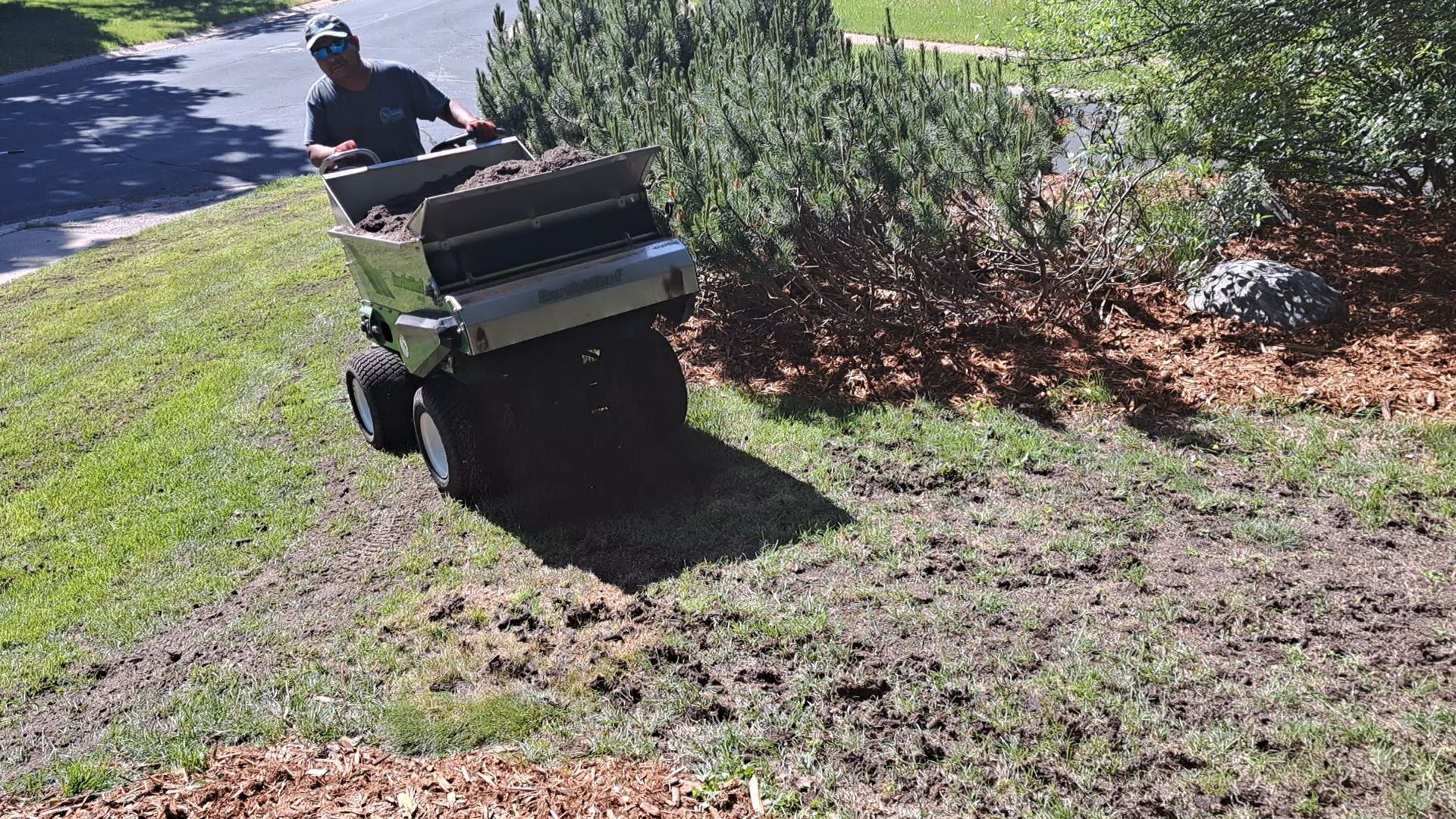
Simple, proven lawn care tips for Minnesota yards: mowing, watering, feeding, and building healthy soil that lasts. Get a free quote.