
4 Tips to Avoid Root Rot
Many homeowners enjoy having tree-filled yards
, whether for the shade they provide or simply their beauty. However, root rot probably isn’t something you think about on a regular basis—until it’s too late. In this post, we’ll talk briefly about what causes root rot, and then focus on ways to avoid it taking hold of your trees and shrubs.
What is root rot?
Root rot can happen for a variety of reasons. One of the most common reasons leading to root rot is poor drainage. When roots stay waterlogged for a long period of time, it can affect how air reaches the roots, which can in turn lead to poor oxygenation and the resulting decay.
Another common reason for root rot is disease, in particular water mold of the genus Phytophthora. Interestingly enough, poor drainage also factors in here, as waterlogged soil helps promote the growth of the fungus.
One example of dieback caused by Phytophthora
affecting an azalea. From Missouri Botanical Gardens.
How can I tell if my tree or shrub has root rot?
Of course, you can’t see the roots of most plants, so you won’t know right away if they are suffering from root rot. One of the first symptoms is that leaves will look like they’re drought-stressed, perhaps turning color as they wilt. Another way to tell if the tree has root rot is by noticing a decline in the overall health of the tree. Maybe the leaves aren’t wilted, but you notice the canopy thinning out or branches dying off. Finally, some species of fungus will grow up from the roots into the inner barks, causing dead spots.
If you suspect root rot is the cause of these issues, you can cut away some of the bark on the trunk. If the wood beneath is a discolored red-brown, the tree may be infected. Another way is to take a sharp shovel and dig near the tree, carefully scraping dirt away from the roots to look for rot. If you go this route and the tree or shrub is infected, be sure to disinfect the tool to keep the fungus from spreading through contact.
Discolored wood from a tree affected by Phytophthora. From Iron Tree Service.
How can I avoid root rot?
1) Plant in a well-drained area
.
As mentioned above, poor drainage can either cause or exacerbate root rot, depending on the cause. Some trees do better in soil that stays wet, like willow, but in general, plant trees and shrubs in areas with good drainage. If the ground has a chance to dry out, there’s less chance for water-loving fungi to proliferate.
2) Mound soil around the planting site.
Plant shrubs and ornamental trees on mounded soil. Mounding the dirt around the trunk is another way to aid drainage, ensuring water can’t puddle around the base of the plant. In the case of larger trees, even if you don’t mound the soil around it, be sure not to plant it deeper than it was at the nursery.
3) Remove diseased stumps and roots.
If you’ve had a tree die from root rot, be sure to completely remove the stump. If a shrub has died, be sure to also dig out as many of the roots as you can. Root rot spreads easily, and you don’t want to expose new trees and shrubs to the fungus.
4) Avoid overwatering.
Too much water means the tree can’t soak it all up right away, leaving water in the soil or ponded around the trunk. While you don’t want to leave your trees and shrubs dry, either, you do want to be sure the water can either be used by the tree or can drain away.
Can root rot be treated?
There is hope. Trees that are only moderately affected may be saved—simply prune out the affected roots. Some shrubs may be able to be completely replanted in fresh, well-drained soil. Like with any plant affected by root rot, however, you’ll want to trim off the diseased roots. Whenever you’re working with roots that are rotting, whether from poor drainage or fungus, be sure to wash your tools afterward.
Chemicals can also be used to treat root rot, though they can’t cure it completely. Chloropicrin and methyl bromide, applied around the base of infected trees or shrubs, are used to reduce the level of infection.
Unfortunately, root rot is often fatal to the affected plant. If the disease is fairly advanced, the best course of action may be to remove the tree or shrub. It’s painful removing a tree that seems like it should be salvageable, but doing so reduces the risk of the fungus spreading to healthy trees. After removal, you can treat the area with the fungicides mentioned above. After all, if the fungus is still in the ground, root rot will simply take hold in the next tree you plant there.
Looking for information on root rot? We found great resources through the Missouri Botanical Garden and Elite Tree Care . Have you just planted a tree and need more tips on how to care for it? Check out our tree care guide . Trying to figure out the right balance of trees in your yard? We have a guide for that too . If you’re ready to revamp your landscaping, give us a call at 763-568-7251 or use our quote system to get in touch today.
Ready to Start on Your Next Project?
Call us at (763) 568-7251 or visit our quote page.
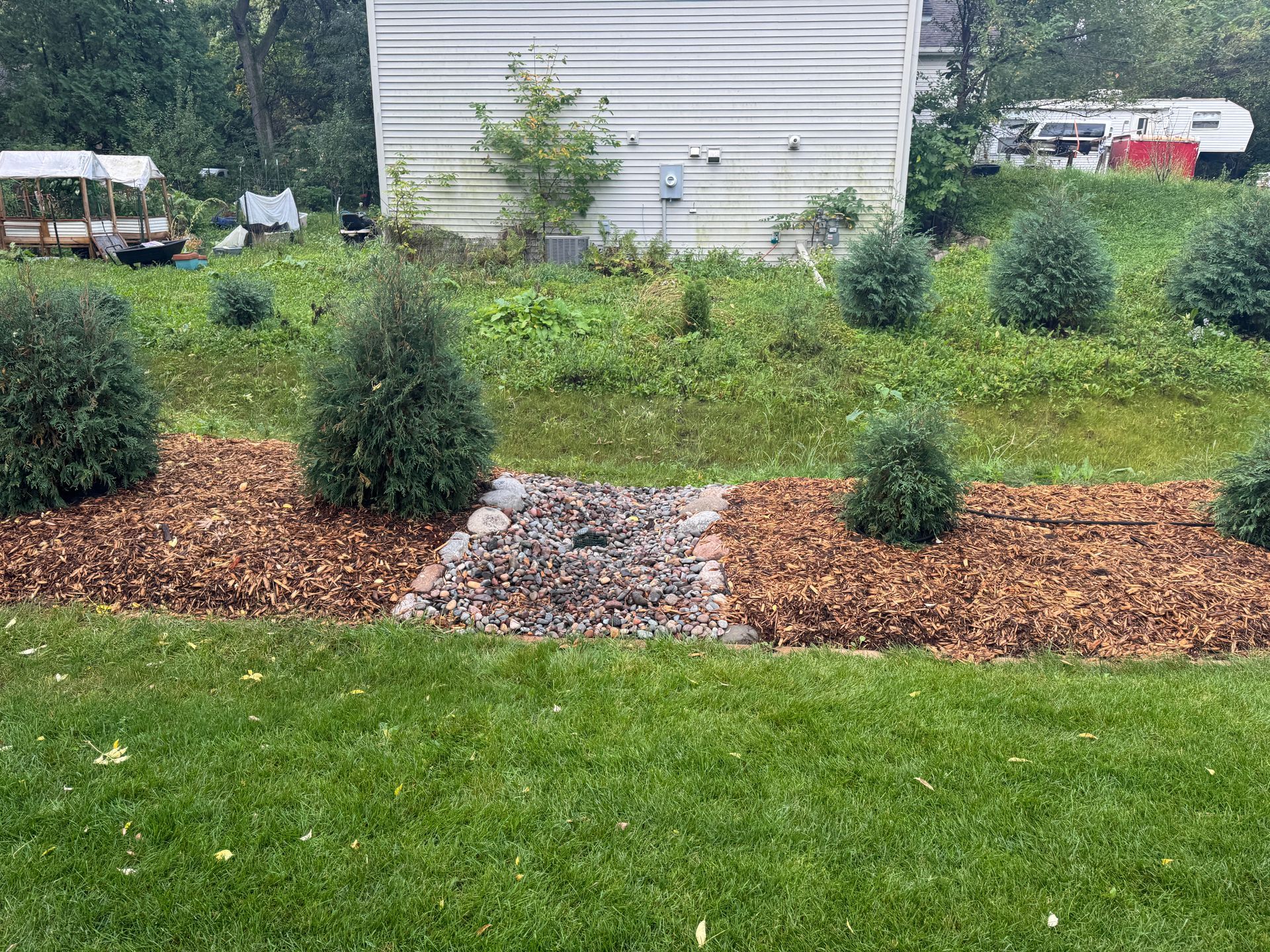
The legendary architect Louis Sullivan coined a phrase that has driven architecture and design ever since: "form follows function." While aesthetics are critical to buildings and landscapes alike, that physical beauty must always remain secondary to the fundamentals of good design. In Shoreview, Minnesota, just outside St. Paul , we encountered a landscape where, unfortunately, function followed form. Here, the realities and principles of effective drainage were downstream of their original builder's aesthetic choices. That meant water from snowmelt and rainfall was streaming into parts of the lawn where it wasn't meant to be. The standing water that had been allowed to collect in the back and side yards was putting a considerable amount of the property out of play. In order to reclaim usable space and rethink the way the land handled water, this Shoreview homeowner entrusted KG Landscape with identifying key issues, presenting potential solutions, and doing the necessary work the client decided upon to restore their lawn.
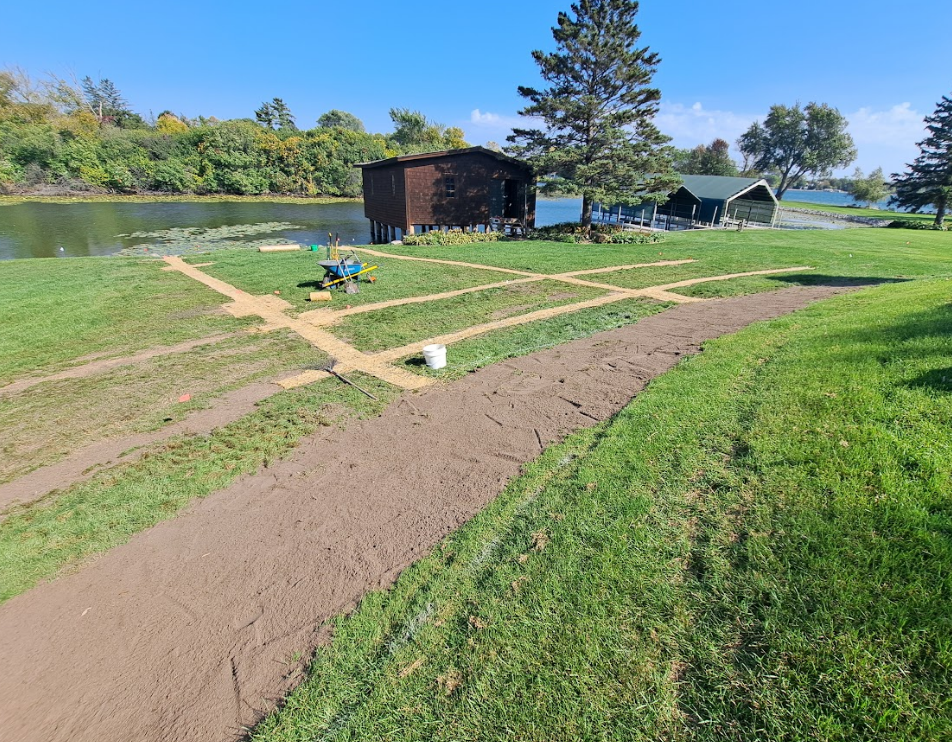
On the shores of Lake Minnetonka, perhaps the most famous of Minnesota's 10,000 lakes, an Orono, Minnesota homeowner was struggling with a back yard that was becoming more marsh than yard. The yard was a scenic one. The back porch opened up to the top of a small hill, which rolled down toward the lakefront and the boathouse. This flat space between the hill and the water would be ideal for backyard barbecues, some low-stakes games of bocce and badminton, or simply a spot to lay down a towel and get some summer reading done. Instead, this area was too waterlogged to enjoy. The runoff from the hilltop combined with unfavorable soil composition were limiting the use of the yard, closing off space while even diminishing the quality of the turf. How would this homeowner be able to reclaim this unusable land without disrupting the Lake Minnetonka shoreline that made the property so attractive? To find a solution, they turned to KG Landscape.
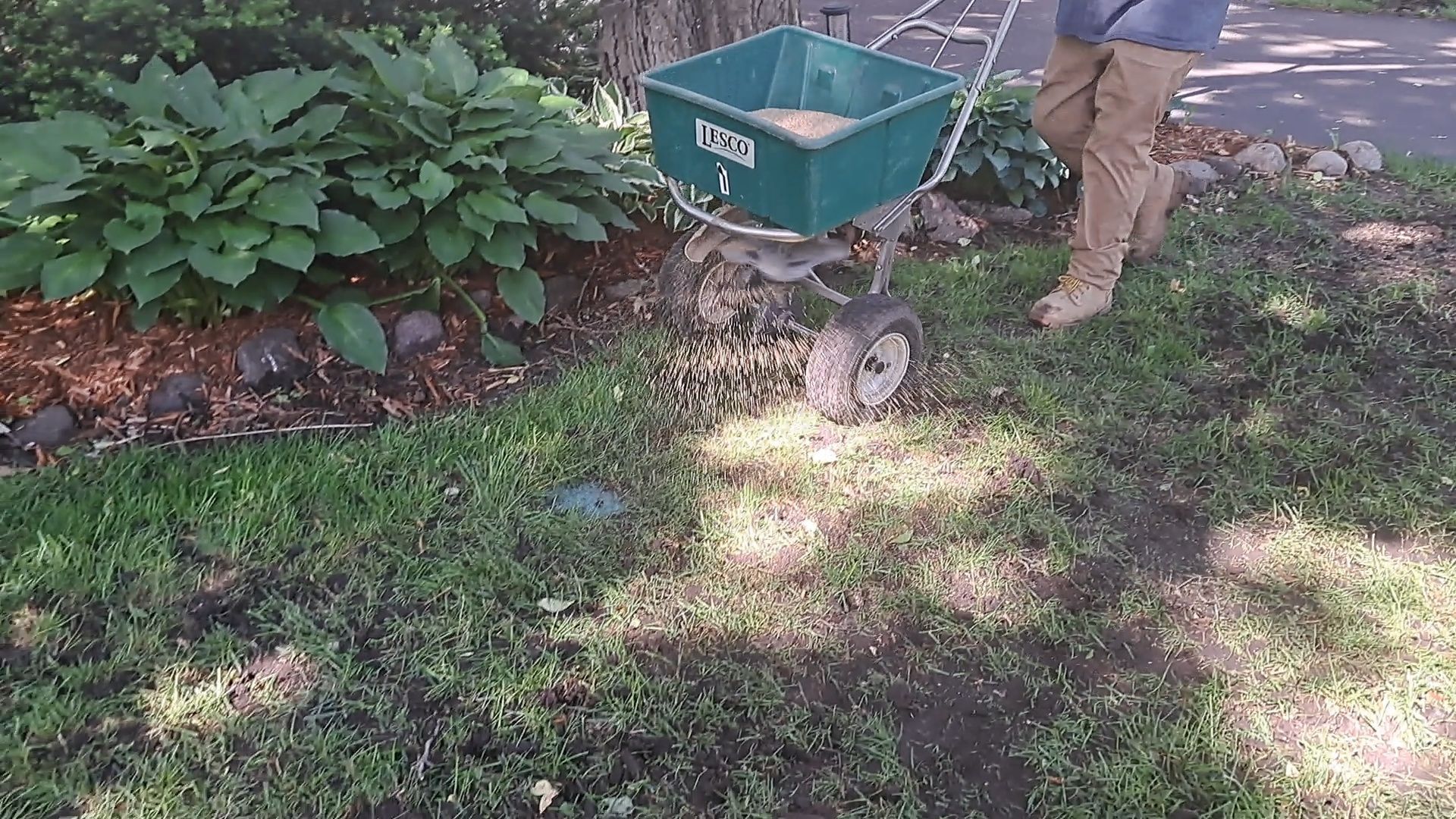
Can you use compost as lawn fertilizer in Minnesota? Learn how compost feeds turf, how to apply it, and where it fits. Get a free quote.
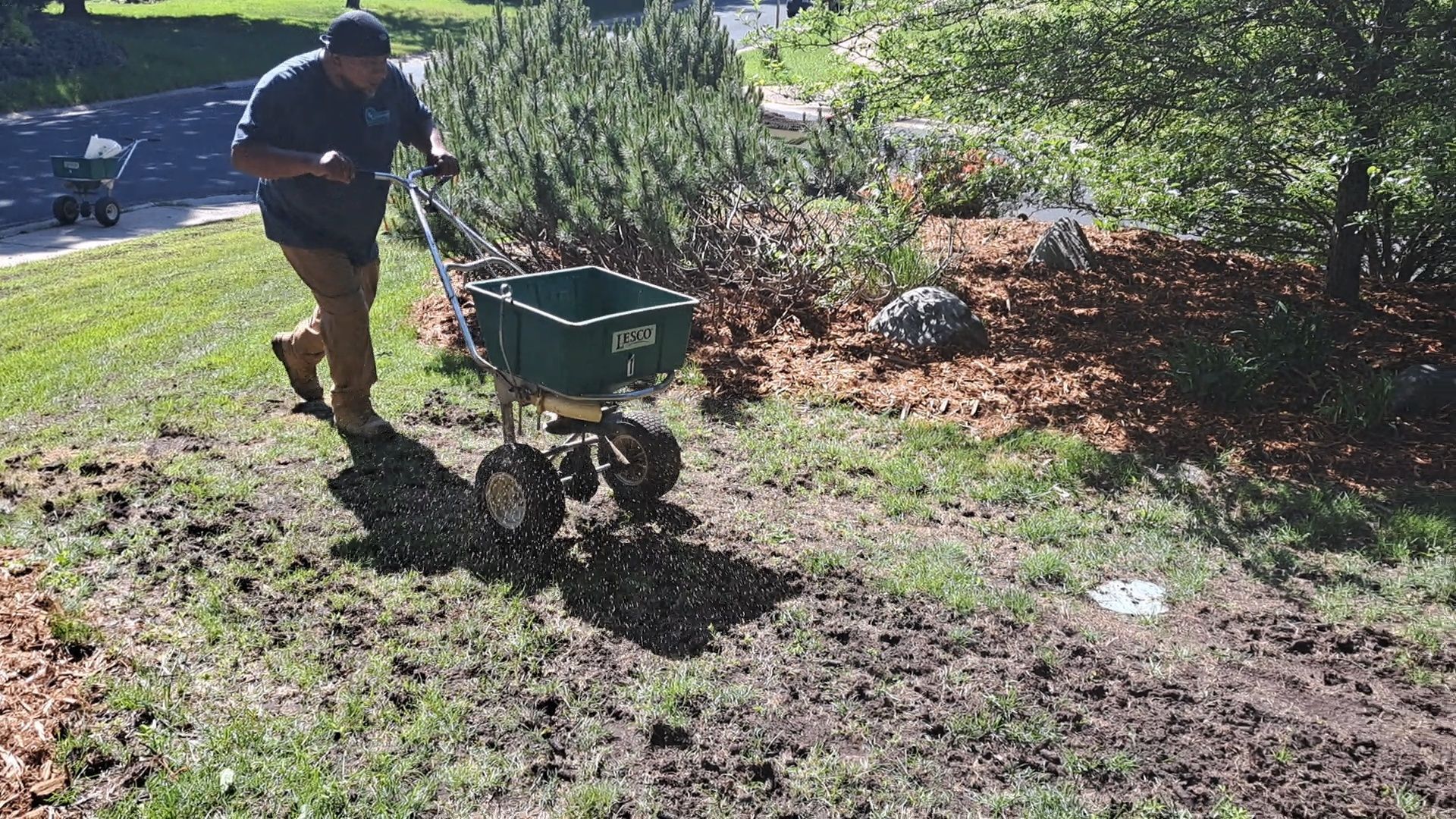
Organic weed control for Minnesota lawns: what works, what doesn't, and how to manage weeds without harsh chemicals. Get a quote.

Keep your lawn and your pets safe. Pet-safe lawn care tips for Minnesota yards, from products to timing. Get a free quote.
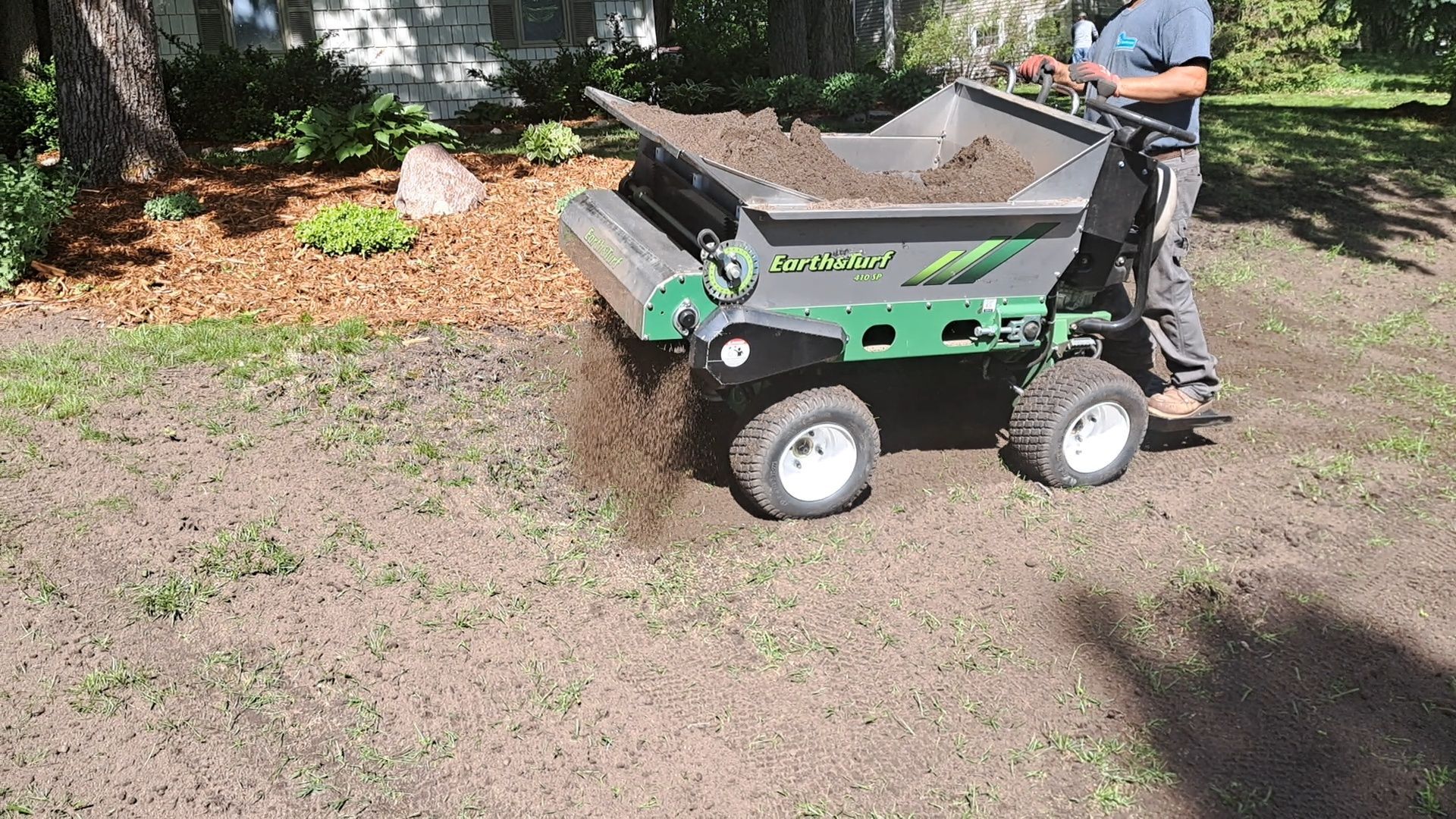
Looking for the best organic lawn fertilizer in Minnesota? See top options, how they feed your turf, and what KG uses. Get a quote.
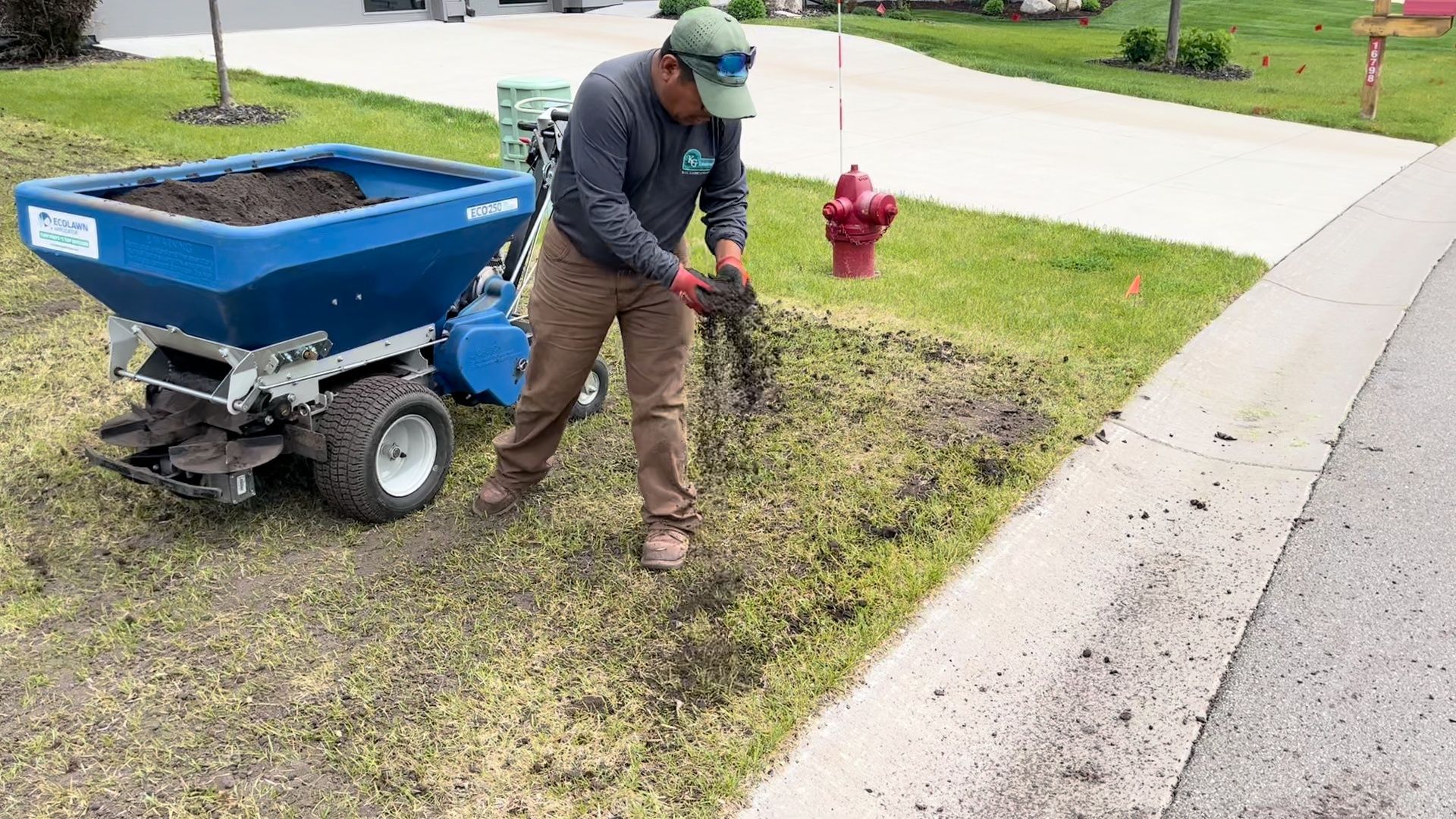
Is compost a fertilizer? Learn what compost does for your Minnesota lawn, how it differs from fertilizer, and when to use it. Get a quote.
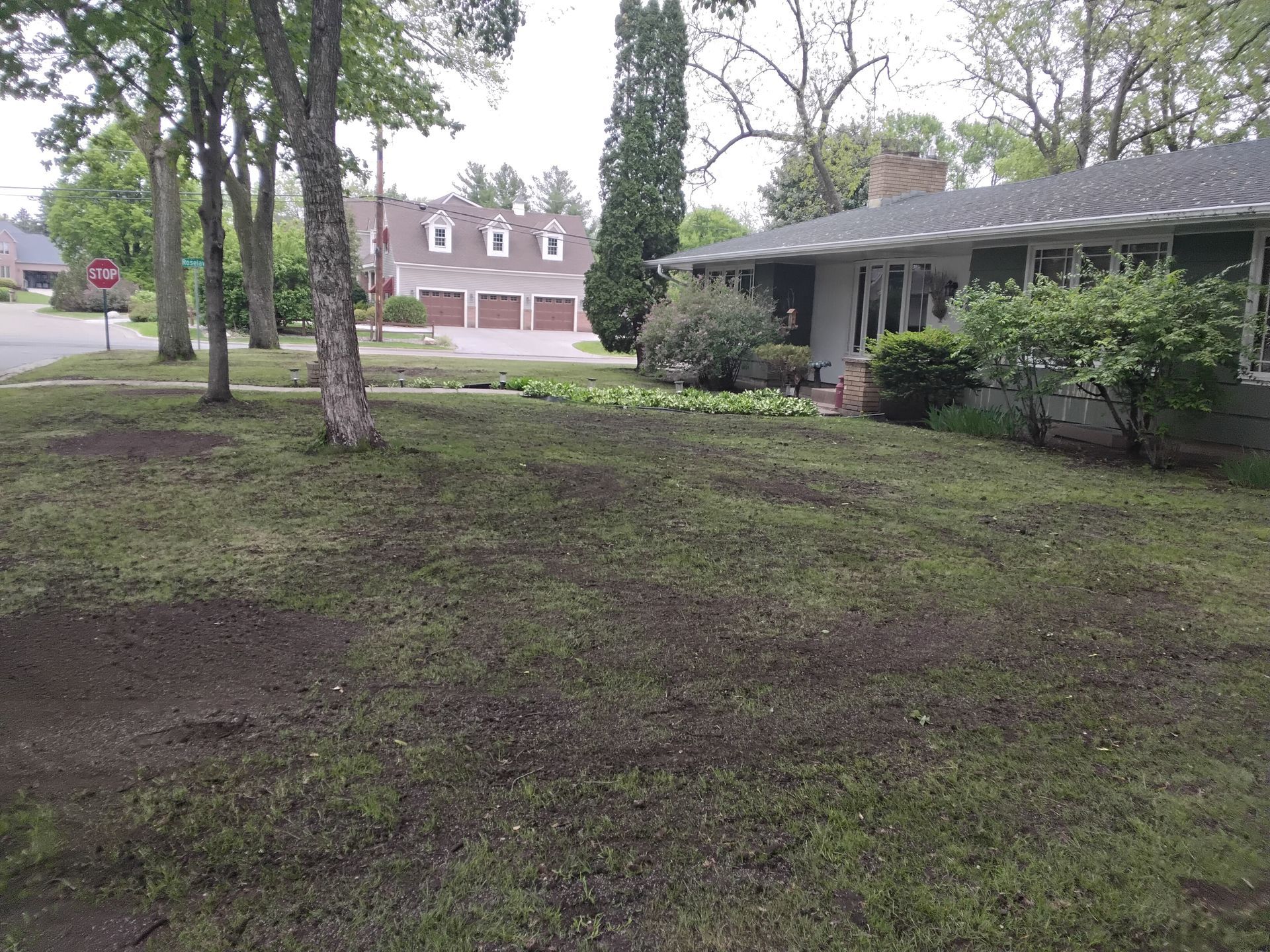
Compost feeds the soil, fertilizer feeds the grass. Learn which your Minnesota lawn needs, when to use each, and how to apply both. Get a quote.
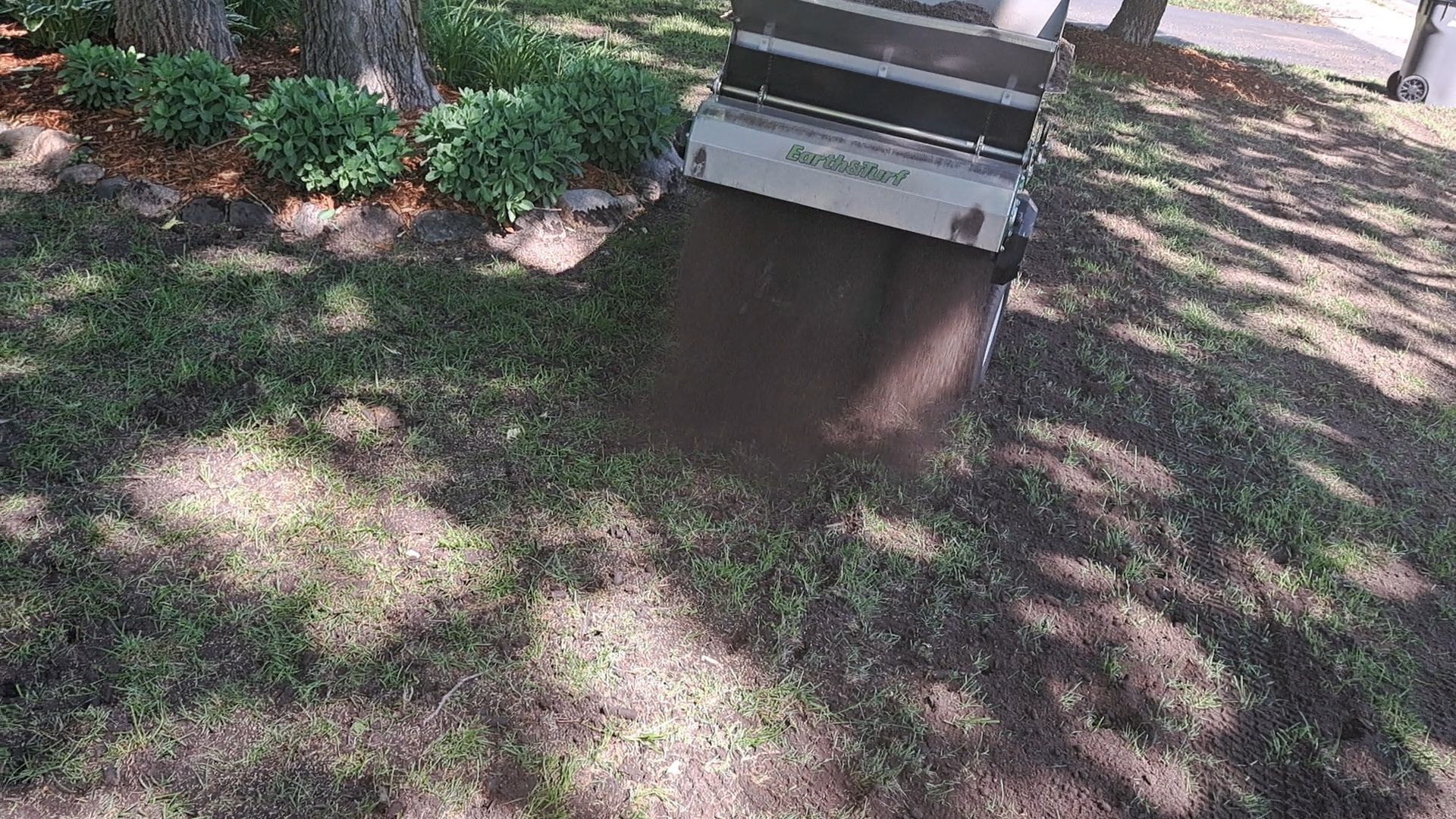
Eco-friendly lawn care tips for Twin Cities yards: cut chemicals, save water, and build healthy soil naturally. Get a free quote.
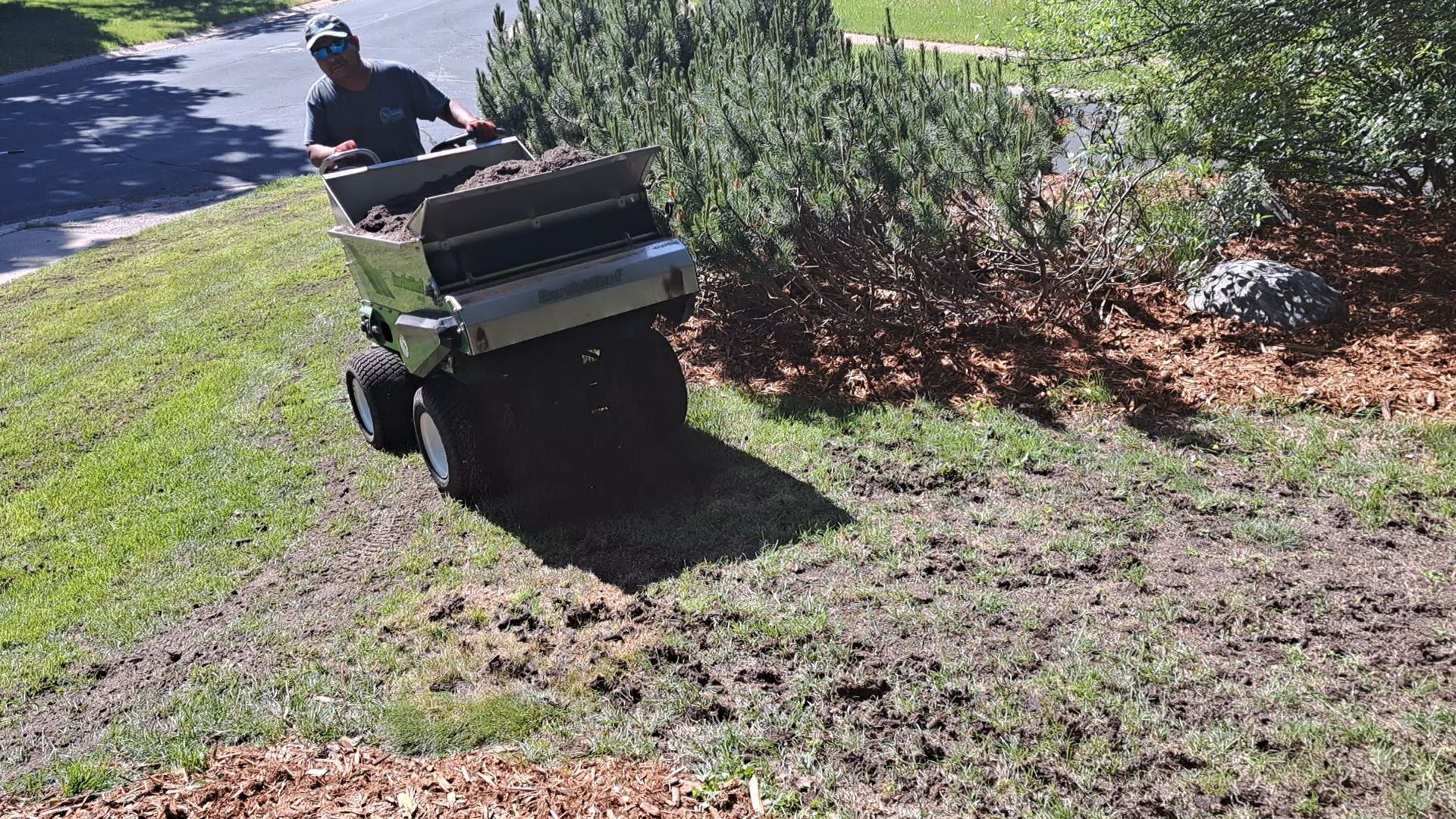
Simple, proven lawn care tips for Minnesota yards: mowing, watering, feeding, and building healthy soil that lasts. Get a free quote.