Curb Appeal Ideas for Craftsman-style Homes
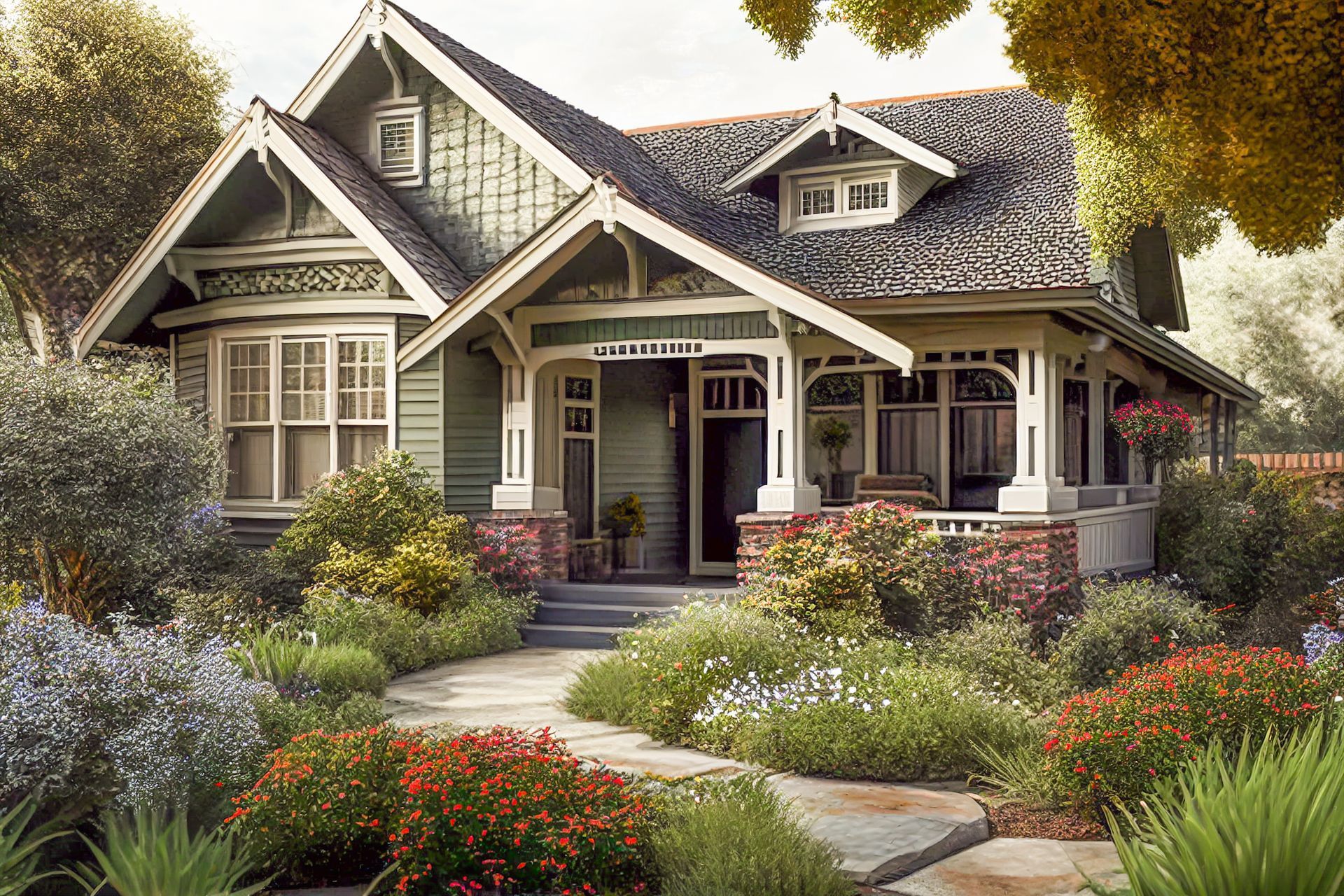
Craftsman-style homes are beautiful feats of architecture that highlight the craftsmanship behind their creation. These homes often feature natural materials that stay exposed to create stunning visuals. Likewise, they're built with humans and families in mind, with simple and open floor plans, porches meant for gathering, and built-in features like window seats.
However, many Craftsman-style houses don't get the attention they deserve because they're hidden behind overgrown plants or have poorly maintained properties. So that's why Craftsman house landscaping makes a significant difference in boosting your home's curb appeal.
Discover six exceptional curb appeal ideas for Craftsman-style homes below and get started transforming your estate into something that catches people's eyes.
Characteristics of Craftsman-style Homes
- Craftsman homes took the world by storm in the early 1900s. Previously, the Victorian home was in fashion. Hence, the Craftsman home became an antithesis of the frills and grandiosity of Victorian homes.
- Gustav Stickley and William Morris are the two pioneers of the Craftsman. They valued craftsmanship instead of mass creation and sought to produce homes that were well crafted, designed with the homeowner in mind, and used materials that were easy to find.
- Instead of the grand Victorian mansion, the Craftsman home was typically a bungalow with intentional construction and strong attention to detail. For example, craftsman homes integrate window seats into the design and show off materials used with exposed beams and rafters.
Craftsman-style homes feature some of the following characteristics:
- Gable roof
- Porch at the front
- Made of natural materials
- Uses exposed materials
- Low shape and a relatively open floor plan
While Craftsman-style homes started as bungalows, today, it's common to see variations in the style with multiple stories that accommodate larger families.
Craftsman houses are beautiful to look at from any angle, but with some Craftsman house landscaping, you can make your home the talk of the neighborhood and get the curb appeal your home deserves.
The 6 Best Curb Appeal Ideas for Craftsman-style Homes
Giving your house more curb appeal with Craftsman house landscaping is an easy way to get your house ready to list for sale and attract more potential buyers. Likewise, curb appeal makes people say "wow" as they walk to your front door or drive by your property.
Use these six tips to boost your Craftsman-style house's curb appeal below and give your home some well-deserved attention.
1. Prune Back Overgrowth
One of the best ways to use Craftsman house landscaping to your advantage is to prune back overgrowth around your property. Pruning your shrubs, trees, and garden keeps everything looking fresh and well-maintained, even if your home dates back to the early 1900s.
Aim for simplicity with your landscaping elements to bring attention to the architecture. If your garden has too much going on, it will distract the eye from looking at the house.
While some well-positioned greenery is a great way to add natural privacy elements to the exterior of your home, try to prune back overgrowth that blocks significant portions of the house to those looking at it from the curb.
2. Add Outdoor Lighting
Add landscape lighting if you want your house to get more attention from those passing by or ringing your doorbell.
Use hanging lanterns on your porch or install spotlights in your garden to brighten up the exterior of your home and put it on display. Another option is to add lights to brighten up pathways and create a dramatic visual that leads to your front door.
Outdoor lighting is a simple change that makes a huge difference to those staring at it from the curb. Not only do lights show off the natural materials and craftsmanship of your home, but they are functional landscaping elements that allow homeowners to use their spaces better.
Whether you're sitting on the porch at night or need to check the mailbox after dark, adding outdoor lighting makes your home visible to anyone that wants to take a peek.
3. Highlight & Compliment Architectural Features
The key to highlighting and complimenting architectural features with landscape design is to create visual balance .
Use landscaping to accentuate architectural features you want to highlight to onlookers. For example, if your house has big windows, don't hide them behind tall bushes. Instead, use small shrubbery to make features on the house look bigger.
Adding colors to your garden that compliment your exterior design is an easy way to create a cohesive look for your estate.
Sequencing is a design element that compliments the beautiful craftsmanship in a Craftsman-style home by adding gradual transitions, various textures, and visual flow.
4. Add Steps and Edges
Boost your home's curb appeal with Craftsman house landscaping by adding some steps and edges.
Steps help create the illusion from the curb that your home is taller. Since many Craftsman homes are bungalows, adding steps to your property gives your home the appearance that it's bigger. Meanwhile, edges around garden beds or walkways help your property look more maintained and cleaner.
Both steps and garden edges are ways of adding more lines to your space that help complement the lines in the architecture. Many Craftsman homes feature columns, so by adding steps and edges, you can balance these vertical lines with horizontal lines for a visually stunning outcome.
5. Create an Emphasis
An amazing way to improve the curb appeal for Craftsman-style homes is to play with scale and create a visual emphasis that knocks people off their feet.
Playing with scale to create an emphasis is one amazing way to boost your home's curb appeal because it invites people's gaze to move from one element to the next for stunning visual flow.
Whether it's an accent tree, a water feature, or a hardscape structure like a gazebo, Craftsman house landscaping helps to add something extra to your property that balances the look of your home. That said, remember to keep things simple and emphasize aspects of your property that don't take away the focus from the architecture.
6. Use Retaining Walls
Retaining walls look exceptional with Craftsman-style homes. A retaining wall is a short-walled-off area that gets filled in with soil to create terraces on your property. You can use retaining walls to extend garden beds for additional planting space or use them to create flatter land to support structures or seating areas.
Craftsman houses are typically bungalows and feature gable roofs with dramatic angles. Using retaining walls for Craftsman house landscaping helps create horizontal lines on your property to produce cohesion between the structure and the landscaping elements.
Moreover, terraces created from retaining walls act similarly to adding steps on your property by elongating the look of your home so it appears larger from a street view.
Get Buyer's Talking About Your Home's Impeccable Curb Appeal
If you're interested in listing your home for sale or want the outside of your home to accentuate architectural features in your Craftsman-style home, Craftsman house landscaping is an exceptional way to boost your home's curb appeal.
At KG Landscape , we specialize in bringing out the value of your home by pampering your property and giving it the care it deserves.
Our team of experts will help you at every stage and ensure you're impressed with the final result. From planning the perfect landscaping elements to precise installation techniques, KG Landscape will give your home get the curb appeal you need so that you can feel proud of your home from every angle.
Ready to Start on Your Next Project?
Call us at (763) 568-7251 or visit our quote page.