
New Hope Snow Removal for Light Industrial and Distribution Sites
Dock aprons, drive aisles and employee walks, open for the first truck.
New Hope Commercial Snow Removal Begins at the Dock
New Hope snow removal on an industrial site gets judged at the dock door, not the front door. A lot can be cleared wall to wall and still fail if the apron at a loading door is drifted in when the first trailer backs up. New Hope commercial snow removal for these properties starts with the places trucks and employees need, in the order they need them.
Our crews have worked commercial snow since 2003, and KG Landscape founder Kent Gliadon has more than two decades of experience running winter operations on business sites in the northern suburbs. Docks, dumpsters, stairs and aprons are all on our walk crews' list, and the plan for your site is written before winter from our commercial snow program.
New Hope's Two-Inch Snow Emergency and the 12-Hour Walk Rule
New Hope doesn't wait for an announcement. On its snow removal page, the city explains that a snowfall of two inches or more triggers a snow emergency automatically. Cars can't stay on city streets until crews have cleared each one from one curb to the other, and parking from 2 to 6 a.m. is off limits all year.
Walks belong to the owner, and they come with a deadline. In its December 2025 winter reminders, the city says residents and business owners must clear snow and ice from the sidewalks next to their property within 12 hours of a snowfall. It also bars pushing snow onto a street or across it.
New Hope has a real industrial base. A 2023 city economic development report counted about 480 commercial, industrial and service businesses and about 10,969 jobs, and it refers to two primary industrial areas. If your building sits in one of them, here's how we work the lot.
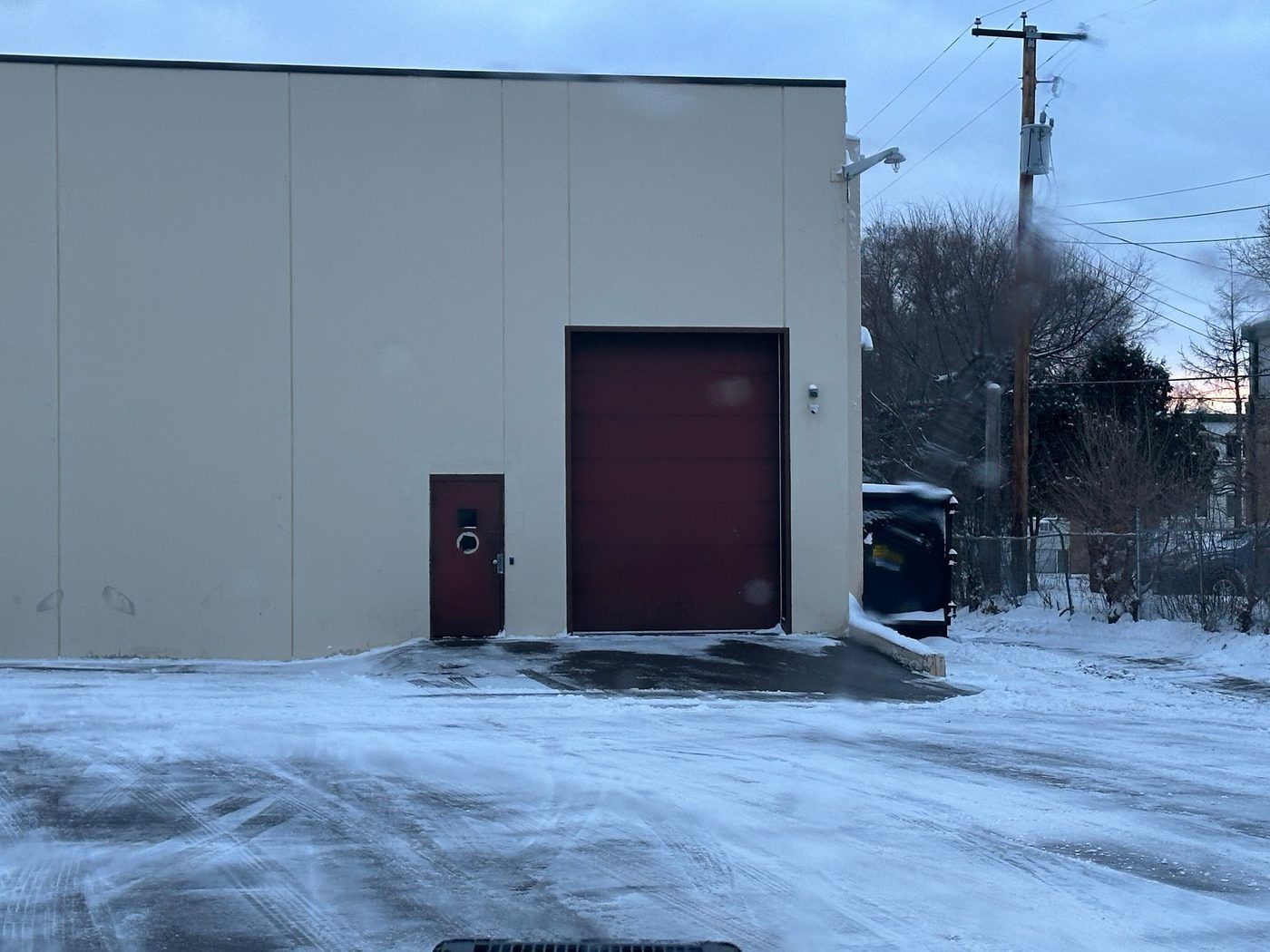 A loading door with the pavement in front of it cleared.
Clearing a New Hope Industrial Lot in the Order Trucks Use It
Dock doors and the apron in front of them
The concrete apron at a loading door collects drifts off the building and slush from every truck. It gets cleared early, down to pavement, so a driver can line up and back in without spinning tires. Skid loaders handle the tight space beside the door, where a truck-mounted blade can't square up to the wall.
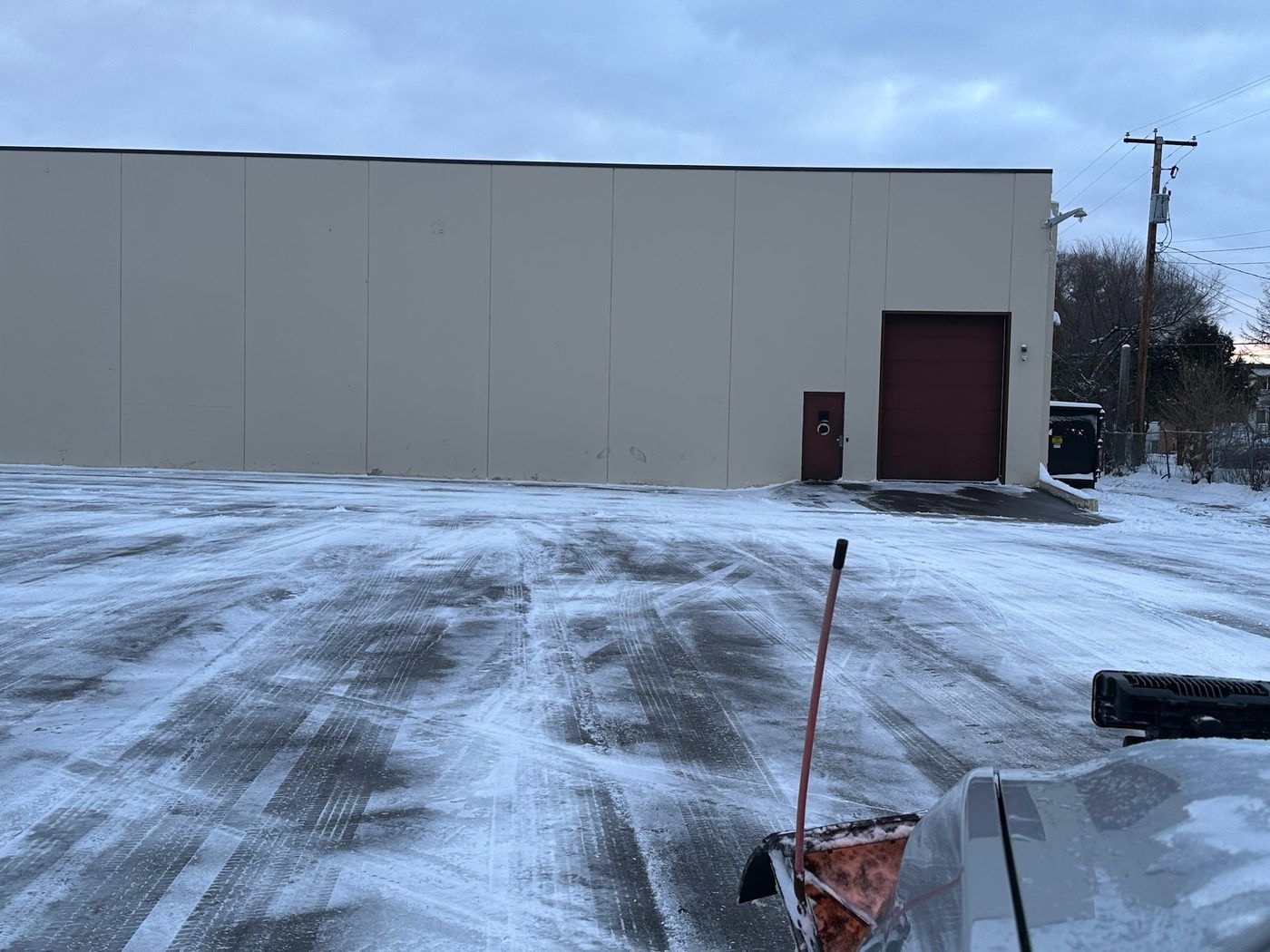 A drive along a tan building after a plow pass.
Drive aisles cleared to their full width
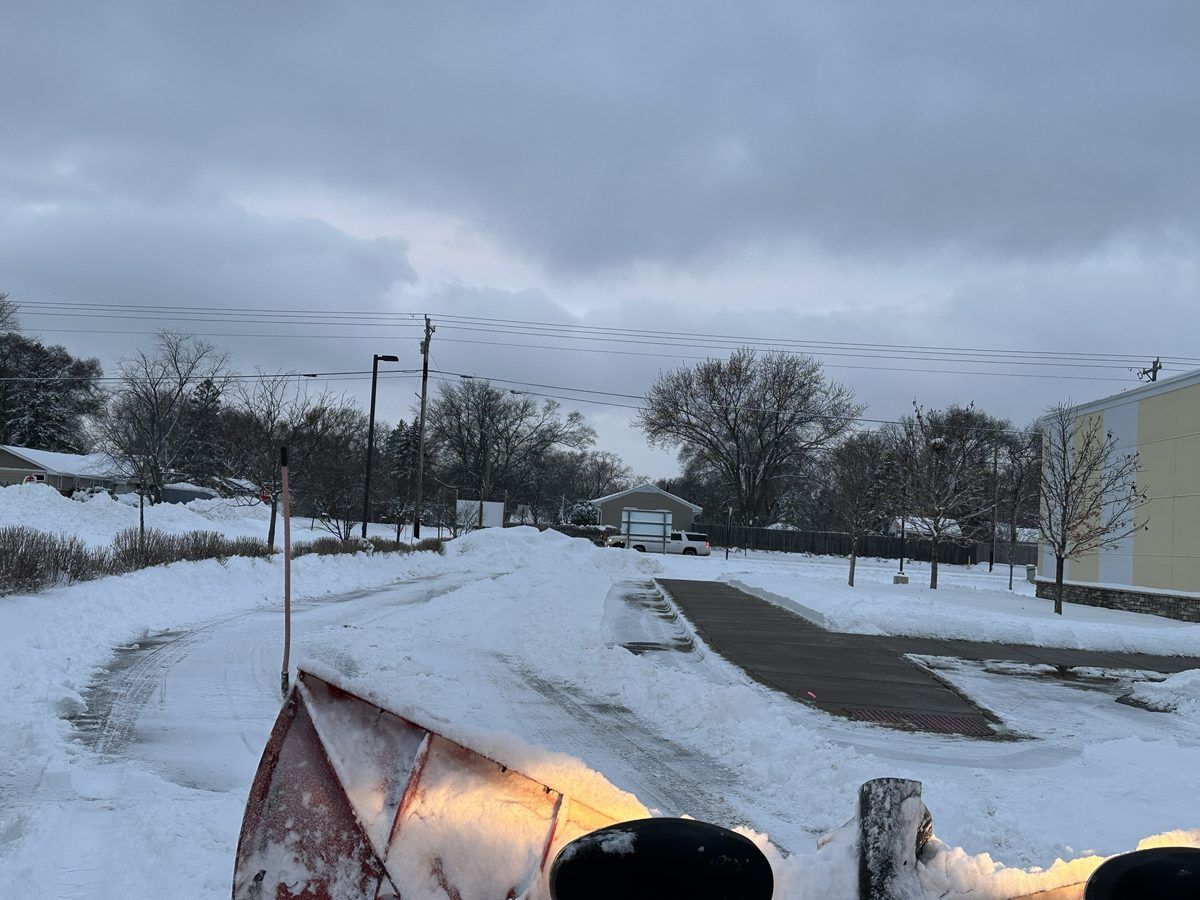
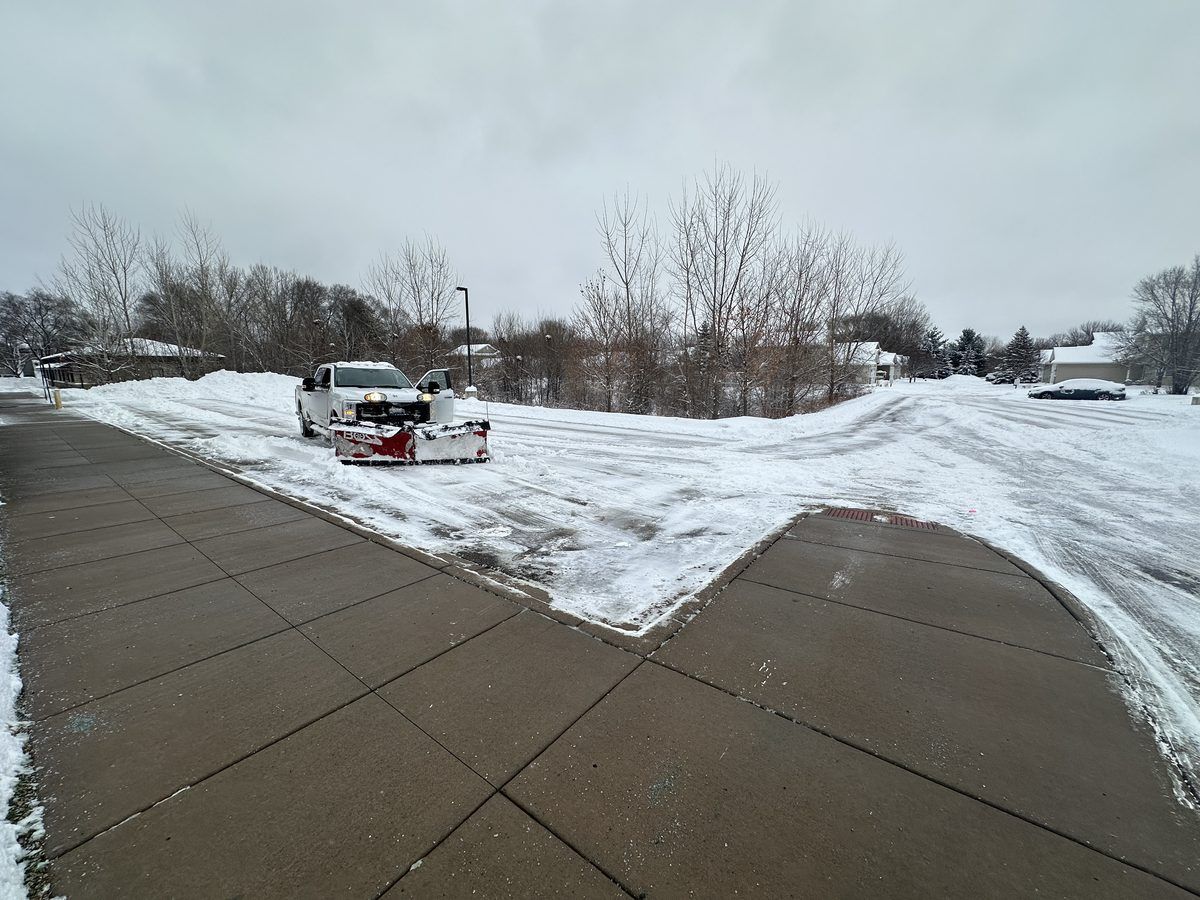
A semi needs room to swing. Aisles narrowed by plow piles force drivers into tight turns, and that's when curbs, light poles and parked cars get hit. When we plow your site, snow goes back to the edges and into stacking spots we agree on before winter, never onto the inside of a turn.
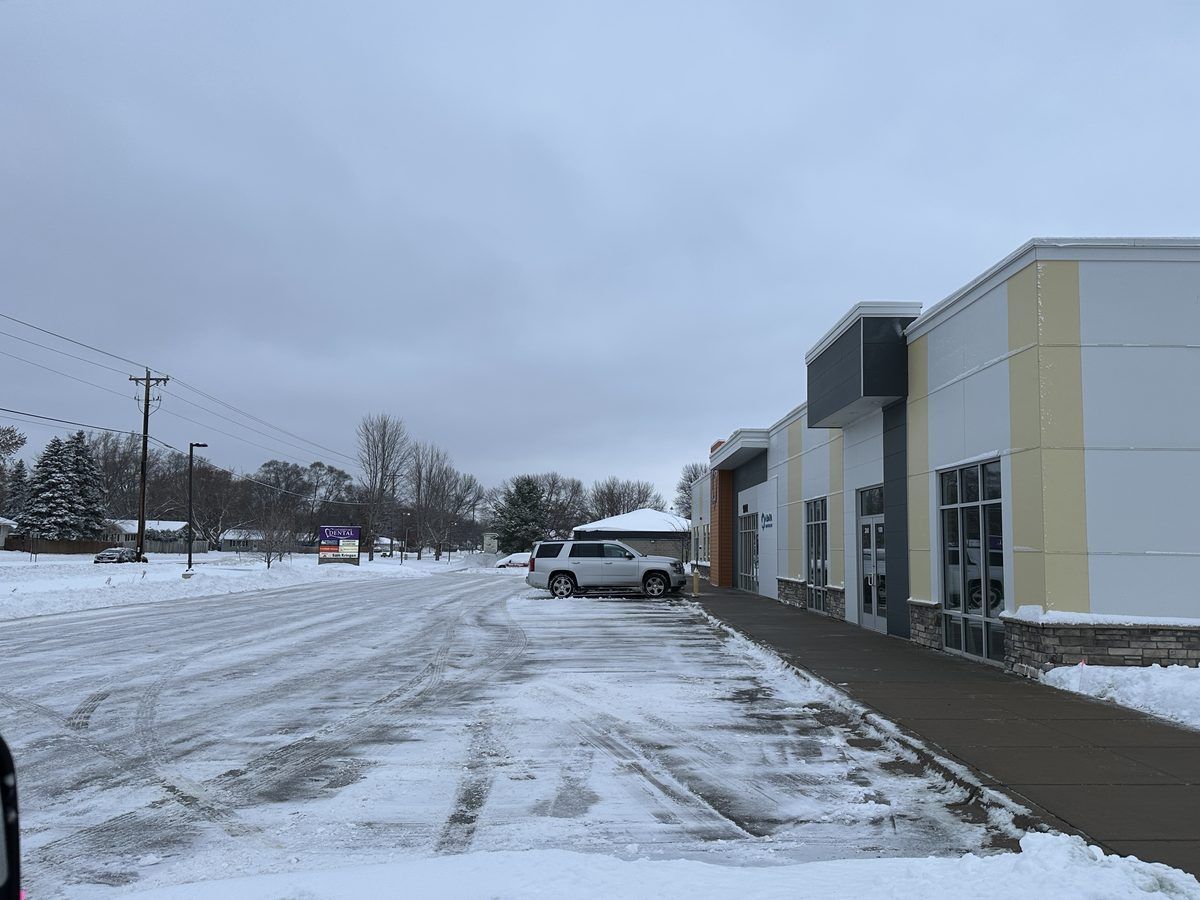
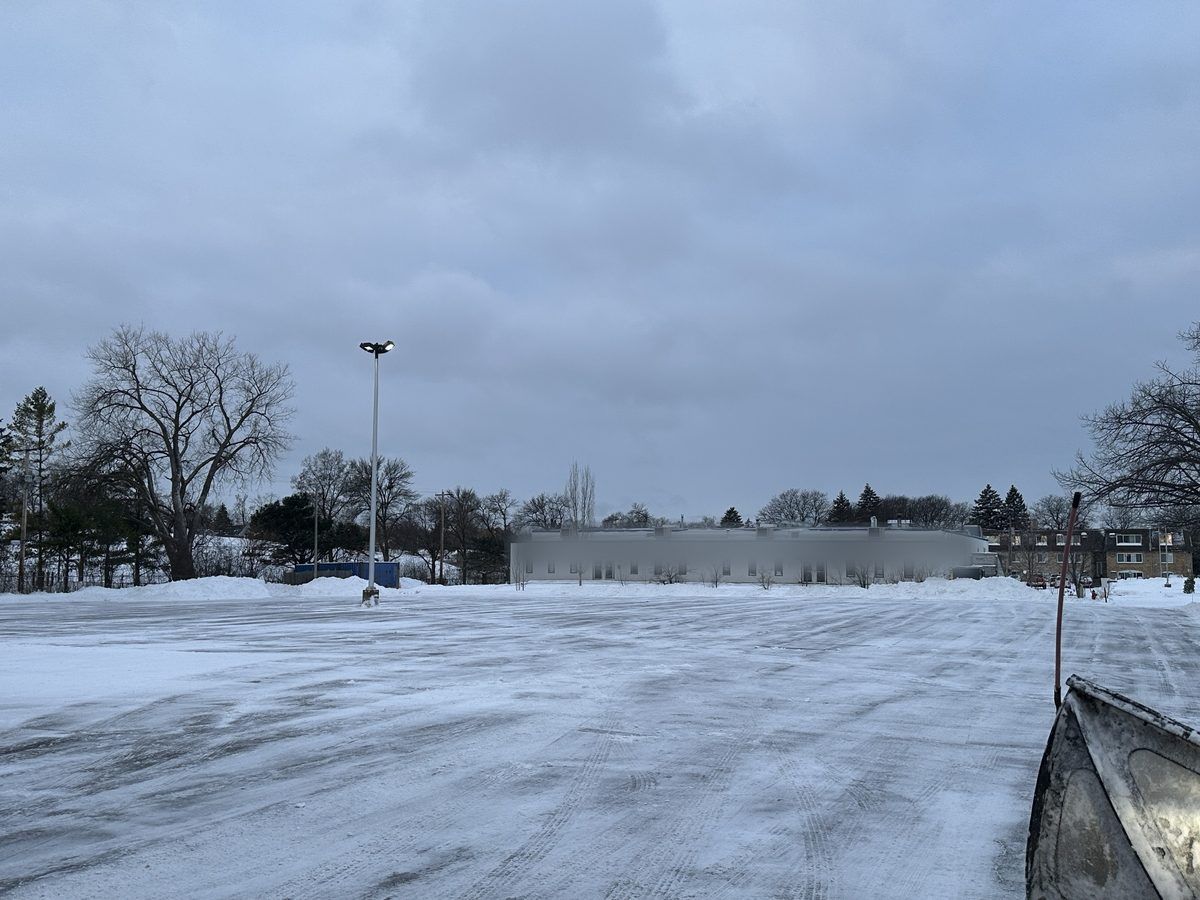
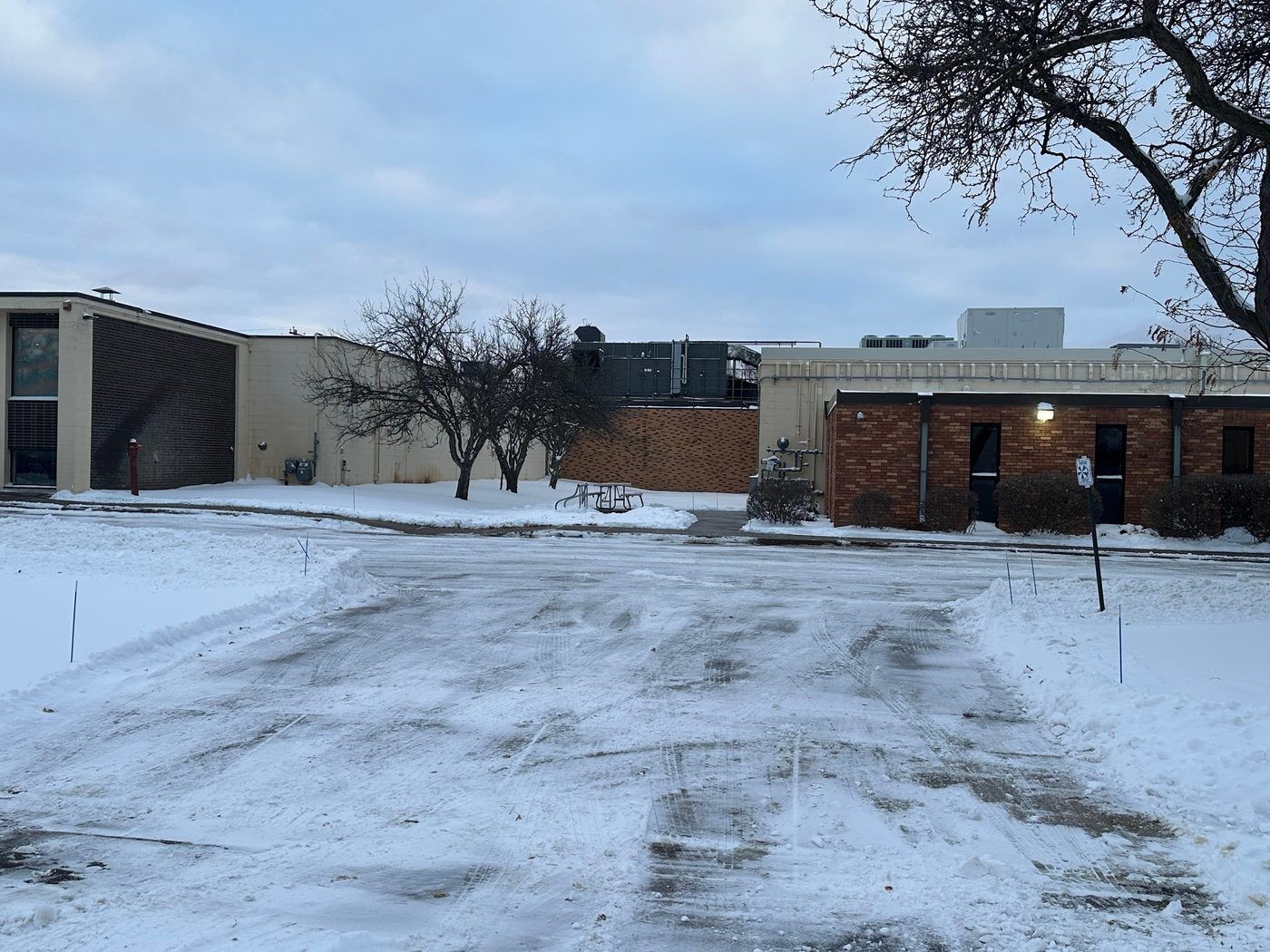 A plowed lot in front of a low commercial building.
Where staff park, and how they get indoors
Employee parking often sits apart from the truck court, with its own entrance. Those parking stalls and the walk to the door are handled by a separate crew with blowers and shovels, so the walk isn't waiting on the plow. It's treated as soon as it's clear, before the shift arrives.
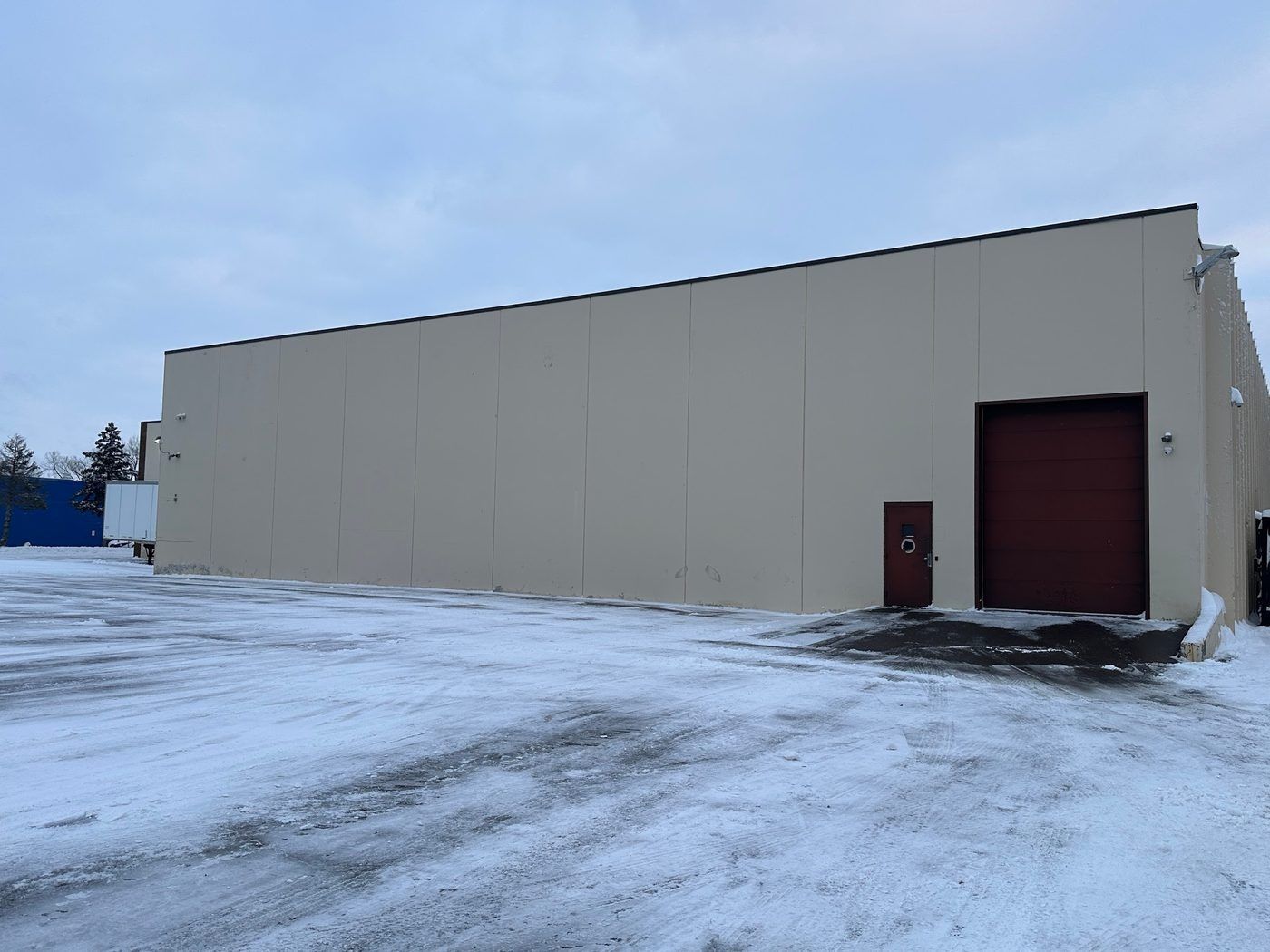 The side of a tan building with the pavement plowed.
Side walls plowed tight so drifts don't build
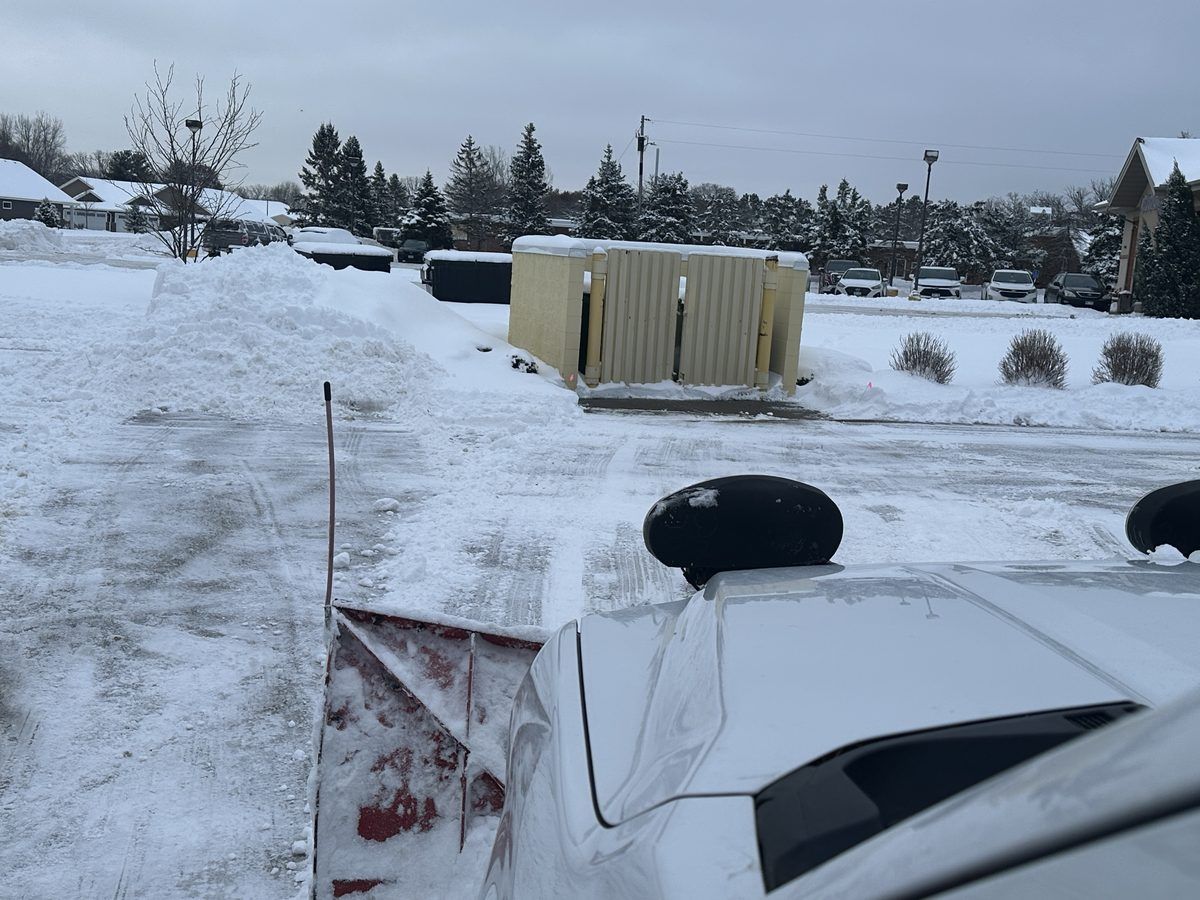
Snow left against a long wall turns into a drift every windy night, and in a thaw it melts toward the foundation. We plow close to the walls on each visit and clear behind dumpsters and along the back of the building, the spots that are easy to skip because nobody sees them from the road.
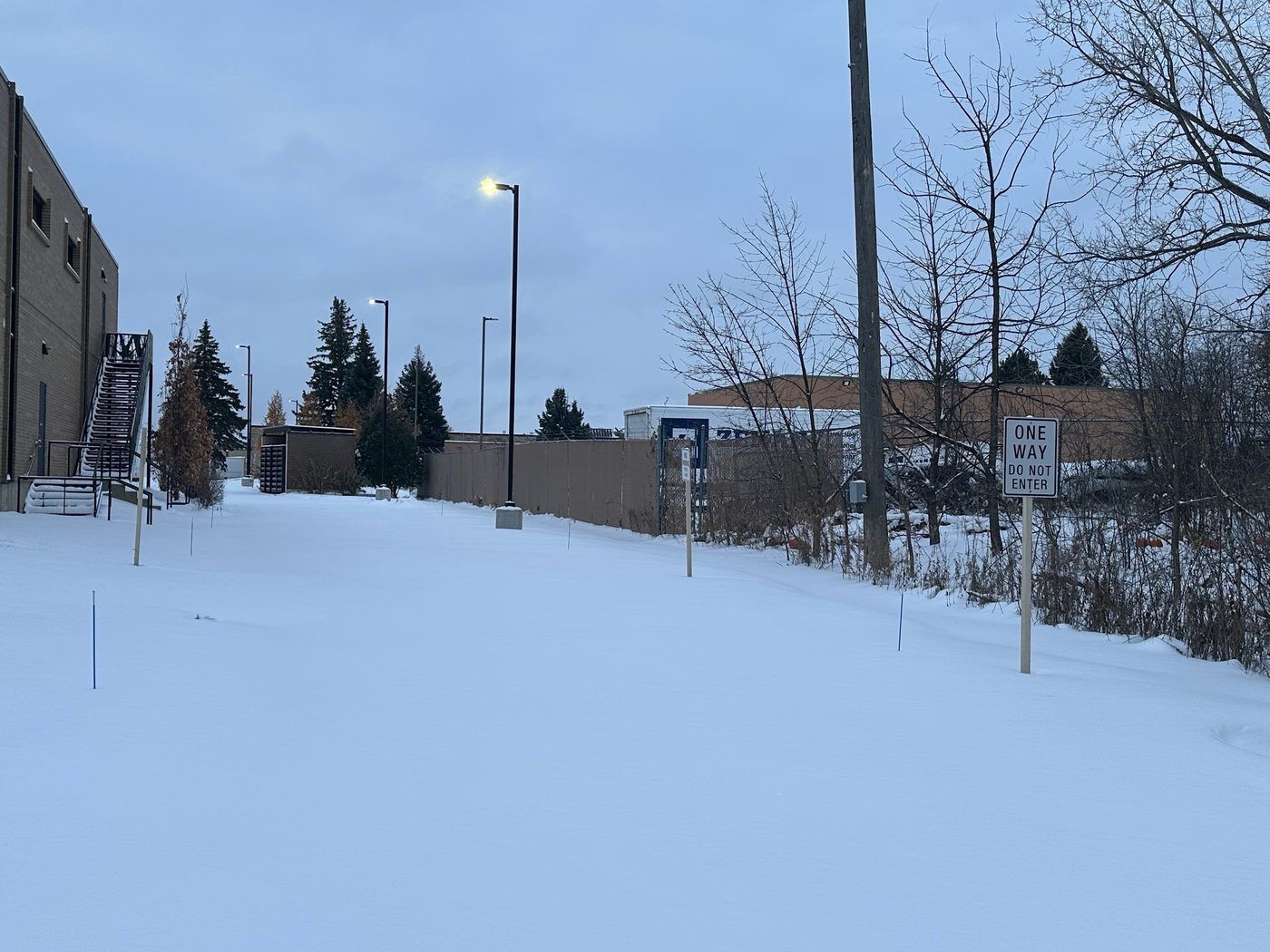 A snow-covered lot beside a building, before plowing.
An untouched lot before the first pass
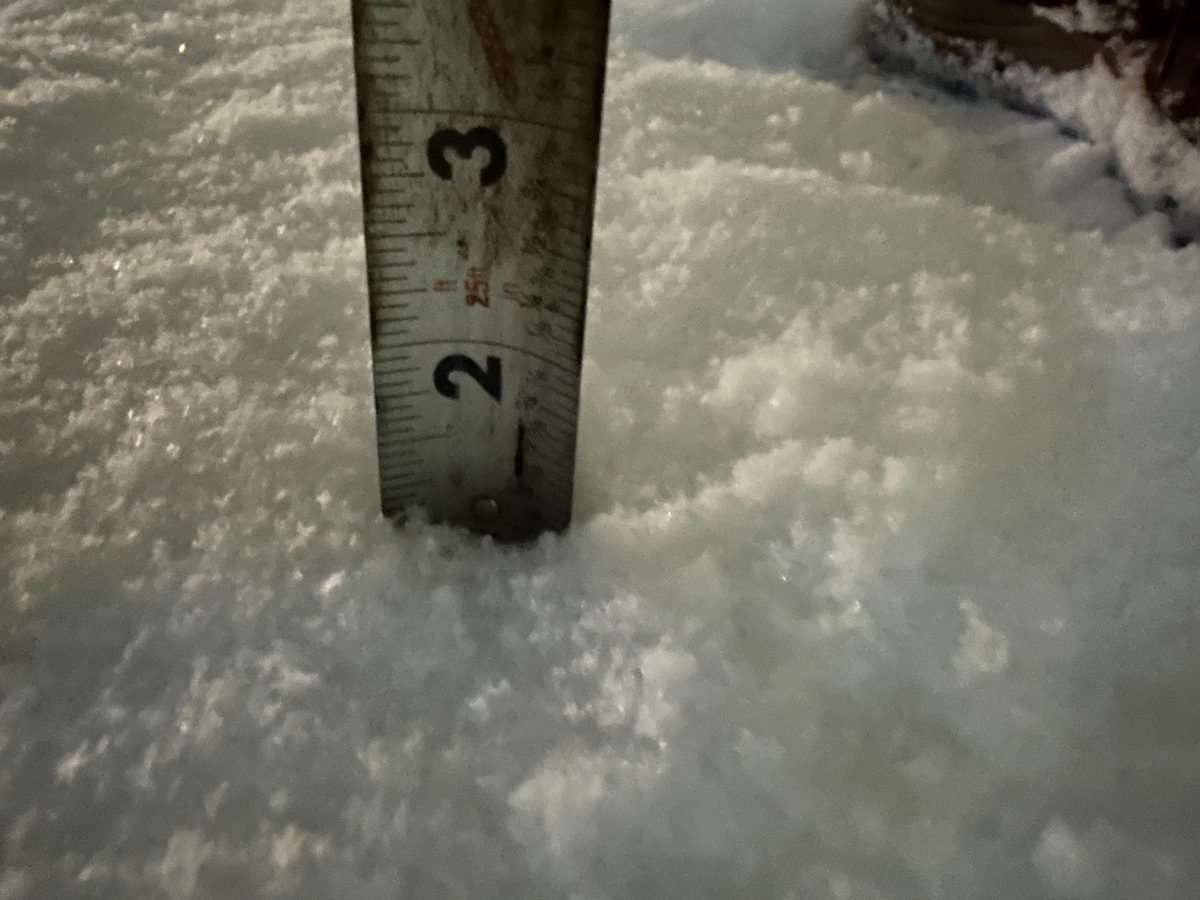
This is what a lot looks like before the first pass. Most industrial sites can't wait for daylight, so the crew deploys as soon as snowfall hits your trigger. Once the surface is clear, salt goes down on aisles, aprons and walks, and when the cold slows salt down, sand is added for grip. Here's how we choose between salt, sand and brine.
New Hope Snow Removal Plans Matched to Your Receiving Schedule
On the pre-season site visit, we mark the docks, overhead doors, employee entrances, dumpster pads and the corners where snow can sit without blocking a turn. Tell us when your first trucks arrive and when your shifts start, and the route is built around those times. Your trigger is set at either 1 inch or 2. Every area on the plan is done by the 12-hour mark after the snow lets up, and your account manager is the person you call. When piles start eating the lot by February, we can stack them higher or haul them off. A flat monthly fee is among the package options, and the complete scope lives on our commercial snow page.
Snow Work for Docks, Yards and Plant Lots
Build the plan from the pieces your site uses; each dock and door is listed.
Reading for Industrial Property Managers
How an office park gets cleared before dawn lays out a priority order that puts dock access in the first tier. What big properties need from their winter crew covers equipment, hauling and salt on big sites. And our guide to clearing commercial parking lots explains the basics.
New Hope Snow Removal for Stores, Offices and Care Facilities
New Hope's commercial mix goes beyond its industrial areas. A store needs its front walk and stalls usable from opening to close, which means touch-ups while customers come and go. An office can be finished overnight while its lot is empty. A care facility has residents and visitors who can't risk a fall, so its walks and entrances are treated early and checked again. Owners of shopping centers can read about retail center snow service in Roseville. New Hope's 12-hour walk deadline and its street parking ban apply to them as well.
What New Hope Plant and Warehouse Managers Ask
How soon do I have to clear the sidewalk next to my New Hope building?
Within 12 hours of a snowfall. The city expects residents and business owners alike to clear the sidewalks beside their property in that time. For an industrial site with frontage on a busy road, the public walk can be long and easy to forget while everyone is focused on the docks. We put it on the opening pass of every visit, treat it once it's clear and note it in the service record, so the walk meets the city's deadline even when the storm wraps up overnight.
What happens during a New Hope snow emergency?
A snowfall of two inches or more starts one automatically; the city doesn't have to declare it. Street parking stops until a street is cleared from curb to curb, and cars left there can be tagged and hauled away. Trailers, employee cars or visitor vehicles that normally use the street need room on your property instead. We sort that out before winter, so the plan keeps room on your lot to absorb the overflow during the storm.
Can trucks still back into our dock while it's snowing?
Yes, if the plan is built for it. During a long snowfall, crews don't wait for the last flake. It returns to the docks and main aisles every few inches, keeping the aprons open and the turning paths clear, then does a full cleanup once the snowfall ends. Tell us your delivery and pickup windows at the walkthrough. During a storm, those windows decide when the crew is at your docks, so the first truck of the day isn't the one that finds the drift.
Can we push lot snow into the street in New Hope?
No. The city's winter reminders say snow can't be shoveled or plowed into a street, across one or onto a neighbor's property, and its snow page bars depositing snow on a sidewalk, roadway or fire hydrant. On an industrial lot, that means every pile has to stay on site or get trucked away. We map stacking areas before winter, away from turning paths and sight lines, and when the piles outgrow them, loaders stack higher or the snow is hauled off the property.
Which machines work an industrial lot?
It depends on the site, and the walkthrough settles the mix. Open aisles and truck courts take plow trucks with straight or V-shaped blades. Skid loaders handle docks, tight corners and stacking, and large snow buckets move piles when room runs short. Walks, stairs and doors get blowers and shovels, and salt spreaders treat the pavement afterward. Having more than one kind of machine on a site means no corner is left behind just because a truck couldn't fit into it.
Plan Your New Hope Site Walk Before Winter
If your building sits near Winnetka Avenue or Highway 169, let's walk the docks, doors and walks together before snow arrives. Dial (763) 568-7251 for a site visit, or reach us online, and find our other snow and ice services.
Other Service Areas