
Spring Lake Park Snow Removal for Fleet and Shop Lots
Truck parking, bay doors and employee stalls, cleared around the vehicles that have to stay on your lot.
Work Trucks, Trailers and Spring Lake Park Snow Removal
A contractor shop or fleet yard fills up overnight. Pickups, service vans, trailers and equipment all sit on the lot, and in the morning they all need to get out at once. For a yard like that, commercial snow removal is about working around parked vehicles, keeping the bay doors and turning room clear, and leaving the drive lanes open for the first trucks heading out.
We have handled commercial snow in the Twin Cities since 2003. Before winter, we walk your yard, note where every vehicle and trailer usually sits, and write a plan from our business snow and salt services.
Where Your Trucks Go During Spring Lake Park's 2 to 8 a.m. Ban
Spring Lake Park's Public Works page says city streets are closed to parking from 2 to 8 a.m. unless signs allow it. After a snowfall of 3 inches or more within 48 hours, street parking is off until each street is plowed its full width. The city has also named some streets as Priority Snow Plow Routes, which the city says "may be plowed first or more often" in a major storm.
For a shop or yard, that means trucks, trailers and employee cars usually can't park on the street overnight. The lot has to hold them all, and the snow plan has to fit around them.
The city's Police Department tows vehicles that break these rules. Streets are plowed in whatever order is most efficient, so neighboring streets tend to be done one after another, and the side street by your shop may wait while the priority routes come first.
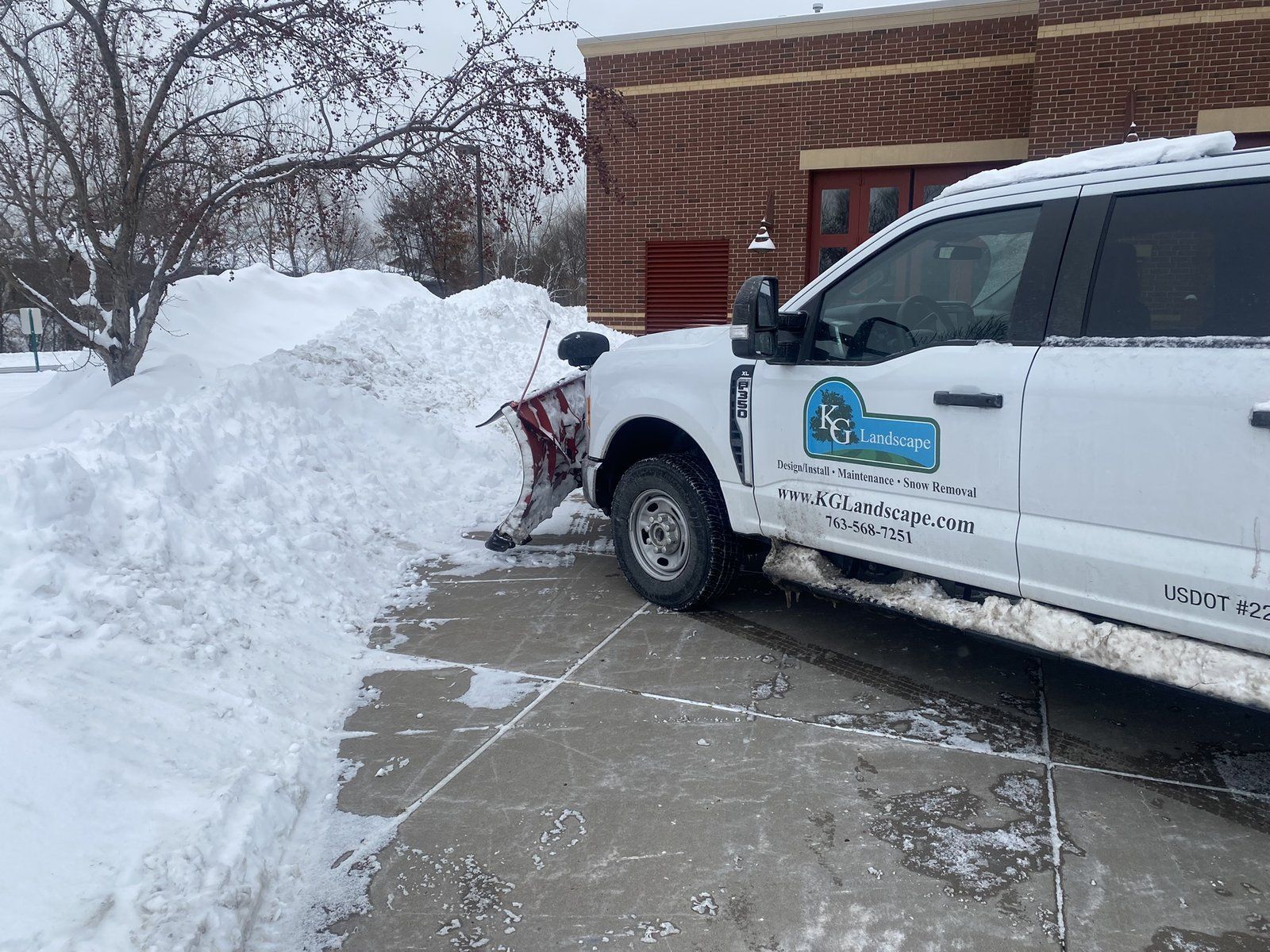
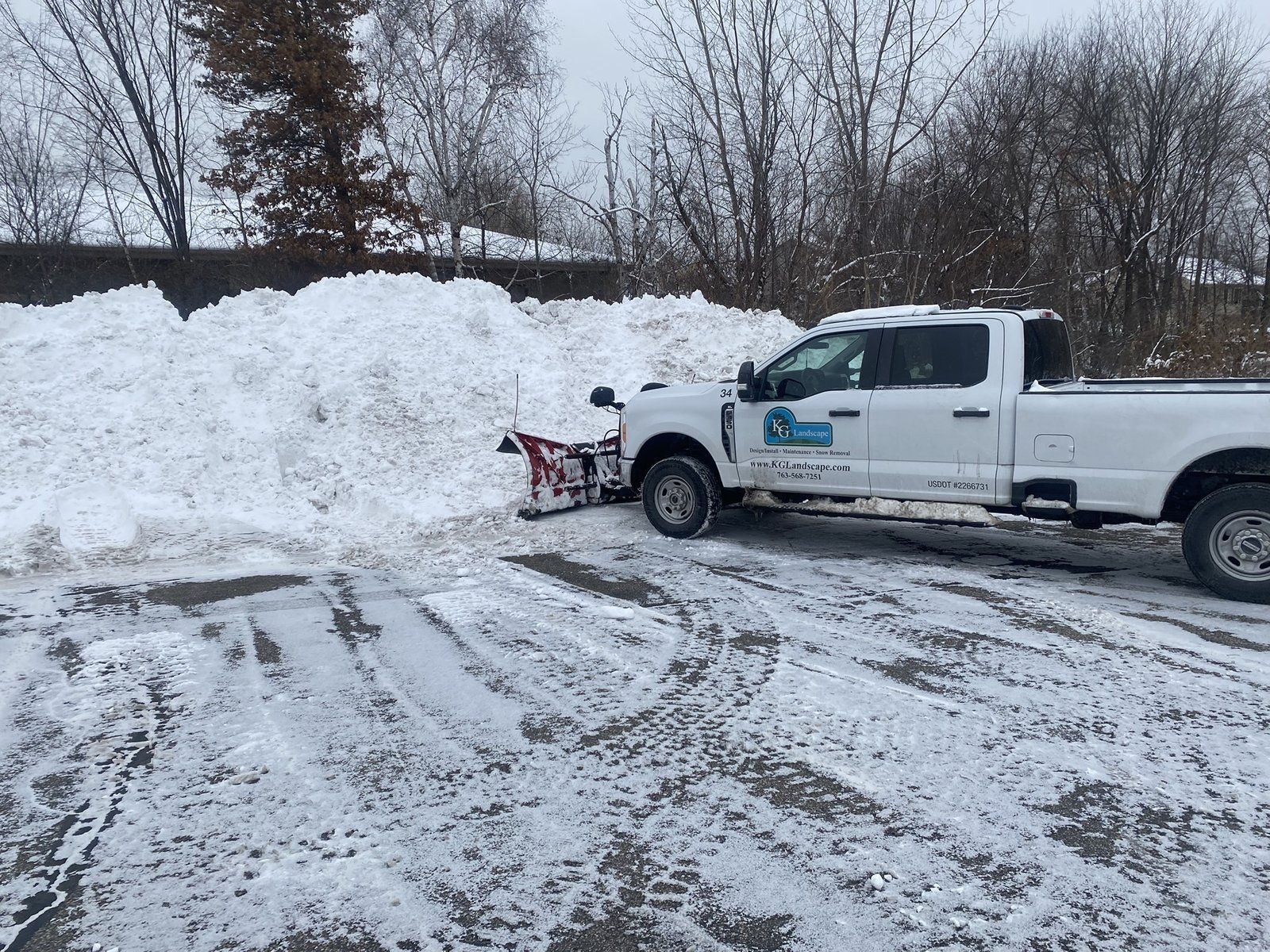 Our plow truck shoving snow up onto a tall bank beside a lot.
Shop and Fleet Lots, Drive Lanes First
Pushing back the pile so trucks can turn
A box truck or a pickup with a trailer needs room to swing. When piles creep in from the edges, that room disappears, so our trucks push them back and up during each visit. If a pile gets too big for the yard, we build it taller or truck it away.
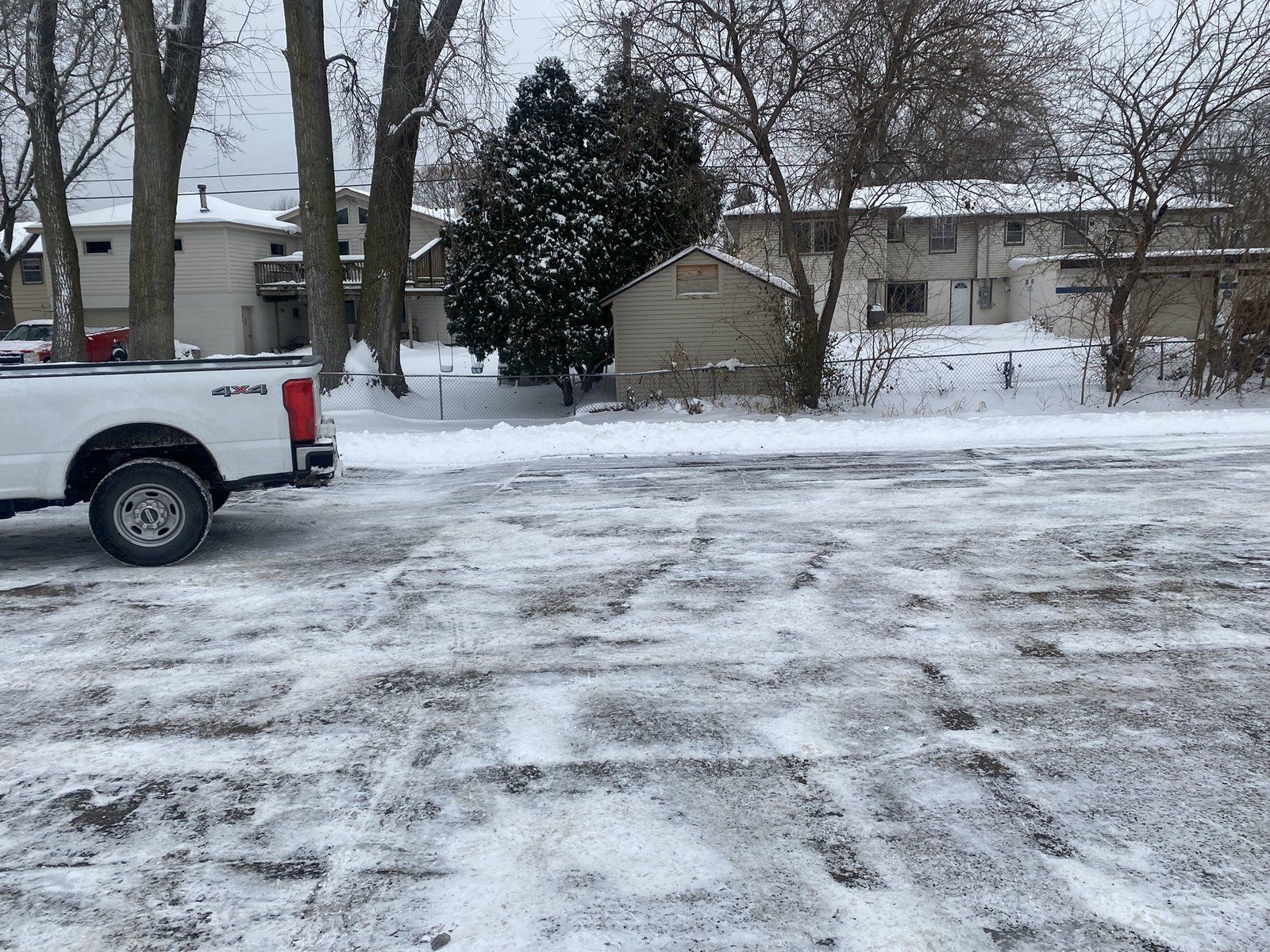
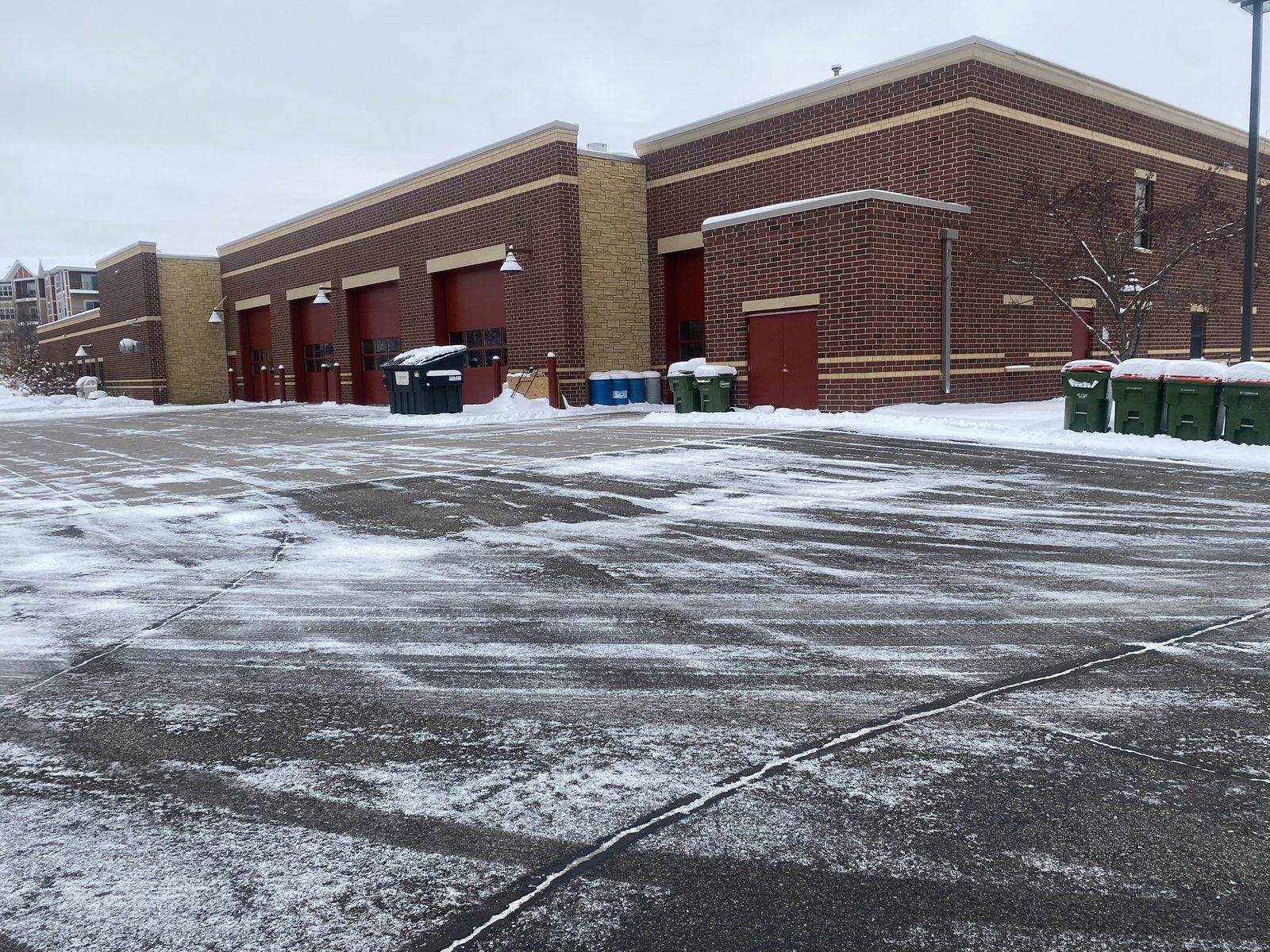 Cleared pavement outside a brick shop with several garage doors.
Truck turning room by the bays
Overhead doors are useless if the pavement outside them is buried. We clear in front of every bay and leave enough open pavement for a vehicle to back in or pull out without hitting a pile. The plan notes which doors your crew opens earliest. Melt from a pile placed too close to a bay can run back toward the door and refreezes at the threshold, so bay piles go farther out.
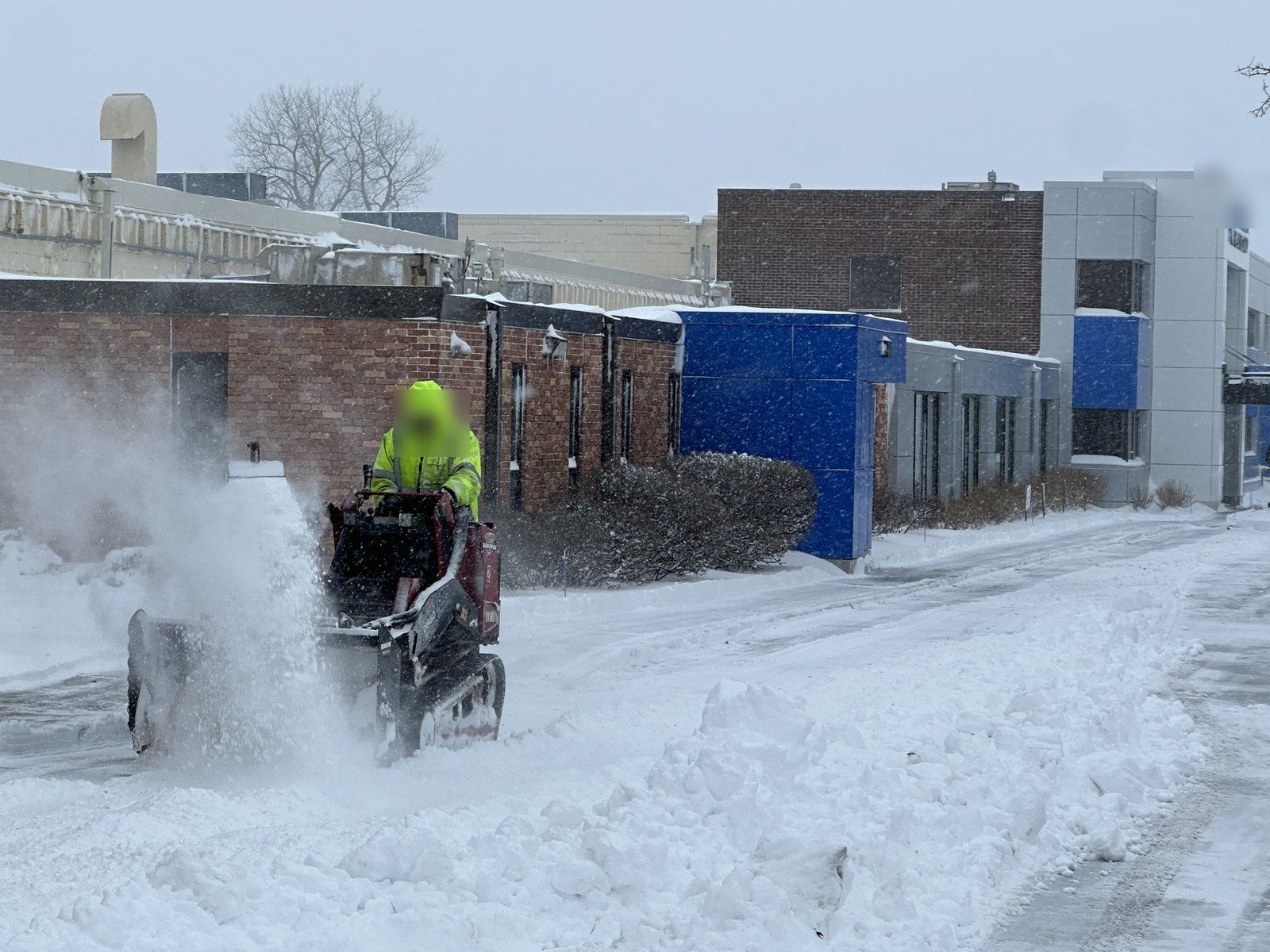
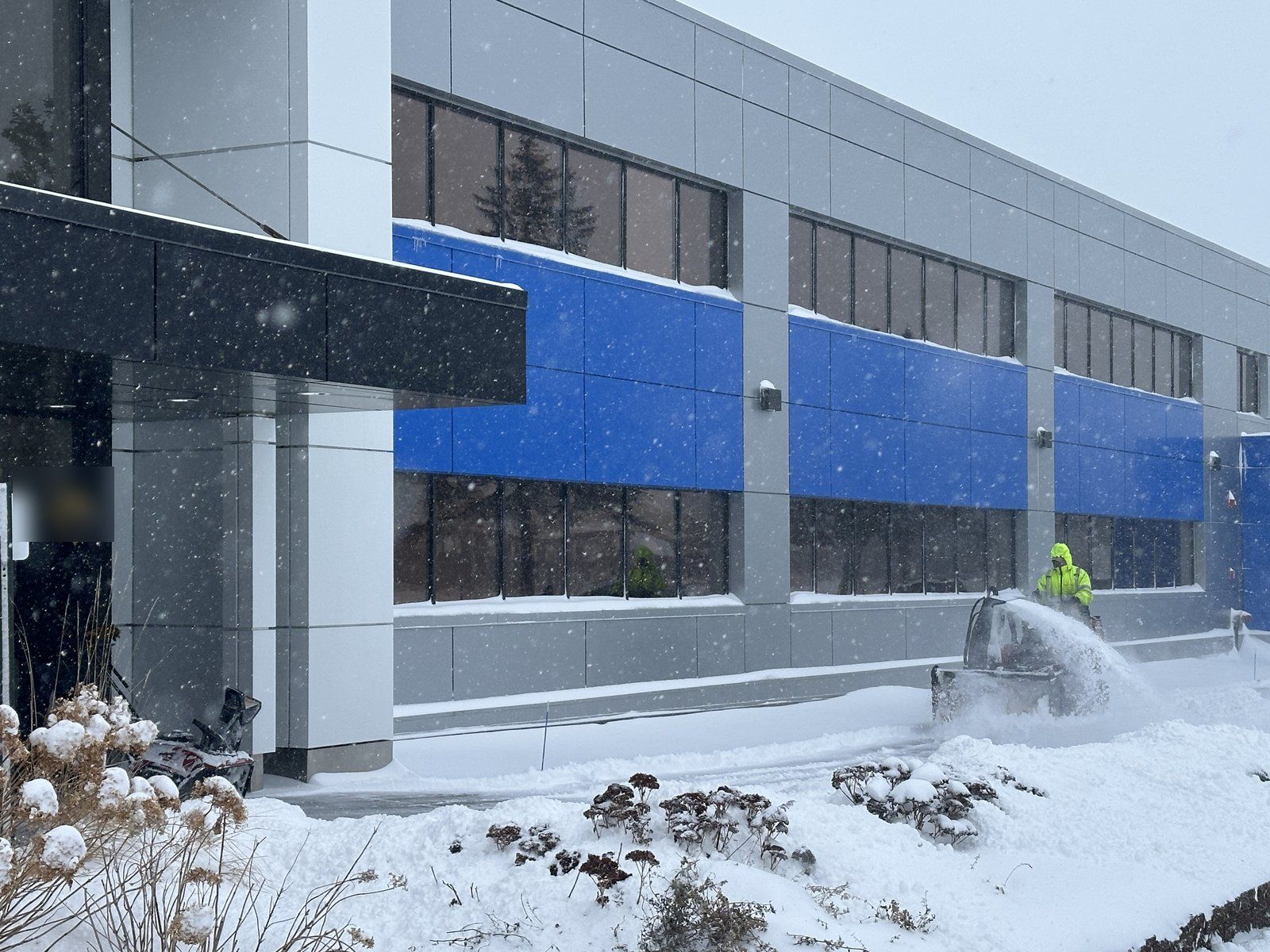 A crew snow blowing the walk by an office entry.
The front office entrance
Even a busy yard has a front door for customers, vendors and the office staff. That walk is cleared and treated on every visit, so visitors don't have to cross the yard to find a clear path in. Salt helps keep the walk from glazing over if the temperature drops after the crew leaves. Customers and vendors may not know the yard, and a clear, salted walk is often the best sign of where to go in.
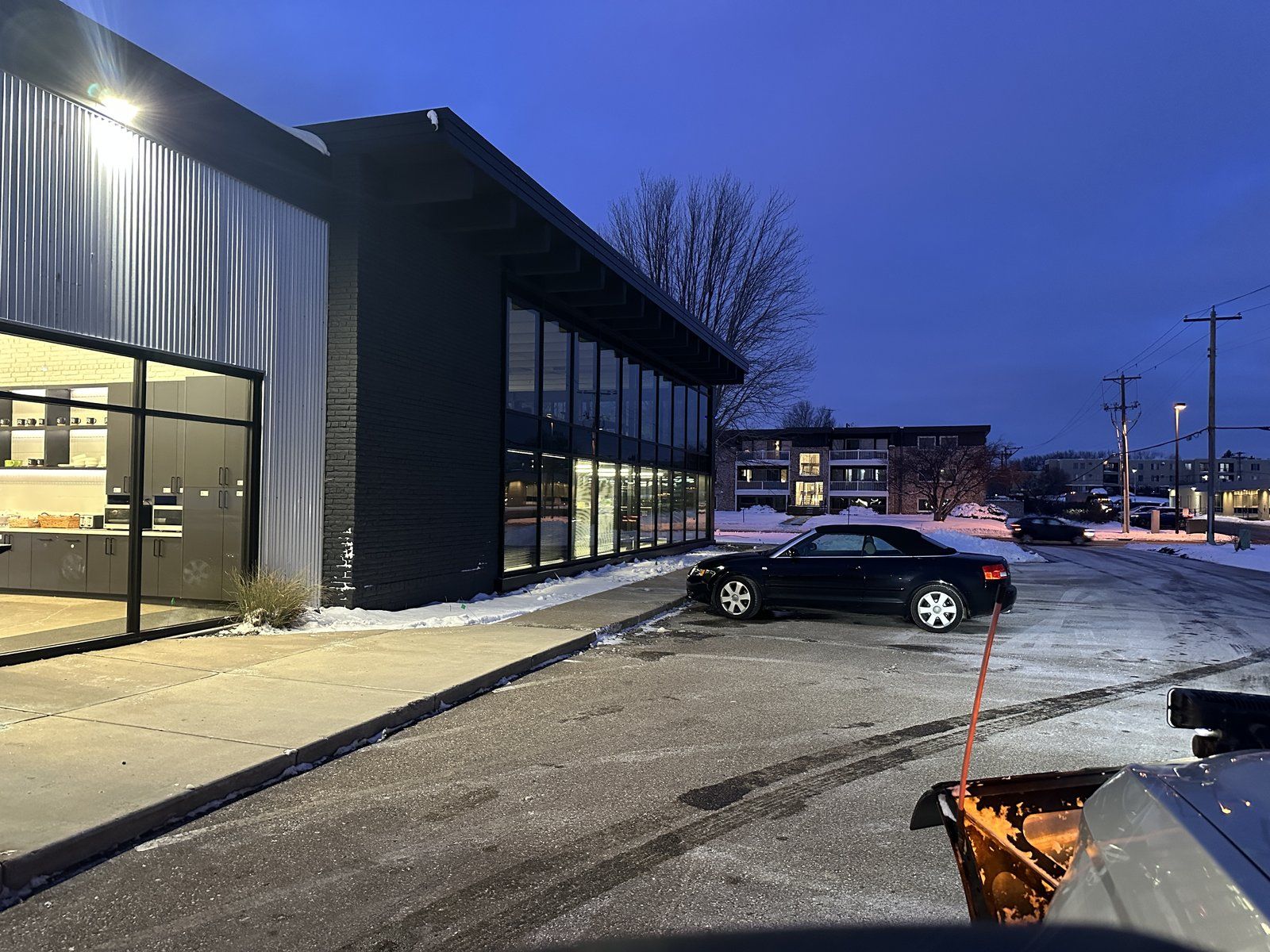
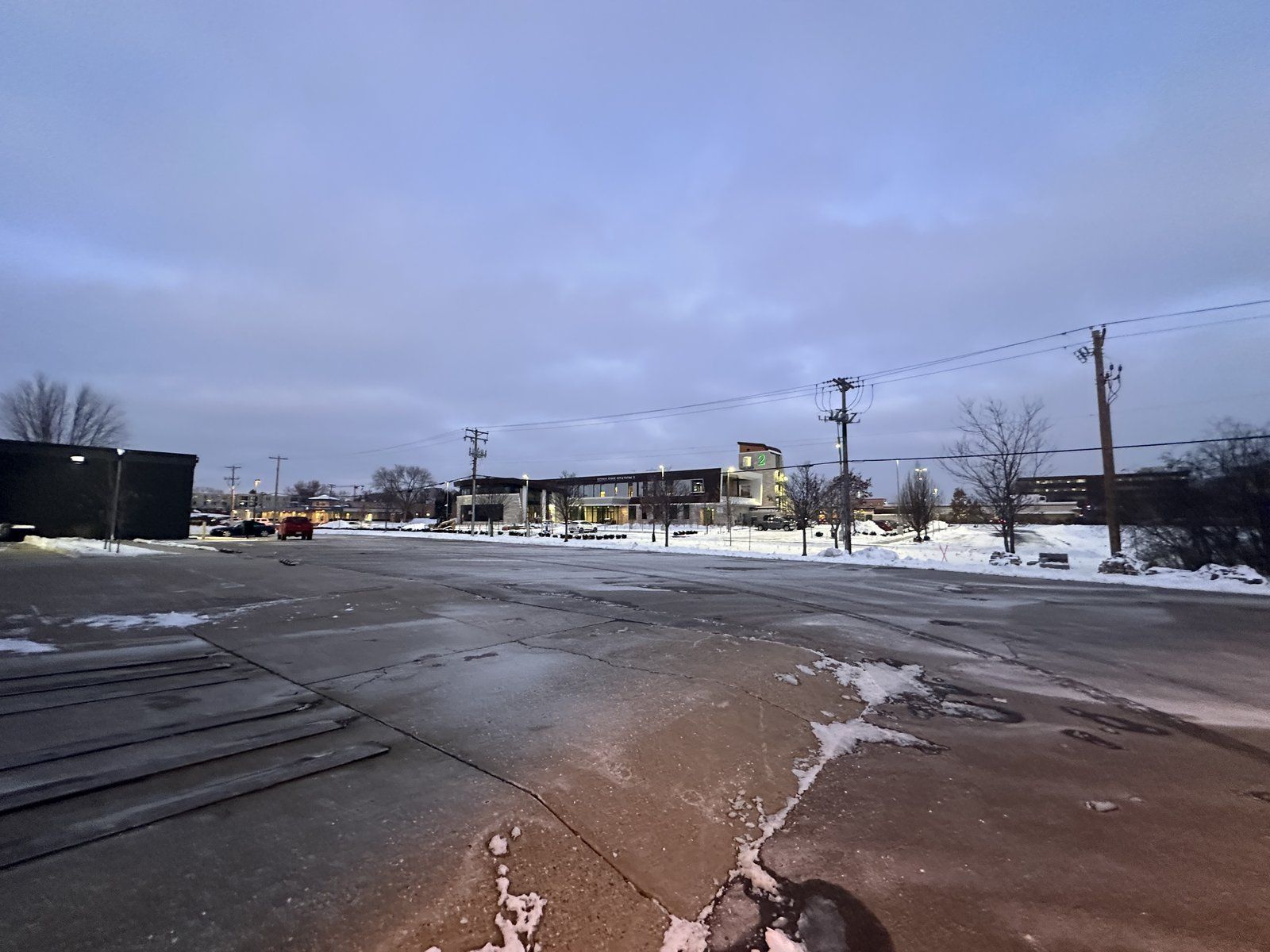 A wide drive lane cleared between commercial buildings at dawn.
Drive lanes between buildings
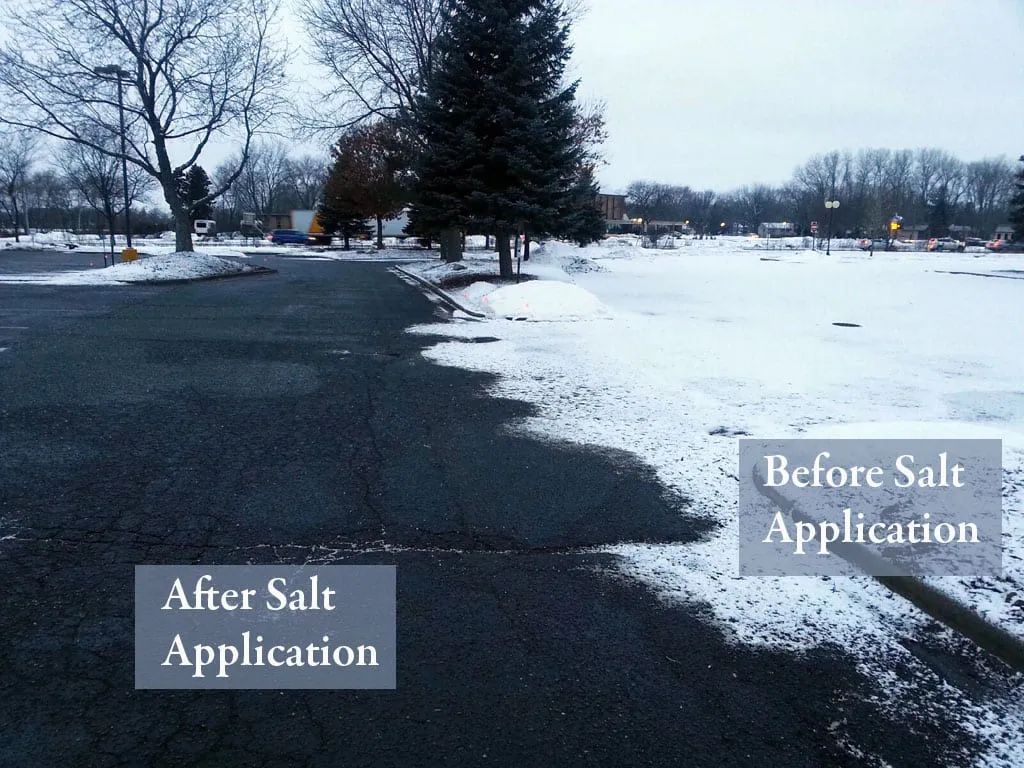
Fleet traffic follows the same routes every morning. We open those lanes first, plowed wide enough for trucks to pass, and finish the parking rows around them. Lanes are salted from the truck's hydraulic dispenser, and the driver sets how much goes down for the conditions. A lane that's only half open makes trucks wait on each other at the busiest time of the morning.
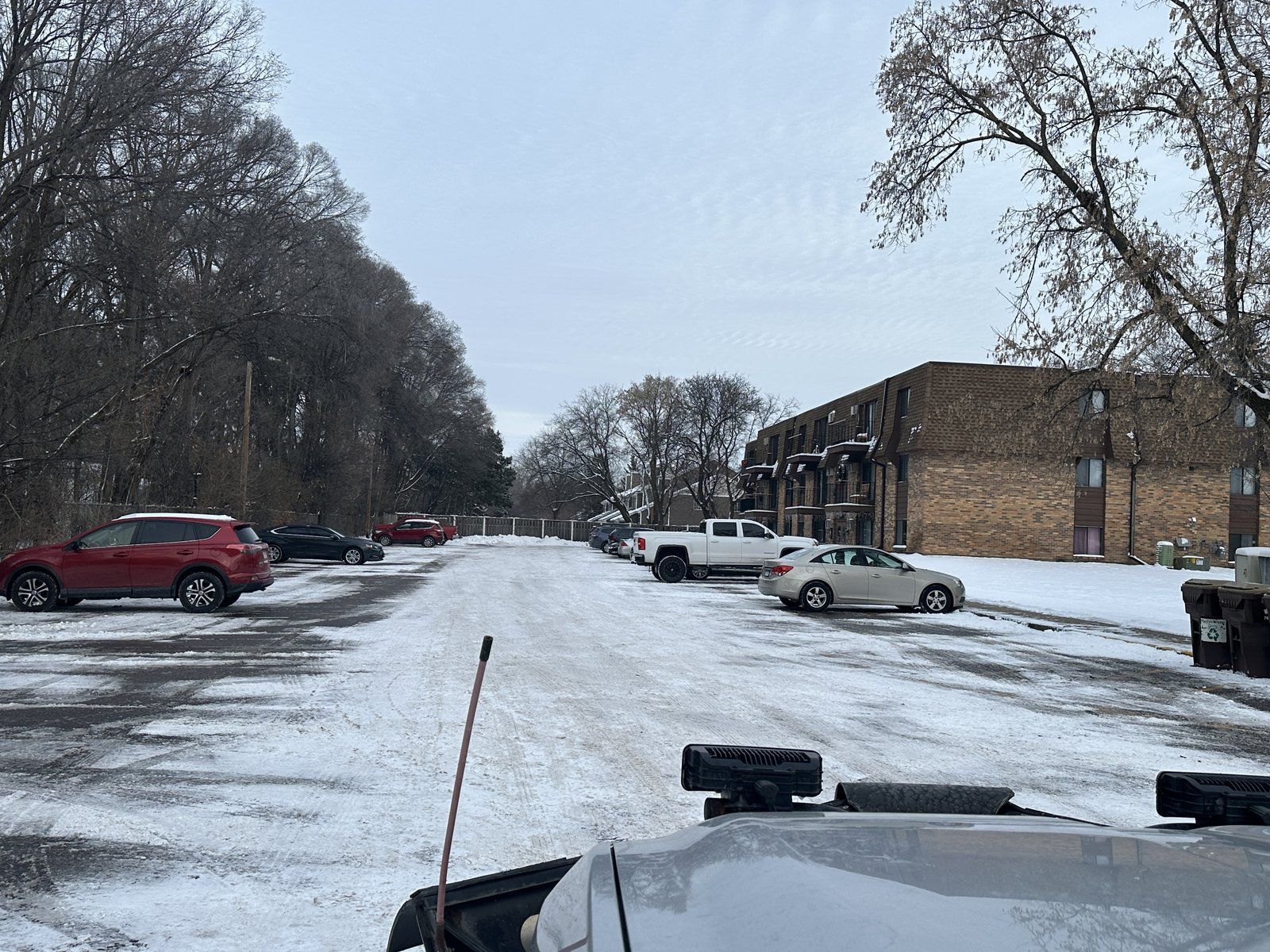
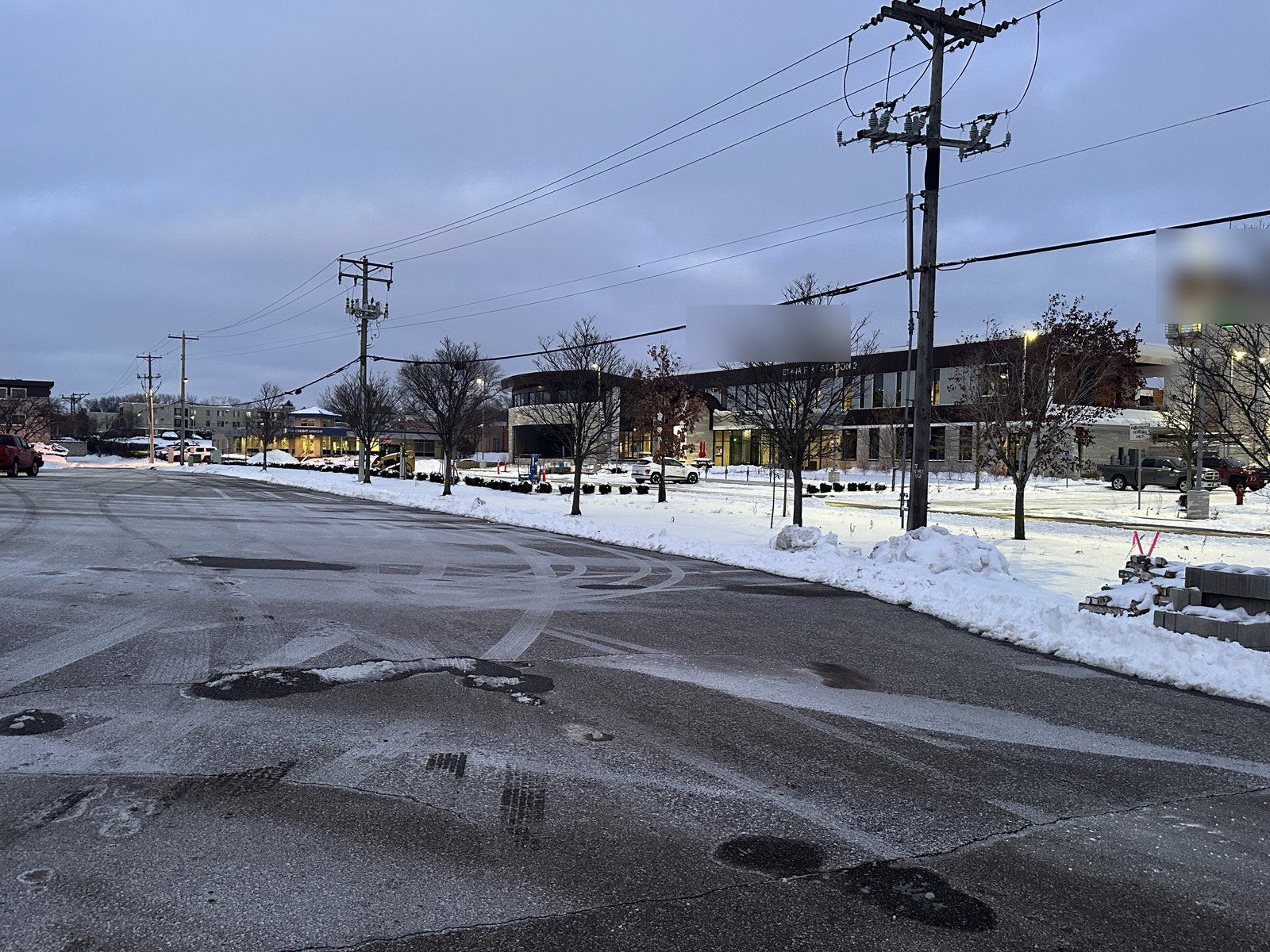 A plowed parking area beside a road, with snow banked along the edge.
Rows for crew pickups and trailers
Work pickups and parked trailers can't move to the street during the overnight ban, so we clear the lanes around them first, and each spot is cleared once its vehicle pulls out. Trailers are the hardest to work around, since one can sit in the same spot for days. At the walkthrough, point out which ones move and which ones stay put, and the plan works around them.
Snow Service Planned Around Your Fleet
At the walkthrough, we note when your first trucks leave, which doors need to open first, where trailers are parked and which corners have room for a pile without closing a route. Service starts at 1 inch or 2 inches, whichever you pick. Commercial service is billed monthly at a set rate, and your account manager learns your yard. If the yard changes during the winter, such as a new trailer, a rented machine or a different shift start, say so and your account manager updates the plan. It also helps to point out storm drains, fuel tanks or outdoor storage, since those spots shouldn't end up under a pile. Lots are finished about 5 to 6 hours after snowfall stops, on average. Browse our services for businesses, and see how we handle salt, sand and de-icing.
Snow Services for Spring Lake Park Shops and Yards
Build a plan from the services your yard needs.
Retail and Office Neighbors in Spring Lake Park
Spring Lake Park also has stores and offices, and they need a different order of work. A retail lot opens the stalls near the doors first and keeps a lane moving through the day; for that kind of site, see our snow removal for Roseville retail centers. Offices want everything done before the staff shows up, and our Coon Rapids snow removal page covers office and flex buildings. The 2 to 8 a.m. ban affects all of them, so every Spring Lake Park plan starts with where cars will be overnight.
For single-family homeowners
Spring Lake Park Snow Removal for the Homes Next Door
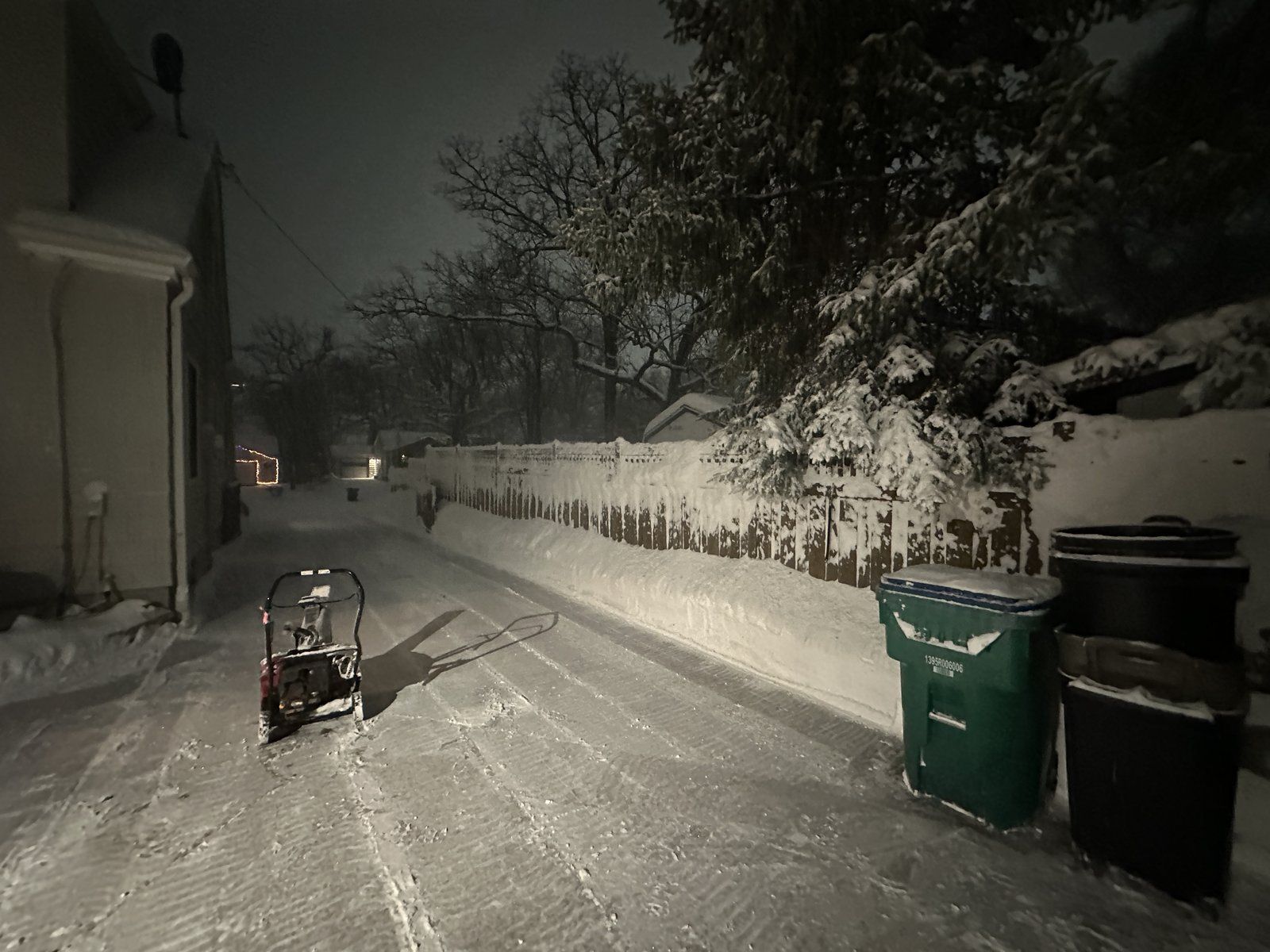 A snow blower clearing a driveway beside a house and fence at night.
We also clear driveways at Spring Lake Park homes, with residential crews that don't share trucks with the commercial side. With street parking banned from 2 to 8 a.m., the driveway is where the cars are, so the driveway comes first.
- Plowing or blowing the full driveway
- Front steps and walk cleared by shovel
- Salt on icy spots
- Street-plow snow dumped at your driveway entrance, cleared off
After 3 or more inches within 48 hours, any car still parked before plows clear the street's full width can be towed, so a cleared driveway with room for every vehicle matters on a snowy night. A seasonal price covers November 1 to March 31, with one account manager for your home. Read about home snow service.
Fleet Yard Snow Questions in Spring Lake Park
What happens to street parking after 3 inches of snow in Spring Lake Park?
When the past 48 hours have brought 3 or more inches of snow, Spring Lake Park keeps its streets closed to parking until plows clear them to full width. That's on top of the regular 2 to 8 a.m. overnight ban, which applies unless signs allow parking. Employees who normally leave cars on the street will need space on your lot after a big snowfall. Planning for that before the season keeps stalls open when they're needed most.
Which Spring Lake Park streets may be plowed first?
Spring Lake Park has named some streets as Priority Snow Plow Routes. According to the city, these streets "may be plowed first or more often" during major winter storms, because they connect major sections of the city and give fire, police and medical services emergency access. A shop on or near one may see the street out front open sooner than side streets. Your own lot still runs on your snow plan, not the city's routes, so the timing for your yard depends on your trigger and your place in our schedule.
When does KG finish a Spring Lake Park lot after a storm over 4 inches that ends after midnight?
For snowfalls of more than 4 inches that end after midnight, our commercial clients typically get the main drive aisles opened by noon and the full lot plowed before 7 a.m. the next day. On average, lots are finished about 5 to 6 hours after snowfall stops. In Spring Lake Park, where vehicles can't park on the street from 2 to 8 a.m., we plan the order of work around which trucks need to leave first and where the trailers are parked.
Who is my contact for snow service at a Spring Lake Park fleet yard?
You get one account manager for your yard. That's the person who walks your Spring Lake Park yard before the season, learns where your trucks and trailers park overnight, and knows which bay doors and lanes need to open first. During the winter, questions about the plan, your trigger or your service go to the same person. Having one contact matters most when your plan has to change, like adding a pile spot or moving a trailer row.
How do you plow around trailers parked overnight in a Spring Lake Park yard?
Carefully, and in the order set in your plan. Spring Lake Park's 2 to 8 a.m. ban means trailers and trucks often stay on the lot through the night, so the crew plows the lanes and open rows around them first and stacks snow where it won't box anything in. As vehicles move out in the morning, the stalls they leave are cleared. If piles start eating into space you need, we can push them up higher or remove them.
Plan Your Spring Lake Park Yard Before the First Storm
Let's walk your yard together while it's still bare, mark where trucks and trailers park, and choose the pile spots. Call (763) 568-7251, message our team, or explore KG's full winter lineup.
Other Service Areas