
How To Tell if Your Lawn Needs Aeration: Warning Signs To Look Out For
You've lovingly cared for your lawn, pouring time and effort into keeping it healthy. But instead of the expected lush green carpet, you're met with an expanse dotted with brown patches and thinning turf — frustrating, isn't it? Rest assured, we get it because we've walked in those shoes, too.
Our exhaustive research points out how a lawn needs aeration as a secret weapon that could restore your lawn's vitality. So, let's join hands to unearth these warning signs and breathe new life into your patch of green!
Signs that Indicate Your Lawn Needs Aeration
Several warning signs indicate your lawn needs aeration, including thatch buildup, heavy foot traffic areas, clay soil, puddles on the lawn, and thinning grass.Thatch Buildup
Thatch buildup can quickly become a nemesis to your lawn's health if not properly addressed. Thatch is essentially a layer of dead organic matter that piles up on your yard's surface, preventing water and nutrients from reaching the grassroots.It's considerably easy to recognize - it resembles a spongy mat and obstructs soil moisture and air circulation, suffocating the grassroots. As well as dampening the aesthetic appeal, this stubborn barrier also serves as an unfortunate breeding ground for different lawn diseases.
Heavy Foot Traffic Areas
Heavy foot traffic areas on your lawn might signal a cry for help from your grass. This constant pressure compacts the soil, stifles root growth, and starves the lawn of necessary oxygen.Trampled grass struggles to recover, leading to bare patches that mar an otherwise beautiful yard. Everyday activities such as playing fetch with Rover or backyard football games don't seem harmful; sadly, they subject our lawns to extra strain.
Clay Soil
Clay soil can pose numerous challenges to maintaining a healthy lawn. Its dense structure restricts the movement of air, water, and nutrients, affecting overall lawn health. One major problem is poor drainage, which leaves your grass struggling to get the necessary moisture and developing shallow roots due to difficulty penetrating hard soil layers.This results in reduced nutrient availability and ultimately weakens your turfgrass over time. But don't despair! It's not a lost cause for lawns with clay soil; aeration presents an effective solution by reducing soil compaction.
It allows better air circulation and water movement through the ground, giving your grassroots easier access to much-needed nutrients and moisture—just what they need for vigorous growth!
Puddles on the Lawn
Puddles on the lawn can be a clear sign of compacted soil. When your lawn becomes compacted, it prevents water from being absorbed properly, leading to poor drainage and the formation of puddles after irrigation or rainfall.If you notice that rainwater is not penetrating the soil and instead accumulates on the surface, it may indicate the need for aeration. Aeration helps improve soil quality by loosening compacted areas, allowing water to infiltrate more efficiently and reducing the occurrence of puddles.
Thinning Grass
Thinning grass is a clear indication that your lawn needs aeration. When the grass becomes sparse and has bare patches, it's a sign that the soil may be compacted and lacking in oxygen.Aerating the lawn can help relieve soil compaction, allowing for better air circulation and water absorption. This promotes healthier root growth and enhances nutrient uptake by the turfgrass, leading to thicker and lusher grass.
How to Determine the Best Time for Aeration
Late spring or very early summer is the ideal time for aerating warm-season grasses commonly found in southern lawns. This is because these types of grasses, such as Bermuda and Zoysia, are actively growing during this period.It's important to take into account the specific region you're in, as the best time to aerate a lawn can vary depending on the climate.
For other soil types, it is generally recommended to aerate the lawn at least once every three years. This helps promote healthy root growth and allows for better absorption of nutrients and water by breaking up compacted soil.
However, if you notice signs that indicate your lawn needs aeration sooner than that, such as heavy foot traffic areas or patches of thinning grass, it may be necessary to aerate more frequently.

Benefits of Aeration for Your Lawn
Aeration provides several benefits for your lawn, including improved root growth, enhanced nutrient absorption, increased water infiltration, and reduced soil compaction.Improved Root Growth
Improving root growth is one of the major benefits of lawn aeration. When your lawn's roots are able to grow deeper and stronger, it leads to enhanced overall lawn health. With better root growth, your grass can absorb nutrients more effectively, resulting in greener and lusher turf.Aeration also stimulates root growth, making your lawn more resilient to drought conditions. So, if you want a healthier and more vibrant lawn, consider aerating to promote improved root growth.
Enhanced Nutrient Absorption
Aeration is a key process that enhances nutrient absorption for your lawn. When we aerate the soil, grassroots have better access to essential nutrients from fertilizers and organic matter.As a result, fertilizer efficiency improves, leading to healthier grass and improved overall lawn vitality. By loosening compacted soil through aeration, we create an environment where grassroots can easily assimilate nutrients, thus maximizing their potential for growth and nourishment.
Additionally, increased oxygen levels in the soil resulting from aeration further enhance nutrient uptake by promoting root development. With enhanced nutrient absorption, your lawn will thrive and maintain its lush green appearance throughout the year.
Increased Water Infiltration
Aeration plays a crucial role in improving water infiltration in your lawn. By creating small holes in the soil, aeration allows water to penetrate deeper into the ground and reach the grassroots.This helps to enhance moisture absorption and promotes healthier grass growth. Moreover, increased wat er infiltration reduces surface runoff and improves drainage, preventing puddles from forming on your lawn after heavy rain or irrigation.
A well-aerated lawn ensures that water is distributed evenly throughout the soil, providing optimal hydration for your grass and promoting overall turf health.
Wrapping up
In conclusion, recognizing the warning signs that your lawn needs aeration is crucial for maintaining its health and beauty. Keep an eye out for discolored areas, thinning turfgrass, brown patches, and water puddles on your lawn.If you notice any of these signs, it's time to take action and aerate your lawn to improve its overall condition. Don't wait until it's too late – start paying attention to these indicators and give your lawn the care it deserves.
Ready to Start on Your Next Project?
Call us at (763) 568-7251 or visit our quote page.
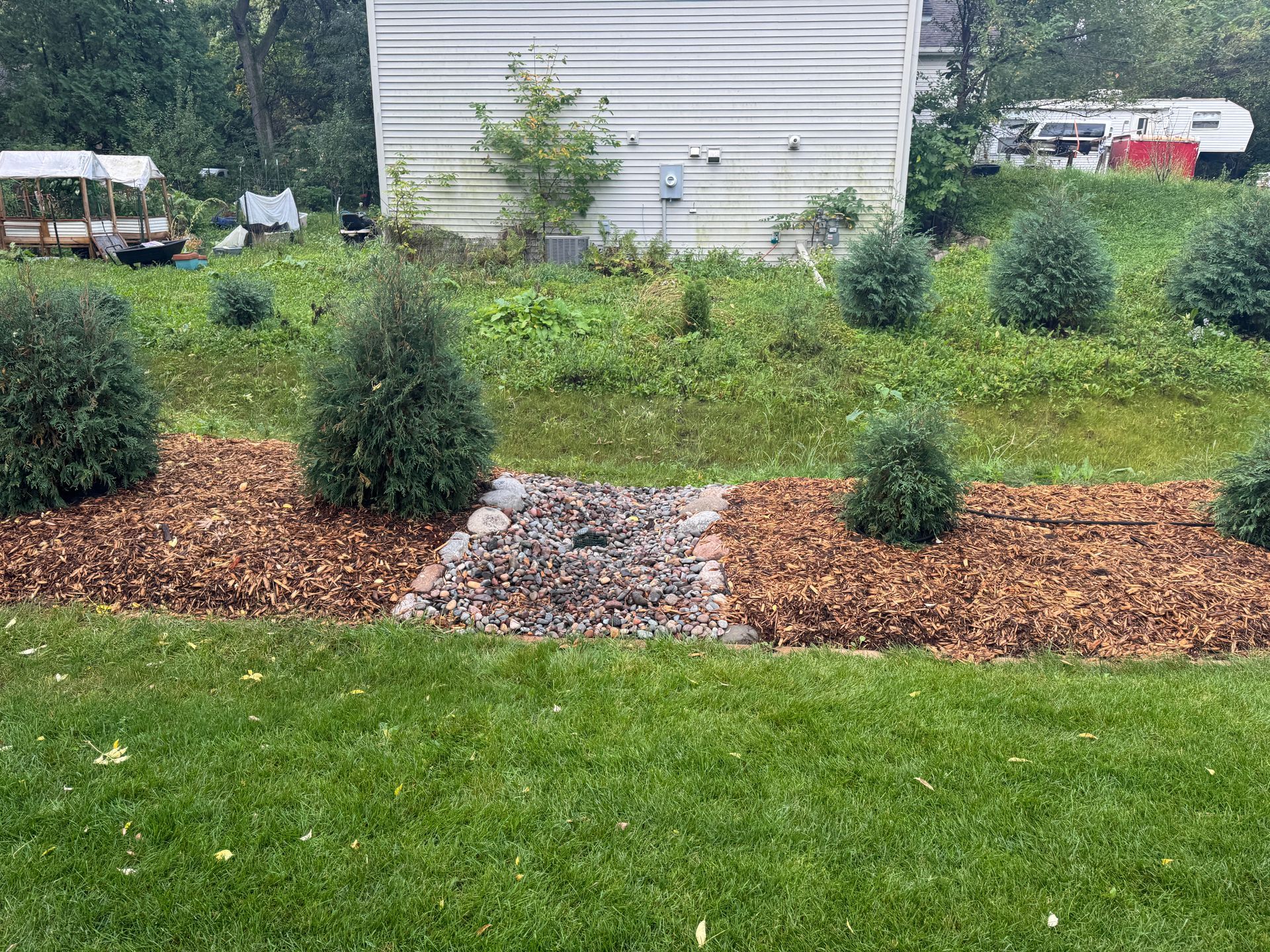
The legendary architect Louis Sullivan coined a phrase that has driven architecture and design ever since: "form follows function." While aesthetics are critical to buildings and landscapes alike, that physical beauty must always remain secondary to the fundamentals of good design. In Shoreview, Minnesota, just outside St. Paul , we encountered a landscape where, unfortunately, function followed form. Here, the realities and principles of effective drainage were downstream of their original builder's aesthetic choices. That meant water from snowmelt and rainfall was streaming into parts of the lawn where it wasn't meant to be. The standing water that had been allowed to collect in the back and side yards was putting a considerable amount of the property out of play. In order to reclaim usable space and rethink the way the land handled water, this Shoreview homeowner entrusted KG Landscape with identifying key issues, presenting potential solutions, and doing the necessary work the client decided upon to restore their lawn.
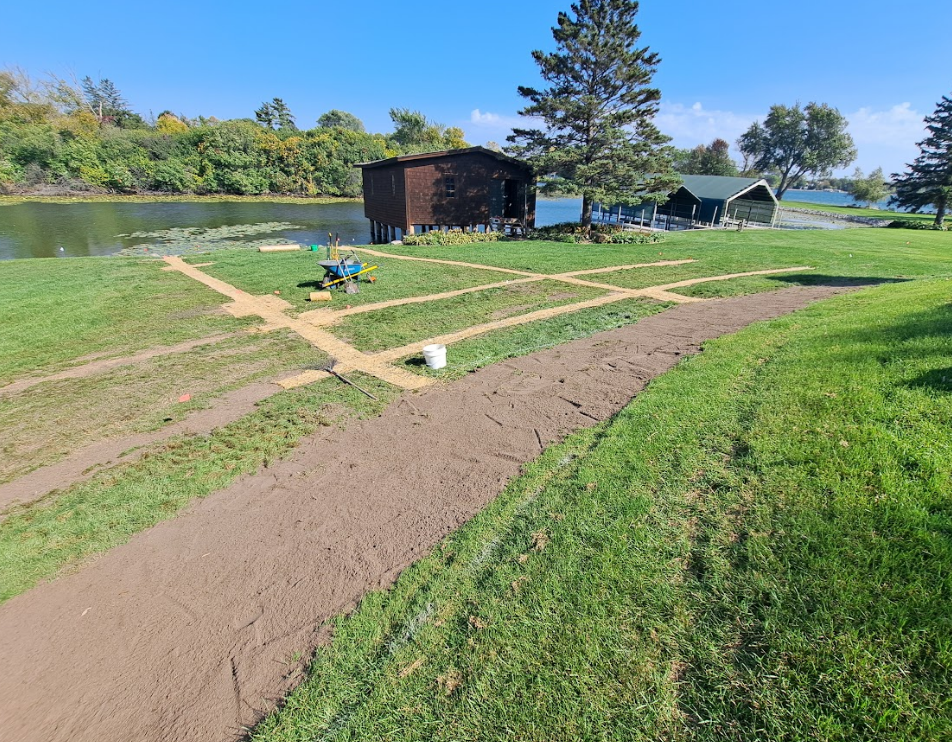
On the shores of Lake Minnetonka, perhaps the most famous of Minnesota's 10,000 lakes, an Orono, Minnesota homeowner was struggling with a back yard that was becoming more marsh than yard. The yard was a scenic one. The back porch opened up to the top of a small hill, which rolled down toward the lakefront and the boathouse. This flat space between the hill and the water would be ideal for backyard barbecues, some low-stakes games of bocce and badminton, or simply a spot to lay down a towel and get some summer reading done. Instead, this area was too waterlogged to enjoy. The runoff from the hilltop combined with unfavorable soil composition were limiting the use of the yard, closing off space while even diminishing the quality of the turf. How would this homeowner be able to reclaim this unusable land without disrupting the Lake Minnetonka shoreline that made the property so attractive? To find a solution, they turned to KG Landscape.
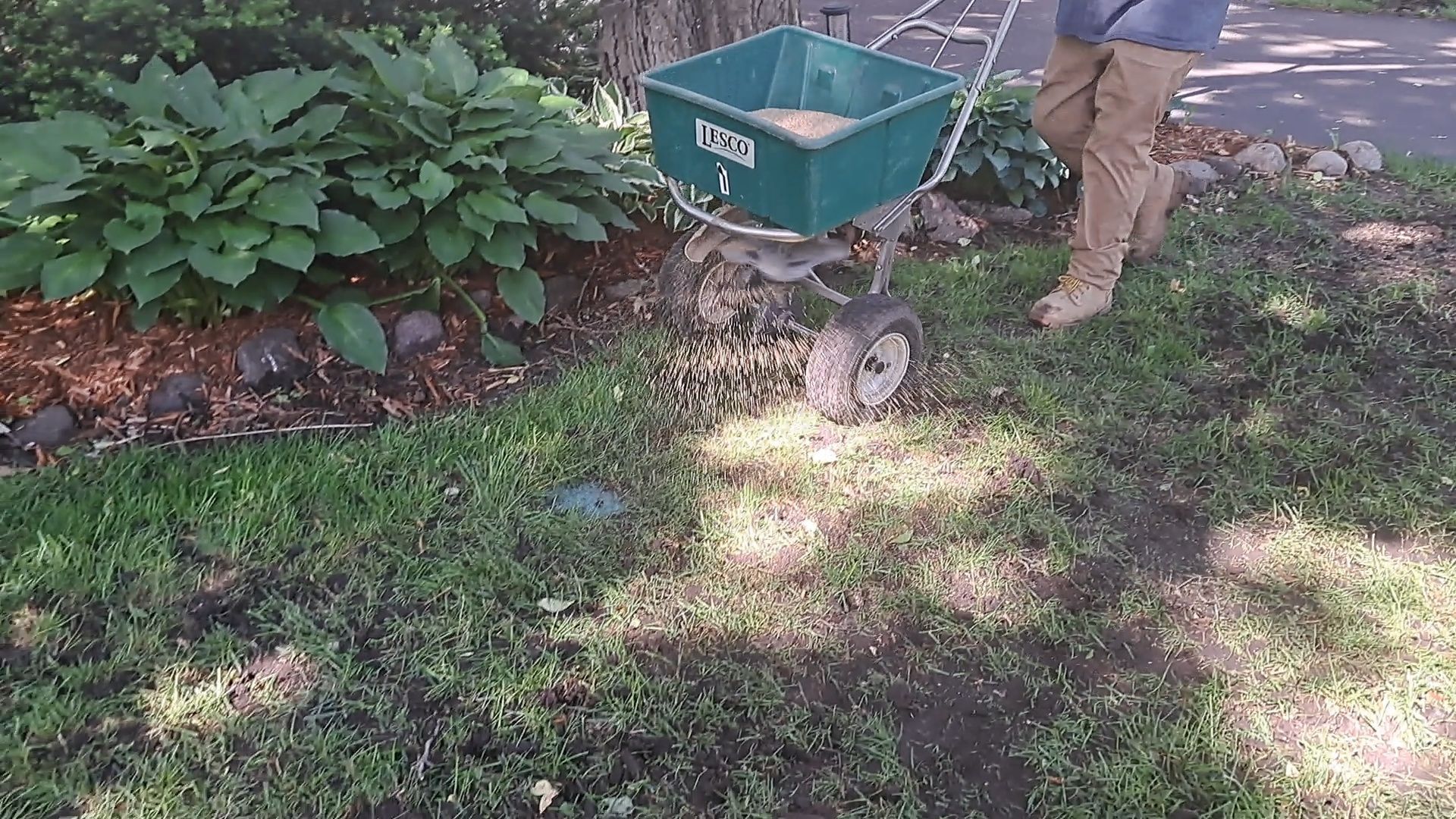
Can you use compost as lawn fertilizer in Minnesota? Learn how compost feeds turf, how to apply it, and where it fits. Get a free quote.
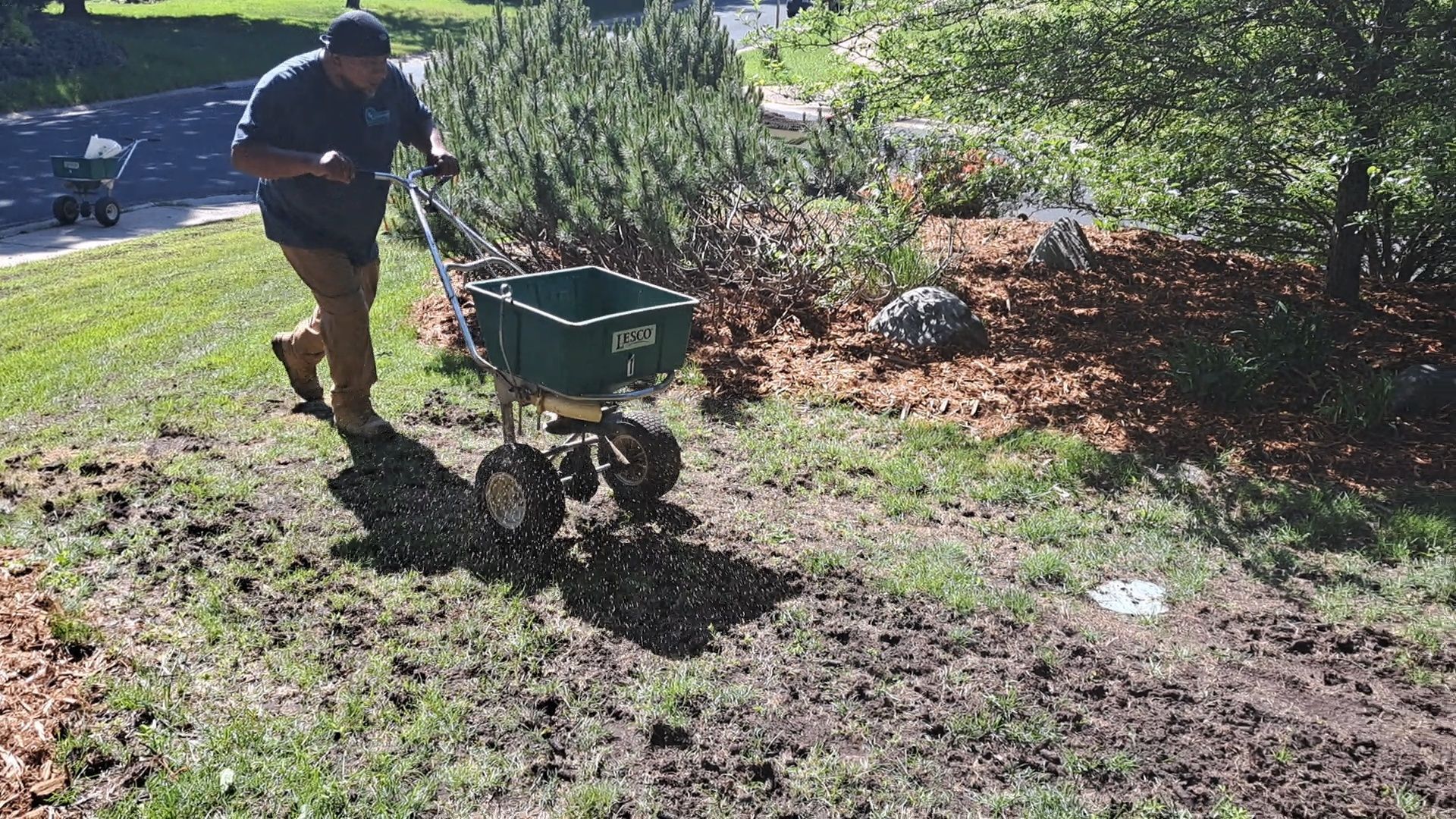
Organic weed control for Minnesota lawns: what works, what doesn't, and how to manage weeds without harsh chemicals. Get a quote.

Keep your lawn and your pets safe. Pet-safe lawn care tips for Minnesota yards, from products to timing. Get a free quote.
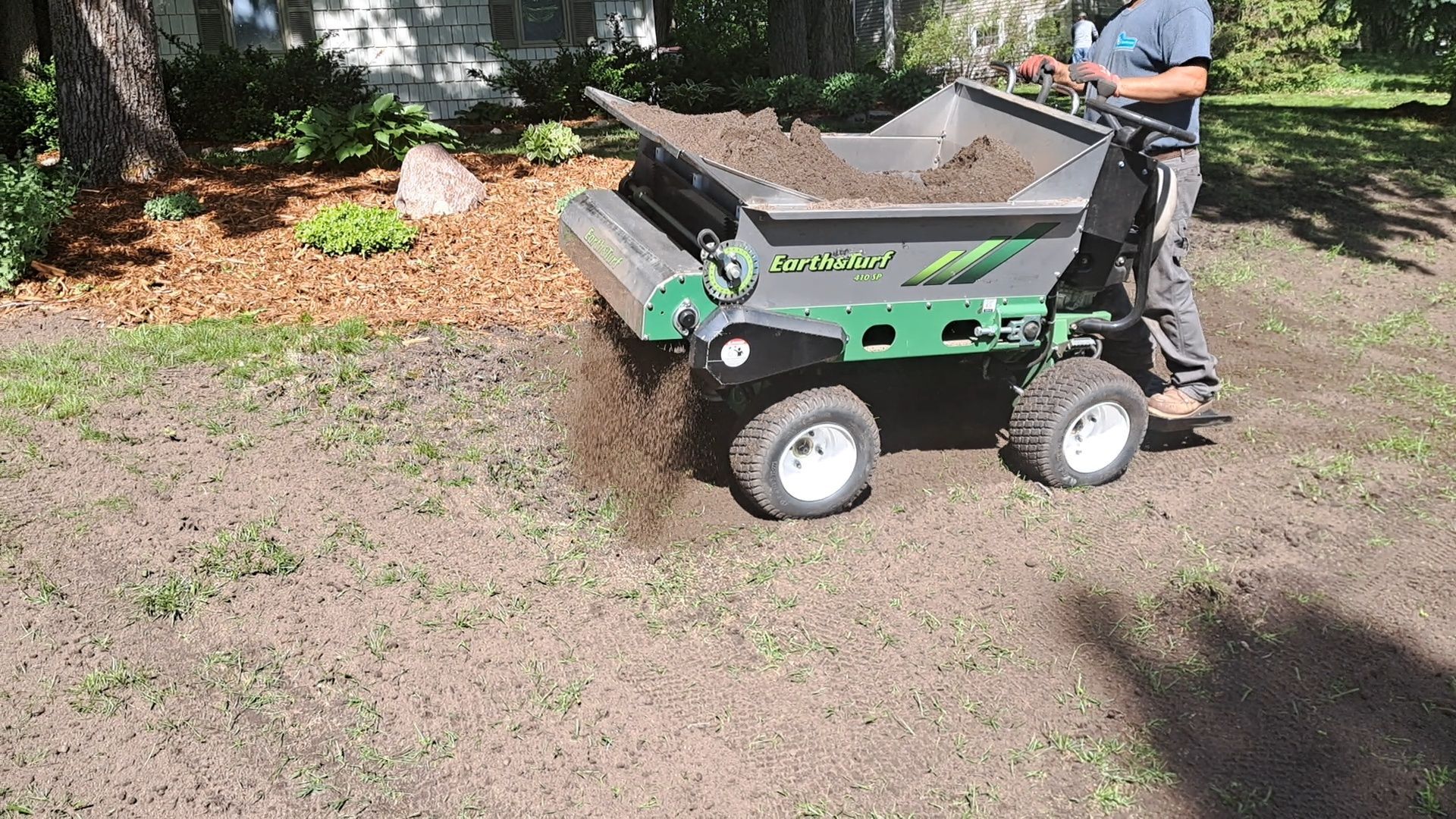
Looking for the best organic lawn fertilizer in Minnesota? See top options, how they feed your turf, and what KG uses. Get a quote.
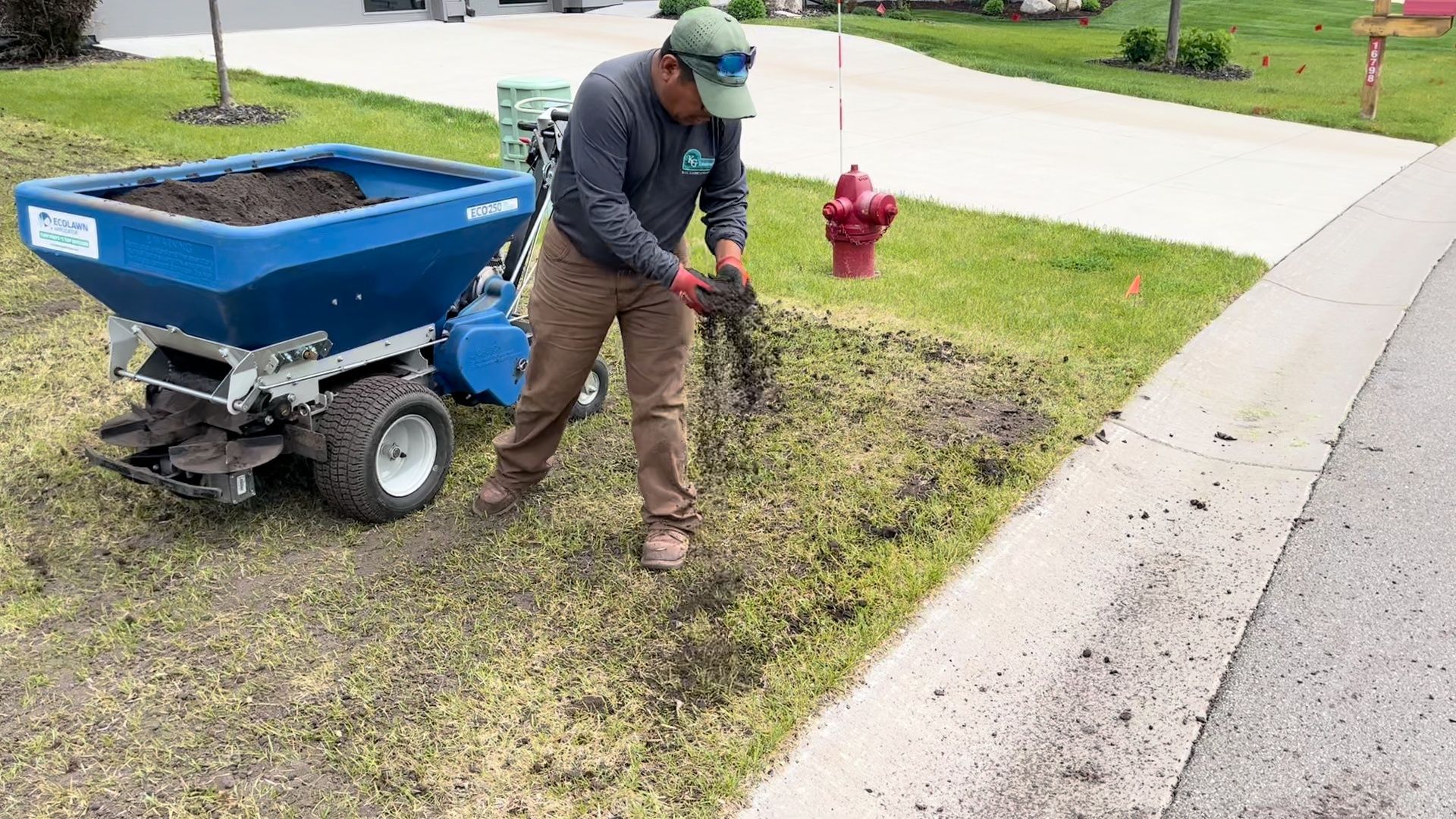
Is compost a fertilizer? Learn what compost does for your Minnesota lawn, how it differs from fertilizer, and when to use it. Get a quote.
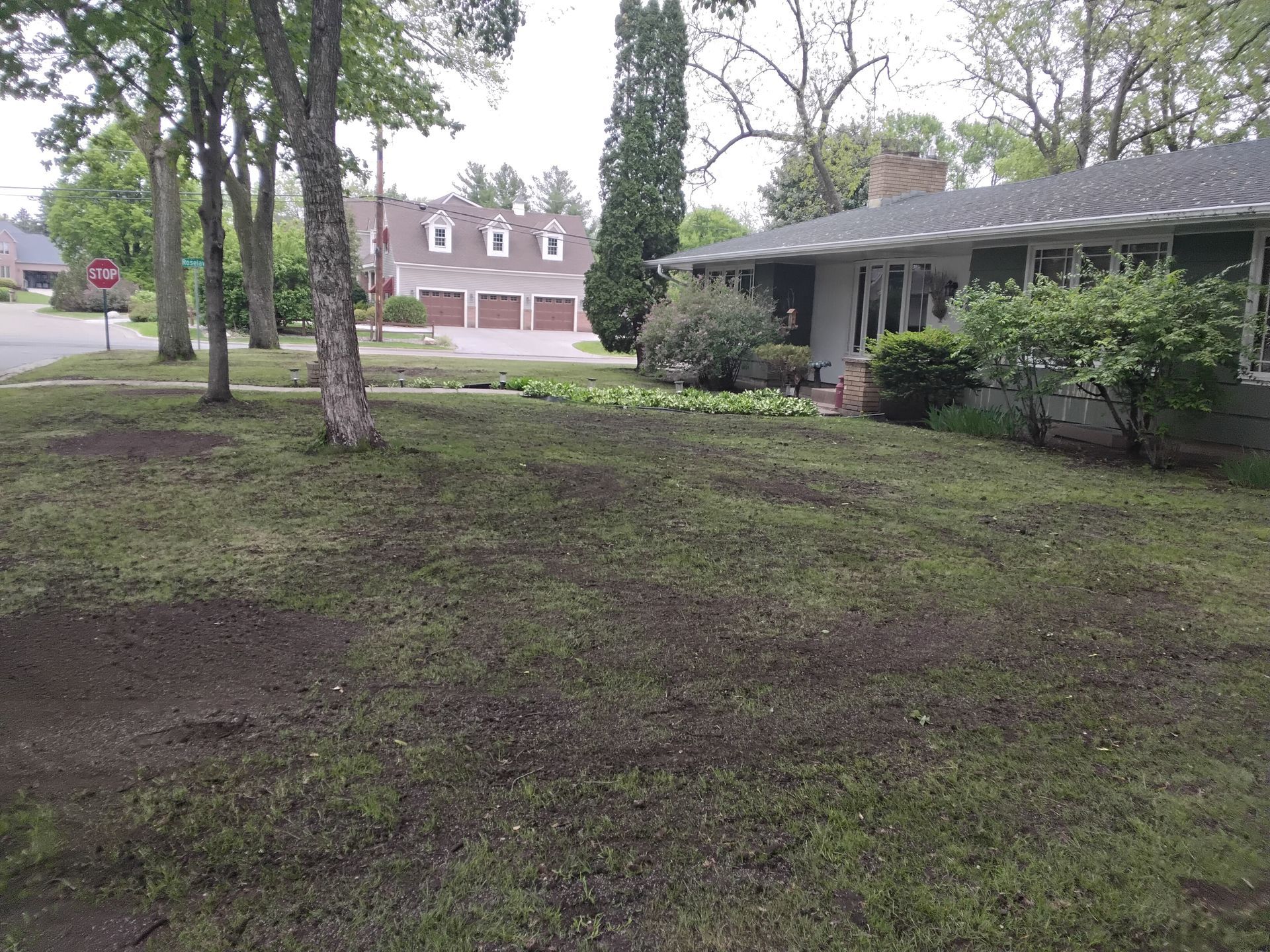
Compost feeds the soil, fertilizer feeds the grass. Learn which your Minnesota lawn needs, when to use each, and how to apply both. Get a quote.
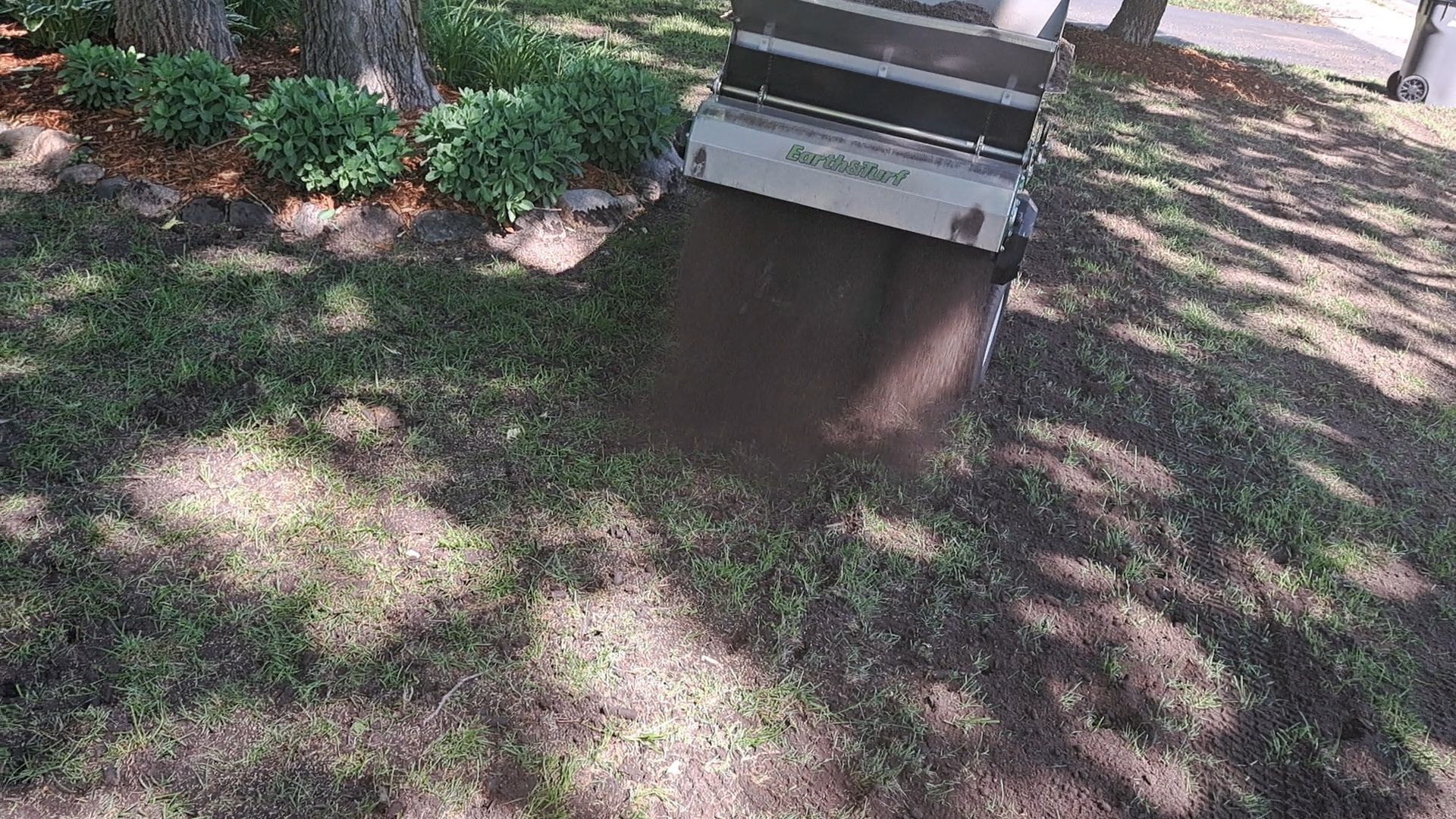
Eco-friendly lawn care tips for Twin Cities yards: cut chemicals, save water, and build healthy soil naturally. Get a free quote.
Simple, proven lawn care tips for Minnesota yards: mowing, watering, feeding, and building healthy soil that lasts. Get a free quote.