
Don’t Slip! – How to Deice Your Walkways
Other than other drivers on the road, the most dangerous aspect of winter in Minnesota is snow/ice on walkways. Thousands of people every year fall and injure themselves while they lose their footing. Injured backs, legs, and wrists are just the start. As a knowledgeable snow removal company
in the Minneapolis area, we are here to offer some advice how to prevent the ice in the first place and what to do when it does build up. Here’s our list of options on how to deice your walkways.
Shoveling
This is the first step to deicing your walkways. If you clear the snow quickly and before it has been trampled too much, you will greatly decrease the amount of snow and ice on the walkway. The biggest factor to keeping the ice down is to shovel as often and as soon as you can. Preventing the rock hard ice build up on the walkway is crucial. You can also snow blow the walkways but sometimes that leaves a little film on the walkway which can freeze and cause issues.
Shoveling can be quite hard, especially on large snowfalls so you can always hire a reliable snow removal company
who can handle walkways, stairs, and stoops.
Regular Ice Melt
This is your prototypical ice melt that is cheap and easy to use. This has worked for many years and will continue to work. There are a couple of issues with it. It typically only works to about 15 or 20 degrees Fahrenheit. So when the temperature drops, it becomes kind of useless. The cheaper version of this product can also damage concrete that has not been cured correctly. It certainly damages plants and grass along a walkway. That will leave you with work to do in the spring to clean up the mess.
Rock Salt
Rock salt is a different kind of salt from the normal salt and de-icer you see at a hardware store. The chemical make up of this salt makes it even better at melting ice and at lower temperatures. It also has much larger crystals so they’re easier to see and provide some traction by themselves. However, it can harm painted things like decks and stairs and is also quite bad for grass and plants near walkways. So while relatively cheap and works at lower temperatures, it’s not always a great option
Salt/Sand
This is a mix of sand and coarse salt. It can be mixed on site or bought together pre-mixed. The idea here is that the sand provides traction and helps rough up with the ice/snow and the salt will help melt it. This is great to use when the temperatures have dropped to dangerously low levels. The sand will at least provide some traction even when the deicer is not working.
Environmentally Friendly Ice Melt
Becoming more aware of climate change and the impacts that our deeds have on the environment as a whole has become much more prevalent in the last few years. The deicing industry has followed suit. There are products that are much less harmful for grass, pets, plants, and hard surfaces. These products are made form a different chemical make up than normal salt. As with other environmentally friendly products, the process of making the safe chemicals means they cost more than standard deicing products. For some people, the piece of mind is worth the extra few dollars.
So there are some option for how to deice your walkways. If you’re looking for professional, reliable snow removal help on your walkways, please contact us and we’ll get you all set up.
Ready to Start on Your Next Project?
Call us at (763) 568-7251 or visit our quote page.
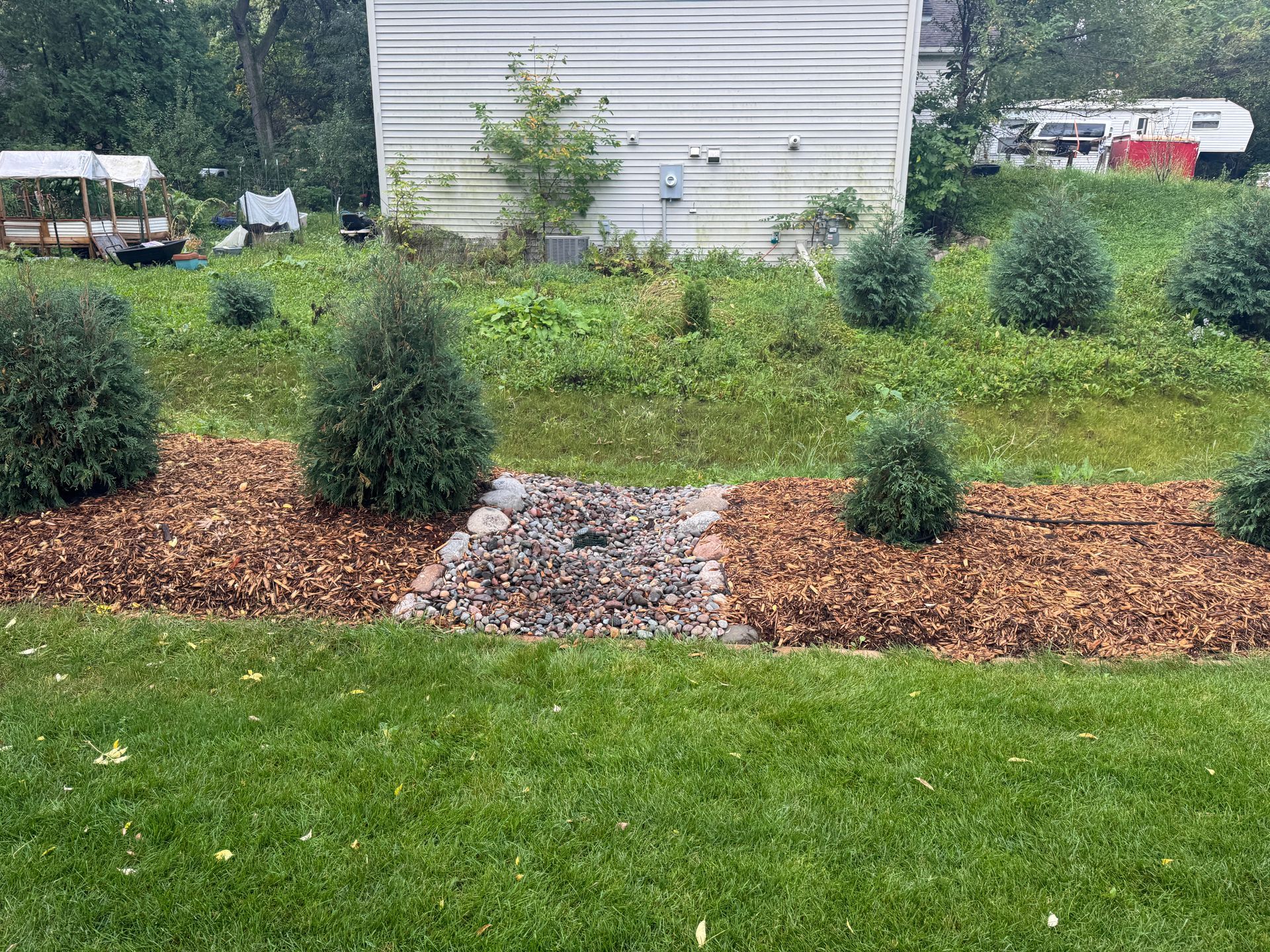
The legendary architect Louis Sullivan coined a phrase that has driven architecture and design ever since: "form follows function." While aesthetics are critical to buildings and landscapes alike, that physical beauty must always remain secondary to the fundamentals of good design. In Shoreview, Minnesota, just outside St. Paul , we encountered a landscape where, unfortunately, function followed form. Here, the realities and principles of effective drainage were downstream of their original builder's aesthetic choices. That meant water from snowmelt and rainfall was streaming into parts of the lawn where it wasn't meant to be. The standing water that had been allowed to collect in the back and side yards was putting a considerable amount of the property out of play. In order to reclaim usable space and rethink the way the land handled water, this Shoreview homeowner entrusted KG Landscape with identifying key issues, presenting potential solutions, and doing the necessary work the client decided upon to restore their lawn.
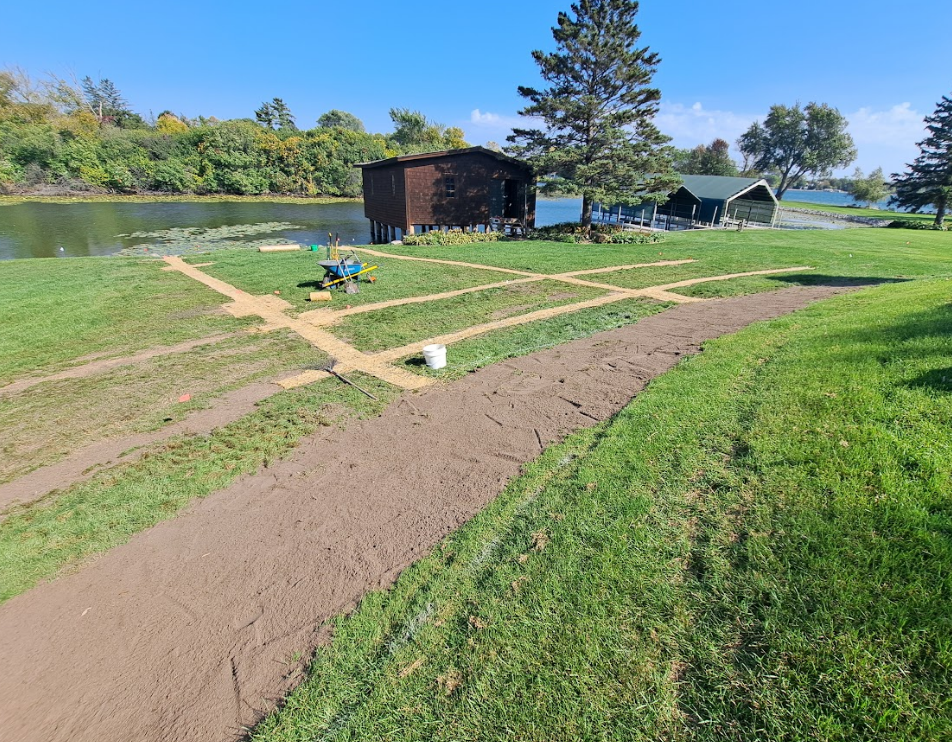
On the shores of Lake Minnetonka, perhaps the most famous of Minnesota's 10,000 lakes, an Orono, Minnesota homeowner was struggling with a back yard that was becoming more marsh than yard. The yard was a scenic one. The back porch opened up to the top of a small hill, which rolled down toward the lakefront and the boathouse. This flat space between the hill and the water would be ideal for backyard barbecues, some low-stakes games of bocce and badminton, or simply a spot to lay down a towel and get some summer reading done. Instead, this area was too waterlogged to enjoy. The runoff from the hilltop combined with unfavorable soil composition were limiting the use of the yard, closing off space while even diminishing the quality of the turf. How would this homeowner be able to reclaim this unusable land without disrupting the Lake Minnetonka shoreline that made the property so attractive? To find a solution, they turned to KG Landscape.
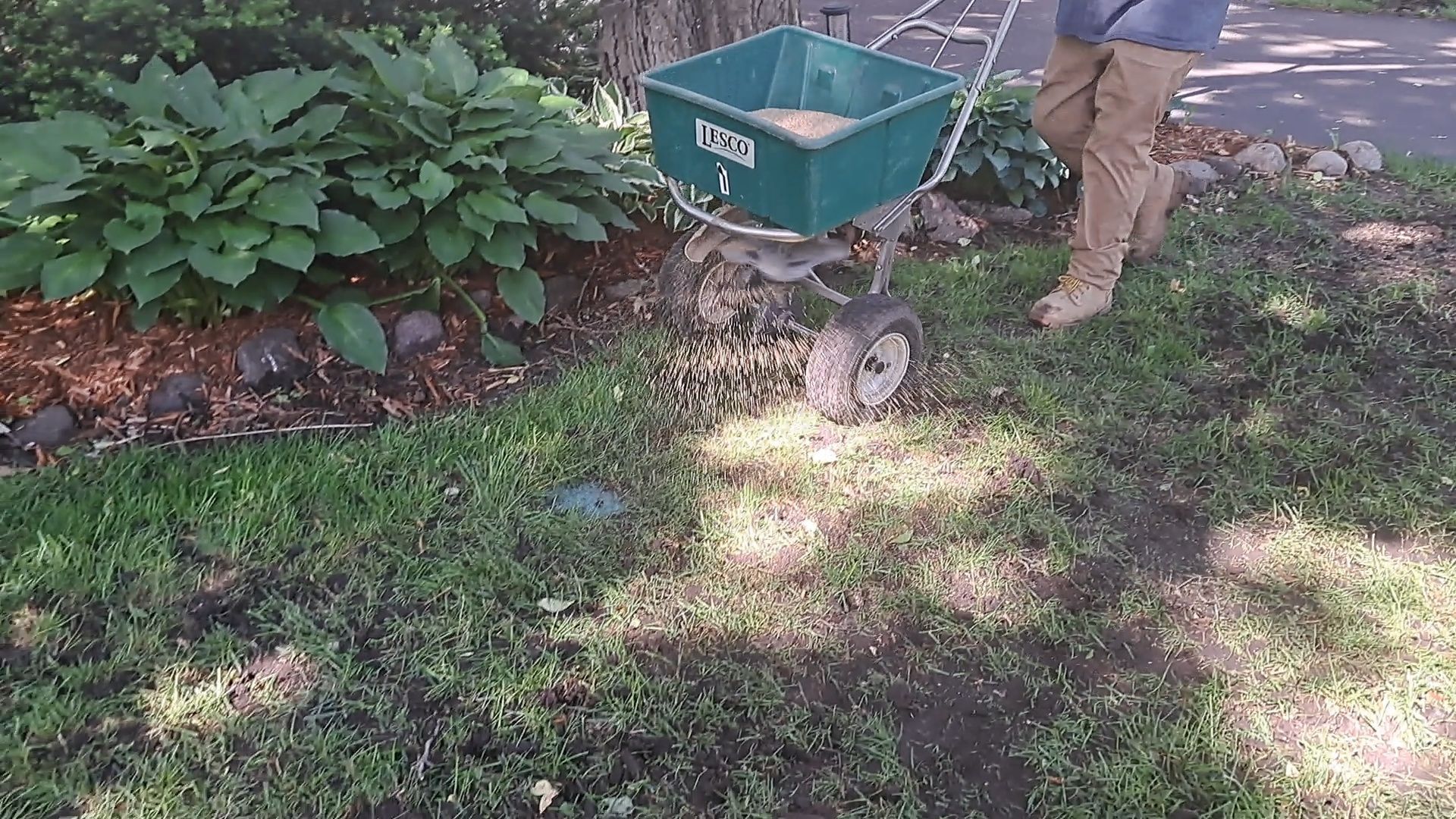
Can you use compost as lawn fertilizer in Minnesota? Learn how compost feeds turf, how to apply it, and where it fits. Get a free quote.
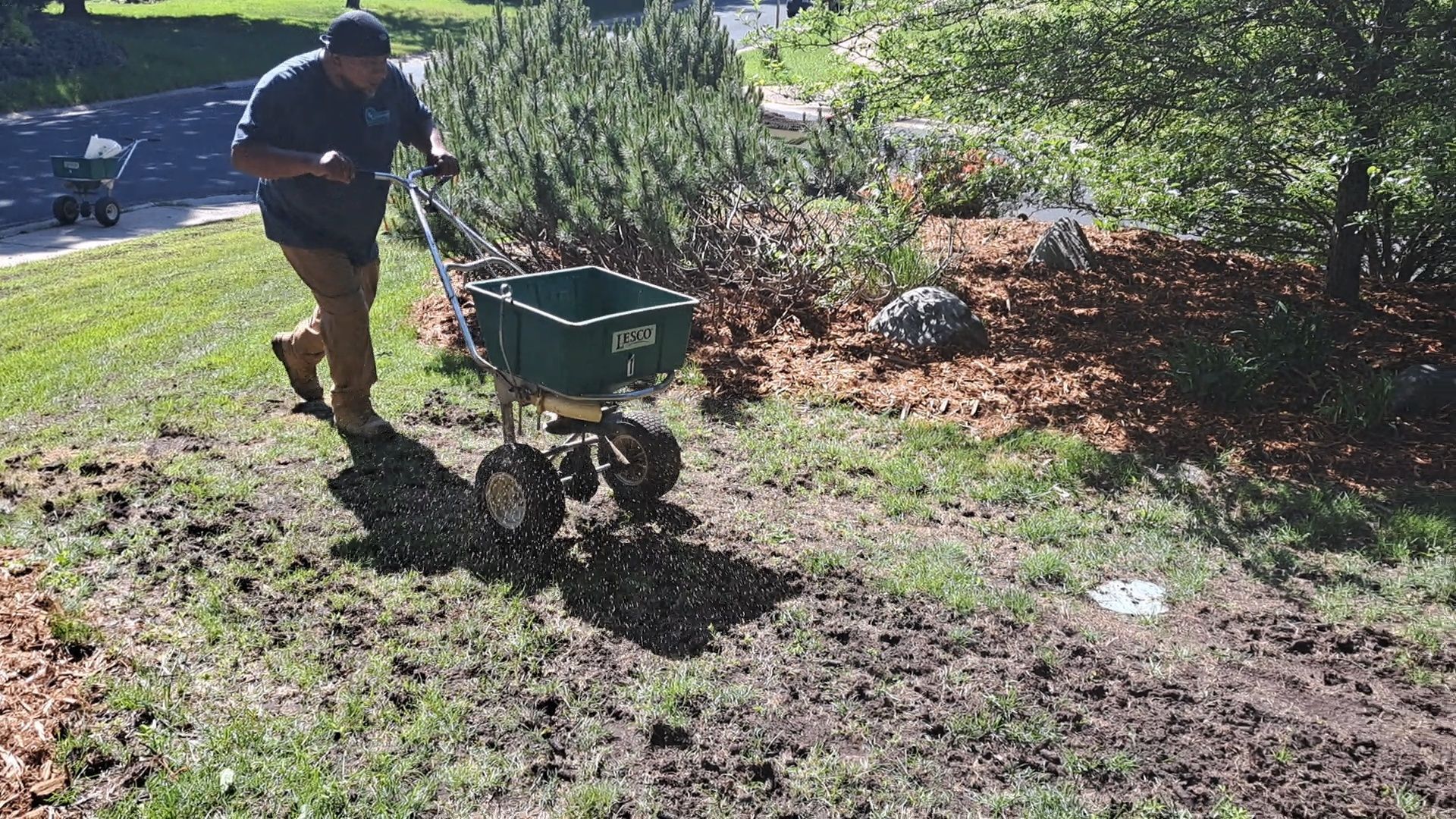
Organic weed control for Minnesota lawns: what works, what doesn't, and how to manage weeds without harsh chemicals. Get a quote.

Keep your lawn and your pets safe. Pet-safe lawn care tips for Minnesota yards, from products to timing. Get a free quote.
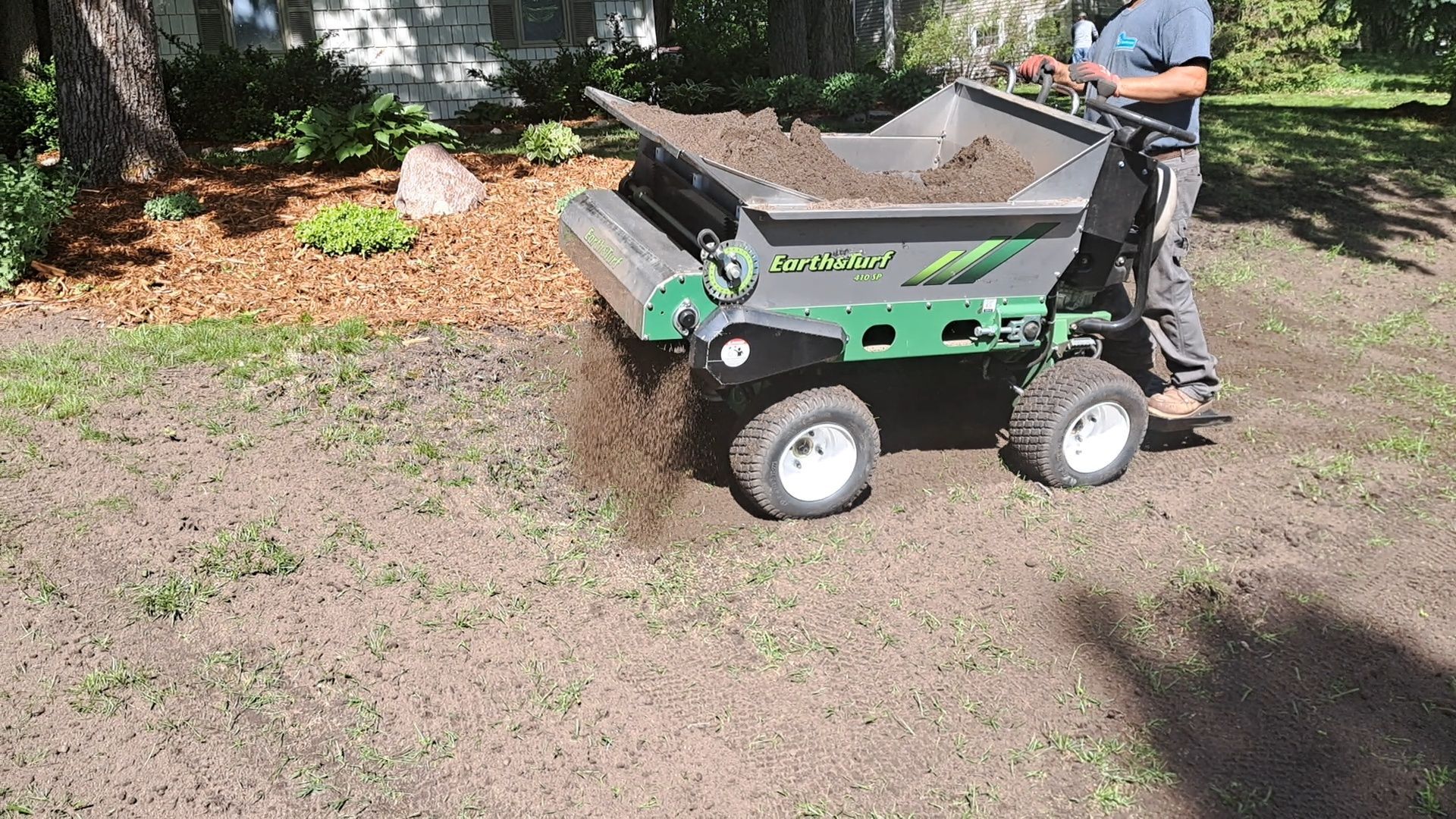
Looking for the best organic lawn fertilizer in Minnesota? See top options, how they feed your turf, and what KG uses. Get a quote.
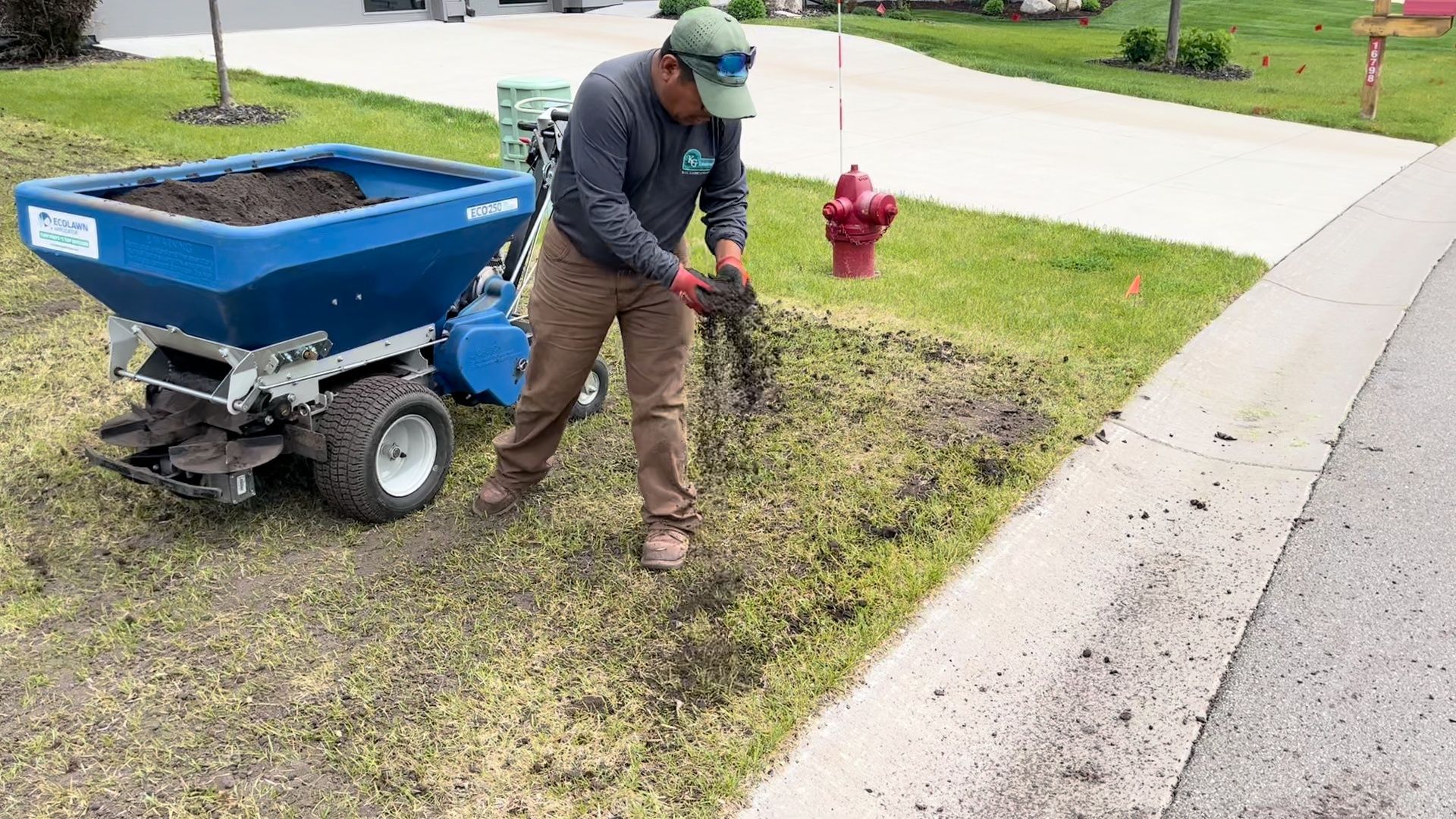
Is compost a fertilizer? Learn what compost does for your Minnesota lawn, how it differs from fertilizer, and when to use it. Get a quote.
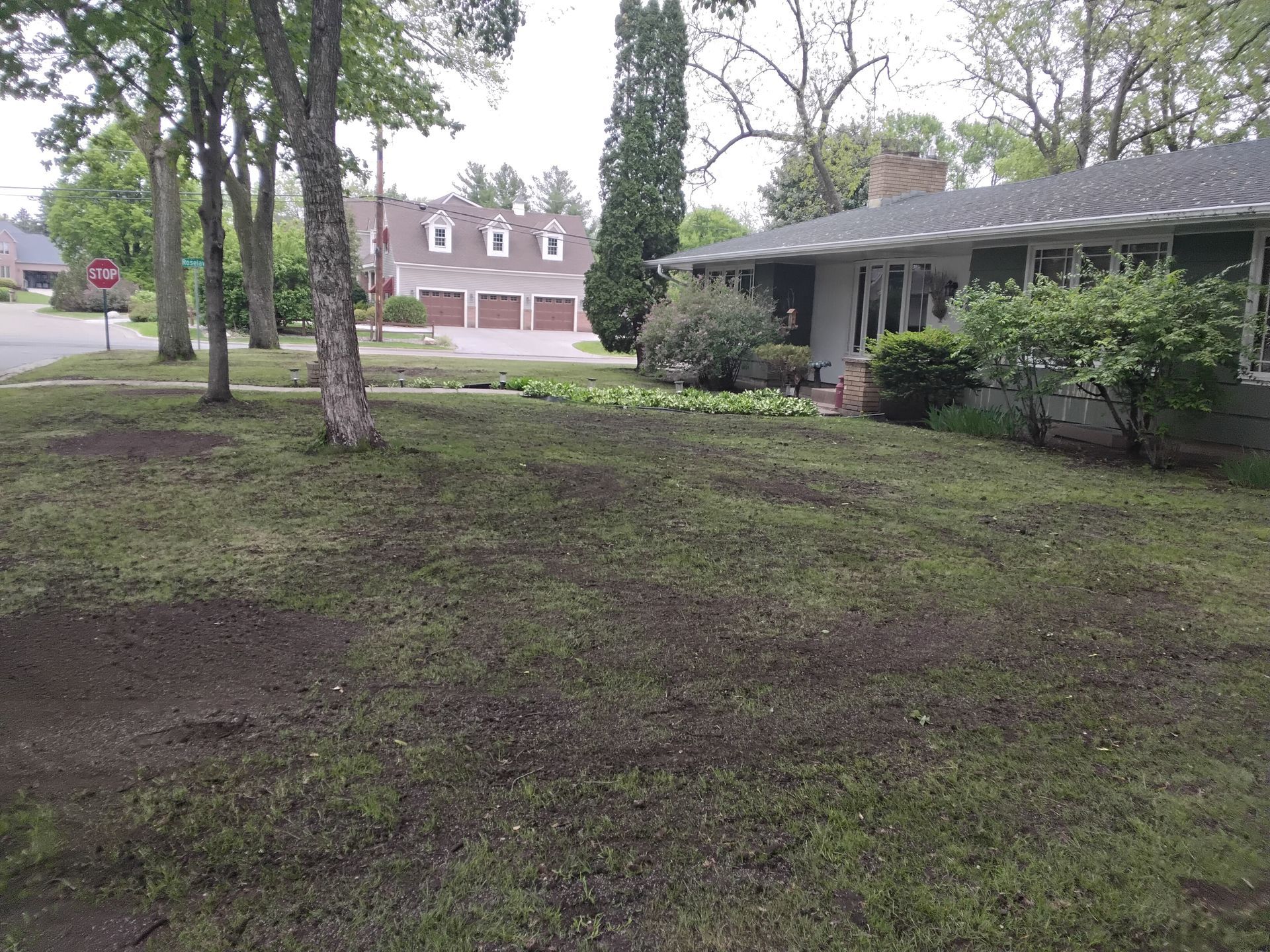
Compost feeds the soil, fertilizer feeds the grass. Learn which your Minnesota lawn needs, when to use each, and how to apply both. Get a quote.
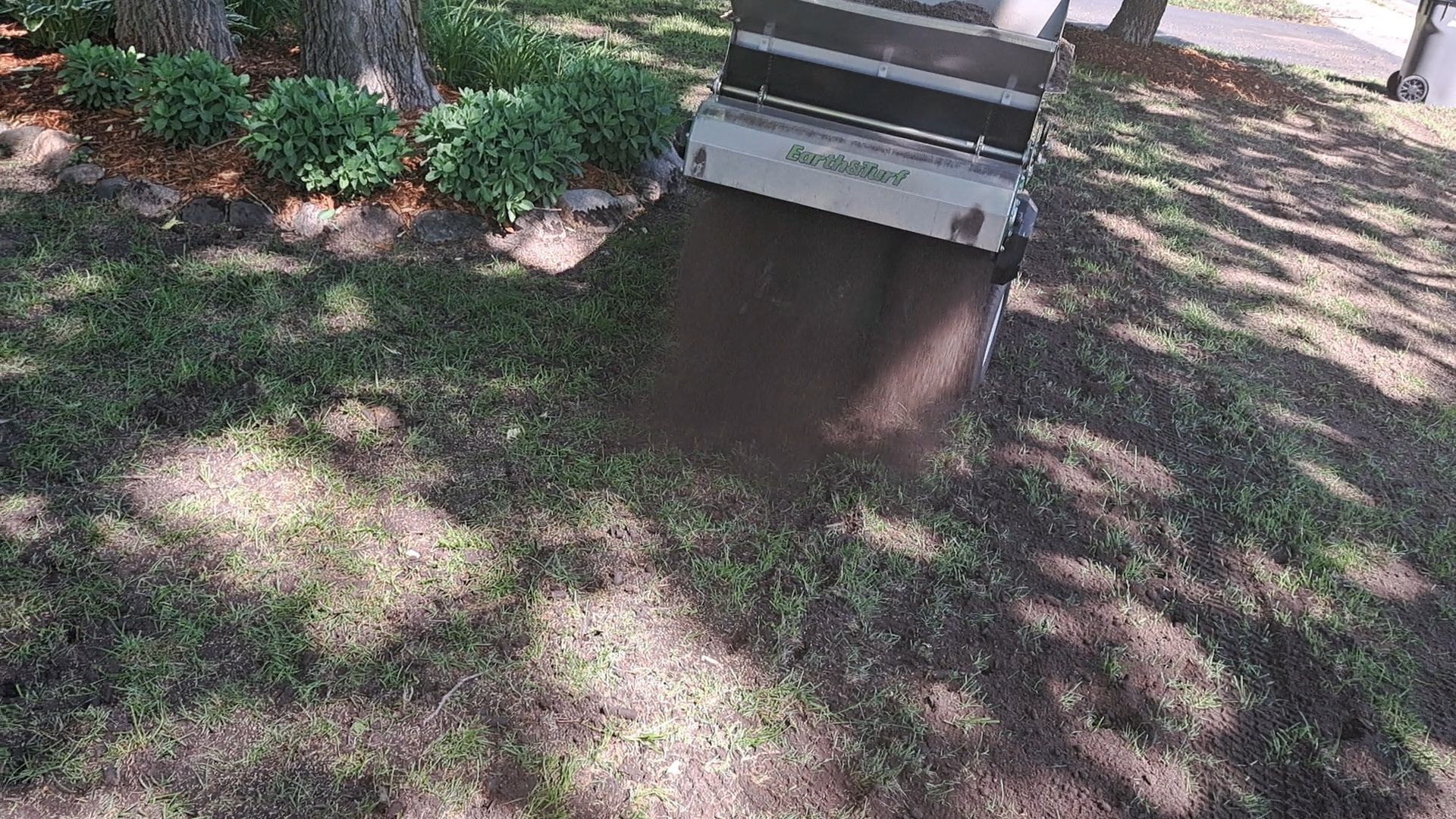
Eco-friendly lawn care tips for Twin Cities yards: cut chemicals, save water, and build healthy soil naturally. Get a free quote.
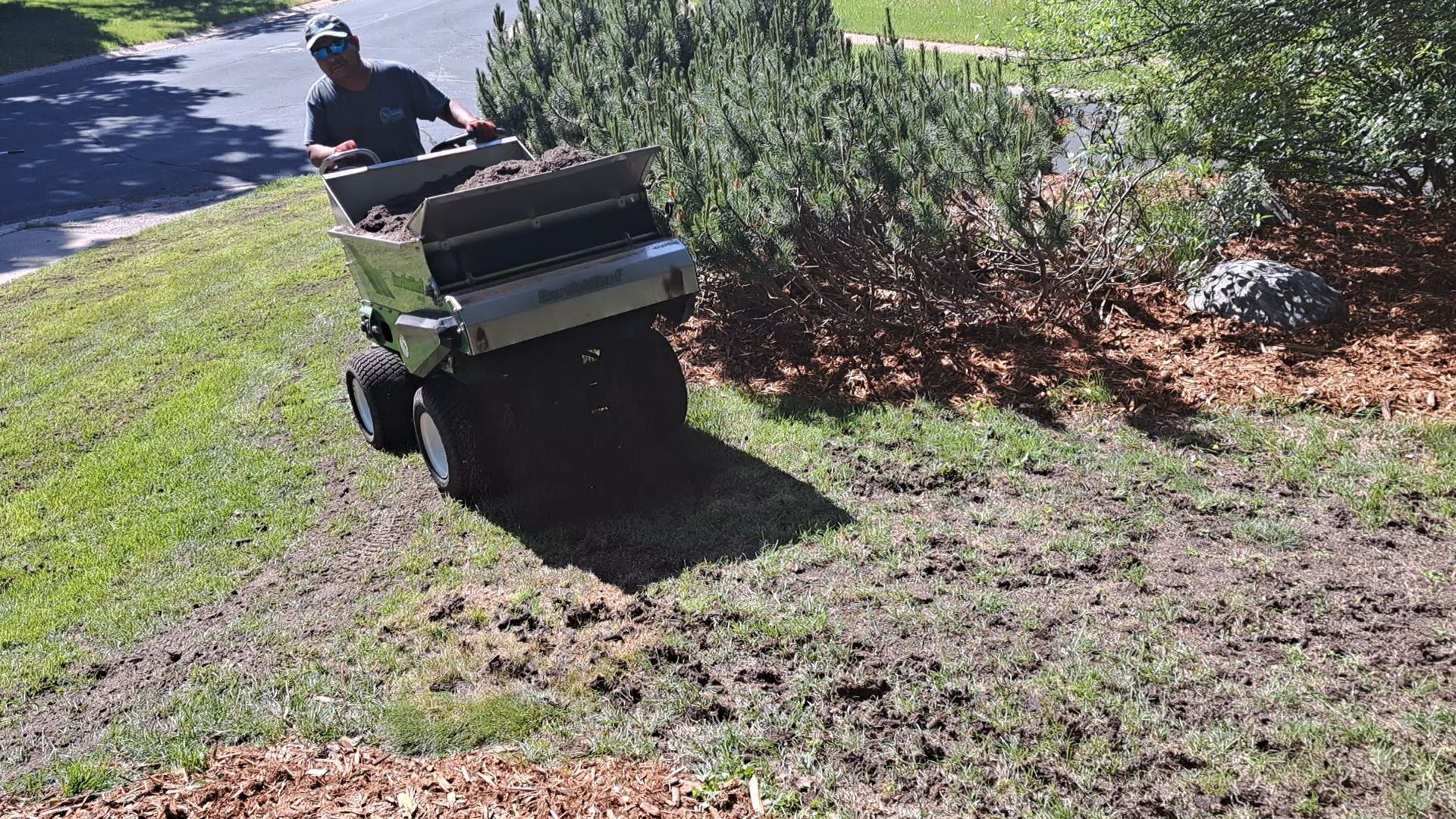
Simple, proven lawn care tips for Minnesota yards: mowing, watering, feeding, and building healthy soil that lasts. Get a free quote.