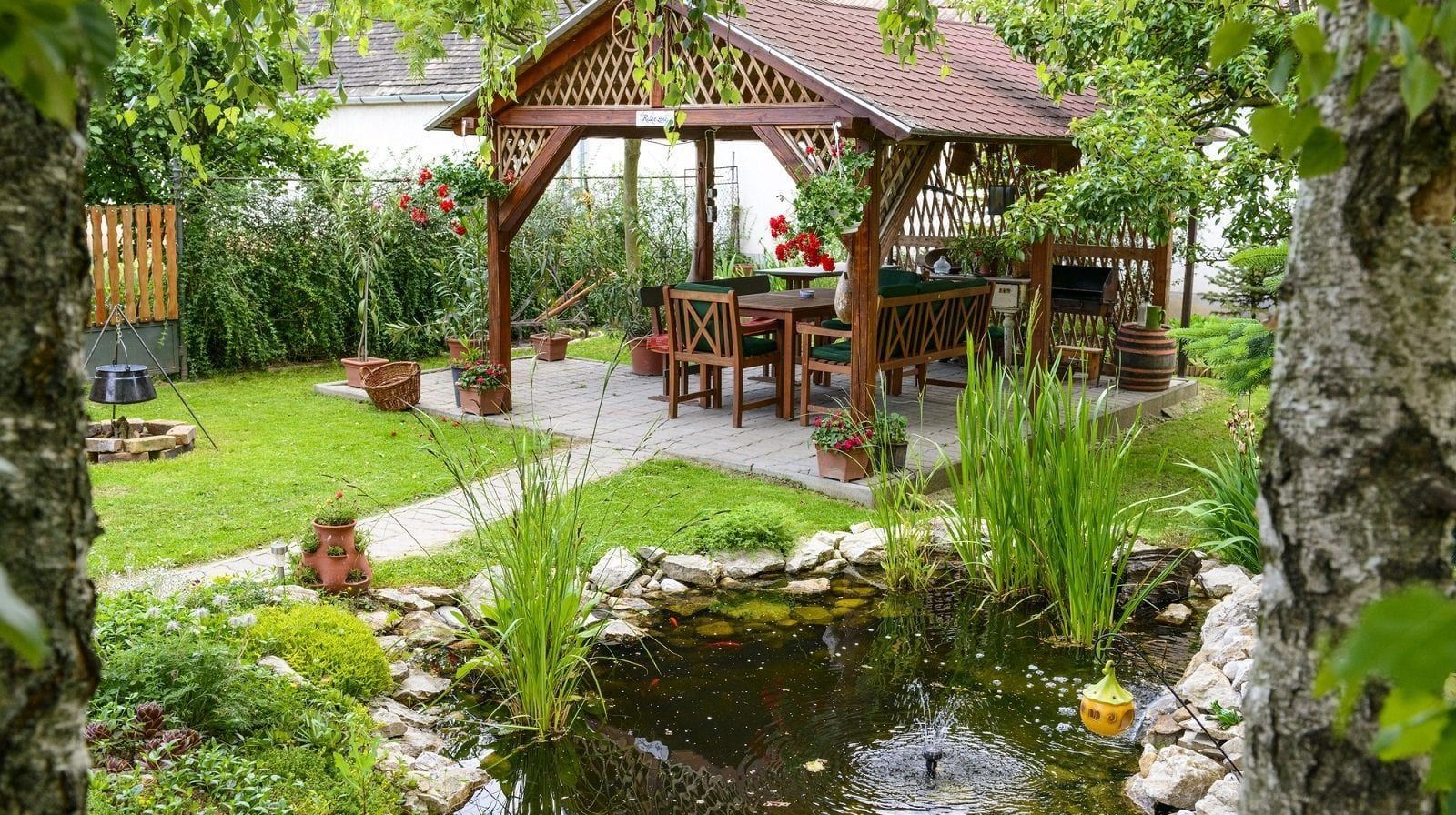
Backyard ponds are a beautiful, personalized space to enjoy the sights and sounds of nature from the comfort of your home. The scenery surrounding the pond, like plants and large stones, enhances the beauty of the landscape. However, adding a water feature like a fountain or waterfall can truly take your pond to the next level both in beauty and benefits.
Benefits of Backyard Pond Water Features
When backyard ponds don’t receive proper maintenance, they quickly become murky and uninviting. Implementing a water feature into a preexisting pond can significantly
improve the overall quality of the water and the health of organisms living within it. Water features can provide a few added benefits, including:
Implementing Water Features Into an Existing Pond
Now that you’ve chosen to collect on the benefits of an added water feature in your backyard pond decide what type of feature to implement. There are a variety of water feature options available to enhance the beauty and functionality of your pond. Each style requires different installation processes, but all will leave your existing pond looking (and sounding) fresh and new.
Waterfalls
Are you the family handyman, always completing difficult odd jobs around the house? If the answer is yes, you may be capable of installing your very own backyard waterfall in an existing pond. While other water features are more easily installed, waterfalls can provide that pristine, tranquil natural atmosphere that manufactured water features lack.
Implementing a stone waterfall feature can be extremely challenging without the proper expertise. If you aren’t confident in your own abilities, don’t hesitate to
contact a landscaping expert to assist in the design and installation of your newest feature.
Building a waterfall requires rocks of various sizes, stacked in such a manner so water can steadily trickle down into the pond. The dimensions of the waterfall will depend on the size of the existing pond and the grade of your backyard landscape.
To create the appearance of various levels in the waterfall, place smaller rocks or spacers between the main “spillway” rocks so the water can cascade downward. Waterfalls should be lined with durable pond liner so water can flow easily between the rock “shelves.”
Spillways
Implementing a hand-constructed waterfall can seem like a daunting undertaking. If you don’t feel like you’re up to the task, spillways are an excellent, easy to install alternative. Water flows out of the spillway in sheets, creating a peaceful babbling brook right in your backyard.
Spillways are also easily camouflaged, so if your pond is too small to support a larger stone waterfall, sneak the low-lying feature in between some small stones and plants.
Spillways are essentially a pre-made waterfall and are very easy to install. Just connect the tubing of the spillway to your existing water source and voila – you’ve already got a quasi-waterfall flowing. Disguise the top and sides of the feature to mimic naturally flowing water from the landscape.
Water Fountains
Water fountains are a classic choice of water feature in a large or small pond. They can often be found in ponds in
commercial locations like office parks or upscale apartment complexes, but are also the perfect choice for a backyard pond.
Water fountains can be static and anchored in place or float around the surface of the pond. One of the top-selling points of fountains is the various shapes and heights the water can spray. Fountains are an excellent option for backyard ponds of all sizes.
Fountains are a bit more finicky to install because they require a few different contact points. First, anchor the floating device that the spout sits on to either the bottom of the pond or the bank. Then, connect the hose and pump to the water source. Finally, ensure that whatever power source fuels the fountain is the correct voltage, or there can be dangerous and expensive consequences.
Spitters
If it feels like your backyard oasis is missing that spark of personal style, consider installing a spitter or two. Spitters are a fantastic option because they come in all shapes and sizes. Shoppers often even find fun animal-shaped ceramic spitters at home goods or home improvement stores. They can add that much needed little pop of color in a serene waterscape.
Most spitters can be bought and installed straight out of the box after a thorough read-through of the instructions. Spitters include a hose and pump that connect to your existing water source. Once installed, spitters either shoot one straight stream of water or feature a pouring effect from the hidden spigot.
Maintaining Your New Water Feature
Now that there is a beautiful new water feature installed in your backyard pond, spend time relaxing and enjoying the natural sounds of flowing water. However, don’t forget to continually maintain your pond and water feature to facilitate the highest function and longevity of your product. Run through a checklist of proper maintenance procedures regularly to keep the water feature in pristine condition.
Maintenance Checklist
Conclusion
Many backyard pond owners convince themselves that implementing water features is a difficult task. While it may be challenging to complete on your own, a professional landscape designer can help actualize your backyard vision and install the necessary products.
Any water feature, from waterfalls to spitters, can add dimension to your landscape. Choose your favorite water feature style, install, and enjoy the relaxing sounds of flowing waterways from the comfort of your backyard.