Fireplace Features That Anchor Urban Backyards in Minneapolis
Fire Features in Minneapolis
You can tell a lot about a backyard by where people naturally gather. In Minneapolis, the heart of that space is often a fire feature. Whether it’s a sleek modern gas fireplace or a wood-burning pit surrounded by stone, that glow draws everyone in. But not every design fits every yard, or every city lot.
I’ve built plenty of fireplaces over the years, and I can tell you, a backyard fire feature in Minneapolis isn’t just about the flames. It’s about the layout, the materials, and how it all works with the rest of the landscape. When you’re working with smaller city lots, the design has to do a lot of heavy lifting. It needs to look good, function safely, and last through our freeze-thaw cycles without cracking apart by spring.
Here’s how I think about designing fireplaces that become the centerpiece of an outdoor living space, even in tight Minneapolis backyards.
Designing for Urban Scale and Function
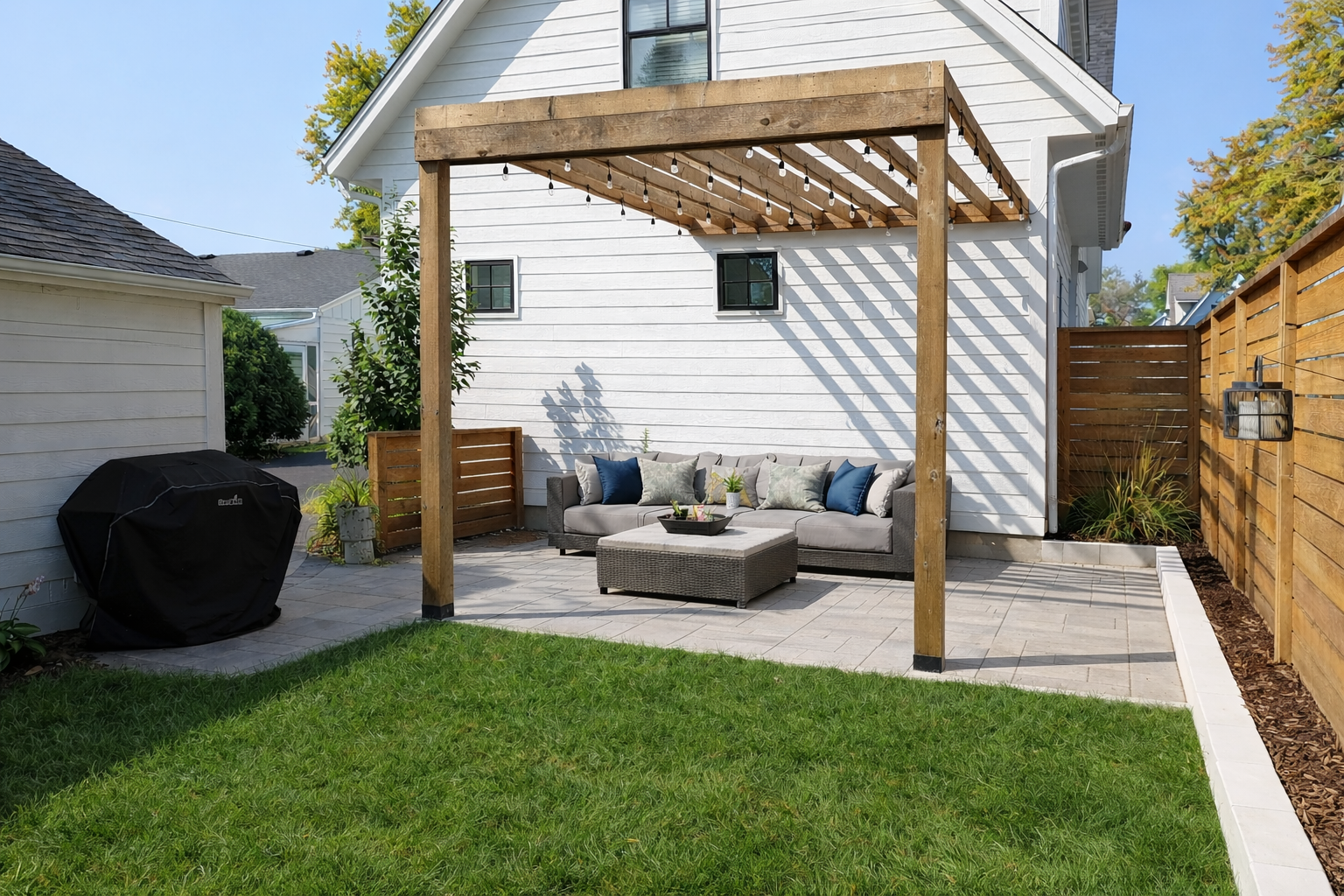
In Minneapolis, space is a luxury. Many backyards, especially in neighborhoods like Nokomis, Kingfield, or Longfellow, don’t have room for sprawling patios and big installations. That’s why I start every design by looking at how the space will actually be used. Do you want an outdoor dining area with a fireplace nearby, or more of a cozy seating nook where people linger late into the evening?
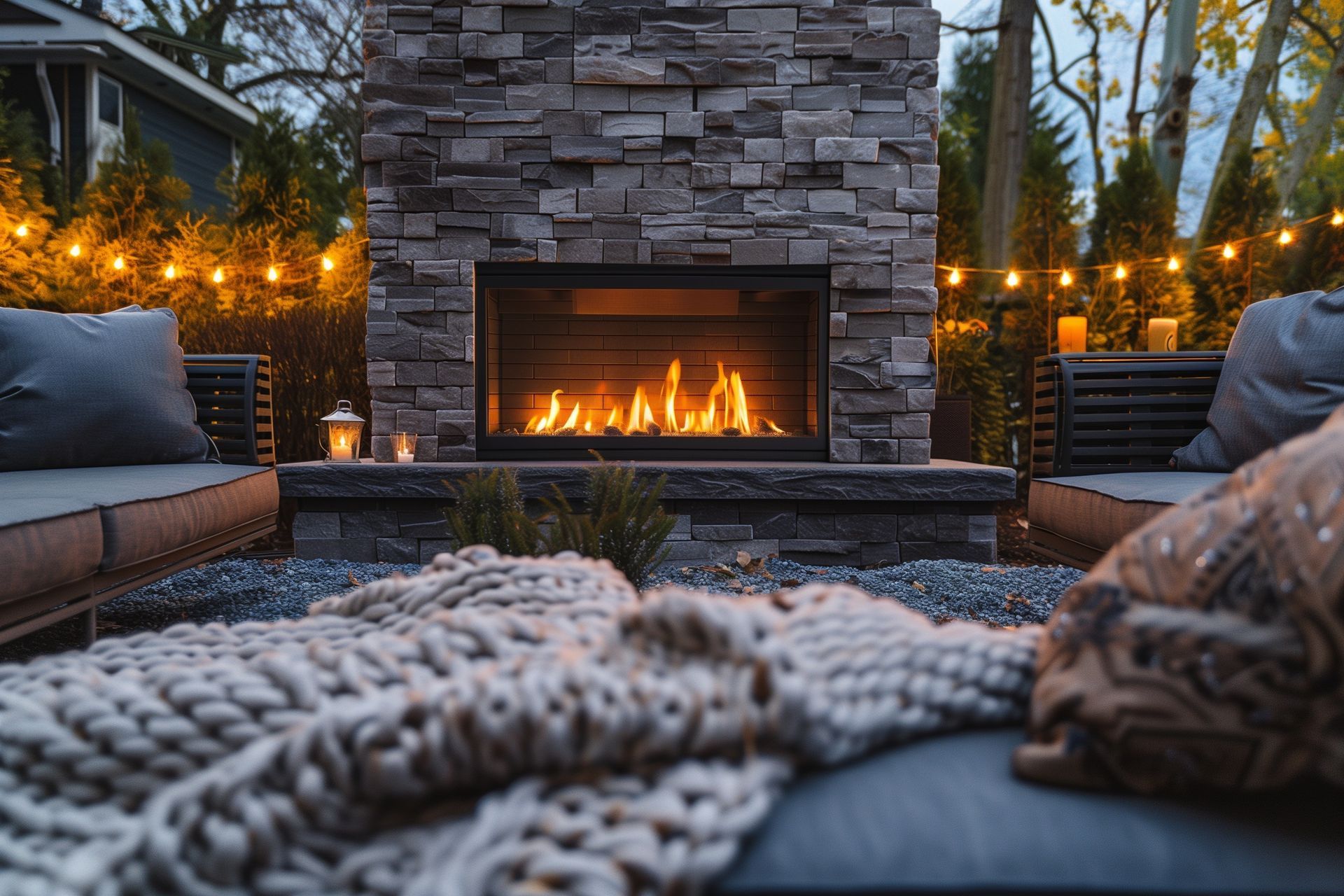
Scale is everything. The biggest mistake I see is homeowners choosing oversized fireplaces that dominate the yard. Bigger isn’t better in the city. I’d rather design something proportionate that feels integrated, not jammed in. Sometimes that means using a low, linear gas unit or a compact corner design with built-in seating.
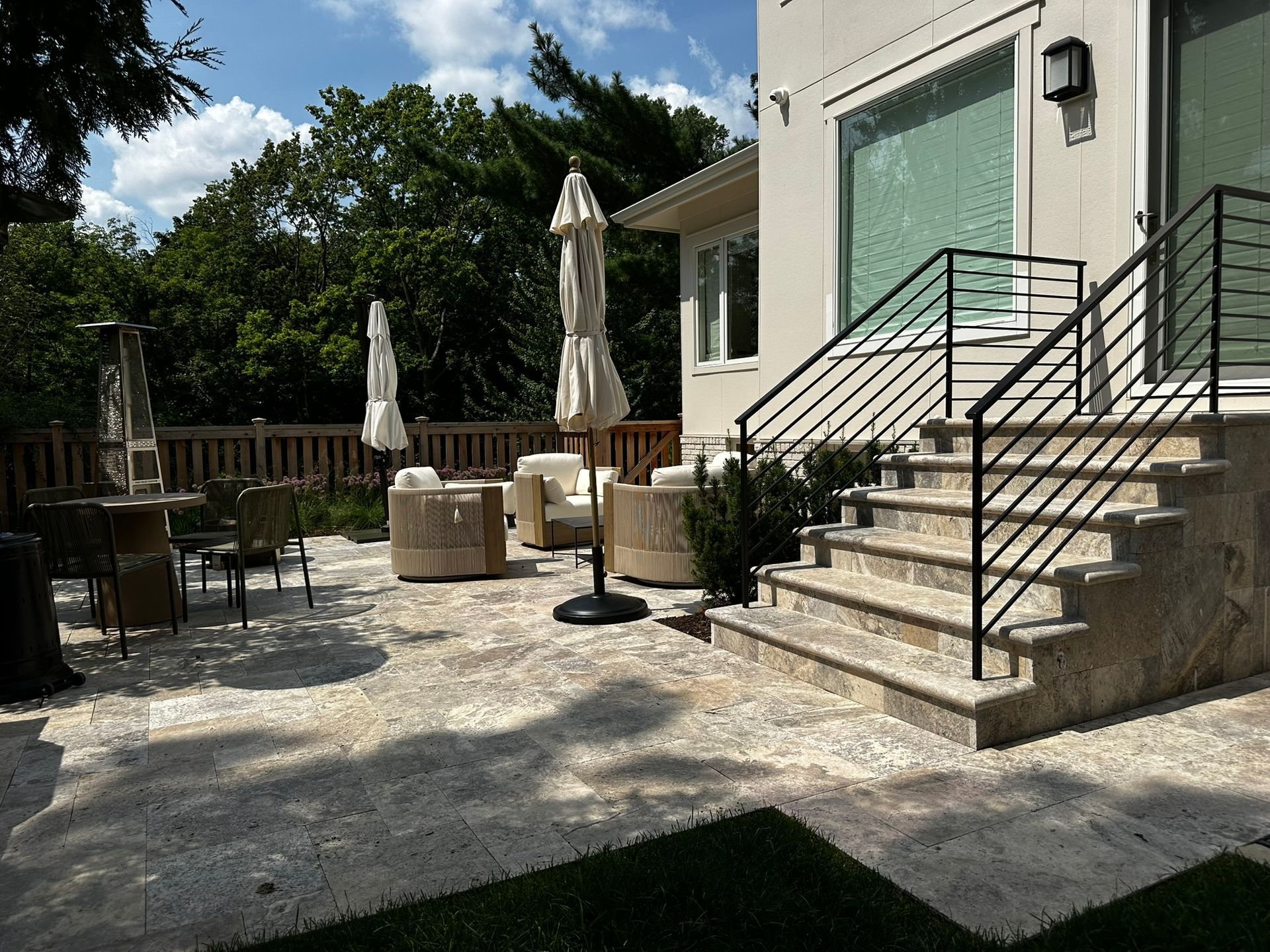
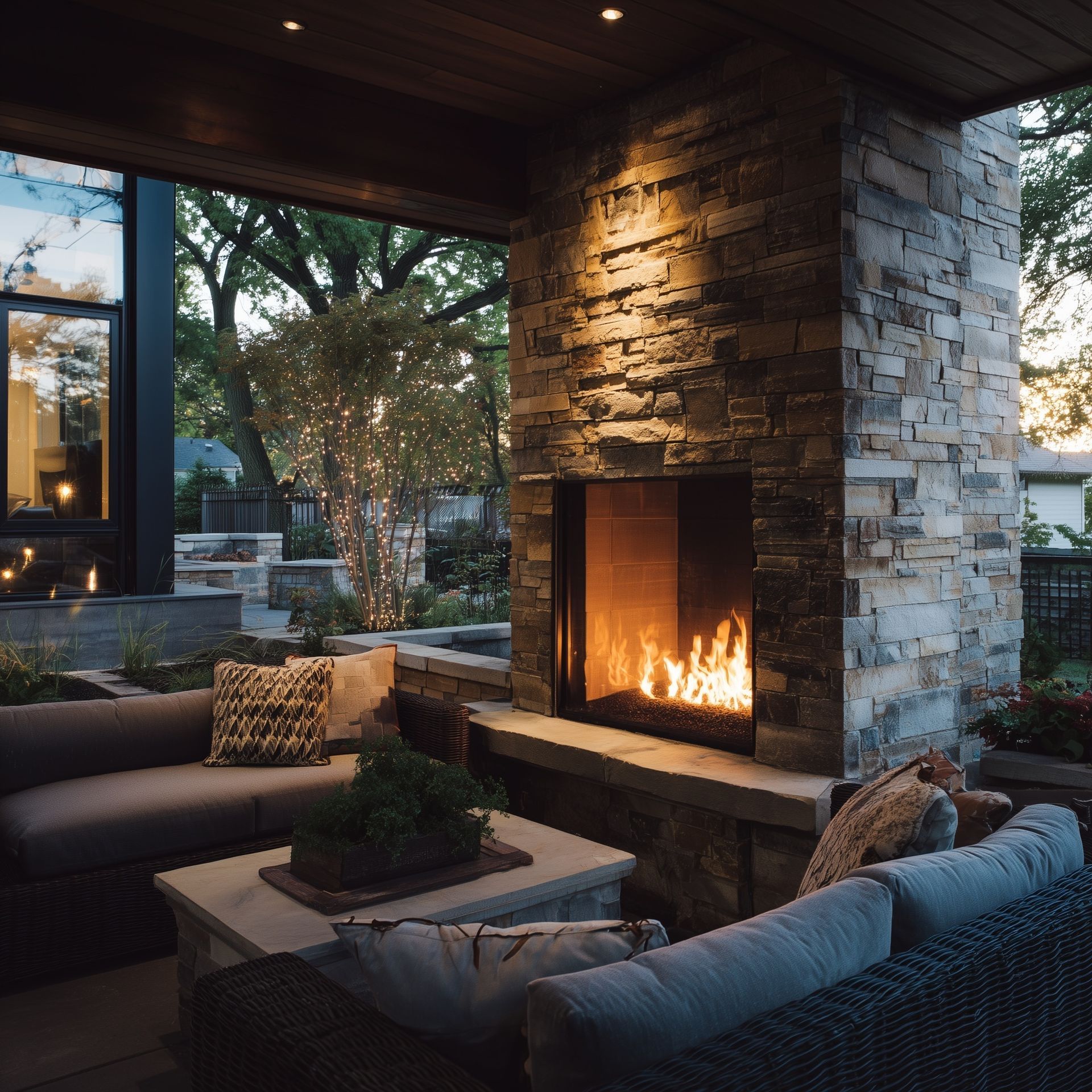
Material choice matters too. In Minneapolis, I usually build with natural stone or high-grade concrete block. These materials don’t just handle temperature swings better, they also age beautifully. The trick is using the same materials across the whole landscape. When the patio, wall, and fireplace share that same tone and texture, it feels intentional, like it’s always been there.
I also think about function year-round. Gas fireplaces can extend your outdoor season deep into fall and even into early spring. Wood-burning setups offer that campfire feel, but city restrictions mean they have to be built right. You can’t just throw in a pit and hope for the best, you need proper ventilation, distance from structures, and a good understanding of local codes.
Materials That Last Through Minnesota Winters
Our winters are hard on everything outside. Minneapolis gets repeated freeze-thaw cycles, and if your masonry isn’t built right, it’ll start popping and cracking within a year or two. That’s why I never cut corners on base preparation. Every fireplace I build sits on a proper footing, concrete reinforced and buried below frost depth. Anything less, and you’re gambling with longevity.
I also look at drainage around the fireplace area. If water pools anywhere near the base, it’ll find its way into mortar joints and expand when it freezes. Over time, that destroys the structure. I’ve been called in to rebuild plenty of fireplaces that looked great for three years and then fell apart by year five. Ninety percent of those failures trace back to poor prep work.
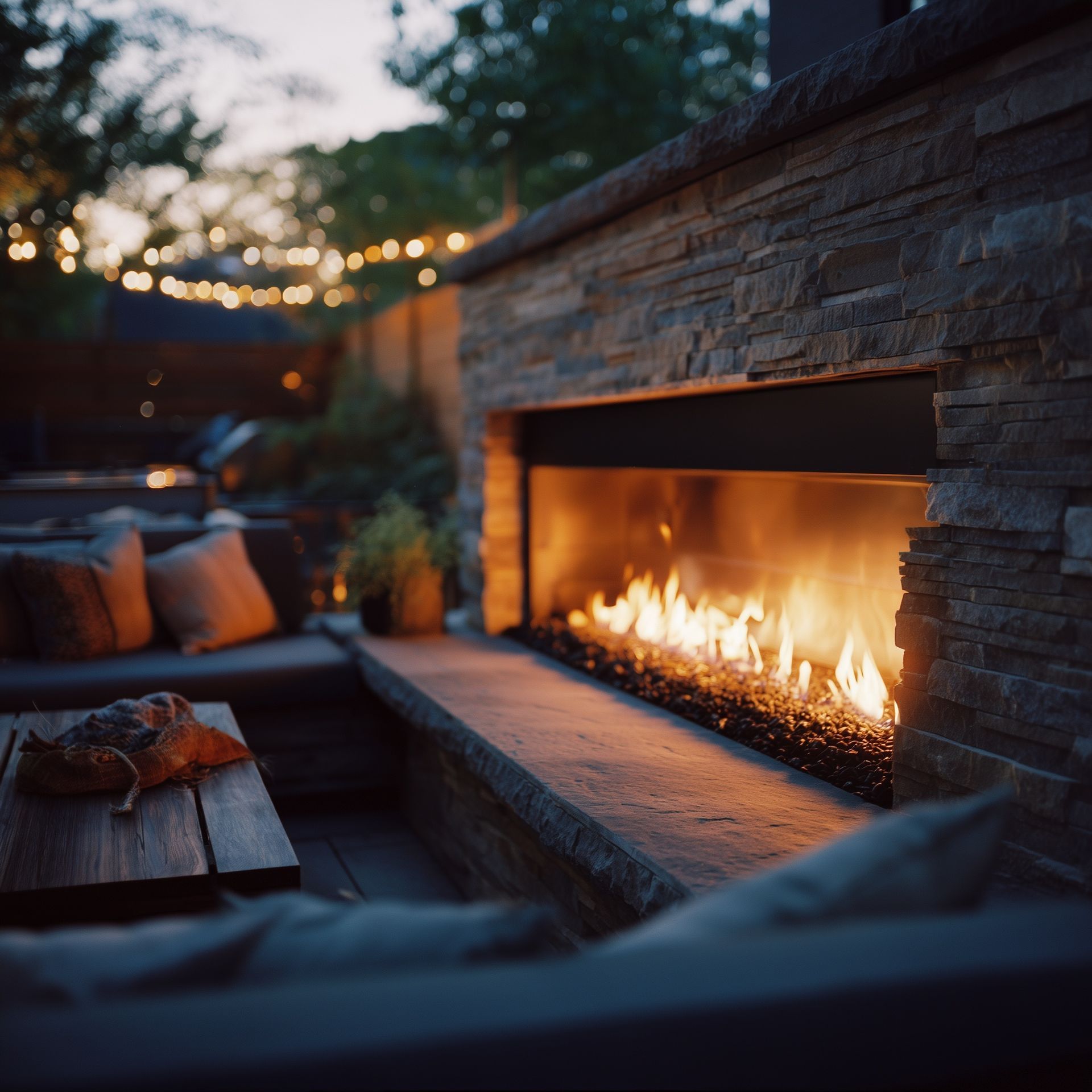
For finishes, I prefer natural stone and high-quality block. Stone doesn’t fade the way manufactured veneers do, and it pairs well with Minnesota’s older architecture. If someone’s living in an older South Minneapolis home, a rustic limestone or bluestone fireplace can feel timeless. For newer builds or contemporary remodels, I’ll lean into smooth-cut granite or dark concrete tones.
It’s not just about durability, it’s about how these materials make a space feel. You want something that looks beautiful through every season, whether it’s surrounded by snowbanks in January or lit by fireflies in July.
Safety, Codes, and Practical Considerations
Minneapolis has some of the strictest fire codes in the state, and for good reason. Many city lots have small setbacks, fences, and garages close by. You have to plan carefully to keep your fire feature compliant and safe.
I always tell homeowners, if your contractor isn’t checking local codes, that’s a red flag. You can’t rely on guesswork here. Gas lines, ventilation, and distance from combustibles all need to meet specific city guidelines. The goal isn’t just to pass inspection, it’s to make sure you can enjoy your space without worrying about safety.
One thing I’ve learned over time is that function and safety can blend beautifully when you design with intention. A privacy wall that provides a wind block might also double as the rear wall of your fireplace. Or, if you have a sloped yard, you can use retaining walls to naturally frame the seating area and integrate lighting for both safety and atmosphere.
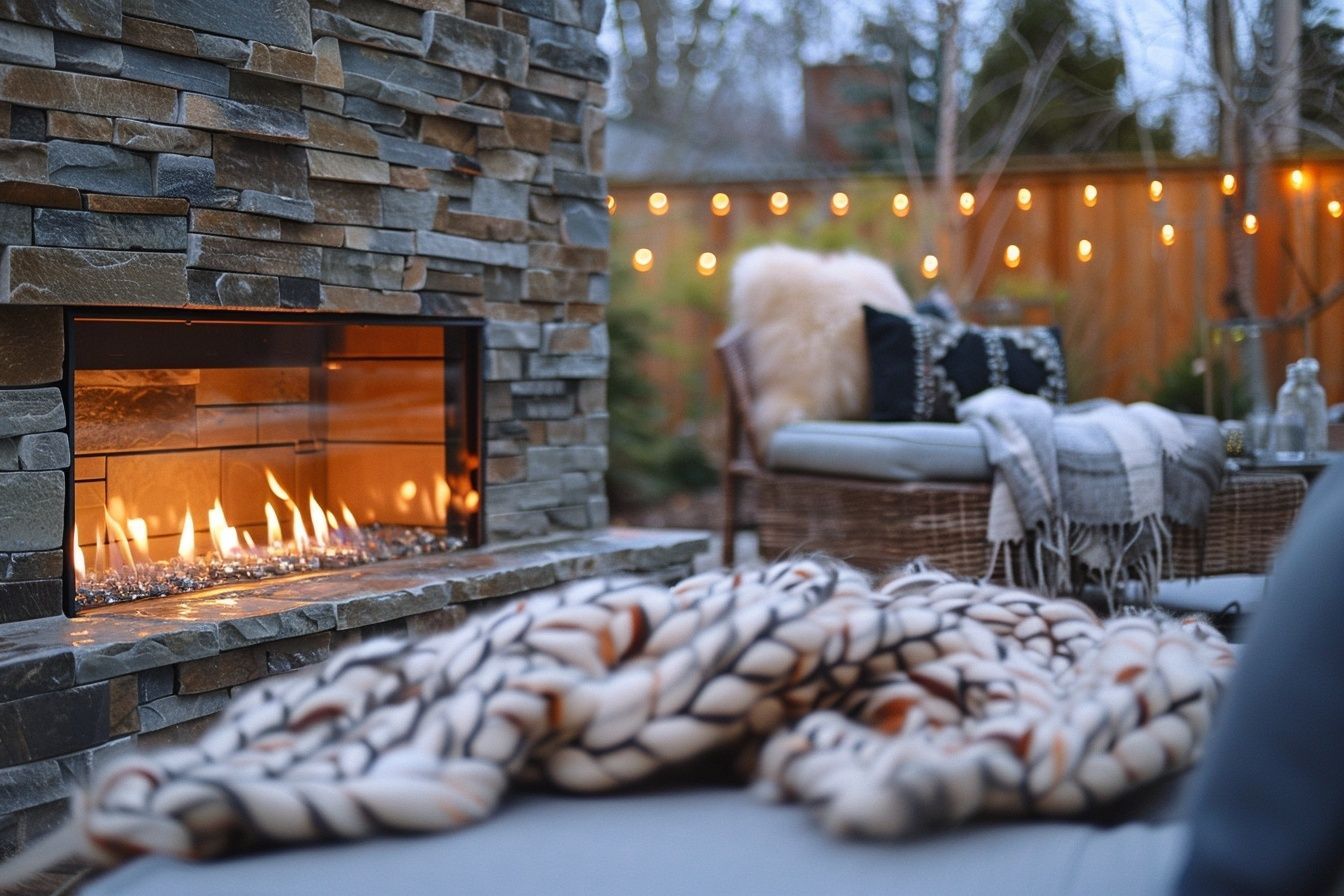
Lighting, by the way, is one of the most underrated elements. Low-voltage LED lighting around the hearth or embedded in seating walls can transform a nighttime space. It’s subtle, functional, and it keeps the whole area usable after dark.
Creating Atmosphere and Connection
What I love most about these projects isn’t just the construction, it’s what happens afterward. When we finish a backyard fireplace, it changes how people use their space. They start hosting friends more often. They sit outside longer. They get to enjoy their yard well beyond the summer months.
Fireplaces create a sense of place. They anchor a space emotionally, not just physically. In a city like Minneapolis, where outdoor time is precious, that matters. The goal isn’t just to build something beautiful, it’s to build something that invites connection.
When we plan a backyard fireplace, I always ask, what kind of nights do you imagine spending here? If the answer is “quiet evenings by the fire after dinner,” we’ll design it one way. If it’s “gatherings with friends and music,” we’ll design it differently. That’s what makes it personal, and what makes it last.
FAQs
What kind of fireplace is best for small Minneapolis backyards?
For tighter city lots, I recommend low-profile gas units or compact corner designs. Gas fireplaces are easier to control, require less clearance, and can be used even with tighter code restrictions. They also minimize smoke, which is important in dense neighborhoods. Wood-burning designs can still work, but they need more planning, space, and ventilation clearance.
How long does a well-built outdoor fireplace last in Minnesota?
If built properly with the right footing, drainage, and materials, an outdoor fireplace can last decades. The key is using frost-proof materials, proper drainage behind and beneath the structure, and maintaining it seasonally. A quick reseal every few years and keeping snow from piling against it go a long way.
Can I add a fireplace to an existing patio, or does it need to be designed together?
You can add one later, but it’s always better when the patio and fireplace are designed together. That ensures the footing, spacing, and aesthetic flow all line up. When it’s an add-on, I often have to reinforce or extend the patio base, which adds cost and complexity. So if you’re already planning a hardscape update, it’s smart to include the fireplace from the start.
Are there special permits needed for gas fireplaces in Minneapolis?
Yes. Gas installations require city permits and must follow Minneapolis building codes. It’s important to work with licensed professionals who understand both the gas line installation and the masonry or structure around it. I always handle those permits as part of the process to save homeowners time and hassle.
What’s the best material for long-term performance in Minnesota’s climate?
Natural stone or high-grade concrete block are the best choices. They resist cracking, don’t fade quickly, and look great over time. I avoid cheap veneers or decorative materials not rated for freeze-thaw exposure. You want something that performs as well in January as it does in July.
Reach out and Get Started
If you’re thinking about adding a fireplace to your Minneapolis backyard, don’t just think about warmth, think about how it’ll shape your whole outdoor space. Whether you’re redesigning a patio or upgrading a smaller city yard, my team here at KG Landscape and I build fireplaces that look great, meet code, and stand the test of time. Reach out, and let’s talk about what’s possible in your yard.
Ready to Start on Your Next Project?
Call us at (763) 568-7251 or visit our quote page.